saudi forces strike
| | | |

US, Saudi forces strike Iran allies in Iraq

The conflict involving Iran, the United States and its regional allies has entered a new and more dangerous phase, with fresh military strikes reported across the Middle East.

US and Saudi forces carried out coordinated airstrikes against Iran-aligned armed groups in eastern Iraq, according to US Central Command (CENTCOM). The operation came after a series of drone attacks that Washington and Riyadh attributed to groups linked to Iran’s Islamic Revolutionary Guard Corps (IRGC).

CENTCOM said American and Saudi fighter jets targeted weapons and logistics facilities used by the armed groups. The US military claimed the groups had carried out more than 30 IRGC-directed drone attacks in recent days, including strikes targeting Saudi energy infrastructure.

Saudi Arabia also confirmed the operation, saying its forces acted alongside CENTCOM after drones were launched from Iraqi territory toward petroleum facilities in the kingdom’s Eastern Province and Riyadh region. Riyadh said it did not seek a wider escalation but warned that it would respond to further attacks.

The latest strikes were followed by an explosion at the headquarters of Iraq’s Popular Mobilisation Forces (PMF) in Basra. The PMF is an umbrella organisation containing several armed factions, including groups closely aligned with Iran. The cause of the blast and any casualties were not immediately confirmed.

Meanwhile, tensions escalated further after the US military reported that Iran had launched multiple ballistic missiles toward American military positions in Jordan. CENTCOM said the missiles were intercepted and that US forces remained on heightened alert.

Iranian authorities had not immediately issued an official statement regarding the missile launches. However, an Iranian military official rejected claims that Tehran was responsible for projectiles fired toward Saudi Arabia, warning that attributing attacks on US interests to Iran could be a serious miscalculation.

The developments threaten to derail diplomatic efforts aimed at containing the conflict. Iran has repeatedly warned that any attempt to restrict its control over the Strait of Hormuz could trigger a renewed military confrontation.

The latest escalation also comes as US President Donald Trump met Israeli Prime Minister Benjamin Netanyahu. Their discussions reportedly focused on Iran and the possibility of renewed military action


Similar Posts

  • |

    Ex-US health official Anthony Fauci invokes Fifth Amendment in volatile Senate hearing

    Former top US public health official Dr Anthony Fauci repeatedly invoked his Fifth Amendment right against self-incrimination during a tense Senate committee hearing on Wednesday, refusing to answer questions regarding the origins of COVID-19 and early federal pandemic responses. The hours-long session before the Senate Homeland Security and Governmental Affairs Committee degenerated into a fierce clash between the retired scientist and Republican lawmakers. Fauci, 85, who led the National Institute of Allergy and Infectious Diseases (NIAID) for nearly four decades, declined to answer more than 100 questions on the advice of his legal team. In a statement before asserting his constitutional right, Fauci accused committee chairman Senator Rand Paul (R-KY) of pursuing an “unhinged obsession” with sending him to prison. Fauci stated that answering questions under oath was a deliberate attempt to trap him into potential perjury charges. Paul and GOP members pressed Fauci on whether federal funding supported dangerous “gain-of-function” research at the Wuhan Institute of Virology in China, and cited over 1,000 pages of newly leaked personal diary entries that lawmakers argue contradict his past public statements. Despite a preemptive presidential pardon issued by Joe Biden before leaving office, legal experts noted that testifying under oath could still leave Fauci exposed to potential perjury prosecutions if lawmakers alleged inconsistent statements. Enraged by the repeated refusals, Senator Paul announced that the committee will vote next week on holding Fauci in contempt of Congress, which could prompt a referral for criminal prosecution.

  • |

    Paris Jackson reveals intense treatment during sobriety journey

    Paris Jackson has opened up about her difficult road to sobriety, revealing that she underwent intensive electroconvulsive therapy after coming dangerously close to attempting to take her own life. The 28-year-old singer, who is the daughter of late pop legend Michael Jackson, recently reflected on her struggles and recovery while speaking on Jay Shetty’s On Purpose podcast. Paris revealed that she has now been sober for six years, but reaching that milestone involved confronting some of the darkest moments of her life. She recalled a period when she came “very, very close” to attempting suicide and eventually received electroconvulsive therapy as part of her treatment. According to Paris, she underwent nine sessions within three weeks. Describing how close she was to making an attempt, she said she was only “centimeters away” from doing so. The singer also provided a detailed account of what the treatment involved. While electroconvulsive therapy can have a frightening reputation, Paris explained that modern procedures are carried out under general anesthesia, meaning patients are unconscious during the treatment. She recalled having to prepare for the procedure by replacing the metal jewelry from her facial piercings with plastic earrings. After arriving at the hospital, she said she changed into a hospital gown before being given anesthesia. Paris explained that she was then secured in place and given a bite guard before the electrical stimulation was administered. Although the treatment was performed while she was unconscious, she said the experience still came with difficult physical effects afterward. The singer described experiencing what she called “gnarly side effects” and recalled feeling sharp pains after waking up from the sessions. Despite the challenges she endured, Paris has continued moving forward with her recovery and has now maintained six years of sobriety. Her willingness to discuss such a painful period has given fans a more personal look at the struggles behind her journey. Paris has previously spoken about her experiences with addiction, emotional struggles and recovery. Her latest comments further highlight the seriousness of the crisis she experienced and the extensive treatment she received while working toward a healthier life. By openly discussing her past, Paris is shedding light on the realities of recovery and the different forms of professional support people may receive during severe mental health crises. Her six-year sobriety milestone represents a significant achievement after what she described as an extremely difficult chapter in her life.

  • |

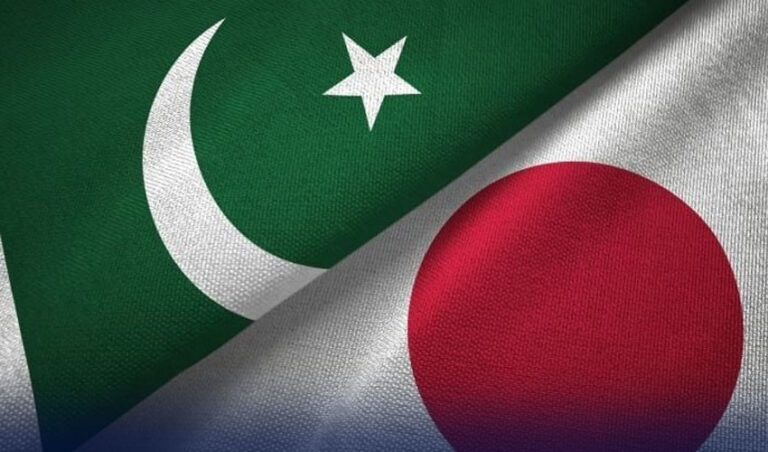
    Pakistan, Japan agree to expand development cooperation

    Pakistan and Japan have reaffirmed their commitment to strengthening long-standing development cooperation, with both sides agreeing to expand collaboration in economic reforms, mineral development, technical training, and human resource development during a high-level meeting in Islamabad. The understanding was reached during a meeting between Prime Minister Shehbaz Sharif and a nine-member delegation led by Japan International Cooperation Agency (JICA) President Dr. Tanaka Akihiko. Welcoming the delegation, Prime Minister Shehbaz Sharif described the seven-decade partnership between Pakistan and Japan as a cornerstone of bilateral relations, expressing confidence that the JICA president’s visit would inject fresh momentum into cooperation between the two countries. The prime minister highlighted the government’s ongoing economic reform agenda, stating that Pakistan had successfully navigated a challenging economic period through coordinated efforts and was now focused on achieving sustainable and inclusive economic growth. He said the government’s reform programme had produced encouraging results, noting that national revenues had doubled over the past three years. According to the prime minister, these improvements were creating greater fiscal space for investment in development priorities and public welfare. Shehbaz Sharif emphasized that equipping young people with modern skills and technical education remains one of the government’s foremost priorities. He said the administration is also committed to creating quality employment opportunities and promoting the economic empowerment of women as part of its broader development strategy. During the meeting, the prime minister welcomed JICA’s technical assistance in Pakistan’s minerals sector, describing the cooperation as timely given the country’s vast untapped mineral resources. He also appreciated JICA’s collaboration with the Small and Medium Industrial Development Authority (SMIDA), saying such partnerships would help strengthen industrial capacity, improve productivity, and boost Pakistan’s exports. The discussions also covered ways to broaden bilateral cooperation in areas including infrastructure development, capacity building, vocational training, and investment promotion. Both sides acknowledged the importance of expanding technical collaboration to support Pakistan’s long-term economic transformation. JICA President Dr. Tanaka Akihiko thanked Prime Minister Shehbaz Sharif for his warm welcome and appreciation, reaffirming Japan’s commitment to supporting Pakistan’s development journey. He noted that JICA and Pakistan share a long-standing partnership built on mutual trust and cooperation, adding that the agency remains ready to further expand its engagement across multiple sectors, including economic development, human resource development, and technical cooperation.

  • | |

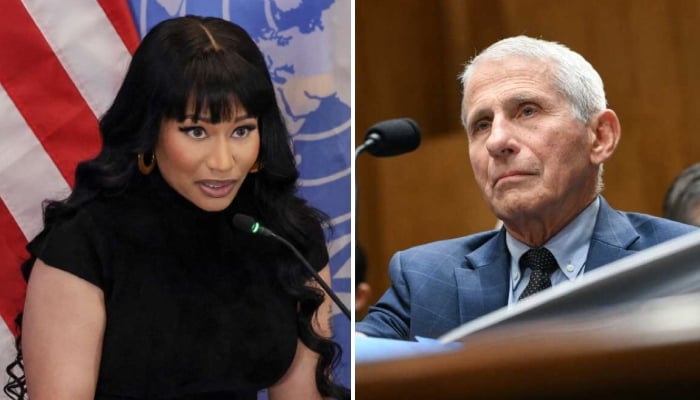
    Nicki Minaj blasts Dr. Fauci over COVID-19 hearing

    Rapper Nicki Minaj has once again criticised former White House Chief Medical Advisor Dr. Anthony Fauci, following his appearance before a U.S. Senate committee, where he invoked his Fifth Amendment rights and declined to answer questions related to his handling of the COVID-19 pandemic. The Barbie World hitmaker took to X (formerly Twitter) on July 30 to share a lengthy statement expressing her frustration over the Senate hearing and the lasting impact she believes the pandemic response had on millions of people. In one of her strongest remarks, Minaj wrote, “Feeding tubes will be his portion. He will lose the ability to speak & then & only then will he feel the collective pain & long term ramifications he caused to new borns, young children who are still trying to become acclimated into society & schools, traumatized pregnant women who couldn’t even have family in the delivery rooms & visits.” She continued by listing other groups she believes were deeply affected during the pandemic. “The elderly who died alone & afraid, young ppl still struggling w/mental health, suicide, people turned away from hospitals at their most vulnerable moments, the trust that is now gone from innocent people toward their governments forever, billions of stolen money from hard working tax payers via con artists…” she wrote. Concluding her message, the rapper reflected on the emotional toll of the pandemic. “I’ve been struggling to find the humor in any of this. God bless everyone who made it to the other side. You’re stronger than you thought. God is in control,” Minaj added. Her comments came a day after Dr. Fauci appeared before a Senate hearing examining decisions made during the COVID-19 pandemic. During the proceedings, Fauci repeatedly invoked his Fifth Amendment rights, declining to answer questions regarding his role in the government’s pandemic response. The latest exchange revives a public disagreement between Minaj and Fauci that began in September 2021 during the global vaccination campaign. At the time, Minaj claimed on social media that her cousin’s friend in Trinidad became impotent and suffered swollen testicles after receiving a COVID-19 vaccine. The post quickly gained international attention and sparked widespread debate online. Health experts, however, said there was no scientific evidence linking COVID-19 vaccines to those reported side effects. Responding to the claims in 2021, Dr. Fauci said there was no evidence supporting the allegation and urged the public to rely on verified scientific research instead of unconfirmed reports circulating on social media. The disagreement quickly became one of the most talked-about celebrity-public health controversies of the pandemic, raising broader discussions about misinformation, vaccine confidence, and the influence of high-profile public figures on health-related issues. With her latest post, Minaj has once again reignited debate surrounding the pandemic years and the role of public officials in shaping COVID-19 policies, while her criticism of Fauci continues to draw strong reactions across social media.

  • |

    7 in 10 Afghan women report poor mental health

    Restrictions imposed on women and girls in Afghanistan have sharply reduced their participation in public life, with more than half of surveyed women saying they now leave their homes only once or twice a month, according to a new UN Women assessment. The findings were released as Afghanistan approaches the fifth anniversary of the Taliban’s return to power in August 2021. UN Women said Afghanistan remains the only country where girls are barred from secondary education and women are prohibited from attending universities. The agency said the restrictions have increasingly affected women’s freedom of movement, education, employment and access to public life. More than half of the women surveyed reported leaving home no more than twice a month. Nearly three-quarters said they did not feel safe going outside without a male guardian, commonly referred to as a mahram. UN Women said the restrictions have also contributed to growing concerns about women’s mental health. Around seven out of 10 women surveyed described their mental health as either “bad” or “very bad”. Respondents cited social isolation, reduced opportunities and limited access to support networks among the factors affecting their wellbeing. The UN agency said Taliban authorities have introduced more than 100 decrees affecting women and girls since returning to power. It described the measures as creating a system of discrimination and said Afghanistan had become an extreme global example of restrictions on women’s rights. The Taliban maintain that their policies respect women’s rights under their interpretation of Islamic law and Afghan culture. Education remains heavily restricted The restrictions on education have affected millions of Afghan girls. UNESCO estimated that about 2.4 million girls have been prevented from attending secondary school since the Taliban returned to power. Women and girls have also been excluded from university education, limiting their opportunities to pursue professional careers and higher education. UN Women said recent measures had further weakened legal protections available to women. According to the agency, rules introduced this year reduced legal equality between men and women, strengthened the authority of men within marriage and created additional difficulties for women seeking divorce. Women largely excluded from workforce Economic participation remains another major challenge. UN Women reported that only about 7% of Afghan women are employed, compared with approximately 84% of men. The agency said the restrictions on education and employment were limiting women’s ability to earn income, develop careers and contribute to the country’s economy. The findings were based on a door-to-door survey involving 2,190 people conducted between February and March 2025. The agency also conducted telephone interviews with 2,811 people between April and May 2025. UN Women warned that continued restrictions could further isolate women and deepen the social and economic consequences of excluding half of Afghanistan’s population from public life. The Taliban government has not immediately responded to requests for comment on the latest findings.

  • |

    Türkiye, Saudi Arabia and Pakistan to establish new defence cooperation mechanisms

    ANKARA: Türkiye, Saudi Arabia and Pakistan are set to establish new political and military coordination mechanisms following the signing of a landmark joint defence agreement, as the three countries move to strengthen strategic cooperation amid growing security concerns in the region. Türkiye’s Defence Ministry said on Thursday that the framework agreed by the three countries would bring senior political and military leadership into a structured mechanism aimed at enhancing coordination on defence and security matters. The three nations signed the Makkah Joint Defence Agreement on August 7, marking a significant development in their security relations. The agreement comes at a time of heightened tensions across the Middle East, with the escalation of regional hostilities raising security concerns among Gulf states and other countries in the region. Under the agreement, an armed attack against any one of the three countries would be treated as an attack against all members. The provision establishes a collective-defence commitment similar in principle to the collective security arrangement contained in Article 5 of the North Atlantic Treaty Organisation (NATO). High-level political and military coordination According to the Turkish Defence Ministry, the new mechanisms will involve the defence ministers, foreign ministers and military chiefs of Türkiye, Saudi Arabia and Pakistan. The arrangement is expected to provide the three countries with a regular platform for consultations on regional security developments, defence policy and potential threats. It could also facilitate closer coordination between their armed forces and government institutions. The agreement reflects the growing strategic importance of cooperation between the three Muslim-majority countries, particularly as regional security challenges continue to evolve. Joint military exercises planned The Turkish ministry also said the three countries were planning joint military exercises under the new defence framework. Such exercises could provide opportunities for their armed forces to improve interoperability, exchange operational experience and strengthen their ability to coordinate during potential security crises. Defence cooperation is also expected to extend beyond military exercises. The Turkish side said the agreement could pave the way for greater collaboration in the defence industry, including joint production, technology sharing and other forms of industrial cooperation. The expanded defence-industry partnership could allow the three countries to explore opportunities for developing and producing defence equipment together while sharing technical expertise and capabilities. Agreement follows rising regional tensions The pact was signed against the backdrop of heightened tensions in the Middle East, which have raised concerns over the security of Gulf countries and critical energy infrastructure. The escalation has also highlighted the importance of collective security arrangements and closer coordination among regional powers. For Pakistan, the agreement represents another step towards strengthening defence and strategic ties with Türkiye and Saudi Arabia. Islamabad has traditionally maintained close military and diplomatic relations with both countries. The agreement is therefore expected to broaden cooperation from traditional bilateral defence relations towards a more structured trilateral framework involving political consultations, military coordination and defence-industrial collaboration. Pakistan’s Deputy Prime Minister and Foreign Minister Ishaq Dar has also clarified the scope and intent of the Makkah agreement, stressing the nature of the arrangement and its broader security objectives. The three countries are now expected to work out the details of the new mechanisms, including the structure of ministerial consultations, military coordination and proposed joint exercises.

Leave a Reply

Your email address will not be published. Required fields are marked *