billion 8216apna ghar8217
| |

Rs 71 billion ‘Apna Ghar’ push, 1.5 la…

KARACHI: For millions of teachers, clerks, nurses and daily-wage workers, owning a house has felt like a distant dream. Caught between skyrocketing rents and banks that rarely lend to them, they have spent years waiting for a break. Now, with the Prime Minister’s “Apna Ghar” scheme offering subsidized 20-year loans, that wait may finally be over — if the government can fix the loopholes that sank similar programs in the past.

With rents climbing and home ownership slipping further out of reach, the government’s new housing finance push is back in focus. The Prime Minister’s “Apna Ghar” housing scheme unveils a 20-year financing plan backed by Rs 71 billion in federal subsidies allocated in the budget.

The urgency is clear: Pakistan faces a housing shortfall of over 10 million units, with demand growing each year due to urbanization and population growth.

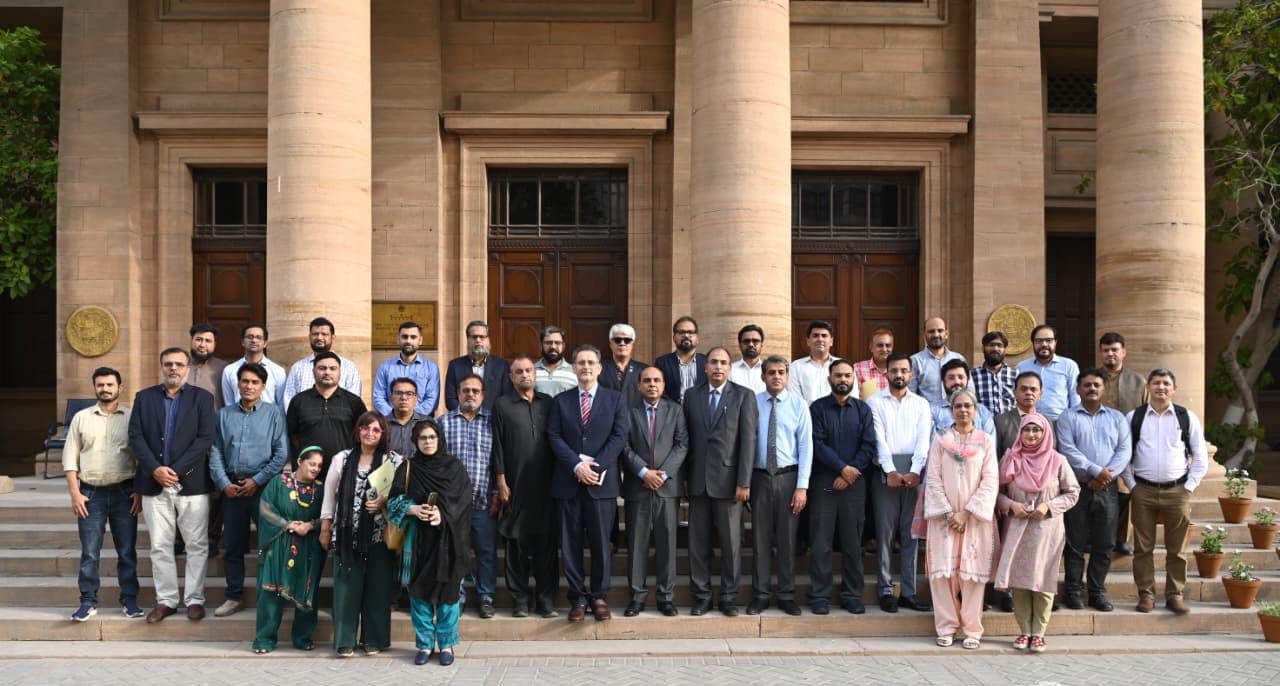
The State Bank of Pakistan arranged a workshop on the Prime Minister’s Housing Scheme — Wazir-e-Azam Apna Ghar Program — to roll out salient features including financing structure, loan amount, tenure, income requirements, and monthly installment.

According to SBP officials Ghulam Muhammad Abbasi, Executive Director, and Dr. Muhammad Saleem, Additional Director, the scheme aims to finance 150,000 houses by June 2027. Under the program, banks will provide loans of up to Rs 10 million for purchase of a ready-made house, flat, or plot, or for construction on a plot.

A house of up to 250 square yards and a flat of up to 1500 square feet will be eligible. The loan tenure is 20 years, with a fixed markup of 5% for the first 10 years.

Who can apply and how?

Salaried individuals can apply with a salary slip, while non-salaried applicants including shopkeepers and daily wage workers can use electricity bills, mobile top-ups, children’s fee challans or other expense receipts as income proof, the State Bank said.

An applicant can apply with 3 to 4 co-borrowers — father with sons, brothers with sisters, or husband with wife. The main applicant must not own any property; if found otherwise, the loan will be cancelled.

An online portal has been created for applications, and forms are also available at bank counters.

“Banks will not charge any processing fee, nor any penalty on balloon payment,” an SBP official added. “Banks will process an application in 15 days. For any complaint, applicants can lodge it on the Prime Minister’s portal against the bank or officer.”

To accelerate home ownership and boost construction, the government has expanded the scheme to include overseas Pakistanis. Overseas Pakistanis/Non-Resident Pakistanis holding NICOP/POC may also obtain financing. Participating Financial Institutions may also extend financing for private developer-led housing projects.

Housing: A basic need slipping away

For Pakistan’s lower and middle class, owning a home has become unaffordable. Rising property prices, inflation, and lack of access to formal credit have widened the 10-million-unit housing gap. Most families either live in rented accommodations, spending 40-50% of income on rent, or in informal settlements without basic facilities. For this segment, “Apna Ghar” could be the first real chance to move from rent to ownership — provided installments stay within budget.

The Benefits: Housing for the missing middle

1. Affordability: 5% fixed markup for 10 years is significantly lower than market mortgage rates.

2. Inclusion: Alternate income proof and NICOP/POC access opens doors for informal workers and overseas Pakistanis.

3. No hidden costs: Zero processing fee and a dedicated portal reduce bureaucratic hurdles.

4. Economic boost: Financing 1.5 lakh units will give a direct push to construction, cement, steel, and labor.

The Shortcomings and Challenges

The scheme may end up benefiting the middle class more than the poor it targets. Most low-income families live in katchi abadis with no legal land titles, which banks require. Without land regularization, the poorest remain excluded.

Other challenges:

1. Scale vs Need: 150,000 homes by 2027 address only 1.5% of the 10-million-unit shortage.

2. Bank appetite: Banks have historically avoided mortgage lending due to documentation and recovery risks.

3. Land and title issues: The scheme assumes legal plots, a major bottleneck in cities like Karachi.

4. Affordability ceiling: Rs 10 million cap and installments may still be unaffordable for the poorest.

5. Implementation: SBP’s 15-day timeline will be tested, as past schemes struggled with delays.

Skepticism on the ground

But for many, doubt runs deep.

“We pay Rs 25,000 rent every month. Owning a house feels like a dream,” said Ali, a private school teacher from Nazimabad. “Every time the government announces a scheme, I hear the same thing — in the end, the rich will take loans in the name of their drivers and peons. Let a few months pass. Then we’ll know if this system is transparent or just another test case.”

That reflects three questions: Will it reach the right people? Will the process be clean? Will the intent hold? With the scheme only a few months old, experts say implementation will be the real test.

Transparency concerns

Applicants and housing experts pointed out banks’ history of demanding informal payments to process files. With “Apna Ghar” relying on banks, many wonder how SBP will ensure it remains bribe-free and trackable.

The SBP Executive Director said an online portal has been launched and complaints can be registered directly with the Prime Minister’s or SBP portal. “Strict action will be taken against banks charging fees or demanding bribes,” he said.

Economic boom Apna Ghar can bring

Economists say the push can do more than provide roofs — it can revive construction and the economy. The sector contributes nearly 2.5% to GDP and employs over 8 million people directly. Every house is estimated to create 8-10 direct and 20-25 indirect jobs. With demand for 150,000 units against a backlog of 10 million, orders for cement, steel, bricks and labor are expected to rise. SBP notes housing has one of the highest fiscal multipliers. If targeted well, it could cut into the housing backlog while acting as a grassroots stimulus.

An opportunity For Shahbaz-led government to bridge the distrust

This is not the first low-cost housing program. A similar scheme launched years ago with fanfare failed to gain traction. Banks showed little interest, land acquisition stalled, and the process proved too complex. Thousands were left in limbo, raising questions about whether “Apna Ghar” will avoid the same fate.

For now, Ali and thousands like him are watching. “If a teacher can actually get a house through this scheme, then people’s distrust will be bridged.”

The writer is a senior journalist and columnist covering crime, law, social issues, governance, energy, health, literature, women and children’s rights across Pakistan’s leading English media houses.

Feedback: mediawomen2014@gmail.com

Similar Posts

  • |

    Israel’s influence in Washington weakens under Trump says former envoy

    Former Israeli ambassador to the United States Mike Herzog has said Israel’s ability to influence decisions in Washington has declined significantly during President Donald Trump’s current administration. He also warned that support for Israel among the American public has been steadily weakening, creating long term challenges for the country’s relationship with its closest ally. Speaking in an interview with Israeli radio station 103FM, Herzog said the close personal bond that once existed between Israeli Prime Minister Benjamin Netanyahu and Trump no longer appears as strong as before. While Netanyahu recently described his latest meeting with Trump at the White House as one of their best meetings, Herzog argued that the event should be viewed more carefully. In his opinion, the meeting lacked the warmth and personal interaction that previously defined the relationship between the two leaders. Herzog said one positive outcome for Netanyahu was that Trump avoided publicly criticising Israel or placing any visible demands on the Israeli government during the meeting. He suggested that this helped Netanyahu present the visit as a diplomatic success, particularly as Israel moves closer to national elections. According to Herzog, the prime minister had a political interest in showing that his ties with Trump remain strong despite growing speculation that relations between the two leaders have cooled. The former ambassador also pointed to several details surrounding the visit that, in his view, reflected a more distant relationship. Netanyahu entered the White House through a side entrance instead of receiving a more prominent arrival. There was no private one on one meeting between the leaders and media attention surrounding the visit remained limited. Herzog said these diplomatic signals suggested the White House wanted to avoid creating the impression that Trump was closely aligned with Netanyahu. He linked this cautious approach to political concerns in the United States following the conflict with Iran. Herzog said many Americans believe Israel played a major role in drawing the United States into the confrontation. Since the conflict has been unpopular with parts of the American public, he believes Trump is careful not to appear as though he acted under pressure from the Israeli leadership. Even so, Herzog said there are currently no major disagreements between Washington and Tel Aviv over Iran, although the relationship is no longer as close as it once was. Beyond the immediate political situation, Herzog warned that Israel’s overall standing in the United States has suffered lasting damage. He said changes in American society, political shifts, economic developments, international campaigns against Israel and policy decisions made by successive Israeli governments have all contributed to a steady decline in public support. He also acknowledged that the actions of Israel’s current government and the ongoing military campaign in Gaza have negatively affected how many Americans view the country. Netanyahu himself recently admitted that support for Israel has weakened in the United States, arguing that social media has played a major role in shaping public opinion. His comments came as recent polling showed a noticeable increase in negative attitudes toward both the Israeli government and the Israeli people. A survey conducted by the Pew Research Center found that public opinion has shifted over the past several years. The percentage of Americans holding unfavourable views of the Israeli people rose from 28 percent in 2019 to 42 percent in 2026. During the same period, favourable views of the Israeli government fell from 41 percent to 32 percent. International criticism of Israel has also intensified since the war in Gaza began in October 2023. In November 2024, the International Criminal Court issued arrest warrants for Prime Minister Netanyahu and former Defence Minister Yoav Gallant on allegations of war crimes and crimes against humanity linked to Israel’s military operations in Gaza. According to reported figures, more than 73,000 people have been killed during the conflict, which has continued despite a truce agreement reached in October 2025.

  • Ombudsman Gives Election Commission Seven Days to Explain Barcode Controversy

    BANGKOK – Thailand’s Office of the Ombudsman has ordered the Election Commission to provide a formal explanation within seven days regarding the use of barcodes and QR codes on election ballots, following complaints that the practice may violate constitutional guarantees of secret voting. Man Throws Fermented Fish at Election Commission in Bizarre Protest The inquiry […]

  • | |

    AIOU recruitment process declared non transparent …

    Islamabad: A controversy has emerged over the recruitment process of Allama Iqbal Open University (AIOU) after the Wafaqi Mohtasib declared that the selection process for senior academic positions lacked transparency and directed the university to cancel appointments and repeat the process. The decision came after a complaint filed by a female complainant, who challenged her exclusion from the shortlist for Professor and Associate Professor positions despite claiming she met the required eligibility criteria. The Wafaqi Mohtasib, after reviewing documents and hearing both sides, concluded that maladministration was established and stated that serious questions were raised about the transparency of the selection process. The Ombudsman referred the matter to the Vice Chancellor of AIOU with directions to cancel the appointments and conduct the recruitment process again according to proper procedures. The controversy relates to faculty recruitment advertisements issued by AIOU for Professor and Associate Professor positions. According to the findings, AIOU advertised several academic positions on 15 September 2024, and received a large number of applications. Officials informed that 388 applications were received for 25 advertised Professor and Associate Professor positions. The university introduced an Internal Assessment Framework to shortlist candidates before sending applications for further evaluation. According to AIOU, the decision was taken because evaluating hundreds of academic files through experts would create major financial and administrative difficulties. Officials estimated that external evaluation of dossiers could cost around Rs26 million. Under the new system, eligible candidates were assessed through multiple stages including vision statement, leadership assessment, psychological assessment, teaching demonstration and screening interview. The assessment was conducted out of 50 marks, and 24 candidates were recommended for further selection stages. However, the female complainant was not recommended for any position. The female complainant challenged the process, arguing that the university changed recruitment procedures after the hiring process had already started. She claimed that according to the original recruitment rules, eligible candidates were required to appear before the Selection Board and that the introduction of an Internal Assessment as an elimination stage had no legal basis. She also argued that she was not properly informed about all stages of the assessment process. The complainant stated that she was informed about teaching demonstration and leadership assessment but was not informed about psychological assessment and screening interview. The complaint also raised concerns over fair hearing rights, claiming that she was excluded from the final process without written reasons or an opportunity to explain her position. Another serious issue raised was the timing of the Selection Board meeting. The complainant claimed that the Selection Board meeting took place on 10 April 2026, a public holiday, and that the approval process and appointment letters were completed unusually quickly on the same day. She questioned whether the process was properly transparent. She argued that recruitment rules and selection criteria should not be changed after the recruitment process has started. The Ombudsman examined the matter and found that the selection process did not appear transparent. The findings stated that several questions raised by the complainant required attention and that the recruitment process showed signs of maladministration. AIOU officials had defended the process, saying the Internal Assessment Framework was approved by the university’s Executive Council and applied to the advertised positions. They said the system was designed to identify the most competitive candidates while reducing time and financial burden. The case now requires AIOU to report compliance with the Ombudsman’s decision within the given period. The controversy has raised broader questions about transparency, fairness and recruitment procedures in public sector universities, where senior academic appointments directly affect the quality of education.

  • | | |

    KPITB selected for Global Digital Government award

    The Khyber Pakhtunkhwa Information Technology Board (KPITB) has been selected for an international award in recognition of its efforts to promote digital governance and technology-driven public services in the province. Khyber Pakhtunkhwa Information Minister Shafi Jan announced that KPITB will receive the Digital Government Award during a summit scheduled to take place in Jakarta, Indonesia, from October 5 to 7. According to Shafi Jan, the international recognition reflects KPITB’s growing contribution to digital transformation and the provincial government’s efforts to modernise governance through technology. He said Khyber Pakhtunkhwa has been strengthening its position as a leading example of digital development in Pakistan. The minister described KPITB’s selection for the award as an acknowledgment of the province’s initiatives aimed at improving digital governance, expanding technology-based services and creating a more digitally connected public sector. Shafi Jan also credited Chief Minister Sohail Afridi with giving greater attention to the province’s digital transformation agenda. He said the government remains focused on developing a “Digital Khyber Pakhtunkhwa” by promoting technology, innovation and modern digital solutions across different sectors. He added that international recognition for KPITB would further highlight Khyber Pakhtunkhwa’s efforts to use technology to improve governance and enhance public service delivery.

  • | | |

    How long will monsoon rains continue in Lahore?

    Lahore: Intermittent monsoon rains continued across Lahore after resuming late Monday night, bringing much-needed relief from intense heat and humidity. The Pakistan Meteorological Department (PMD) has forecast that the wet spell will continue throughout the day, with additional rainfall expected across Lahore and other parts of Punjab over the next 24 hours. According to the Met Office, Lahore’s minimum temperature is expected to remain around 27°C, while the maximum temperature may reach 32°C. Cloudy conditions and intermittent showers are likely to persist, contributing to cooler weather across the city. The Punjab Provincial Disaster Management Authority (PDMA) has issued an alert to district administrations across the province, directing officials to remain on high alert and take precautionary measures to minimize the risk of rain-related incidents, urban flooding, and water accumulation. Meanwhile, WASA Lahore has deployed emergency teams to ensure the timely drainage of rainwater from roads and low-lying areas. Managing Director Ghufran Ahmed, along with other officials, is personally monitoring the city’s drainage operations to prevent disruptions caused by heavy rainfall. Rainfall data recorded across Lahore showed varying intensities in different localities. Nishtar Town received the highest rainfall at 42.2 mm, followed by Lahore Airport with 30 mm. Other recorded rainfall included 20.6 mm in Johar Town, 12.6 mm at Upper Mall, 6.8 mm in Kahna, 3.4 mm on Defence Road, and 2.2 mm at the WASA Head Office in Gulberg. Authorities have advised residents to remain cautious during heavy rain, avoid unnecessary travel in waterlogged areas, and stay updated through official weather advisories. With more rainfall expected over the coming hours, emergency response teams remain on standby to address any weather-related emergencies. The ongoing monsoon spell is expected to continue improving weather conditions while increasing the possibility of localized flooding in low-lying areas if heavy showers persist.

  • Thai F-16 Bombs Key Cambodian Bridge in Strategic Escalation

    BANGKOK – The Royal Thai Air Force has escalated its military campaign by deploying a precision-guided munition to strike a strategic bridge in Cambodia’s Oddar Meanchey province. The target, the O-Jik Bridge, serves as a critical supply route to front-line Cambodian forces near the contested Ta Kwai ancient ruins and Mount 350 in Thailand’s Surin […]

Leave a Reply

Your email address will not be published. Required fields are marked *