saudi diplomat takes
| |

Saudi diplomat takes charge in Islamabad

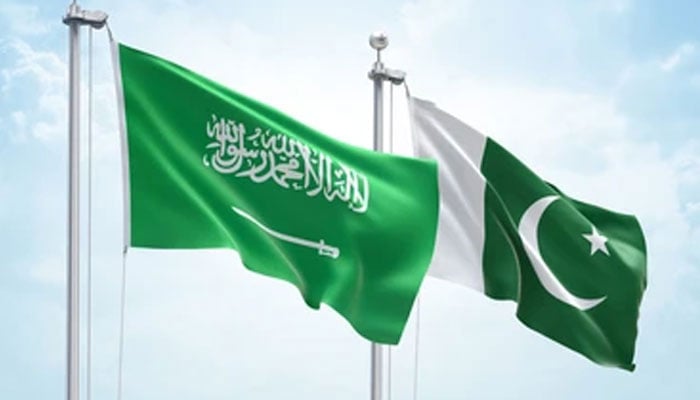
Senior Saudi diplomat Major General (Retired) Rajeh Al-Buqami will take charge as Saudi Arabia’s new ambassador to Pakistan, succeeding Nawaf bin Saeed Al-Malki.

The appointment marks a new phase in Saudi-Pakistan diplomatic relations, with Al-Buqami expected to strengthen cooperation and further deepen the longstanding ties between the two brotherly countries.

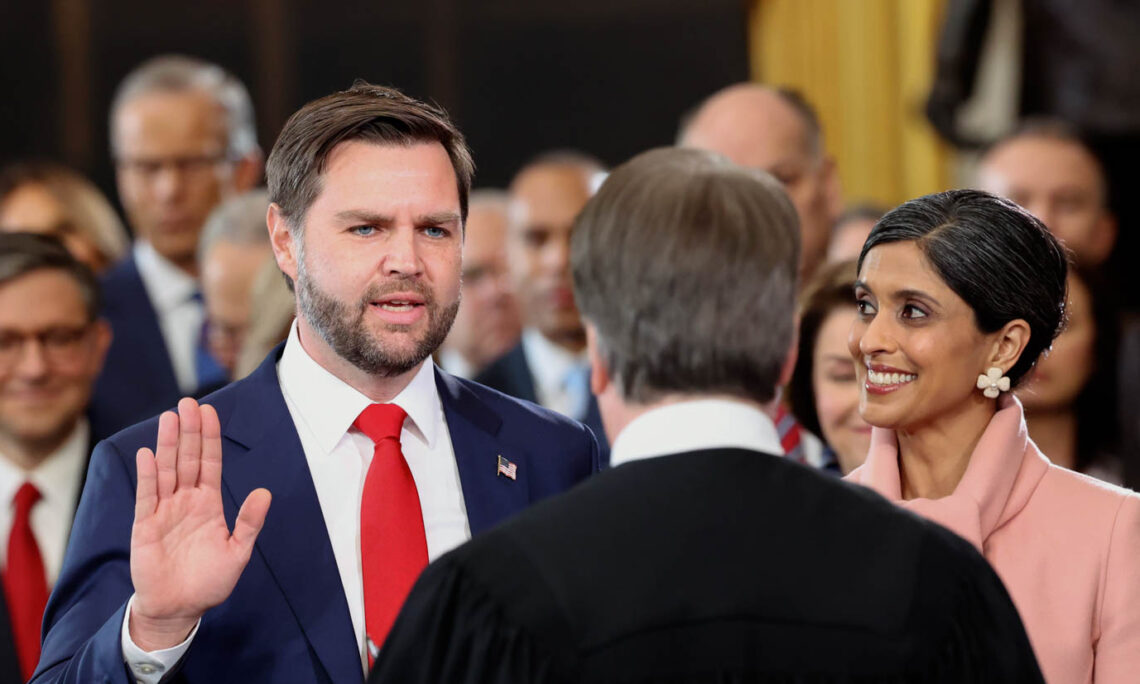
Al-Buqami formally took the oath of office alongside several other Saudi ambassadors appointed to represent the Kingdom in various friendly and brotherly countries. The appointments reflect Saudi Arabia’s ongoing efforts to reinforce its diplomatic engagement and expand relations with partner nations.

The new ambassador is expected to focus on advancing bilateral cooperation in areas of mutual interest and maintaining the close diplomatic and strategic relationship between Saudi Arabia and Pakistan.

Similar Posts

  • |

    US and Asian chip stocks fall after report of Chinese semiconductor breakthrough

    Shares of major semiconductor companies dropped sharply on Monday after a report suggested that a Chinese firm has made significant progress in developing advanced chipmaking equipment. The news raised concerns among investors that China could reduce its reliance on foreign technology and strengthen its position in the global semiconductor industry. The market reaction followed a report by The Information, which said Shanghai Yuliangsheng is producing immersion deep ultraviolet lithography machines. These machines use ultraviolet light to carve extremely small circuits onto silicon wafers, a key step in manufacturing modern computer chips. Neither Shanghai Yuliangsheng nor related companies SiCarrier and Huawei responded immediately to requests for comment. However, the report was enough to unsettle investors, who fear that China’s progress in chip manufacturing could reshape competition in the technology sector. If the reported breakthrough proves successful, China could reduce its dependence on Dutch company ASML, the world’s leading supplier of advanced lithography equipment. ASML’s exports are subject to strict restrictions, limiting China’s access to some of the most advanced chipmaking technology. Developing its own DUV lithography machines would allow China to expand domestic chip production and accelerate the development of more powerful processors. Industry analysts believe this could help Chinese technology companies narrow the gap with leading American semiconductor manufacturers. The development is also seen as important for China’s artificial intelligence industry. Improved access to advanced chips would strengthen the country’s AI capabilities and help Chinese companies compete more closely with leading US firms developing cutting edge AI models. The report triggered heavy selling across the US technology sector. Shares of AMD fell by as much as eight percent during trading, while Nvidia dropped nearly five percent. Micron Technology also lost around five percent, and Intel declined about 3.7 percent as investors reassessed the competitive outlook for the semiconductor industry. The decline spread quickly to Asian markets on Tuesday. South Korea’s stock market suffered steep losses as concerns over the future of the AI industry combined with the reported Chinese breakthrough. The Kospi index plunged more than 10 percent to its lowest level since April. Major South Korean chipmakers were among the hardest hit. Shares of SK hynix and Samsung Electronics each fell by around 12 percent as investors worried that stronger competition from China could affect future earnings and market share. Japan’s technology sector also came under pressure. The Nikkei 225 index dropped more than four percent, while leading technology companies including Advantest, Kioxia and Tokyo Electron each lost more than 10 percent during trading. The sharp decline across global markets highlights how closely investors are watching developments in the semiconductor industry. As countries compete to secure leadership in chip production and artificial intelligence, even reports of technological advances can have an immediate impact on stock markets and reshape expectations for the future of the global technology sector.

  • |

    Abdullah Shafique exits GSL to join Pakistan Test team

    Pakistan opener Abdullah Shafique has been released by Lahore Qalandars from the ongoing Global Super League (GSL) to join the national Test squad ahead of the team’s first Test assignment against the West Indies. The right-handed batter was originally part of Lahore Qalandars’ squad for the GSL campaign in Guyana. However, the franchise has confirmed his departure after his final appearance in the tournament, allowing him to link up with Pakistan’s Test squad in Trinidad and Tobago. To fill the vacancy left by Shafique, Lahore Qalandars have signed Bangladesh batter Shamim Hossain for the remainder of the Global Super League. The left-handed all-rounder is expected to strengthen the team’s middle order as the tournament enters its crucial stages. Shafique featured in Lahore Qalandars’ last match against the Guyana Amazon Warriors before leaving the competition. In that fixture, he played a quick cameo, scoring 21 runs off just 13 deliveries. His aggressive knock provided valuable momentum during the innings before he departed to fulfill his national team commitments. Following the conclusion of his GSL duties, Shafique is set to travel to Trinidad and Tobago, where Pakistan’s Test squad is currently preparing for its upcoming red-ball challenge against the West Indies. The 25-year-old has been drafted into the Test squad as a replacement for the injured Abdullah Fazal, who has been ruled out due to injury. His inclusion adds experience to Pakistan’s batting lineup, particularly at the top of the order, where he has previously delivered several important performances in Test cricket. Shafique has established himself as one of Pakistan’s dependable red-ball batters since making his Test debut. Known for his solid technique and temperament, he has played key innings in overseas conditions and remains an important part of Pakistan’s long-term plans in the format. His return to the national setup comes at an important time as Pakistan prepare for a challenging Test series in the Caribbean. The team management will hope his recent competitive cricket in the Global Super League helps him make a smooth transition into the Test environment. Meanwhile, Lahore Qalandars will continue their GSL campaign with Shamim Hossain replacing Shafique in the squad. The franchise will be aiming to maintain its momentum as it competes for a place in the knockout stage of the tournament. The Global Super League has featured several international stars this season, providing players with valuable match practice before returning to national duties. Shafique’s early exit from the competition highlights the priority given to international commitments, with Pakistan keen to have a full-strength squad available for the upcoming Test series against the West Indies. His move from franchise cricket back to international cricket marks another important step as Pakistan look to build a strong lineup for the remainder of their Test campaign.

  • Pakistan says no date fixed yet for new US-Iran talks

    President Donald Trump lashed out on Monday after Iran denied it was holding talks with the United States. He declared in an angry social media post that the American military blockade would continue until there was a deal or what he called total surrender. Trump called Iran duplicitous for openly saying it was not negotiating. He wrote that whether Iran wants to admit it or not, the two sides are talking about a problem that Iran has caused for decades. His post came after Iran denied direct talks were happening, even though Trump had said talks would occur when he called off a threatened bombing campaign over the weekend. Iran’s foreign ministry said on Monday that its only talks were with Oman, focused on sharing control of the Strait of Hormuz, a critical route for global oil trade. Trump insisted Iran had asked for talks, but was now giving what he called usual excuses about controlling Hormuz. He said the strait is already fully controlled by the US Navy, and that nothing would pass through unless Iran agreed to a deal or surrendered completely. Trump launched the war against Iran together with Israel in February. The original goals included destroying Iran’s nuclear industry and missile programs. Pakistani officials told Turkish news agency Anadolu that no date or location has yet been finalised for the resumption of direct US-Iran talks. A senior Pakistani official said no meeting is scheduled in Islamabad within the next day. Pakistani and Qatari mediators remain in contact with both Washington and Tehran to arrange the next round of talks. Interior Minister Mohsin Naqvi is expected to visit Tehran soon to discuss reviving negotiations under the Islamabad Memorandum of Understanding, which was signed on June 17. Sources said the first phase of talks would focus on restoring the ceasefire and returning to the situation before hostilities resumed on July 9, rather than addressing the nuclear issue immediately. Under one proposal, Iran would reopen the Strait of Hormuz while the US would lift its blockade of Iranian ports. According to a CNN report, a senior US Central Command officer sent an email to military analysts asking for creative and unconventional ideas to pressure and punish Iran. This unusual request suggests Washington may have limited options left to force Iran into an agreement. Iranian Foreign Ministry spokesperson Esmaeil Baghaei repeated that Iran is not holding any current talks with the US. He said reaching an agreement with Oman would not be enough to reopen the strait as long as what he called American aggression continues. He also said the Strait of Hormuz will never return to its pre-war state. Tensions on the ground continued to rise. Iran’s Revolutionary Guard said it shot down a US drone over the Strait of Hormuz. Several oil tankers rerouted away from the Bab al-Mandab Strait to avoid attacks by Yemeni forces, adding millions of dollars to shipping costs. An explosion was also reported near a tanker off the coast of Oman. Israel launched two days of naval and ground military drills as regional tensions grew. Separately, Israel continued attacks on southern Lebanon despite an existing ceasefire, targeting several towns with drones and artillery. Iran also announced it had executed two people accused of spying for Israel’s Mossad intelligence agency. Meanwhile, Iran’s foreign minister held phone calls with Saudi Arabia and Pakistan’s military chief to discuss ongoing diplomatic efforts in the region.

  • |

    NHM begins Independence Day celebrations in Lahore

    Lahore — The National History Museum (NHM) commenced its commemorative programmes for Pakistan’s 79th Independence Day with a series of curated events. The programme began with a multi-generational panel discussion, “Making of Home: Memory, Migration, and New Beginnings,” featuring renowned human rights activist and poet Harris Khalique, award-winning filmmaker Jawad Sharif, and educator and social development practitioner Dr Shireen Zafarullah. The discussion was moderated by academic and BNU Senior Lecturer Saadia Ahmad. The discussion reflected on the experiences of the first generation, who experienced displacement firsthand and grew up in its immediate aftermath; the second generation, who established families, careers, and communities in the cities shaped by Partition; and the third generation, which continues to shape Pakistan through emerging fields including technology, business, and culture. A high point of the celebrations was a dramatic reading of letters from the 1947 Partition exchanged between families, performed by artist Adeel Afzal. The performance brought the audience personal accounts and lived experiences from 1947 through the preserved correspondence of those who witnessed the events. The reading received houseful attendance of people from various walks of life. Speaking on the occasion, NHM Director Awais Malik stated, “1947 Partition and Independence continue to be defining factors of our national identity. Preserving and sharing personal memories from these events remains a core mission of the museum.” In accordance with its mandate to preserve and document Pakistan’s national history, NHM also established a Community Digitisation Station, providing visitors with an opportunity to learn digital preservation of family photographs, documents, and other historical materials. The initiative seeks to recognise personal and family archives as an important component of the country’s broader historical identity. The Independence Day commemorations will continue on 14 August, when NHM will remain open during extended hours and offer exclusive Night Tours in addition to its regular museum experience. The Community Digitisation Station and a range of educational and interactive activities will remain available for children and families.  

  • |

    Bangladesh make history, overtake India in WTC table

    DARWIN: Bangladesh’s stunning nine-wicket victory over Australia in Darwin has not only delivered a landmark moment for the team but also lifted them above India in the ICC World Test Championship 2025-27 standings. Bangladesh secured their first-ever Test victory over Australia, doing so on Australian soil in a result that sent a strong message across the Test cricket world. The win also produced a significant shift in the World Test Championship points table. Australia remain at the top despite suffering their second defeat of the current cycle, holding a points percentage of 77.78. South Africa are second with 75 per cent, while New Zealand sit third on 72.22 per cent. Bangladesh have now climbed to fourth place with an impressive 66.67 per cent, moving ahead of India, who are fifth with 48.15 per cent. The result gives Bangladesh an important boost as they continue their WTC campaign and adds even greater significance to their historic success in Darwin. Sri Lanka occupy sixth position with 41.67 per cent, followed by England on 24.36 per cent. Pakistan are eighth with 22.22 per cent, while the West Indies remain ninth on 20.83 per cent. For Bangladesh, the victory represents more than just two points or a rise in the rankings. It marks their first Test triumph against Australia and could become one of the defining results of their current World Test Championship campaign. WTC Standings Details Bangladesh Position: 4th place Bangladesh Points Percentage: 66.67% (3 wins from 5 matches) India Position: 5th place India Points Percentage: 48.15% (4 wins from 9 Tests) Historic Milestone: Marked Bangladesh’s first Test win on Australian soil.

  • Senate seeks PM intervention over Khairpur Dates Research Centre

    Islamabad: A major agriculture research project aimed at improving Pakistan’s date production has faced a setback after the proposed Dates Research Centre in Khairpur was excluded from the Public Sector Development Programme 2026 and 2027, prompting the National Assembly Standing Committee on National Food Security and Research to demand immediate reconsideration of the decision. The committee expressed concern that a project designed to improve date farming, develop disease-resistant varieties, increase exports and support farmers was left out due to financial limitations. The matter was discussed during the 29th meeting of the National Assembly Standing Committee on National Food Security and Research, chaired by Syed Hussain Tariq, MNA, at Parliament House Islamabad. Officials informed the committee that the joint project of the Pakistan Agricultural Research Council and Shah Abdul Latif University Khairpur for establishing the Dates Research Centre could not be included in the PSDP 2026 and 2027 because of limited financial resources. The Ministry of Planning, Development and Special Initiatives informed the committee that the Ministry of National Food Security and Research had prioritized only three new development schemes for inclusion in the national development programme, leaving several important projects outside the plan. The committee strongly disagreed with the decision and highlighted the importance of the dates sector for Pakistan’s agriculture and economy. Members noted that Pakistan is among the leading date producers, and a dedicated research centre could help farmers increase production, fight crop diseases, improve quality, develop new varieties and boost the country’s share in international markets. The committee directed the Ministry of National Food Security and Research to formally approach the Ministry of Planning and request a review of the decision. The committee also decided to seek a meeting with the Prime Minister to discuss establishing the Dates Research Centre through cooperation between the Pakistan Agricultural Research Council and Shah Abdul Latif University Khairpur. During the proposed meeting with the Prime Minister, the committee also plans to discuss other major agriculture challenges including wheat imports, setting a fair minimum support price for wheat, providing DAP fertilizer subsidies similar to regional countries and investigating reasons behind wheat shortages despite earlier reports of surplus stocks. The committee said agricultural development requires long term planning and research facilities to support farmers and improve food security. The meeting also reviewed concerns regarding artificial sweeteners and flavored drinks, especially their possible health effects on children, pregnant women and breastfeeding mothers. Officials informed the committee that earlier recommendations were made after findings from the National Institutes of Health highlighted possible health risks linked with excessive consumption of such products. The committee was informed that frequent consumption of artificial sweeteners and flavoured drinks may contribute to health problems, including an increased risk of diabetes and other serious diseases. The committee expressed dissatisfaction over delays in implementing earlier recommendations and directed the Pakistan Standards and Quality Control Authority to urgently review existing regulations. PSQCA was directed to hold a meeting in Islamabad involving committee members, health officials, NIH representatives, mango growers and other stakeholders. The committee instructed that revised standards should include clear product labels, prevention of misleading claims, visible health warnings, proper expiry date information, suitable fruit pulp requirements and regulations for plastic bottle usage. The National Institutes of Health was also directed to provide scientific evidence regarding health impacts and international guidelines to help improve the regulatory framework.

Leave a Reply

Your email address will not be published. Required fields are marked *