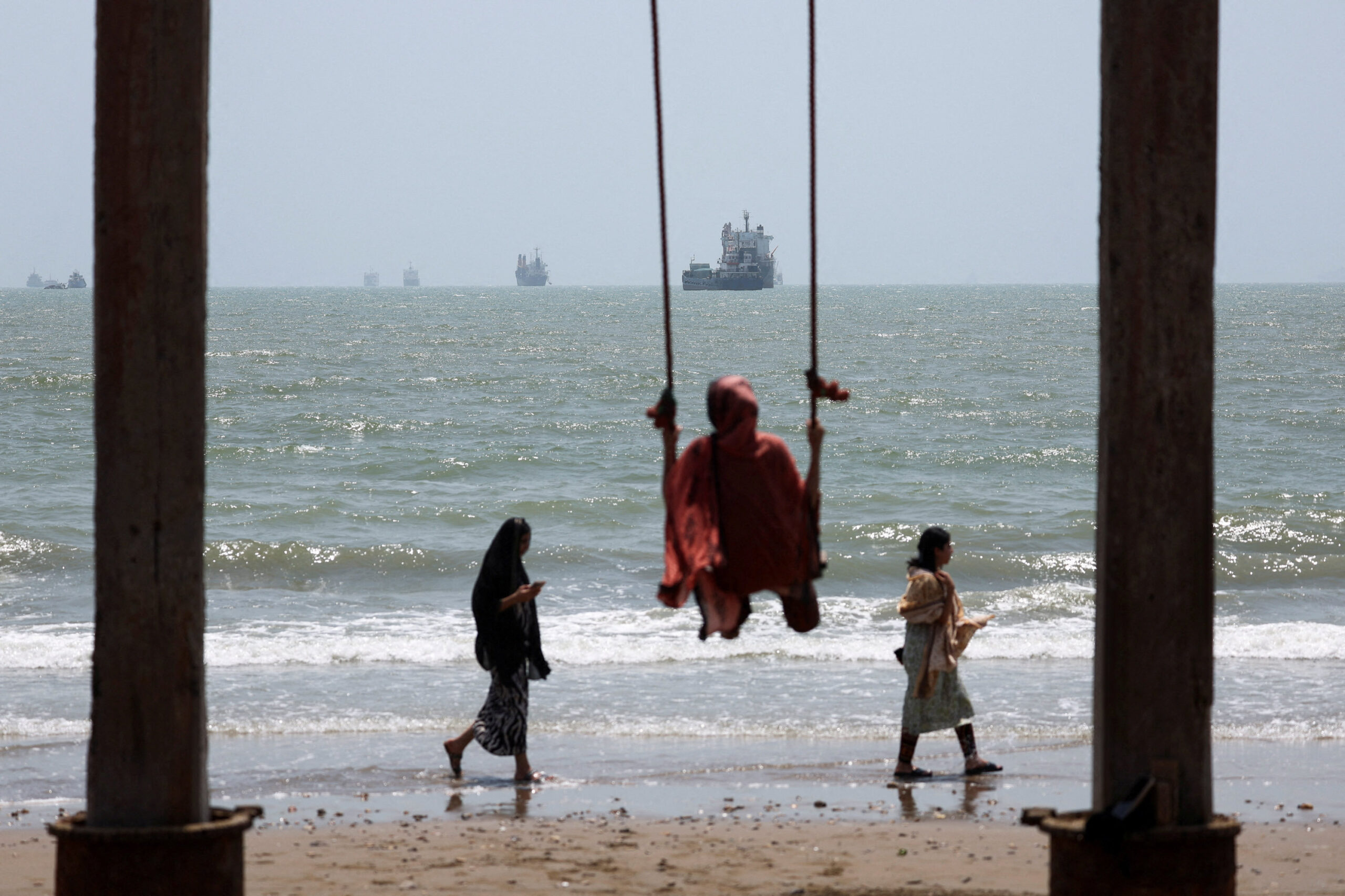
week photos august
|

The week in photos: August 22-28, 2026

MANILA, Philippines — A wall of ice, mud and rock collapsed into a mountain river on the Himalayan border of Nepal and China’s Tibet on August 26, triggering catastrophic flooding on the Nepali side that killed scores of people and left hundreds of tourists missing.

A Filipino is among those who are missing based on a list by the Nepal Tourism Board on August 27. The list only provided the numbers and countries of origin of the missing but not their identities. Other countries with missing nationals are Malaysia, Ukraine, Australia, Britain, Canada, South Korea, Singapore, Germany, Russia, South Africa, Latvia, Japan, and New Zealand.

On August 26, Meta Platforms agreed to pay a maximum $16.68 billion and make major changes to Facebook and Instagram to resolve claims by states across the US that the company designed those platforms to addict children, misled consumers about their safety and improperly collected children’s personal data.

The settlement resolves claims brought by 29 US states, and will end a federal trial that had been one of the highest-profile tests yet. Meta will impose daily usage limits and restrict nighttime usage by children who use Facebook and Instagram, and enhance measures to prevent children from accessing age-restricted content. But whistleblower Arturo Bejar and other experts say that the measures aren’t enough.

Meanwhile, the prosecution flagged Vice President Sara Duterte’s request for P125 million in confidential funds in 2022, made before her office even came up with a written plan. This was confirmed by Lemuel Ortonio, assistant chief of staff at the Office of the Vice President, during private prosecutor Mae Divinagracia’s direct examination of the hostile witness on August 25.

Catch more stories in these photos from the week that was:

Pope Leo visits Rimini

People wait for Pope Leo at the port of Rimini, during his pastoral trip in Rimini, Italy, on August 22, 2026. PHOTO BY CLAUDIA GRECO/REUTERS

Re-enactors take part in an event to mark the 250th anniversary of the Battle of Brooklyn during the War for U.S. independence in New York

Re-enactors take part in an event to mark the 250th anniversary of the Battle of Brooklyn during the War for US independence, in Brooklyn, New York, on August 22, 2026. PHOTO BY ANGELINA KATSANIS/REUTERS
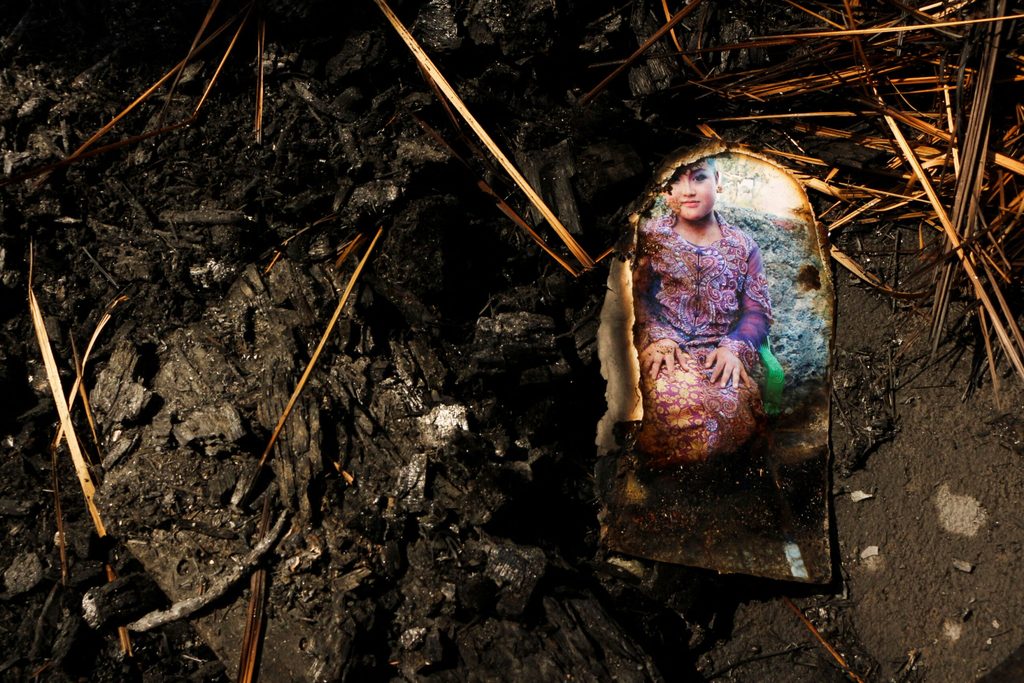
Sade village that caught fire in Lombok

A portrait of a woman wearing traditional clothes lies on the ground in the aftermath of a fire at Sade, a traditional Sasak village that caught fire overnight in Lombok, West Nusa Tenggara province, Indonesia, on August 23, 2026. STRINGER PHOTO VIA REUTERS

German finger-pulling (Fingerhakeln) championships in Pflug

A man tries to pull his opponent over the table during the traditional German finger-pulling (Fingerhakeln) championships in Pflug, Germany, on August 23, 2026. PHOTO BY ANGELIKA WARMUTH/REUTERS

World Humanoid Robot Games in Beijing

A humanoid robot gets back up after falling during a kickboxing 40kg class match, at the second World Humanoid Robot Games at the National Speed Skating Oval in Beijing, China, on August 23, 2026. PHOTO BY FLORENCE LO/REUTERS
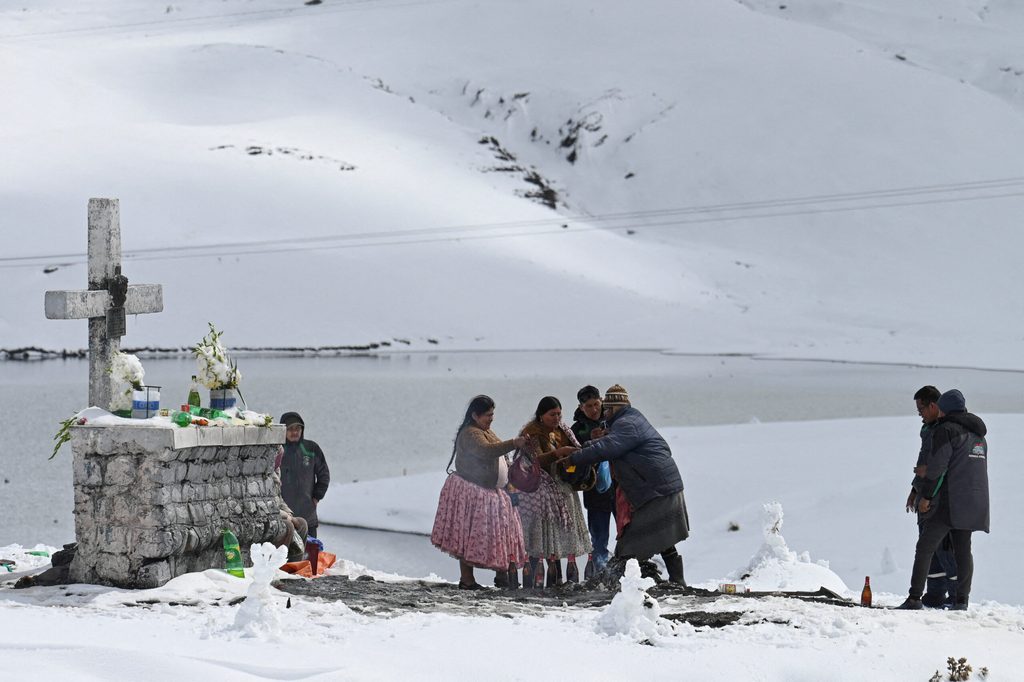
Low temperatures persist in several regions of Bolivia, in La Cumbre

People perform a ritual to Pachamama in the snowfall, as low temperatures affect several regions of the country, in La Cumbre, on the outskirts of La Paz, Bolivia, on August 24, 2026. PHOTO BY CLAUDIA MORALES/REUTERS

Celebrations of Ukraine’s Independence Day in Warsaw

A woman places her hand over her heart during the Ukrainian national anthem at an event marking Ukraine’s Independence Day in Castle Square, Warsaw, Poland, on August 24, 2026. PHOTO BY MATEUSZ/KACZMAREK/REUTERS

Impeachment trial of Vice President Sara Duterte

Counsels for the prosecution and defense examine documents that will be presented to the witness on Day 18 of the impeachment trial of Sara Duterte on August 25, 2026. PHOTO FROM THE SENATE SOCIAL MEDIA UNIT
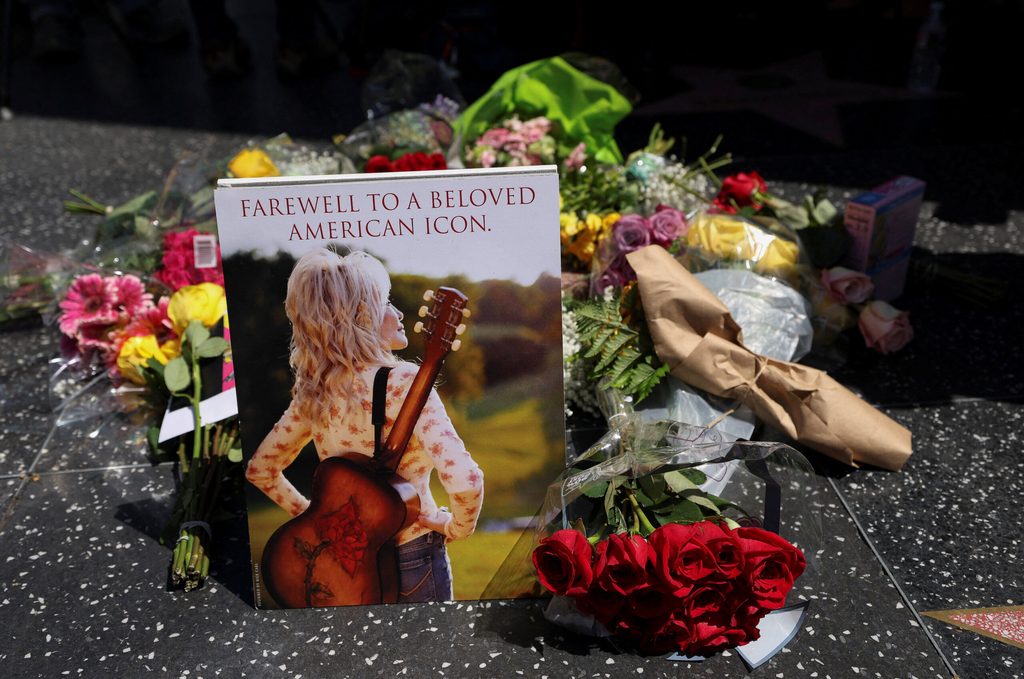
Dolly Parton, queen of country music, dies at 80

Flowers lie at the star of Dolly Parton on the Hollywood Walk of Fame after it was announced that the country music icon dies at 80, in Los Angeles, California, on August 25, 2026. PHOTO BY MARIO ANZUONI/REUTERS

New Zealand tour of South Africa - Lions v New Zealand

New Zealand players perform the haka before the Rugby Union tour of South Africa at Ellis Park Stadium in Johannesburg, South Africa, on August 25, 2026. PHOTO BY SIPHIWE/SIBEKO/REUTERS
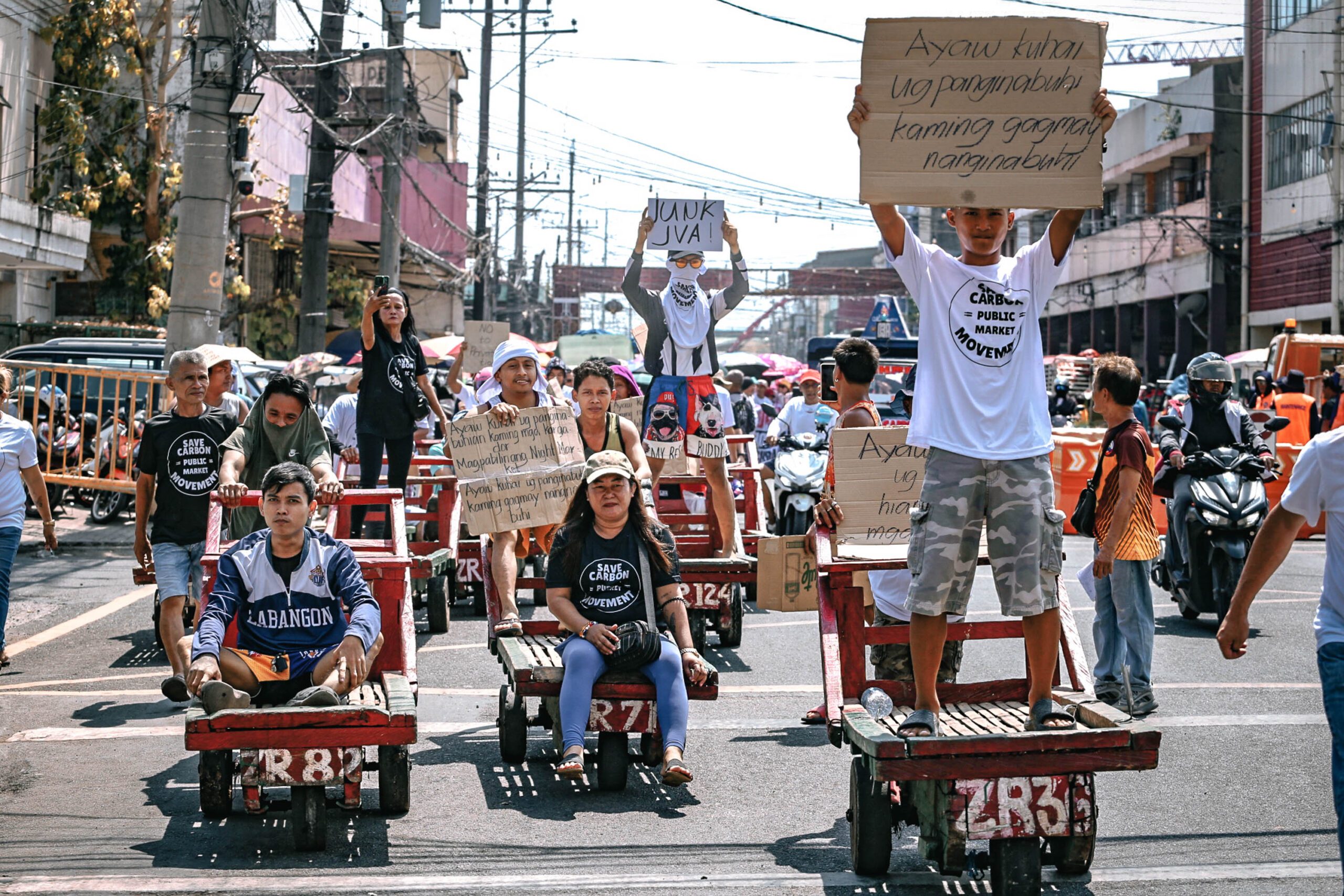
Save Carbon Market protest in Cebu City

Vendors, workers, and consumers, led by the Save Carbon Public Market Movement, ride carts during a protest march calling for the termination or rescission of the Carbon Market Joint Venture Agreement between the Cebu City Government and Megawide/Cebu2World, on August 25, 2026. PHOTO BY JACQUELINE HERNANDEZ/RAPPLER

The annual "La Tomatina" food fight festival, in Bunol

Revellers play in tomato pulp during the annual ‘La Tomatina’ food fight festival in Bunol, Spain, August 26, 2026. PHOTO BY THOMAS PETER/REUTERS

Body Part, Finger, Hand

A resident watches members of the Tenement Visual Artists put the finishing touches on a mural of Philippines tennis ace Alex Eala at the Taguig City Tenement Complex on August 26, 2026. PHOTO BY JIRE CARREON/RAPPLER

Meta agrees to pay $18 billion to settle US lawsuits over children's social media addiction

States’ attorneys and Meta lawyers speak with US District Judge Yvonne Gonzalez Rogers after Meta Platforms agreed to pay up to US$18 billion over the next decade and strictly limit how teenagers use Facebook and Instagram under an agreement with nearly all states to resolve claims it designed those social media platforms to addict children, in Oakland, California, on August 26, 2026. COURTROOM SKETCH PHOTO BY VICKI BEHRINGER/REUTERS
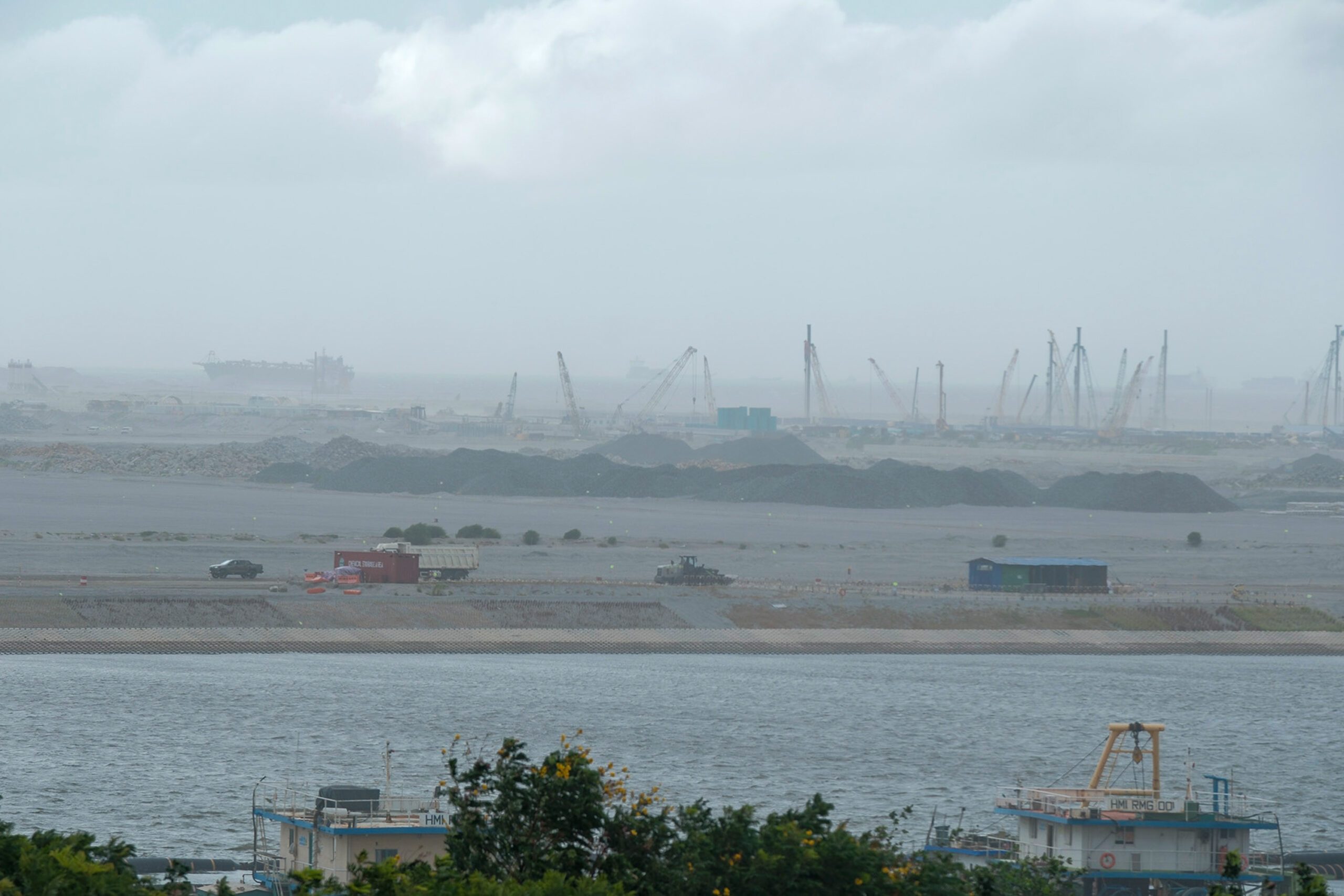
Dust cloud at Manila reclamation area

A thick cloud of dust hovers over the vicinity of the Manila Bay reclamation project during a gust front, in Pasay City on August 26, 2026. PHOTO BY ANGIE DE SILVA/RAPPLER
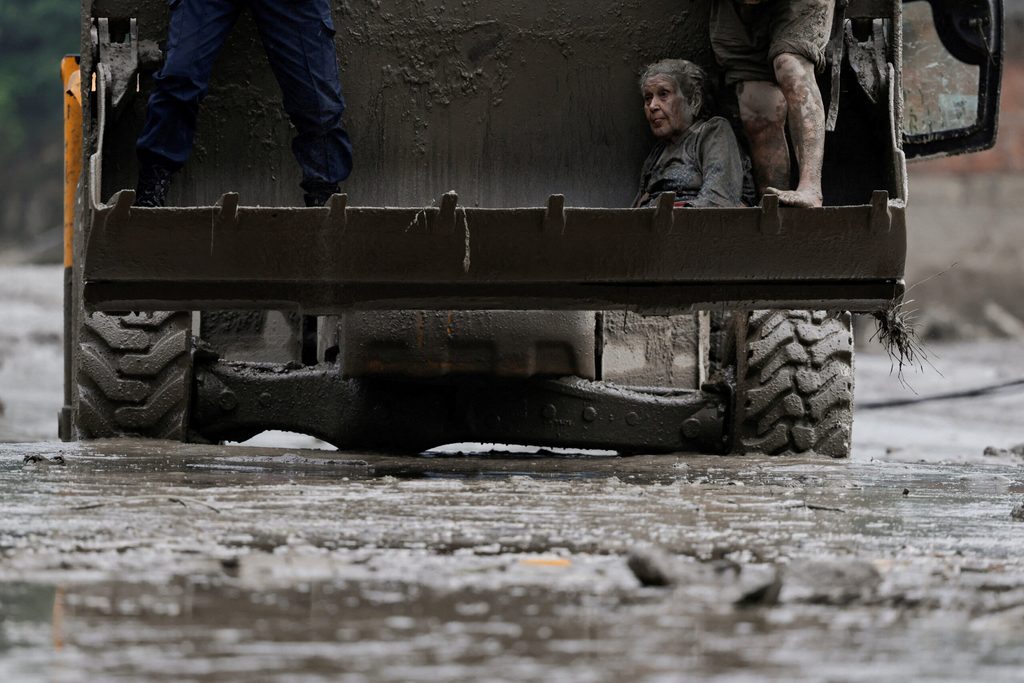
A survivor is transported to a safer place in heavy machinery following a flash flood at Trishuli, Nepal

A survivor is transported to a safer place in heavy machinery following a flash flood at Trishuli in Nuwakot district, Nepal, on August 26, 2026. PHOTO BY NAVESH CHITRAKAR/REUTERS

Lunar eclipse in California

A commercial aircraft takes off during the start of a blood-red lunar eclipse as the moon rises in San Diego, California, on August 27, 2026. PHOTO BY MIKE BLAKE/REUTERS

"March on Washington 2026: Defend the Vote" rally and march for voting rights in Washington

A woman covered in fake blood and holding the scales of Justice demonstrates against political violence during the ‘March on Washington 2026: Defend the Vote’ protest march for voting rights, in Washington DC on August 28, 2026. PHOTO BY EVELYN HOCKSTEIN/REUTERS
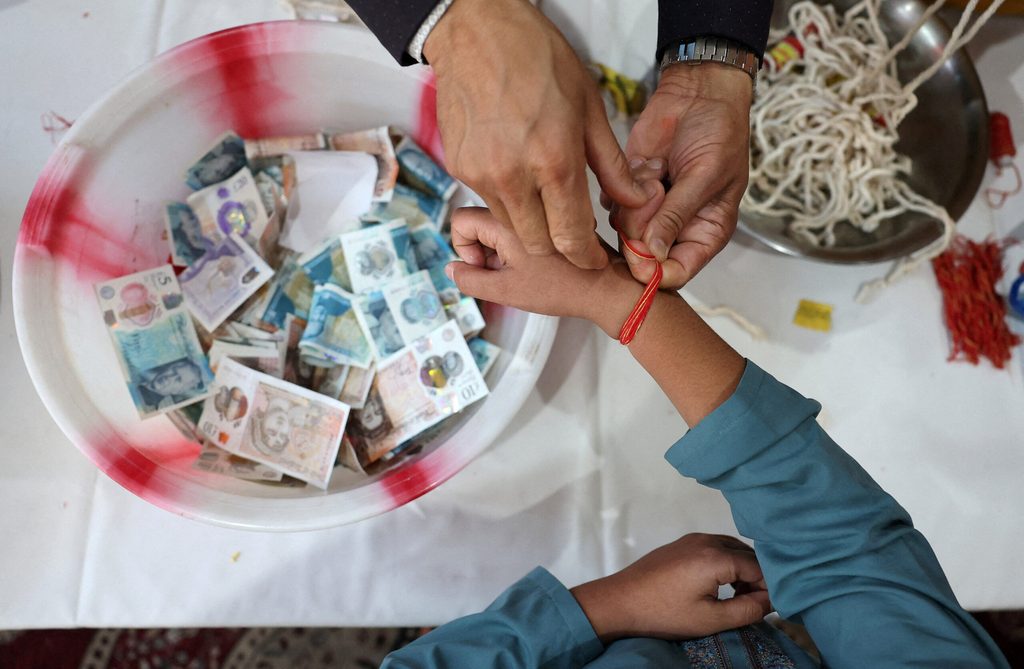
Donations to support relief effort for victims of the flash floods and mudslide that struck Nepal on August 26, at Shree Pashupatinath Temple in London

A boy receives a Rakhi bracelet during the Raksha Bandhan festival, as donations in support of the relief efforts for victims of the flashflood that struck Nepal on August 26, at Shree Pashupatinath Temple and community center in southeast London, Britain, on August 28, 2026. PHOTO BY TOBY MELVILLE/REUTERS

Mourners gather to pay their respects outside the Royal Palace, following the death of Norway’s King Harald, in Oslo, Norway, on August 28, 2026. PHOTO BY CORNELIUS POPPE/NTB VIA REUTERS

with reports from Reuters/Rappler.com

Similar Posts

  • | |

    Spain accuses EU allies of ‘selfish’ r…

    Spain has accused several European Union governments of a selfish and unlawful reaction after nearly 60,000 migrants crossed into the Spanish enclave of Ceuta from Morocco, triggering a wave of statements from EU member states calling for tighter border restrictions. Prime Minister Pedro Sanchez, in a letter addressed to European Commission President Ursula von der Leyen, described the response from unnamed member states as selfish, polarizing and unlawful. According to a report by the British broadcaster, Sanchez said Madrid had restored order within 48 hours, returning most of the migrants to Morocco and preventing them from reaching mainland Europe. The diplomatic dispute was triggered largely by Italy’s response, which included a temporary suspension of visa free travel with Spain under the Schengen arrangement, along with pointed criticism accusing Madrid of encouraging human trafficking by granting citizenship to more than 500,000 people who had entered the country irregularly. Italian Foreign Minister Antonio Tajani wrote on social media that he supports closing the Schengen area to Spain and expressed confidence in the actions of Italy’s interior minister, Matteo Piantedosi. He said uncontrolled and irregular immigration represents a threat to national security, and argued that the situation unfolding in Ceuta demonstrates how Spain’s decision to naturalize large numbers of irregular immigrants was fundamentally wrong and only encourages trafficking. Italy was not alone in calling for a tougher stance. Czech Prime Minister Andrej Babis went further, calling for Spain to be suspended immediately from the 29 member Schengen arrangement. Finland and Denmark also voiced support for stricter border controls in response to the crisis. Notably, Ceuta itself lies outside the Schengen zone, meaning the enclave is not directly governed by the same free movement rules at the center of the diplomatic dispute between Madrid and its European partners. The clash highlights long standing tensions within the European Union over how to handle migration pressure at its external borders, an issue that has repeatedly strained relations between member states with differing approaches to asylum policy, border enforcement and integration in recent years.  

  • | |

    US unveils toughest-ever sanctions push against Ir…

    WASHINGTON: The United States is preparing what Treasury Secretary Scott Bessent described as the toughest sanctions campaign ever imposed on Iran, as Washington seeks to intensify economic pressure on Tehran while potentially reducing the need for further major military action. The announcement came after President Donald Trump warned that countries supporting Iran could face severe economic penalties. Trump said the United States was launching an unprecedented campaign of “economic warfare and isolation” against Iran and threatened consequences for foreign governments, financial institutions and businesses that provide assistance to Tehran. Bessent said the planned measures would target activities linked to Iran’s economy, including oil smuggling, financial transfers, exchange houses, ship registries and front companies. He indicated that maximum economic pressure could reduce the likelihood of a large-scale resumption of military operations. Iran strongly condemned the US strategy, accusing Washington of committing “economic terrorism” and “crimes against humanity.” Its Foreign Ministry argued that sanctions imposed on Iran have harmed the basic rights and livelihoods of ordinary citizens and said those responsible should face legal consequences. The escalating tensions have also affected global energy markets. Oil prices climbed to their highest level in more than three weeks following Washington’s latest threats, amid concerns over disruptions to Middle Eastern oil supplies after months of conflict. Bessent said the administration would provide further details at a press conference on Monday, describing the strategy as a combination of economic sanctions and a US blockade. The announcement signals a major escalation in Washington’s economic campaign against Tehran as both sides remain locked in a deepening confrontation. Moreover, US President Donald Trump has announced a major new economic offensive against Iran. He described the move as the most crushing economic operation ever taken against a country. Trump said the United States would launch an unprecedented campaign to put further economic pressure on Tehran. He also warned countries and entities that continue to support Iran that they could face severe economic consequences. The US president said the campaign was aimed at isolating Iran and cutting off its remaining economic lifelines. He described the policy as economic warfare on an extraordinary scale. Trump warned that any country allowing its financial institutions, businesses, airports or government bodies to provide support to Iran would also face consequences. He specifically pointed to activities such as oil smuggling, cash transfers, exchange houses, shipping networks and front companies. However, Trump did not provide full details of the new measures. He also did not name any specific country that could be targeted for helping Iran. The announcement marks a further escalation in Washington’s pressure campaign against Tehran. The United States has already imposed extensive sanctions on Iran and has been seeking to restrict its access to international markets, foreign currency and oil revenues. Iran is already facing serious economic difficulties. The ongoing conflict, sanctions and disruptions to trade have placed additional pressure on the country’s economy. Reuters reported that Iran has been dealing with high inflation, a weakening currency and declining economic activity. Trump’s latest announcement comes as efforts to resolve the conflict through negotiations remain stalled. The United States has continued to demand major concessions from Iran, while Tehran has maintained its own demands for an end to the blockade and military pressure. The economic campaign could also affect countries and companies that maintain commercial links with Iran. Washington has previously considered measures aimed at countries involved in Iranian trade, particularly activities connected to oil and financial transactions. The development has raised concerns about further pressure on Iran’s economy and the wider regional situation. The conflict has already disrupted trade and shipping through the Strait of Hormuz, a major route for global energy supplies. Meanwhile, Iranian Foreign Minister Abbas Araghchi held a telephone conversation with Field Marshal Syed Asim Munir. During the call, they discussed efforts to find a political and diplomatic solution to the ongoing issues. The contact comes as diplomatic efforts continue alongside growing economic and military pressure. Pakistan has repeatedly emphasized dialogue and diplomacy as the preferred way to address regional tensions

  • | |

    Middle East braces for intense heatwave as tempera…

    DUBAI: A fresh wave of extreme heat is set to grip the Middle East this week, with temperatures forecast to approach 50 degrees Celsius across several countries, prompting weather authorities to issue alerts over dangerous conditions. The UAE’s National Center of Meteorology (NCM) has warned that the coming days will bring soaring temperatures across the region, particularly affecting the United Arab Emirates, Iraq, Kuwait, and eastern Saudi Arabia, where prolonged exposure to the heat could pose serious health risks. According to meteorologists, desert regions in the UAE are expected to experience the highest temperatures, with some areas likely to approach the 50°C mark. Authorities have urged residents to avoid unnecessary outdoor activities during peak afternoon hours and to remain well hydrated. The latest forecasts indicate that Al Shawamekh in Abu Dhabi has already recorded temperatures exceeding 50°C, highlighting the intensity of the current weather conditions. Kuwait is also expected to experience extreme heat, with temperatures predicted to reach 48°C in the coming days, while parts of Iraq and eastern Saudi Arabia are likely to face similarly scorching conditions. Despite the widespread heat, forecasters say some eastern and southern parts of the UAE, including Fujairah, could receive rainfall by Thursday as unstable weather develops over mountainous regions. The weather authority has also issued warnings for strong winds, reduced visibility, and dust storms, which may affect road travel and outdoor activities across several parts of the region. Health experts advise people to stay indoors whenever possible, drink plenty of water, wear light-colored clothing and avoid prolonged exposure to direct sunlight, particularly during midday when temperatures are expected to peak. The renewed heatwave follows a summer of record-breaking temperatures across several parts of the world, with climate scientists warning that extreme weather events are becoming more frequent and intense due to global climate change. Governments across the Gulf have increasingly introduced measures to protect workers and residents during the hottest months, including restrictions on outdoor labor during peak daytime hours and expanded public awareness campaigns on heat-related illnesses. As the latest heatwave builds across the region, authorities continue to monitor weather conditions closely while urging the public to follow official safety advisories. With temperatures expected to remain exceptionally high over the coming days, residents are being encouraged to take extra precautions to minimize the risk of heat exhaustion and heatstroke.

  • |

    13 migrants missing after boat sinks off Tunisia

    TUNIS: At least 13 Tunisians are missing after a migrant boat sank off the country’s coast while attempting to reach Italy, according to a migrant rights official. Two people were rescued following the incident, but one of them was reported to be in critical condition. The head of the Tunisian Observatory for Human Rights, Mostafa Abdelkebir, said the boat had departed early Thursday. One of the survivors told rescuers that the passengers had spent hours stranded at sea after the vessel overturned. Rescue efforts were launched after the boat sank, but the whereabouts of the missing migrants remained unknown. The incident highlights the continuing dangers faced by migrants attempting to cross the Mediterranean in overcrowded or poorly equipped vessels. Tunisia has been a major departure point for migrants seeking to reach Europe, particularly Italy. However, the number of departures from the country has declined significantly over the past two years as authorities have strengthened maritime surveillance and border controls. The tighter measures have received financial and technical support from European countries, particularly Italy, as part of efforts to curb irregular migration across the Mediterranean. The European Union’s migration cooperation with Tunisia has also faced criticism from international rights organisations. Human Rights Watch, Amnesty International and other humanitarian groups recently accused the EU-Tunisia arrangement of contributing to serious abuses against migrants and asylum seekers. The organisations have urged the EU to suspend funding for migration and border-control operations involving Tunisian security forces. Tunisian authorities have defended their position, saying the country is facing intense pressure from the growing number of migrants attempting to use its territory as a route towards Europe. The central Mediterranean remains one of the most dangerous migration routes in the world. Migrants from African and Middle Eastern countries frequently attempt the journey in boats that can be overcrowded, poorly maintained or unsuitable for long sea crossings.

  • |

    Over 80,000 flee as escalating wildfires ravage south-west France and Spain

    More than 80,000 people have been forced to flee their homes and holiday accommodation across south-west France and central Spain as fierce, uncontained wildfires continue to sweep through the region. Fanned by relentless winds and intense heatwave conditions, the blazes have triggered national emergency declarations and prompted urgent requests for international military and civilian aerial support. In France, authorities ordered the total evacuation of the Cap Ferret peninsula on the Atlantic coast as a vast wildfire in the Gironde department consumed over 12,500 hectares of forest and destroyed at least 80 homes. With the main access road threatened by advancing flames, hundreds of residents and holidaymakers were evacuated by sea using ferries and local boats. A secondary blaze further south near Biscarrosse has burned an additional 2,500 hectares, leaving coastal emergency services struggling to contain the perimeter. Across the border in Spain, the central government declared a national emergency after two massive blazes merged outside Madrid and threatened to join a third active fire in the neighbouring province of Ávila. Over 19,000 people were evacuated overnight across affected municipalities as thick acrid smoke reached the capital’s outskirts. Spanish officials described the convergence of high temperatures, parched terrain, and strong winds as an unprecedented crisis for the region. Both nations have activated the European Union’s Civil Protection Mechanism to request specialized firefighting aircraft, with reinforcements deployed from Portugal, the Czech Republic, Croatia, and Slovakia. Environmental scientists highlight that Europe is warming at roughly twice the global average rate, warning that prolonged droughts and extreme seasonal weather patterns are driving wildfire destruction to historic levels across the continent.

  • | |

    Typhoon Noul hits China, 715,000 evacuated

    Typhoon Noul has made landfall in southern China, bringing powerful winds and heavy rainfall to Guangdong province and neighbouring Hong Kong. The storm reached the coast of Huidong county in Huizhou, Guangdong, at around 3:50am local time on Sunday, according to China’s weather authorities. Noul was reported to be the strongest typhoon to make landfall in China so far this year. Authorities warned that heavy rain and strong winds could continue across parts of southern Guangdong and southeastern Fujian. More than 715,000 people in Guangdong had been moved to safer locations by early Sunday as authorities stepped up preparations for the storm. The number was more than double the evacuation figure reported a day earlier. The typhoon brought winds of up to 110 kilometres per hour near its centre as it moved inland across Guangdong. Weather officials said the storm would gradually weaken after making landfall, but dangerous weather conditions were expected to persist. Strong winds caused damage in several areas. Trees were uprooted in coastal Huilai county, while sections of scaffolding attached to a high-rise building in Hong Kong collapsed as Noul approached. Initial reports indicated that nobody was injured in the scaffolding incident. The storm also severely disrupted air travel. Hong Kong’s airport authorities said around 350 flights were cancelled on Sunday because of the adverse weather. At least nine people were injured in Hong Kong during the typhoon period, according to local authorities. The storm also affected Taiwan, where authorities reported rainfall in parts of the southern and eastern regions. Noul was moving away from the island after passing over waters to its south. China has faced several major tropical storms this month. Typhoon Bavi struck eastern China on July 11 after authorities evacuated more than two million people. Tropical Storm Maysak made landfall in southern China on July 3.

Leave a Reply

Your email address will not be published. Required fields are marked *