week photos july
|

The week in photos: July 25-31, 2026

MANILA, Philippines — On July 27, President Ferdinand Marcos Jr. delivers his longest and most populist State of the Nation Address to date. He started by announcing forthcoming charges against cousin, former House speaker Martin Romualdez, and ends in a nationalist message to both friends and “detractors.”

On July 29, the 10th day of Vice President Sara Duterte’s trial, two bank officials took the witness stand and said they found her office’s encashment of large funds “unusual.” Violeta Constantino and Nenita Camposano, former branch managers of Land Bank of the Philippines, were the prosecution’s first witnesses as it began presenting its case on Duterte’s alleged misuse of confidential funds.

On July 30, the Senate impeachment court received Vice President Sara Duterte and husband Mans Carpio’s tax-related documents from the Bureau of Internal Revenue and financial records from several banks following President Ferdinand Marcos Jr.’s approval. The financial records are among the pieces of evidence that House prosecutors intend to use to prove Duterte’s alleged unexplained wealth.

Meanwhile, a magnitude 7.1 earthquake hit Japan‘s southern Kumamoto prefecture on July 28, knocking out power to thousands of homes, rupturing roads and injuring a number of people, including some trapped inside a partially collapsed shopping mall.

Catch more stories in these photos from the week that was:
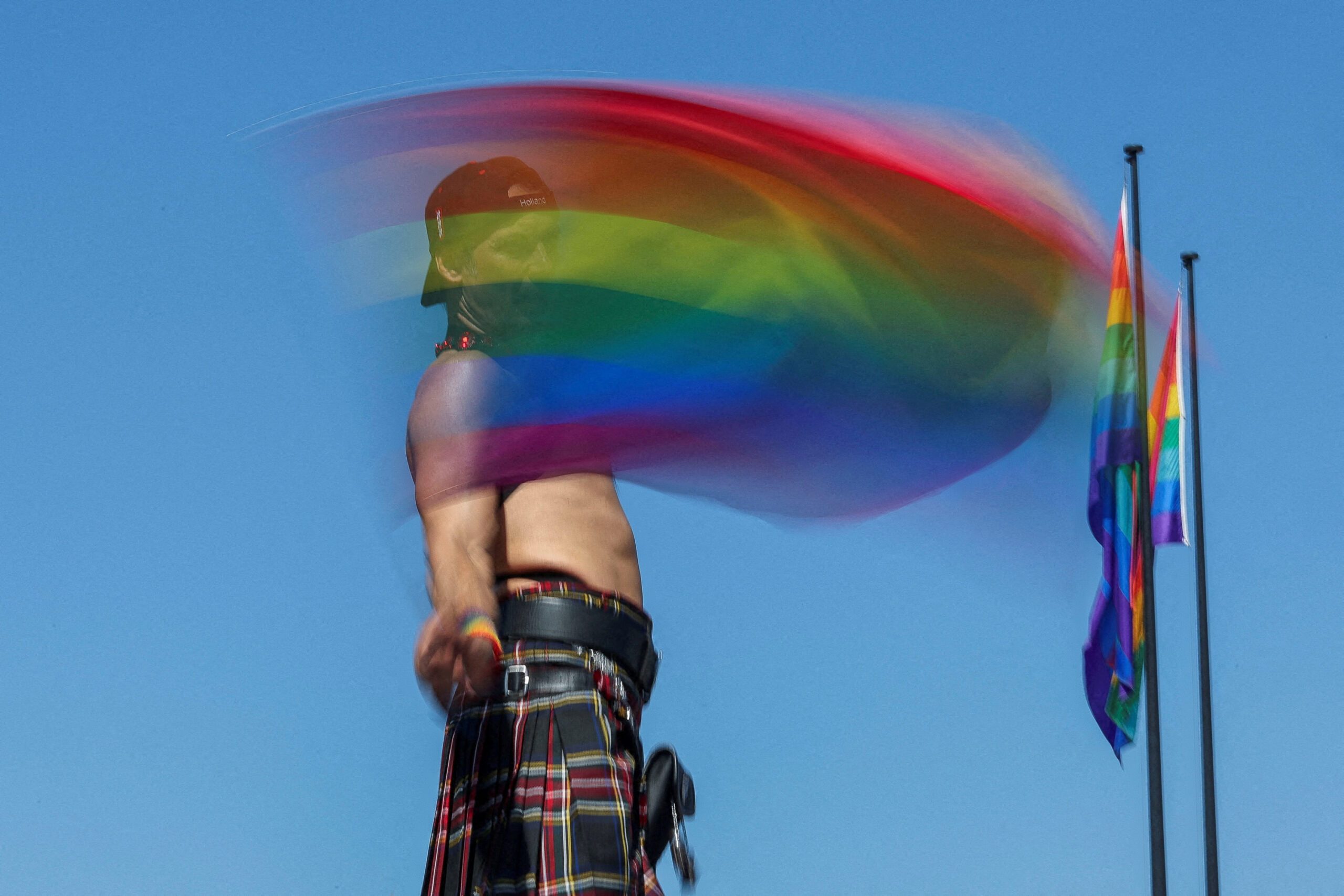
Christopher Street Day (CSD) LGBT Pride demonstration, in Berlin

A reveller holds a rainbow flag during the annual Christopher Street Day (CSD) LGBT Pride demonstration, in Berlin, Germany, on July 25, 2026. PHOTO BY MARYAM MAJD/REUTERS

Family, friends and teammates at the funeral service for the late South African soccer star, Jayden Adams, in Cape Town

Jayden’s brother, Ronaldo Adams, reacts at the funeral service for the late South African soccer star, Jayden Adams, at the Coetzenburg Centre in Cape Town, South Africa, on July 25, 2026. PHOTO BY ESA ALEXANDER/REUTERS

Airbus A400M makes its first-ever drop over the wildfire near Lacanau

An Airbus A400M makes its first-ever drop over the wildfire near Lacanau, amongst worsening drought conditions following a heatwave and water shortages across much of France on July 25, 2026. PHOTO BY ABDUL SABOOR/POOL VIA REUTERS

Tour de France

Pro cyclists pedal past the Arc de Triomphe during the final stage of the Tour de France in Paris on July 26, 2026. PHOTO BY GONZALO FUENTES/REUTERS

World premiere for the film Spider-Man: Brand New Day in Los Angeles

Cast member Sadie Sink attends the world premiere for the film Spider-Man: Brand New Day in Los Angeles, California, on July 27, 2026. PHOTO BY MARIO ANZUONI/REUTERS

Malaysia PM orders action against Rohingya Muslims gathered in front of the U.N. Refugee Agency office

Rohingya refugees sit inside a truck as they are taken by police in front of the office of the UN Refugee Agency after being evicted from their homes, in Kuala Lumpur Malaysia, on July 27, 2026. PHOTO BY HASNOOR HUSSAIN/REUTERS

Ferdinand Marcos Jr SONA

The Philippine flag is reflected on a transparent panel as President Ferdinand Marcos Jr. delivers his fifth State of the Nation Address at the House of Representatives on July 27, 2026. PHOTO FROM BONGBONG MARCOS FACEBOOK

SONA Protest

Militant activists gather along Commonwealth Avenue in Quezon City to hold the “People’s SONA” on July 27, 2026, to counter President Ferdinand Marcos Jr’s State of the Nation Address. PHOTO BY JIRE CARREON/RAPPLER

Tribute and memorial service for former U.S. Senator Lindsey Graham in Washington

The casket of late Senator Lindsey Graham is brought into the US Capitol Rotunda on the day of a Congressional tribute in Washington DC on July 28, 2026. KENNY HOLSTON/POOL VIA REUTERS

People pose for pictures along the Pink Wall on Melrose Avenue

People pose for pictures along the Pink Wall on Melrose Avenue in Los Angeles, California, on July 28, 2026. PHOTO BY DANIEL COLE/REUTERS

Hot weather as near drought conditions continue in many parts of the UK, in London

A person uses an umbrella to shield from the sun as they pose for a picture opposite the Elizabeth Tower and the Houses of Parliament in London, Britain, on July 29, 2026, whilst near drought conditions continue in many parts of the UK. PHOTO BY TOBY MELVILLE/REUTERS

Buck full moon rises over the Poseidon Temple in Sounion, Greece

A full moon known as the “Buck Moon” rises behind the ancient Temple of Poseidon at Cape Sounion in Athens, Greece, on July 29, 2026. PHOTO BY LOUIZA VRADI/REUTERS
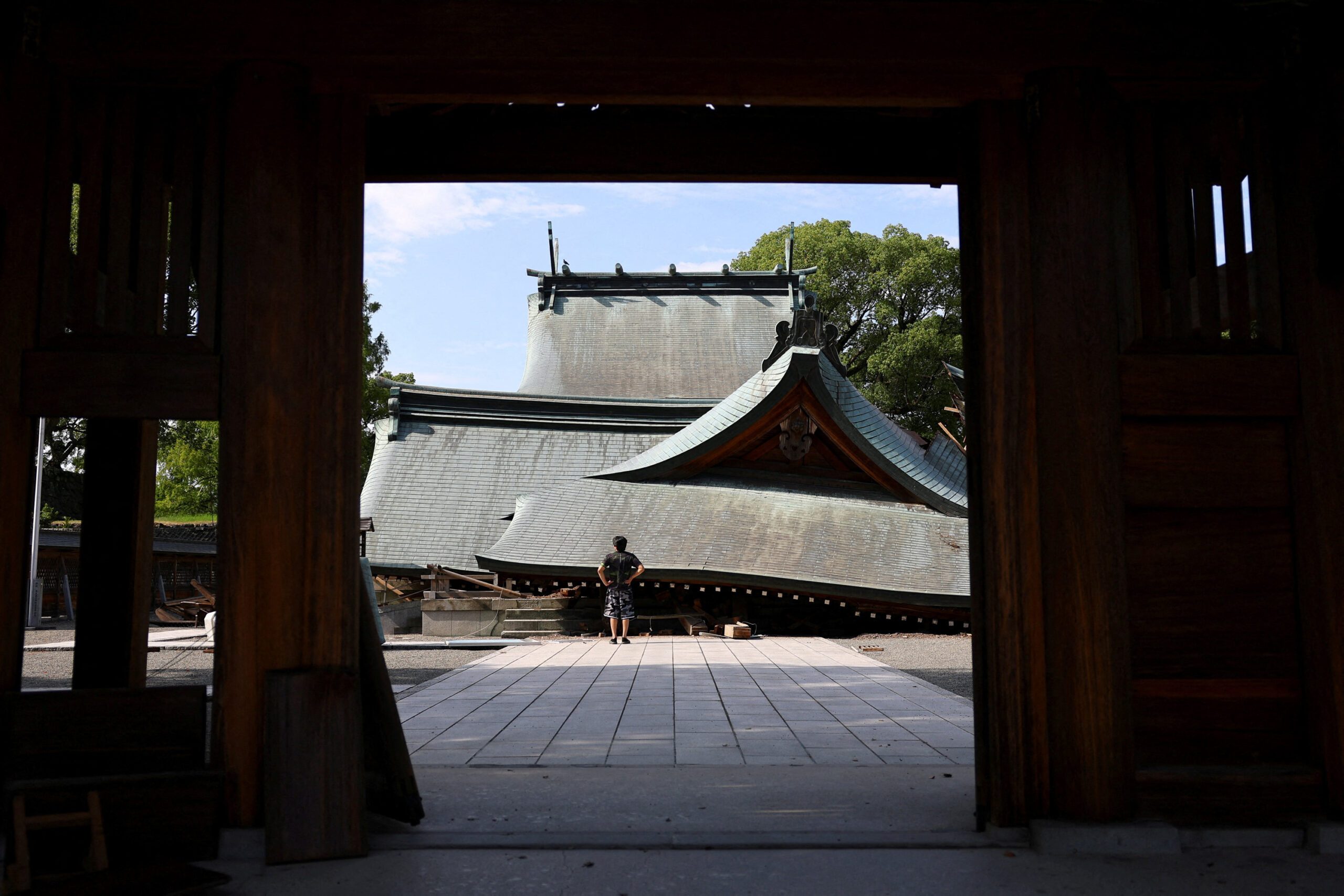
Aftermath of earthquake in Yatsushiro

The worship hall of Yatsushiro Shrine collapsed after an earthquake with a magnitude of 7.1 struck Yatsushiro City in Japan’s southern Kumamoto prefecture on July 29, 2026. PHOTO BY ISSEI KATO/REUTERS

Impeachment trial of Vice President Sara Duterte

A cheque issued by the Office of the Vice President is shown on screen as former Landbank manager Violeta Constantino testifies during the tenth day of Sara Duterte’s impeachment trial on July 29, 2026. PHOTO FROM THE SENATE SOCIAL MEDIA UNIT

Impeachment court receives Duterte bank records

Sealed boxes containing financial and tax records of Vice President Sara Duterte and husband Atty. Manases Carpio piled the Office of the Clerk of Court as the Senate impeachment court receives documentary submissions in compliance with formal subpoenas, on July 30, 2026. PHOTO FROM THE SENATE SOCIAL MEDIA UNIT

Father and daughter mourn the loss of family members who were killed when the roof of their home collapsed in Lahore

A father and daughter mourn the loss of family members who were killed when the roof of their home collapsed in Lahore, Pakistan, on July 30, 2026. PHOTO BY MURTAZA ALI/REUTERS

A banner with a picture of U.S. President Donald Trump next to an Iranian missile system at Azadi Square in Tehran

A banner with a picture of US President Donald Trump next to an Iranian missile system is displayed at Azadi Square, as major gulf fighting restarts, in Tehran, Iran, on July 30, 2026. PHOTO BY MAJID ASGARIPOUR/WANA VIA REUTERS

World Fencing Championships

Gold medallists France’s Remi Garrigue, Sebastien Patrice and Maxime Pianfetti celebrate winning the Men’s Team Sabre Final in the World Fencing Championships at AsiaWorld-Expo, Hong Kong, on July 30, 2026. PHOTO BY TYRONE SIU/REUTERS

SB19 at Lollapalooza watch party

Fans of P-pop group SB19 flocked to the Lollapalooza watch party at the Rizal Park Open Air Auditorium in Manila past midnight on July 31, 2026. PHOTO BY RAPPLER

Migrants gather in Fnideq

Migrants gather near a fence while waiting for a chance to cross to the Spanish enclave of Ceuta, on the Moroccan side of the border in Fnideq, Morocco, on July 31, 2026. PHOTO BY AHMED EL JECHTIMI/REUTERS

with reports from Reuters/Rappler.com
Similar Posts

  • |

    7.4-magnitude quake hits Colombia, killing 26

    A powerful earthquake struck western Colombia on Monday, leaving at least 26 people dead and causing widespread damage across several cities. The United States Geological Survey recorded the earthquake at magnitude 7.4. It struck at around 7:34am local time, with its epicentre near San José del Palmar in the Chocó region at a depth of about 107 kilometres. The tremor was felt across much of Colombia and in neighbouring Venezuela, Ecuador and Panama. Authorities warned residents to remain alert as aftershocks were recorded following the main earthquake. Local officials reported deaths in several parts of the country. Three children were among those killed in Calima El Darién after a wall collapsed. Other fatalities were reported in Zarzal, Buenaventura, Manizales and Pereira. Pereira officials reported 18 deaths, while authorities in Manizales confirmed additional fatalities. Rescue teams continued assessing the situation as reports of casualties and damage were updated. Cali was among the worst-affected cities. Mayor Alejandro Eder said at least 20 buildings had collapsed, with people reportedly trapped under the rubble. He requested additional rescue personnel from Bogotá and Medellín to assist emergency teams. Residents were urged to leave buildings if they noticed major cracks or believed the structures were unsafe. Serious damage was also reported in Quibdó, the capital of Chocó. Regional authorities said several people were injured and buildings were damaged. Rescue workers were deployed to assess affected areas and search for people who may be trapped. Manizales also suffered significant structural damage. Images and videos showed part of the Cathedral Basilica’s clocktower leaning dangerously. A five-storey building was also seen collapsing as people evacuated nearby areas. The earthquake caused panic in Bogotá, where residents rushed out of homes and workplaces. Emergency sirens sounded across parts of the capital. People gathered in streets as buildings and traffic lights shook during the tremor. Bogotá authorities initially reported cracks in some structures but said there was no immediate indication of major infrastructure damage. The earthquake also disrupted air travel. Colombia’s civil aviation authority suspended operations at several airports after damage was reported at facilities in Pereira, Manizales, Quibdó, Armenia, Cartago and Buenaventura. Operations at Popayán airport were also suspended because of volcanic ash. Officials said the Colombian Geological Service recorded two aftershocks, measuring 2.8 and 4.8. The stronger aftershock was widely felt. Colombian authorities described the earthquake as the strongest recorded in the country in roughly a decade. Emergency agencies continued damage assessments while rescue operations remained underway. President Abelardo De La Espriella said he had taken direct charge of the emergency response. He ordered the creation of a unified command centre to coordinate rescue and relief efforts and said he would travel to Pereira to monitor the situation. The disaster comes less than two months after powerful earthquakes struck Venezuela on June 24. Those quakes killed more than 6,100 people and caused extensive destruction.

  • |

    Finland restricts sea traffic near Russia

    Finland has temporarily closed part of its airspace and restricted maritime traffic along its southern coast near the Russian border due to concerns over possible stray drones. The Finnish military announced the measures on Tuesday. Officials said the restrictions were introduced to ensure authorities can respond safely if drones enter the area. A military spokesperson said the measures would allow authorities to take necessary countermeasures while protecting people in the affected areas. The military did not disclose the source of information about the possible drone activity. The spokesperson said details could not be shared because they were related to ongoing operational matters. The move comes amid growing concerns among NATO countries that the war in Ukraine could spill across alliance borders. Ukrainian drones targeting Russian positions have reportedly entered the airspace of Finland, Estonia, Latvia and Lithuania this year. Ukraine has increased its use of long-range drones against targets inside Russia. Kyiv and several NATO members have blamed Russian electronic interference for causing some Ukrainian drones to deviate from their intended routes and enter NATO airspace. Moscow, however, has accused Ukraine of deliberately directing drones across international borders. Finland’s latest restrictions highlight the security concerns facing NATO’s northern members as drone warfare continues to expand in the region. Authorities are expected to continue monitoring the situation closely and adjust the restrictions depending on the potential threat.

  • | |

    Rising heat pushes even Africa’s resilient c…

    Camel herders and scientists across Africa say that rising temperatures are now overwhelming animals long regarded as uniquely suited to desert extremes, with herds facing rising death tolls, illness, and shrinking grazing lands. In the Afar region of northeastern Ethiopia, among the hottest and driest places on the planet, nomadic herders traditionally lead camel caravans loaded with salt across the desert. Ali Umer, a 40 year old herder from Semera who owns around 500 camels, said he watches his animals struggle under conditions he has never seen before. He described blistered feet, watery eyes, and burned skin among his herd, and said the sand itself now scorches the animals as they rest. Umer said he lost eight camel calves in a single month due to extreme heat, and added that even the wind no longer brings relief. He said the changes have become noticeably worse in recent years. Umer’s account matches what researchers and veterinarians are documenting across the continent. Scientists and animal welfare specialists point to stress, fatigue, dehydration, and rising disease rates as direct consequences of extreme heat, while indirect effects such as water shortages, vegetation loss, and disappearing shade compound the damage. North Africa and the Horn of Africa are home to roughly 80 percent of the world’s dromedary camel population, the single humped variety that farmers across the region have increasingly relied on because of its reputation for withstanding drought and heat. A 2025 study examining herder perceptions in southern Ethiopia found that climate variability had measurably harmed camel health, productivity, and reproduction. The crisis appears especially acute in Somalia. Research published in June found that drought linked camel deaths have affected nearly 46 percent of camel owning households, based on a survey of almost 6,000 pastoral families. The mortality was heavily concentrated in northern areas, with the Sool region recording a death rate of nearly 73 percent. Experts say extreme heat is the central driver behind the region’s drought conditions, though poor veterinary access and weak herd management make outcomes worse. Atmospheric scientists have linked the severe 2021 to 2022 drought to sustained high temperatures, which accelerate evaporation from soil and water sources and increase the rate at which plants release moisture into the air. Veterinarians on the ground report a growing caseload tied to heat. Hassan Nuya Guyo, a veterinary officer in Marsabit county in northeastern Kenya near the Ethiopian border, said his clinic is seeing a sharp rise in hyperthermia cases that leave camels vulnerable to secondary infections. He said camel deaths in the county have risen more than 15 percent over the past two years due to heat and drought. Separate research from the Horn of Africa links heat stress to higher disease rates and falling milk yields among camel herds. A similar pattern is emerging in North Africa. A study conducted in Algeria and published this year documented a marked rise in camel deaths during summer heatwaves, with researchers noting clear seasonal mortality spikes that they say call for targeted responses such as emergency water supplies, supplemental feeding, and closer disease monitoring during peak summer months. The World Meteorological Organization says extreme heat events have become routine across North Africa, with heatwaves trending upward since 1981. Several countries in the region and the wider Middle East recorded temperatures above 50 degrees Celsius in 2024. The organization’s most recent State of the Climate in Africa report found that North Africa warmed faster than any other subregion on the continent between 1991 and 2025, at a rate of 0.43 degrees Celsius per decade. Camels are naturally equipped to handle heat up to about 40 degrees Celsius. Their bodies allow internal temperature to fluctuate throughout the day, reducing the need to sweat, while concentrated urine, dry waste, and a thick protective coat help limit water loss and block solar radiation. But researchers say those adaptations are no longer enough. Mohammed Bengoumi, a camel health specialist with the United Nations Food and Agriculture Organization who works across North Africa, said summer temperatures in large parts of the Sahara now regularly exceed 50 degrees Celsius, raising the risk of severe heat stress, especially where vegetation, water, and shade are already scarce. Abdelmadjid Chehma, a professor at the University of Ghardaia in Algeria who has conducted experimental research on desert camels, said sustained heat above 41 to 45 degrees Celsius damages the animals at a cellular level, weakening their immune systems and preventing white blood cells from repairing themselves. He said the resulting stress slows the animals’ metabolism as their bodies try to limit internal heat production, which in turn reduces appetite and causes lethargy, lower milk output, and reproductive problems. Mohammed el Khasmi, an animal hydrobiology expert at the University of Casablanca in Morocco, said his team has documented a wide range of heat related harm in camels, including weight loss, inflammation, muscle and bone damage, kidney related chemical imbalances, and parasite driven infections. The combined pressures are forcing some herding communities to abandon land they have used for generations. Daniel Gelan, a pastoralist development researcher at Vision University in Ethiopia, said herders in the country’s north are relocating permanently to southern areas with more reliable water and vegetation, rather than following the seasonal migration patterns of the past, because the northern region can no longer sustain camel herding. The Horn of Africa is still recovering from a severe drought that lasted from 2020 to 2023 and is now facing another period of harsh conditions, according to the charity Oxfam, which reported that water prices in parts of Somalia have jumped by more than 2,000 percent. Back in Afar, Umer said he fears disease could soon begin killing his adult camels as well. Chehma said that concern reflects a broader shift underway across the region, where an animal once seen as the ultimate survivor of desert life is now being pushed toward its own breaking point by the pace and severity of current heatwaves.

  • | | |

    Viral protest turns Indian model into symbol of resistance

    Indian model and social media personality Riya Aher has become a symbol of resistance after standing in front of a police van during a student protest in Mumbai. Her action, captured on video and widely shared online, has drawn nationwide attention and sparked debate over the handling of student demonstrations in India. The incident took place on Wednesday at Shivaji Park in Mumbai’s Dadar area, where students had gathered to protest alleged irregularities in examinations. The demonstrators were demanding greater transparency in the examination process and calling for the resignation of India’s Education Minister Dharmendra Pradhan. According to Indian media reports, 27-year-old Riya Aher arrived at the protest to express solidarity with the students. As she approached the demonstration site, she noticed a police van carrying a large number of detained students. Concerned about the situation, she questioned police officers about the legal basis for the arrests and asked whether they had arrest warrants for those taken into custody. Riya said the officers did not provide a clear answer. Believing that the students were being treated unfairly, she decided to stand directly in front of the police vehicle, preventing it from moving. She later said she could not remain silent because she believed it was her responsibility as a citizen to speak out against what she considered an injustice. Her action quickly attracted the attention of other protesters and passersby. More people gathered around the police vehicle and joined the demonstration. Protesters raised slogans demanding justice for the students and called for the resignation of Education Minister Dharmendra Pradhan. According to Riya, the public resistance eventually led to the release of the detained students. While officials have not publicly commented on her claim, videos of the confrontation spread rapidly across social media platforms, where many users praised her courage and peaceful protest. Speaking about the viral video, Riya said mobile phone cameras play an important role in documenting events and ensuring accountability. She noted that although young people are often criticised for recording videos on their phones, such recordings can become valuable evidence during public demonstrations and other important incidents. Riya also criticised the government’s response to the student protests, calling the action against demonstrators a serious mistake. She repeated her demand for the education minister’s resignation and urged authorities to respect the democratic right to peaceful protest.

  • | | | |

    Roman-Era masterpiece found hidden beneath fields …

    Archaeologists have uncovered a stunning 4th-century Roman mosaic beneath farmland in England, offering new insight into life during the period when Britain was part of the Roman Empire. The remarkable mosaic was discovered at the remains of an ancient Roman villa in Devon. Made from thousands of colorful stones arranged into intricate floral patterns, the artwork is believed to date back to the fourth century AD. The discovery provides fresh evidence of the wealth, architecture and cultural influence that existed in Roman Britain. The Roman Empire controlled much of Britain from around AD 43 until around AD 410, leaving behind numerous settlements, villas, roads and other archaeological remains. Alongside the mosaic, archaeologists discovered a large and sophisticated Roman bathhouse near the site. The complex reportedly contained several small pools, walls decorated with colorful plaster and a range of other ancient artifacts. The excavation was carried out over a two-month period by archaeologists from the University of Exeter and Cotswold Archaeology. Volunteers also participated in the work, helping researchers investigate the agricultural land located between the Devon villages of Hill Barton and Sampford Peverell. The archaeological team already knew that the Roman villa and surrounding working areas were potentially important for understanding the spread of Roman culture across Devon. However, the latest findings have revealed that the site was considerably larger and more significant than previously understood. Project leader Dr Susan Greaney said the discoveries could help researchers better understand Roman cultural influence and its interaction with local communities in the region. The detailed mosaic is particularly significant because such decorative artwork can provide clues about the status and lifestyle of people who lived at Roman villas. Its elaborate design and the presence of a substantial bathhouse suggest that the site was an important settlement rather than a simple rural dwelling. Archaeologists will now continue studying the discoveries and artifacts recovered from the site. Researchers hope the evidence will shed more light on how people lived, worked and adopted Roman customs in southwest England nearly 2,000 years ago. The Roman mosaic discovered in Devon is another reminder of how much of Britain’s ancient history remains hidden beneath modern farmland. Further archaeological investigation could reveal even more about the communities that lived in the region during the final centuries of Roman rule.

Leave a Reply

Your email address will not be published. Required fields are marked *