trump imposes 100
| |

Trump imposes up to 100% tariff on Chinese drones

WASHINGTON: US President Donald Trump has announced tariffs of up to 100 per cent on imported drones and certain drone components, escalating Washington’s efforts to reduce dependence on Chinese technology and strengthen America’s domestic unmanned aircraft industry.

The White House said the new duties were introduced on national security grounds and would target specific unmanned aircraft systems considered particularly sensitive.

The measures cover larger unmanned aerial systems weighing more than 25 kilograms at take-off. Drones equipped with technologies considered important to national security, including thermal imaging systems and drone docking stations, will also face the additional tariffs.

Under the new policy, smaller drones will be subject to a 25pc tariff, while larger and more technologically sophisticated systems could face duties of up to 100pc. The structure means the final tariff will depend on a drone’s weight, size and capabilities.

The decision comes as the United States seeks to reduce its reliance on Chinese-made drones and strengthen domestic supply chains for critical technologies. Chinese manufacturers have long held a significant position in the global and US drone market, particularly in consumer and commercial unmanned aircraft.

The Trump administration argues that drones have become increasingly important to national security, surveillance and other sensitive operations. Officials therefore want to encourage greater production of drones and key components inside the United States.

The tariffs could have an immediate impact on the prices of some imported drones, potentially making Chinese-made models significantly more expensive for American buyers. Businesses that rely on drones for commercial, industrial or specialised operations could also face higher costs.

At the same time, Washington expects the policy to encourage US manufacturers to expand production and invest in domestic drone technology.

The move marks another step in the broader US strategy of limiting dependence on China in strategically important technologies while promoting American manufacturing and supply-chain security.

Similar Posts

  • |

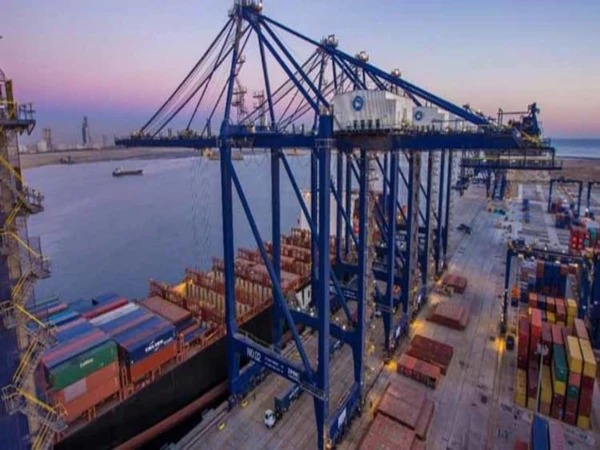
    Sindh plans PPP model to transform Keti Bandar into deep-sea port and economic hub

    KARACHI: Sindh Chief Minister Syed Murad Ali Shah has directed the provincial Investment Department to urgently formulate a comprehensive public-private partnership (PPP) framework for transforming Keti Bandar into a modern deep-sea port and a major commercial, industrial and energy centre. The directive was issued during a meeting held at the Chief Minister’s House on Saturday, where officials discussed a broader plan to develop Sindh’s coastal belt and unlock the economic potential of the Indus Delta. The proposed project is being planned in line with the vision associated with Shaheed Mohtarma Benazir Bhutto and aims to establish Keti Bandar as an important maritime gateway connecting port operations with industrial, logistics, fisheries and energy-related activities. Integrated economic corridor planned Chairing the meeting, Chief Minister Murad Ali Shah said Keti Bandar should be developed as part of an integrated maritime and economic corridor rather than as a standalone port project. He directed the relevant departments to prepare detailed proposals covering port infrastructure, industrial estates, transportation and logistics networks, fisheries, energy facilities and tourism. The chief minister also called for a phased implementation strategy that would identify the project’s immediate, medium-term and long-term development requirements. According to the proposed plan, the Keti Bandar Integrated Corridor would become a major engine for economic activity, employment generation and investment in Sindh. The project is also expected to provide a platform for attracting domestic and foreign investors to the province’s coastal areas. PPP framework to attract private investment The Sindh government intends to develop the project through a PPP model, allowing private-sector investors to participate in financing, construction, development and operation of various components. Under the proposed framework, Keti Bandar could eventually host a deep-sea port alongside logistics and warehousing facilities, industrial zones, energy infrastructure, fisheries-related businesses and tourism projects. The government believes that bringing private capital and expertise into the development process could help accelerate infrastructure construction while reducing the immediate financial burden on the provincial government. Officials have been directed to develop an investment-oriented model that clearly identifies potential projects, financing requirements, revenue opportunities and possible areas of private-sector participation. $1 billion to $2.5 billion investment potential According to the Sindh budget 2026-27, the proposed Keti Bandar Maritime, Fisheries and Petroleum Economic Corridor has an estimated investment potential of between $1 billion and $2.5 billion. The planned corridor would include a modern fishing harbour, seafood processing and export facilities, petroleum-handling terminals, logistics infrastructure and industrial support zones. The development of seafood-processing facilities is expected to create opportunities for value addition and increase the potential for exports from Sindh’s coastal areas. Similarly, improved port and logistics infrastructure could facilitate the movement of goods and provide industries with better access to domestic and international markets. Keti Bandar as future energy gateway Chief Minister Shah has also instructed officials to explore the potential of Keti Bandar as a future energy gateway. The proposed energy infrastructure would include facilities for the import and handling of LNG, RLNG and LPG, along with other supporting infrastructure required for energy-related operations. The development of such facilities could allow Keti Bandar to play a role in meeting future energy requirements while creating opportunities for investment in storage, transportation and related industries. A feasibility study has already identified approximately 4,000 acres of land for the proposed development. Officials have been asked to incorporate the identified land into the broader planning process and determine the infrastructure requirements for different components of the corridor. Focus on coastal and industrial development The proposed project is expected to have a broader impact beyond port operations. The provincial government plans to combine maritime infrastructure with industrial development, logistics, fisheries, energy and tourism to create an integrated economic zone. The Indus Delta and surrounding coastal areas have significant potential for fisheries and other maritime activities, but inadequate infrastructure has historically limited their commercial development. The government believes that modern transport links, processing facilities, storage infrastructure and port connectivity could help unlock this potential and generate new employment opportunities for local communities. The development of tourism facilities is also being considered as part of the wider strategy, with officials tasked with identifying suitable investment opportunities along the coastal belt. Long-term economic vision The proposed Keti Bandar project forms part of Sindh’s broader ambition to strengthen its position as a maritime and logistics centre in the region. The provincial government aims to use the coastline’s strategic location to attract investment, expand trade-related infrastructure and promote industrial activity. For the plan to succeed, however, authorities will need to complete detailed feasibility studies, establish an effective PPP structure, address infrastructure and connectivity requirements and ensure that environmental and coastal considerations are incorporated into the development process. The chief minister has directed the Investment Department and other relevant agencies to move quickly on the project and prepare a comprehensive roadmap. If successfully implemented, the Keti Bandar Integrated Corridor could transform the coastal area into a major maritime gateway while creating new opportunities in port operations, logistics, fisheries, energy, manufacturing and tourism.

  • | | |

    PM orders expansion of strategic oil reserves

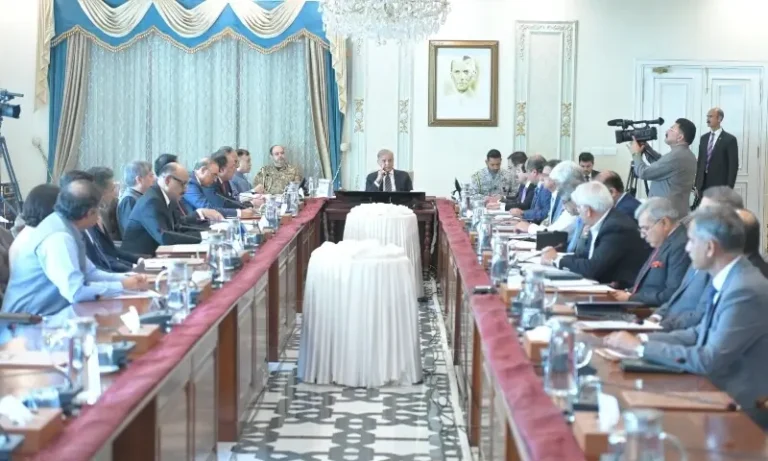
    ISLAMABAD: Prime Minister Shehbaz Sharif has directed authorities to expand Pakistan’s strategic petroleum reserves while approving key amendments to the Pakistan Oil Refining Policy 2023, a move aimed at strengthening the country’s energy security, attracting investment and modernising the refining sector. Chairing a meeting of the Cabinet Committee on Energy (CCoE), the prime minister was briefed on the progress of refinery upgradation projects, ongoing energy sector reforms and the implementation of the revised refining policy. He described the modernisation of Pakistan’s oil refineries as a national priority, saying it would improve energy security, reduce reliance on imported fuels and support the production of cleaner, environmentally friendly petroleum products. The approved amendments focus on upgrading existing refineries to increase production capacity while enabling the manufacture of Euro-V standard petrol and diesel. The changes are also intended to reduce the production of furnace oil and other lower-quality petroleum products, helping Pakistan meet international environmental commitments and curb air pollution. To encourage foreign investment, Prime Minister Shehbaz instructed officials to organise investment roadshows in Qatar, Saudi Arabia and other Gulf countries to promote opportunities in Pakistan’s refining sector. He stressed that the revised policy must be implemented without delay and warned that negligence in executing the reforms would not be tolerated. The premier also directed relevant ministries and institutions to maintain close coordination with stakeholders to accelerate the reform process. In addition, he called for improvements in the performance of the Oil and Gas Regulatory Authority (OGRA) to promote greater transparency, competition and investor confidence in the energy market. Pakistan has been seeking to strengthen its fuel security after recent regional tensions exposed the country’s vulnerability to supply disruptions. The absence of strategic petroleum reserves became a major concern during the conflict that affected oil shipments through the Strait of Hormuz, prompting renewed urgency for energy sector reforms. The refining policy has faced repeated delays since its formulation. Although finalised in 2023 and approved the following year after years of consultations, implementation stalled when incentives were withdrawn in the federal budget, causing refinery upgrade agreements to be put on hold. Discussions resumed after the government addressed financial concerns raised by refinery operators and pledged measures to revive nearly $6 billion in planned investments. Industry stakeholders have continued to seek policy stability and tax-related assurances, arguing that unresolved issues, including sales tax on imported equipment and refinery inputs, have created financial challenges that threaten the viability of modernisation projects. The government has indicated that further measures will be introduced to facilitate investment and ensure the successful implementation of the refinery upgrade programme.

  • |

    Modi’s Education Minister quits as Indian yo…

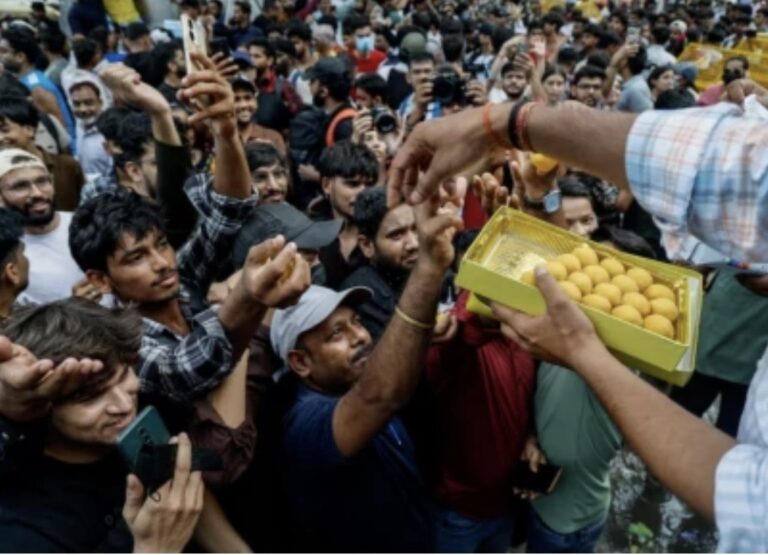
    Indian youth protesters called off weeks of demonstrations and celebrated in the streets on Saturday after Education Minister Dharmendra Pradhan resigned and Prime Minister Narendra Modi’s government bowed to demands including calls to fix a cheating-prone exam system. The worst political crisis of Modi’s third term had peaked this week when thousands of protesters marched on parliament, with police using tear gas to control them. Young voters form a critical base of Modi’s Bharatiya Janata Party. But youths calling themselves “cockroaches” had taken to the streets since late June, after national exam papers were leaked forcing a resit which affected 2 million students and galvanised anger about the lack of prospects for young Indians. The resignation of Pradhan, the students’ primary demand, came as a surprise because Modi’s government had refused to fix the exam system. Celebrations erupted at the Jantar Mantar protest site in the capital Delhi, with thousands of youngsters chanting victory slogans and dancing. The youth-led Cockroach Janta Party movement, which spearheaded the demonstrations, said it would end its protests. “We have done it,” said Abhijeet Dipke, CJP’s founder, to loud cheers at the site. Youngsters shouted “Jai Hind” as the national anthem played on loudspeakers and sweets were distributed. Roads around the central business district of Connaught Place near the protest site were shut amid celebrations and a swelling crowd of thousands of protesters. Delhi Metro rail stations in and around the area that were closed for much of four days this week were also opened. “Young generation is here. This is a win for the constitution,” protester Tluanga Ralte said, walking with a copy of the Indian constitution at the protest site after Pradhan’s resignation. “We are not a lazy generation.” Pradhan, 57, a senior member of Modi’s BJP and the son of a veteran party leader, had been education minister since 2021. He is only the second minister to resign following a scandal since Modi came to power in 2014. Pradhan said he resigned to prevent anti-national forces from exploiting the situation. His resignation marks a significant victory for the youth-led movement, which has highlighted the systemic failures in India’s education system and the broader challenges facing young people in the country. The protests and their resolution reflect the growing political consciousness and mobilisation of India’s youth, who are increasingly demanding accountability and transparency from their leaders. The government’s concession to the protesters’ demands signals a recognition of the power of youth activism in shaping the country’s political landscape. The movement, which began as a response to exam paper leaks, has grown into a broader critique of the government’s education policies and its approach to addressing the concerns of young Indians. The victory at Jantar Mantar has inspired other youth movements across the country, with activists hoping that this momentum will lead to further reforms. The resignation of Pradhan represents a turning point in the relationship between the government and the younger generation, offering a glimmer of hope for a more responsive and accountable governance system in India. The celebrations in Delhi serve as a reminder of the power of peaceful protest and the importance of listening to the voices of the youth, who are the future of the nation. The coming months will be critical in determining whether the government will follow through on its promises to fix the exam system and address the broader concerns of India’s young population. The youth-led movement has shown that collective action can bring about change, and its legacy is likely to inspire future generations to continue fighting for their rights and aspirations. The resignation of Pradhan is a significant milestone, but the journey towards a more equitable and just education system in India is far from over. The country’s youth remain hopeful that this victory will pave the way for meaningful reforms and a brighter future for all.

  • |

    Morocco names 655-Mile coastal highway

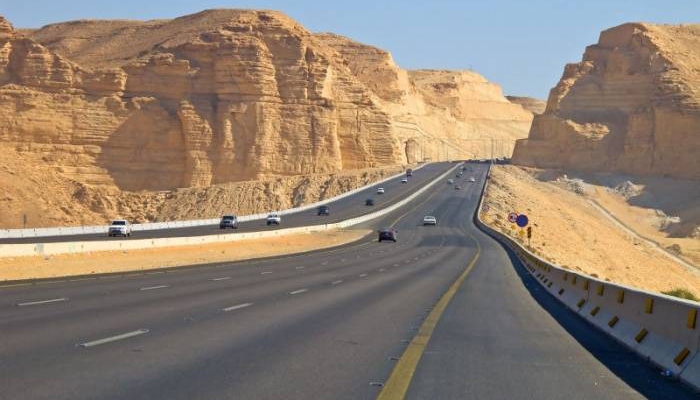
      RABAT: Morocco has officially named its 655-mile (1,055-kilometer) coastal expressway after U.S. President Donald J. Trump, according to reports. The decision was announced through a royal decree issued by King Mohammed VI, recognizing the highway as the Donald J. Trump Expressway. The expressway stretches from the city of Tiznit in southern Morocco to Dakhla, a strategically important city located in the country’s southern region. Previously known as the Tiznit–Dakhla Expressway, the highway is one of Morocco’s most significant infrastructure projects. It covers approximately 655 miles (1,055 kilometers) and was built at an estimated cost of around US$1 billion. The project was designed to improve transportation and strengthen economic links between Morocco’s northern and southern regions. The expressway is expected to facilitate trade, encourage tourism, and provide easier access to remote areas. It also plays an important role in connecting communities and supporting regional development. The decision to rename the highway reflects Morocco’s recognition of President Donald Trump’s contributions to strengthening relations between the United States and Morocco. The announcement has attracted international attention because of the symbolic significance of naming such a major national infrastructure project after a foreign leader. In response to the announcement, U.S. President Donald Trump expressed his gratitude to King Mohammed VI. In a message, President Trump thanked the Moroccan monarch for what he described as a “great honor.” He said he deeply appreciated the gesture and praised the strong friendship between the two countries. President Trump also stated that he hopes to have the opportunity to travel on the newly renamed expressway in the near future. He described the highway as an impressive achievement and said he looked forward to visiting Morocco again. The Tiznit–Dakhla route is considered one of Morocco’s largest transportation investments in recent years. It was developed to improve road safety, reduce travel time, and support economic activity throughout the country’s southern provinces. The highway also serves as an important transportation corridor for commercial vehicles carrying goods between different regions. Infrastructure projects of this scale are often viewed as symbols of national development and long-term economic planning. Renaming the expressway after President Trump has generated interest internationally and is likely to be seen as a diplomatic gesture highlighting the close ties between Morocco and the United States. Morocco and the United States have maintained longstanding diplomatic relations, cooperating in areas such as trade, security, investment, and regional stability. The renaming of the expressway further underscores the importance both countries place on their bilateral partnership. The announcement has been widely reported by regional media and has sparked discussion about the significance of honoring foreign leaders through national landmarks. Whether viewed as a diplomatic tribute or a symbolic act of friendship, the decision marks a notable moment in Morocco–U.S. relations and adds another chapter to the history of cooperation between the two nations.

  • |

    Supreme Court reserves verdict on diyat amount

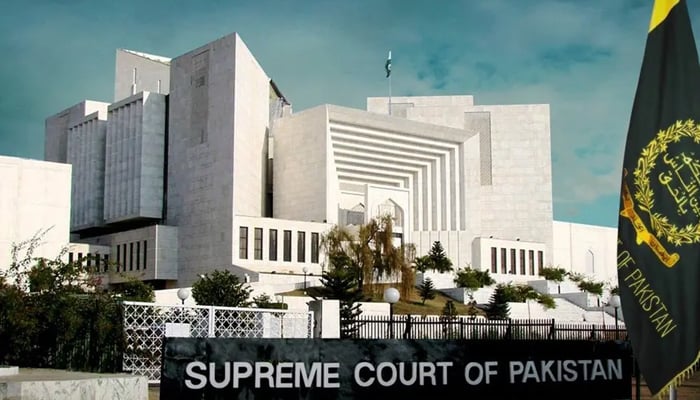
    The Supreme Court of Pakistan has reserved its decision on an important legal question concerning the determination of diyat, or blood money, in murder cases. A bench of the apex court reserved the verdict while hearing an appeal filed by convict Nadeem Khan. The case focuses on the amount of diyat payable and the point in time that should be used to determine its value. During the hearing, the convict’s lawyer argued that his client had already completed his prison sentence for the murder conviction and was now serving additional imprisonment because he had not paid the required diyat. Prosecutor Arshad Hussain told the court that the case was the first of its kind and that a High Court judgment already exists regarding the determination of the amount. He informed the court that the current diyat amount stands at around Rs197 million (Rs19.7 million). Justice Hashim Kakar asked whether the diyat should be calculated according to its value at the time of the offence, the accused’s arrest, or the time of conviction and sentencing. Justice Salahuddin remarked that making the financial consequences of murder more serious might discourage people from committing such offences. He also noted that Saudi Arabia continues to use 100 camels as the traditional basis for diyat. Justice Ishtiaq Ibrahim observed that delays in deciding cases reflect shortcomings in the justice system and said an accused should not suffer because of institutional delays. In response, Prosecutor Arshad Hussain argued that certain legal matters, such as determining a person’s age, are assessed from the time of arrest, suggesting that a similar principle could apply in determining the relevant period for diyat. The Supreme Court directed all prosecutors concerned to submit their written arguments on the matter. After receiving the submissions, the court will issue its decision on how and when the amount of diyat should be determined.

  • | |

    Rs1.52 billion still unpaid by Chanar Sugar Mills,…

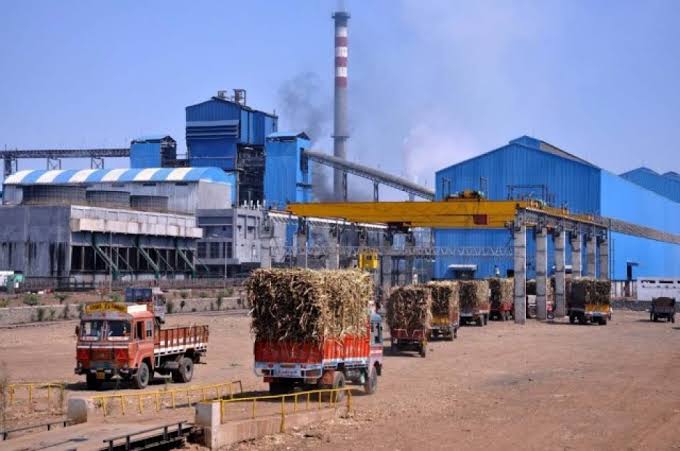
    LAHORE: Outstanding payments owed by M/s Chanar Sugar Mills Limited have reached approximately Rs1.518 billion, with liabilities accumulating across four crushing seasons, according to official data updated on August 24, 2026. The figures show that the amount determined by the Directorate General of Food/CCPb against the sugar mill for the crushing seasons from 2022-23 through 2025-26 totals Rs2.103 billion. Of this amount, around Rs1.518 billion remains unpaid. The latest data indicates that the largest outstanding liability relates to the 2025-26 crushing season. The mill has yet to clear Rs802.19 million determined for that season, representing the entire amount recorded against it. For the 2024-25 season, Rs588.14 million was determined, while approximately Rs341.94 million remains outstanding. Similarly, against Rs552.17 million determined for the 2023-24 season, around Rs347.63 million is still pending. The oldest outstanding amount relates to the 2022-23 crushing season. Against Rs160.25 million determined for that period, Rs26.73 million remains unpaid. The figures highlight the continuing issue of delayed payments within the sugar sector, where outstanding dues can create financial pressure for growers and other stakeholders dependent on timely settlements. The accumulation of unpaid liabilities across multiple crushing seasons has also raised concerns about the timely clearance of dues ahead of the next crushing cycle. Stakeholders have called for effective enforcement and prompt settlement of outstanding amounts to protect the interests of farmers and support the smooth functioning of the sugar industry. The latest official figures underline the scale of the pending liabilities and place renewed focus on the mechanisms available to authorities for ensuring that assessed payments are recovered within the prescribed timeframe.

Leave a Reply

Your email address will not be published. Required fields are marked *