cambridge review hiring
|

Cambridge to review hiring after Arday resignation

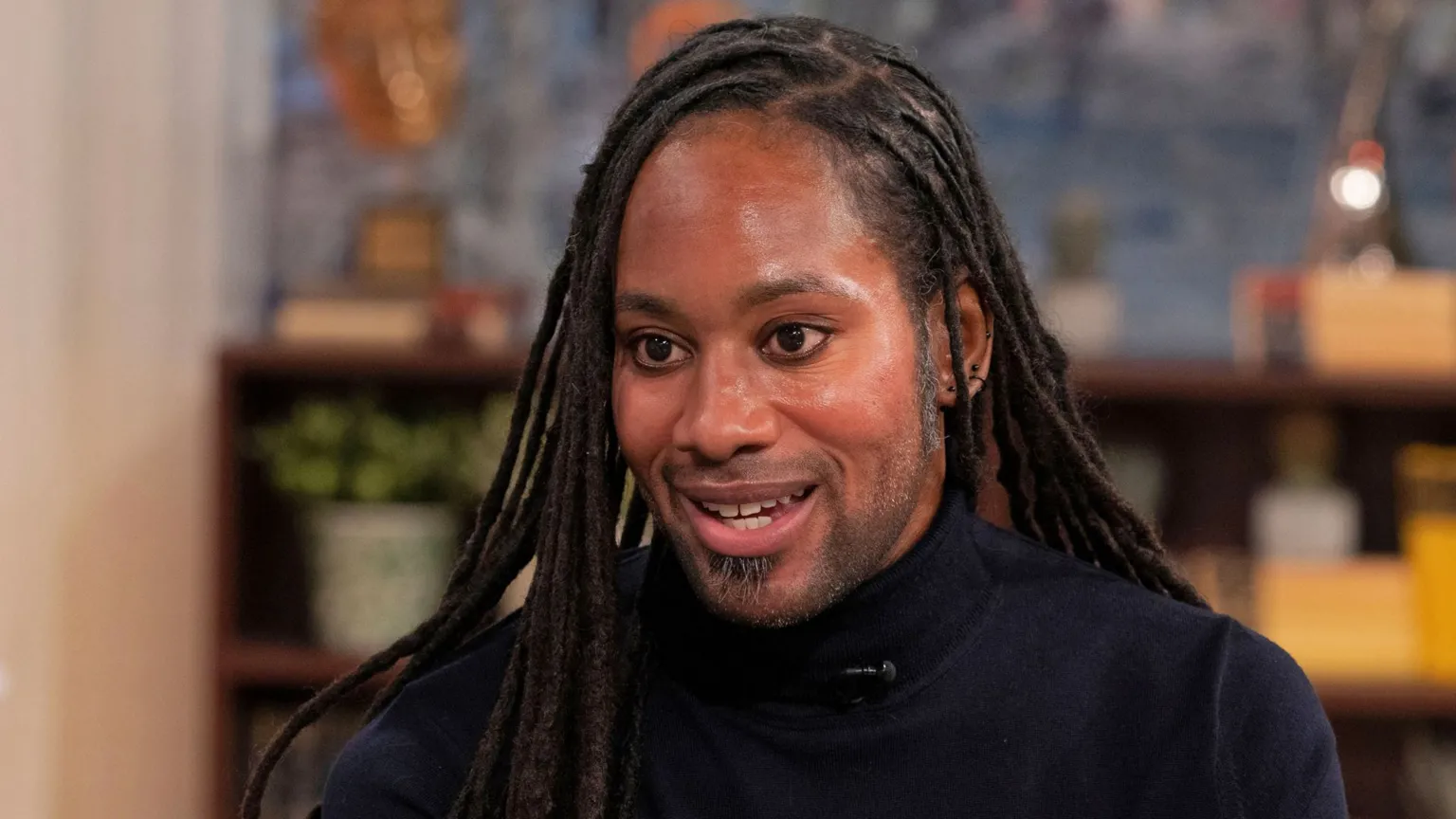
The University of Cambridge has announced a review of its procedures for appointing senior academics following the resignation of Professor Jason Arday amid allegations of plagiarism and questions surrounding parts of his academic record.

Cambridge said an ongoing investigation into Arday’s qualifications, previous appointments and tenure would inform the wider review of how senior academic positions are filled.

Arday, a professor of sociology of education and fellow of Jesus College, stepped down after allegations emerged concerning his academic work and claims made about his professional background. He has rejected accusations of deliberate plagiarism and denied fabricating his achievements.

The controversy has prompted calls from academics for an independent investigation into how Arday was appointed to a senior position at one of the world’s most prestigious universities.

Priyamvada Gopal, a Cambridge professor who is among those calling for an independent inquiry, said the controversy had caused significant reputational damage to the university. She argued that Cambridge should not investigate itself and urged the involvement of academics from outside the institution.

Cambridge said it was aware of the concerns surrounding the case and would continue examining the circumstances of Arday’s appointment and tenure.

Jesus College welcomed the university’s decision to review its appointment procedures. The college said Arday’s position as a fellow depended on his university appointment and that it relied on Cambridge to verify academic credentials.

The University of Glasgow, where Arday served as Professor of Sociology of Education from January 2022 to March 2023, has also launched its own review. The university said the review would establish the facts surrounding his appointment and identify lessons for the future.

The controversy began after US researcher Nathan Cofnas raised allegations that sections of Arday’s PhD dissertation had been copied from earlier academic works.

Liverpool John Moores University, which awarded Arday his doctorate, said it had investigated the plagiarism allegations last year and rejected them. The university maintained that position and said his PhD remains valid.

Further questions have since been raised about some of Arday’s academic publications and claims on his CV. Some institutions where he reportedly claimed to have held academic positions have denied that he occupied those roles.

Arday has acknowledged errors in his academic work but denied intentionally plagiarising material. He has suggested that autism and inadequate supervision during the early stages of his academic career may have contributed to mistakes.

He has also rejected allegations that he fabricated his personal achievements and has previously argued that some of the criticism directed at him was racially motivated.

The controversy has also raised questions about how allegations against Arday were handled.

Times Higher Education reporter Jack Grove was investigated by the Metropolitan Police following a complaint of harassment after he contacted Arday about the plagiarism allegations. The investigation was later closed.

Metropolitan Police Commissioner Sir Mark Rowley subsequently apologised and said the complaint should have been screened out at an earlier stage.

Attention has also turned to Arday’s forthcoming memoir, “Great and Unfortunate Things”, which is scheduled for publication next week.

Arday previously claimed in an interview that he had received a £1.4 million advance for the memoir, although he did not specify the currency. Publishing industry figures have questioned the size of the alleged payment.

Publisher Simon & Schuster has said it intends to proceed with publication.

Reports have also identified differences between an earlier proposal for the memoir and the final manuscript, including changes to the timing and description of some events in Arday’s life.

Similar Posts

  • |

    Colombia earthquake death toll crosses 250

    The death toll from a powerful earthquake in western Colombia has crossed 250 as rescue teams continue searching through collapsed buildings for survivors. The 7.4-magnitude earthquake struck the country’s coffee-growing region early Monday. It caused widespread destruction across several cities and surrounding areas. Local authorities reported that at least 254 people had died by Tuesday morning. Pereira recorded 101 deaths, while 95 fatalities were reported in Cali, Colombia’s third-largest city. Rescue workers have been operating around the clock in the worst-hit areas. They are using cranes, excavators and heavy machinery to remove huge sections of concrete. In some locations, rescuers have been forced to work with their hands. Volunteers have also joined the search, forming human chains to move debris away from collapsed structures. Families have gathered near damaged buildings while waiting for news of relatives who may still be trapped. Rescue workers have reported finding both survivors and bodies beneath the rubble. The earthquake severely damaged homes, apartment buildings, schools and medical facilities. Some structures were completely destroyed, while others were left unstable and unsafe for residents. Cali suffered major damage. Several upper floors of a hospital collapsed, including areas used for paediatric treatment. Hospital officials said some patients became trapped, while hundreds of others were treated outside the damaged facility. The city’s morgue reached capacity as authorities continued bringing in victims from affected areas. Medical and emergency services have been working under difficult conditions. The United Nations humanitarian office estimated that around 5,000 homes had been damaged. Dozens of buildings collapsed, while hundreds of other residences were destroyed or seriously affected. The earthquake also disrupted essential infrastructure. Electricity, water supplies, healthcare services and telecommunications were affected in several areas. Authorities also closed six airports because of damage. Roads were damaged in multiple locations, creating additional difficulties for rescue teams and the delivery of emergency supplies. The region near the epicentre has faced particularly severe disruption. Poor communications have made it difficult for authorities to assess the full scale of the disaster. Nearly 100 aftershocks were recorded by Tuesday morning. Officials have warned residents and rescue workers to remain cautious as damaged buildings could collapse during further tremors. President Abelardo De La Espriella visited the affected region and announced a three-month economic relief measure for residents of Risaralda. The government said the initiative was intended to support people and businesses affected by the disaster. International assistance has also begun. The United States announced $15.5 million in emergency support for shelter, food, protection and damage assessments. The Inter-American Development Bank said $50 million could immediately be made available for reconstruction support if requested by the Colombian government. The United Nations said it was expanding its presence in the affected region to support humanitarian operations. Officials cautioned that the final death toll and overall scale of the destruction could take several days to establish because communications remain disrupted in some of the hardest-hit areas.

  • |

    Ancient Roman shipwreck found off Sicily carrying hundreds of 2,000-year-old amphorae

    Italian authorities have uncovered an ancient Roman merchant ship off the coast of Sicily, dating back to the 2nd or 1st Century BC. The vessel was discovered lying 46 metres underwater roughly three nautical miles off Mazara del Vallo. Measuring 21 metres long and 6 metres wide, the vessel’s cargo holds remain piled with hundreds of well-preserved amphorae, primarily Dressel 1A ceramic jars used during the late Roman Republic to transport commodities such as wine, olive oil, and grain. Italian Culture Minister Alessandro Giuli described the site as “one of the most important underwater archaeological discoveries of recent years”. Local fisherman and free-diver Giacomo De Mola first flagged the site after detecting an anomaly on his sonar scanner that resembled a massive reef or rock. Upon diving down to investigate, he encountered the intact cargo mound surrounded by marine life. Following De Mola’s report, specialist divers from the Carabinieri Command for the Protection of Cultural Heritage (Carabinieri Art Squad), working alongside the Sicilian Region’s Superintendency of the Sea, were dispatched to survey and document the seabed. Archaeologists also identified two lead anchor stocks alongside the vessel’s structure. Italian maritime authorities have implemented security measures to safeguard the wreckage from illicit looting while further documentation and cargo analysis take place.

  • |

    Zanjeerain takes a dramatic turn as Sarbuland and Rabia marry

    Pakistani prime-time drama Zanjeerain has continued to attract strong attention from viewers with its emotional storyline, intense conflicts and unexpected twists. The Hum TV drama, directed by Shahzad Kashmiri and written by Farhat Ishtiaq, explores tribal traditions and family conflicts in Khyber Pakhtunkhwa. The drama has gained significant popularity following several heartbreaking developments, particularly the deaths of Sher Dil, Mudassir and Bano. These events changed the direction of the story and left viewers wondering how the surviving characters would move forward. After airing 30 episodes, Zanjeerain has now reached another major turning point. In the latest episodes, the jirga made a surprising decision involving Sarbuland and Rabia. As part of the traditional practice of Khoon Baha, Sarbuland was expected to marry Rabia, a decision that came as a shock to many viewers. The much-discussed twist finally reached its conclusion in Episode 30 when Sarbuland and Rabia’s Nikah was solemnized. Their marriage has generated a strong reaction online, particularly among fans who had been hoping to see the two characters together following Bano’s tragic death. Many viewers celebrated what they saw as the much-awaited Sarbiya pairing, while others questioned the sudden development and its implications for the story. Some fans were amused by how quickly the characters moved toward marriage despite the tragic events that had taken place before it. One viewer jokingly pointed out that after so many deaths and tragedies, the characters suddenly got married without much difficulty. Another fan expressed excitement over the unexpected development, saying the twist was so surprising that they wanted to celebrate. However, not everyone was pleased with the storyline. Several viewers felt that the marriage did not fit naturally with the emotional journey of the characters. Some questioned what the development meant for Mudassir and Bano, arguing that the story appeared to move on from their relationship too quickly. Others criticised the makers for turning Mudassir’s wish to protect Rabia into a marriage between her and Sarbuland. One disappointed viewer argued that Mudassir had only asked Sarbuland to keep Rabia safe, rather than marry her. Despite the mixed reactions, the Sarbuland-Rabia Nikah has clearly become one of the most talked-about developments in Zanjeerain. The unexpected turn has left fans divided, with many now eager to see how the newly married couple’s relationship unfolds in the upcoming episodes.

  • | |

    UNESCO raises questions over Pakistan’s Taxila h…

    Islamabad: Pakistan’s ancient heritage sites have come under scrutiny after UNESCO raised questions over conservation work carried out at the historic Taxila archaeological sites of Mohra Moradu and Sirkap, prompting a Senate committee to seek detailed explanations from government officials. The Senate Standing Committee on National Heritage and Culture reviewed UNESCO’s concerns during a meeting at Parliament House and questioned whether restoration work at Pakistan’s internationally recognised heritage sites was being carried out according to global preservation standards. Officials informed the committee that UNESCO had asked for additional information regarding the conservation work conducted by the Directorate General of Archaeology, Punjab, at the Taxila sites. The committee was told that the required details had already been provided to UNESCO by the provincial authorities and no further objections had been received after the submission. Officials assured lawmakers that the restoration work followed UNESCO conservation guidelines and international standards. The meeting was chaired by Senator Hidayatullah Khan and attended by Senators Abdul Wasay, Bushra Anjum, Sarmad Ali and Syed Waqar Mehdi along with senior officials from the Ministry of National Heritage and Culture. During the briefing, officials explained that after the 18th Constitutional Amendment, responsibility for heritage conservation was transferred to provincial governments. They said the Government of Punjab started conservation activities at the Taxila archaeological sites and followed recommendations provided by UNESCO, ICOMOS and other expert organisations. Officials said the conservation strategy focused on protecting the original structure of the ancient remains while using scientific methods. They explained that the work included repairing damaged walls, improving drainage systems, protecting old structures from weather damage and using materials compatible with the original construction. Senator Syed Waqar Mehdi asked officials about the exact concerns raised by UNESCO. Officials explained that UNESCO’s observations mainly focused on the materials used during restoration, the method for rebuilding certain walls and the height of reconstructed structures. They said these issues were reviewed and addressed through detailed documentation submitted to UNESCO. The committee was informed that scientific cleaning and repair methods were used to protect the archaeological remains while maintaining international conservation principles. Pakistan currently has six sites listed as UNESCO World Heritage Sites, while documents for 24 more locations have been prepared for possible future inclusion. Officials told the committee that UNESCO usually considers only one nomination from each country annually.   They said Pakistan has requested UNESCO to give priority to its pending nominations so more historical locations can receive international recognition. The committee also discussed plans to develop Taxila as a major heritage and tourism destination.   Officials informed members that around Rs100 million had already been spent during the current year on conservation activities. They said further projects, including an open air museum and improved visitor facilities, were being considered to attract tourists while protecting ancient sites.   Senator Bushra Anjum stressed that stronger federal monitoring was needed despite heritage being mainly managed by provinces. She said Pakistan must improve tourism facilities around heritage sites, including better visitor services, accommodation options and a sustainable system that creates income while preserving history.   She warned that inappropriate materials or poor restoration methods could permanently damage important archaeological sites.   The committee directed the ministry to provide UNESCO’s official response once received and recommended that members visit the Taxila archaeological sites personally to review the conservation work. The meeting also discussed another major heritage issue involving the recovery of smuggled Pakistani archaeological artefacts from the United States. Officials informed the committee that 513 valuable archaeological artefacts had been returned to Pakistan through cooperation with US authorities. They said the recovered objects mainly belonged to the ancient Gandhara civilisation and had been seized after being illegally taken out of Pakistan over several decades. Officials described the artefacts as priceless national treasures representing Pakistan’s thousands of years of history. The committee was informed that plans were underway to establish a new museum where these recovered items could be safely preserved and displayed to the public. Officials said efforts were being made to acquire land for the museum in coordination with the Capital Development Authority and public private partnership options were also being explored. Committee members demanded details about the people involved in the smuggling network, the investigation process and the estimated value of the recovered artefacts. They directed the ministry to submit a complete report explaining how the artefacts were recovered and what action had been taken against those involved in illegal trafficking. The committee also discussed reports about the demolition of a historic Mughal era arch near Rohara Village for a housing development project. The chairman directed officials to collect complete information about the incident and present a detailed report at the next meeting.

  • | |

    Citizen named Quaid-e-Azam told to appear before N…

    PESHAWAR: The Peshawar High Court has directed a citizen named Quaid-e-Azam to appear before the National Database and Registration Authority (NADRA) Board after his Computerised National Identity Card (CNIC) was blocked. The matter came before the court after the citizen challenged the blocking of his CNIC through a petition. A division bench comprising Justice Waqar Ahmed and Justice Inamullah Khan heard the case. During the proceedings, the petitioner’s lawyer told the court that his client was a businessman. He said the citizen’s CNIC had been blocked and requested the court to intervene in the matter. The lawyer sought relief against the action taken against his client. He maintained that the blocking of the identity card had affected the citizen and required judicial consideration. A NADRA representative also appeared before the court. The Director Legal of NADRA informed the bench that the CNIC had not been blocked without reason. He said the authority had found the petitioner’s identity record suspicious. According to NADRA, the issue required further verification of the citizen’s record and identity documents. After hearing both sides, the court did not immediately order the restoration of the CNIC. Instead, the bench directed the petitioner to appear before the NADRA Board. The court’s direction means that the petitioner will have an opportunity to present his position before the relevant authority. NADRA will then examine the matter in accordance with its verification process. The case highlights the importance of accurate identity records and the procedures followed when questions arise over a citizen’s documentation. The court’s order also provides a formal channel for the petitioner to address the concerns raised by NADRA

  • |

    Japan earthquake disrupts auto and chip production as death toll rises to 34

    A powerful earthquake that struck Japan’s Kumamoto region has killed at least 34 people and disrupted major manufacturing operations, exposing the continued vulnerability of the country’s industrial supply chains. The 7.1 magnitude quake damaged roads, interrupted essential services and forced several automobile and semiconductor companies to suspend production, raising concerns about delays across global supply networks. The earthquake struck on Tuesday, causing widespread destruction in southern Japan. Thousands of households were left without basic utilities while damaged roads and transport links made it difficult for businesses to continue normal operations. Kumamoto is one of Japan’s most important manufacturing regions and plays a key role in producing vehicles, auto parts and semiconductors used around the world. Toyota has temporarily suspended production at three factories in Fukuoka until August 5 because of concerns about employee safety and disruptions affecting suppliers and transport companies. The company has also decided to halt operations at one of its plants in Aichi, located more than 600 kilometres from the disaster zone, showing how shortages of essential components can quickly affect factories far from the earthquake’s epicentre. One of Toyota’s major suppliers, Aisin, also suffered disruptions at its factory near the hardest hit area. The company manufactures engines, doors and other vehicle parts for Toyota, Nissan and Daihatsu. Aisin said it plans to restart production gradually after confirming that facilities are safe and product quality can be maintained. However, it has not announced when full operations will resume. Trucks carrying supplies, including portable toilets, were seen entering the factory as recovery work continued. Local businesses reported that water services had been interrupted although electricity remained available. The latest disaster has revived memories of the 2016 Kumamoto earthquake, which caused severe damage to the same Aisin plant and forced Toyota to suspend production across Japan because of shortages of a critical door component. Industry officials said smaller suppliers further down the supply chain may also have been affected this time, increasing the risk of continued production delays. Auto parts manufacturer Denso said one of its suppliers had already reported damage while several others were still assessing conditions. Nissan has suspended some production at its two vehicle plants in Kyushu because of delays in receiving parts. Mitsubishi Motors has also halted certain production lines at its factory in Okayama as the effects of the earthquake continue to spread through the manufacturing sector. Kumamoto has also become one of Japan’s leading centres for semiconductor production in recent years. The region is often referred to as the country’s Silicon Valley because of its concentration of advanced chip manufacturers. Taiwan Semiconductor Manufacturing Company, the world’s largest contract chipmaker, evacuated workers from its Kumamoto plant immediately after the earthquake. The company later confirmed that operations had started to resume within a few hours. Other semiconductor companies are expected to take longer to recover. Renesas said damage at one of its facilities included fallen ceiling panels, cracked walls and water leaks. The company plans to restart production in stages beginning on August 5. Tokyo Electron announced that it expects to resume production next week, while Sony said efforts are continuing to restore operations at its semiconductor factory in Kumamoto. Although the number of deaths is lower than the more than 260 people killed in the 2016 earthquake, this disaster has still caused significant human and economic losses. Nearly half of the fatalities occurred inside commercial buildings. Nine people died when severe structural damage struck a Nippon Paper Industries mill near the epicentre. Another seven people lost their lives at an Aeon shopping mall where authorities believe a gas explosion occurred more than an hour after the initial earthquake. The disaster has once again highlighted the challenge Japan faces in protecting both its population and its globally important manufacturing industry from natural disasters.

Leave a Reply

Your email address will not be published. Required fields are marked *