sweden probes online
|

Sweden probes online links after deadly school attack

Swedish police are investigating whether an 18-year-old man accused of attacking students at a high school in Fagersta had links to online communities associated with school violence.

The attack took place on Friday in the central Swedish town, where the suspect allegedly used a sword to attack students. One teenage girl was killed, while two teenage boys suffered serious injuries.

The victim’s parents confirmed her death to a local newspaper. Police arrested the suspect following the attack.

Investigators are also examining a TikTok account that uploaded a photograph of a sword shortly before the incident. According to police, the account may have belonged to the suspect. The photograph was reportedly taken inside a restroom at the school.

The account was created about a month ago and was removed after the attack. Investigators are examining material that allegedly referred to previous mass-violence incidents in Sweden and the 2011 Norway attacks carried out by far-right extremist Anders Behring Breivik.

The account also reportedly mentioned a 2015 school attack in Trollhättan, Sweden, in which a masked attacker killed a teaching assistant and two students before being shot dead by police.

Authorities are now examining whether online communities may have influenced or encouraged the suspect before the Fagersta attack.

Prosecutors have ordered the suspect to remain in custody while investigators pursue murder and multiple attempted-murder allegations.

Prosecutor Ann-Sofie Trossing said the investigation was at an intensive stage, with police conducting interviews and collecting evidence. She declined to provide further details because of the ongoing inquiry.

Similar Posts

  • |

    Rubio warns of catastrophic US-China conflict

    US Secretary of State Marco Rubio has warned that any military or economic conflict between the United States and China would have devastating consequences for both countries and the wider world, stressing the importance of carefully managing relations between the two global powers. Speaking during a televised interview, Rubio said the relationship between Washington and Beijing remains one of the most significant challenges in international diplomacy. He cautioned that a direct confrontation between the world’s two largest economies would create severe political, economic and security consequences far beyond their borders. Rubio said the United States must continue protecting its national interests while avoiding actions that could trigger a major conflict. He described balancing competition with stability as one of the most difficult responsibilities of foreign policy. His remarks come as strategic rivalry between the United States and China continues to deepen across multiple sectors, including trade, technology, security and global influence. Economic tensions have remained high in recent years, with both countries imposing restrictions on each other’s industries. The United States has expanded trade measures and tightened controls on several Chinese products and technologies, citing national security concerns. Washington has also introduced new restrictions on advanced technologies, including artificial intelligence and robotics, as part of broader efforts to protect sensitive industries and limit the transfer of critical technologies. China has strongly criticised these measures, calling them unfair and unilateral. Beijing has repeatedly opposed US trade restrictions and warned that it could respond with countermeasures to protect its economic interests. Competition between the two countries has also intensified in the field of artificial intelligence, where both sides have exchanged allegations over technology development and intellectual property. Beyond economic and technological issues, both nations continue to strengthen their global influence through different diplomatic strategies. While the United States has focused on reinforcing partnerships with regional allies, China has expanded its engagement with developing countries and strengthened ties with nations across the Global South. Analysts believe that despite growing competition, both Washington and Beijing recognise the importance of maintaining communication to prevent tensions from escalating into open conflict.

  • | |

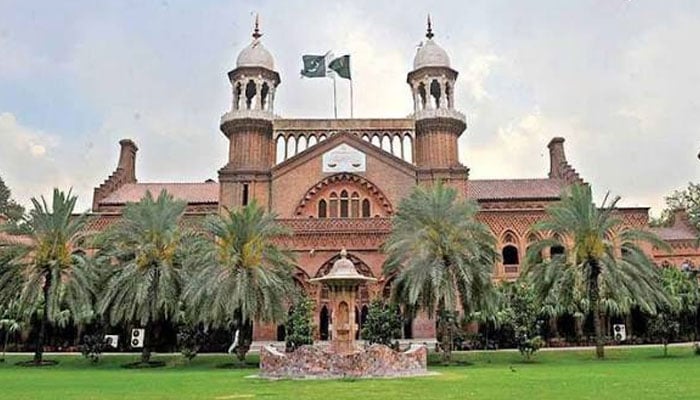
    Lahore High Court sets aside lower courts

      The Lahore High Court has overturned the decisions of two lower courts that had directed the National Database and Registration Authority (NADRA) to issue Computerized National Identity Cards (CNICs) to two individuals despite questions regarding their citizenship. The ruling reinforces that disputes involving suspected citizenship fall within the jurisdiction of NADRA’s verification mechanism rather than civil courts. Justice Mohsin Akhtar Kayani issued a detailed written judgment after allowing NADRA’s appeals against the decisions of the lower courts. In the judgment, the court clarified that civil courts do not have the legal authority to decide cases involving disputed or questionable citizenship. Instead, such matters must be addressed through the procedures established under the relevant laws governing nationality verification. According to the written decision, individuals whose identity cards have been blocked or whose citizenship status has been questioned must approach the NADRA Verification Board within 30 days. The High Court further directed the Verification Board to examine each case and issue a decision in accordance with the law within 60 days of receiving the application. The judgment explains that NADRA had challenged the rulings issued by the Senior Civil Judge in Sialkot and the Sessions Judge, who had ordered the authority to issue national identity cards to two citizens despite concerns regarding the authenticity of their Pakistani citizenship. The High Court concluded that these lower courts exceeded their legal jurisdiction by issuing such directives. Justice Kayani emphasized in the written ruling that obtaining a national identity card is a fundamental right of every eligible Pakistani citizen. However, the court also stressed that this right must be exercised in accordance with the law and only after citizenship has been properly verified through the legally prescribed process.   The respondents maintained before the court that they were Pakistani citizens by birth and therefore entitled to receive national identity cards. They argued that NADRA had incorrectly classified them as foreign nationals and subsequently blocked their CNICs, depriving them of an essential legal document required for everyday civic and economic activities. NADRA, on the other hand, presented documentary evidence supporting its decision to classify the individuals as non-citizens pending verification. According to the High Court’s judgment, the authority’s documentary evidence was found to be reliable and credible. The court observed that the respondents failed to produce sufficient evidence to establish their claim of Pakistani citizenship. The judgment further states that the lower courts overlooked significant documentary evidence and failed to apply the relevant legal principles before directing NADRA to issue the identity cards. As a result, the High Court held that these legal errors warranted judicial intervention. Justice Kayani noted that the High Court has the constitutional authority to correct legal mistakes committed by subordinate courts. Exercising this authority, the court declared both lower court decisions null and void, thereby allowing NADRA’s appeals. The ruling establishes an important legal precedent regarding the resolution of citizenship disputes in Pakistan. It clarifies that while access to a national identity card is a fundamental right, questions relating to citizenship must first be determined through NADRA’s statutory verification process rather than through civil litigation. The decision also seeks to ensure consistency in handling citizenship-related cases by directing affected individuals to the NADRA Verification Board and requiring the board to decide such matters within a specified timeframe. This approach aims to balance the protection of citizens’ rights with the need to maintain the integrity and accuracy of Pakistan’s national identity registration system.

  • | |

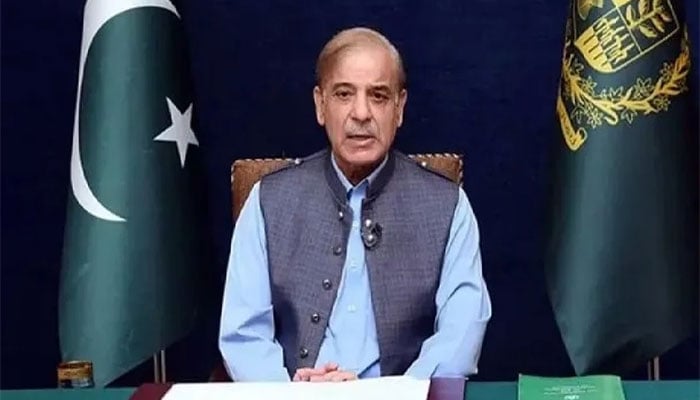
    PM Shehbaz Sharif reviews implementation of nation…

      Prime Minister Shehbaz Sharif chaired a high-level meeting to review the implementation of Pakistan’s National Integrated Digital Policy Framework, with discussions focusing on strengthening digital governance, expanding the digital economy, and improving public services through modern technology. During the meeting, the prime minister directed the relevant authorities to take immediate steps to make the facilities of the National Data Center, “Sky 47,” available to all federal government institutions. He emphasized that the initiative would serve as a cornerstone of Pakistan’s digital transformation strategy and significantly improve the efficiency of government operations. Shehbaz Sharif said the National Data Center would function as a centralized platform for storing and managing data from all government institutions. He explained that maintaining a unified data infrastructure would eliminate the need for individual departments to establish separate data centers, resulting in substantial savings of public resources while ensuring greater coordination and improved data security. The prime minister highlighted the role of the Pakistan Digital Authority in leading the country’s digital transformation. He said the authority was providing an effective direction for the delivery of government services and citizen-centric facilities. According to him, the implementation of the National Digital Vision would play a key role in building a modern, integrated, and technologically advanced society capable of meeting future challenges. Appreciating the progress made so far in promoting digital governance, the digital economy, and digital public services, Shehbaz Sharif instructed officials to strengthen international partnerships under the National Integrated Digital Policy. He stressed the importance of increasing collaboration with global technology partners and ensuring Pakistan’s effective representation at international digital forums to benefit from global expertise and innovation. The prime minister further directed that the National Digital Vision should be implemented across multiple sectors, including healthcare, agriculture, public utilities, housing, and small and medium-sized enterprises (SMEs). He noted that the adoption of digital technologies in these sectors would improve service delivery, enhance efficiency, and provide citizens with faster, more reliable, and transparent access to government services. He also instructed authorities to accelerate efforts to provide better digital facilities to the public without delay. According to the prime minister, the introduction of a Digital ID system would allow citizens to access multiple government services through a single, integrated platform. This initiative is expected to simplify administrative procedures, reduce paperwork, improve transparency, and make public services more accessible for people across the country. The meeting also decided that a session of the National Digital Commission would be convened in the near future. The commission will engage provincial governments and other key stakeholders to ensure coordinated implementation of the National Digital Policy across Pakistan. Officials said the collaborative approach would help align federal and provincial initiatives while accelerating the country’s digital transformation agenda. Several senior cabinet members and government officials attended the meeting, including Minister for Planning Ahsan Iqbal, Minister for Economic Affairs Ahad Cheema, Finance Minister Muhammad Aurangzeb, Commerce Minister Jam Kamal Khan, Law Minister Azam Nazeer Tarar, Information Minister Atta Tarar, National Health Minister Mustafa Kamal, Federal Minister for Information Technology Shaza Fatima Khawaja, Minister of State Bilal Azhar Kayani, and State Bank of Pakistan Governor Jameel Ahmad, along with other senior officials. The meeting reaffirmed the government’s commitment to creating a digitally connected Pakistan by modernizing public administration, strengthening the digital economy, and ensuring that technology-driven services improve the daily lives of citizens while supporting sustainable economic growth.

  • |

    Cambridge paper leak case: students hand over 17 papers evidence to NCCIA, but investigation still not complete

    Islamabad: The investigation into the alleged Cambridge A Level and O Level paper leaks has drawn fresh criticism after affected students claimed that they provided complete evidence, forensic details and technical assistance to the National Cyber Crime Investigation Agency (NCCIA), but the inquiry remains incomplete. Students associated with the Accountability4Cambridge movement said they made every possible effort to help NCCIA investigate the case and submitted evidence related to 17 leaked examination components. They claimed they even conducted their own forensic checks and prepared detailed records before handing them over to authorities. The students said their main demand was a quick investigation because their future depends on the final results. They wanted the matter resolved before results were announced so that affected students could receive relief if unfair practices had affected their grades. However, according to the students, NCCIA has still not completed its investigation. They claimed that the investigation officer assigned to the case has gone on training, causing further delay. The Accountability4Cambridge representatives said they submitted a complete evidence package to NCCIA, including 44 exhibits with verification details. They said the material was prepared carefully to help investigators identify where the papers were leaked and who was involved. The students said they tracked the movement of leaked papers and provided information about possible sources, online groups and communication channels where the leaked material was shared. Their evidence included details about WhatsApp numbers, Telegram groups and payment methods allegedly used to purchase the leaked papers. The students submitted the evidence directly to NCCIA’s forensic department and expected progress within days, but they were later informed that the assigned official was unavailable because he had gone for training. The controversy started after students alleged that Cambridge examination papers reached some candidates before the official exams, creating an unfair advantage for those who accessed them early. According to Accountability4Cambridge, around 17 examination components were leaked during the June 2026 examination series. They said Cambridge International acknowledged four of these components, while the remaining cases were still disputed. Students argued that a leaked paper could damage the grades of honest candidates because grade boundaries may change when some students score unusually high marks after seeing questions in advance. They said a student who worked honestly could lose university opportunities if their grades dropped because of unfair competition. The students also raised concerns about delays in the official response. The Senate Standing Committee on Federal Education had directed NCCIA to provide findings by July 21, 2026, but the deadline passed without a final report being submitted. The group said only an informal indication was given that findings would come later, while students continued waiting for answers. During their efforts, students met with various institutions, including the IBCC, Senate committees and NCCIA officials, and prepared documentation to support their claims. They said the evidence was not based only on screenshots but included detailed verification methods such as timestamps, recordings and technical information to support the authenticity of the leaked material. The students said they wanted authorities to identify the people responsible and ensure accountability instead of allowing the matter to continue without a clear conclusion. They also demanded stronger action from Cambridge, including transparency regarding how the leaks happened, where they originated and what action was taken against those involved. The students further demanded reforms in the examination system, including better protection of papers, separate arrangements for Pakistan and measures to prevent future leaks. They warned that the issue concerned not only marks but also the future of thousands of students who depend on Cambridge results for university admissions in Pakistan and abroad.

  • |

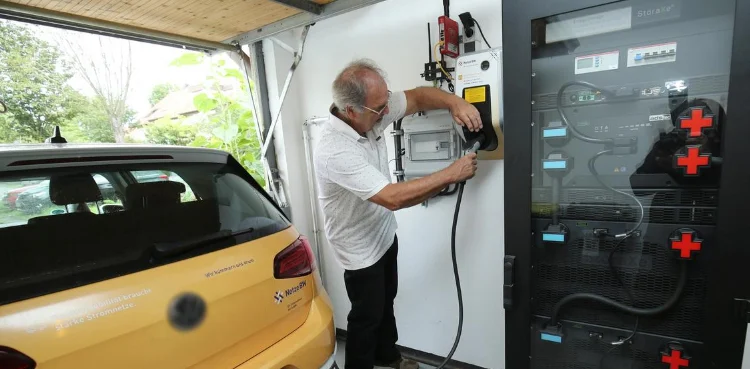
    Rising fuel prices drive global surge in electric vehicle sales

    Global sales of electric vehicles rose sharply during the second quarter of 2026 as soaring fuel prices linked to the conflict in the Middle East encouraged more consumers to switch away from petrol and diesel powered cars, according to a new report by the International Energy Agency. The agency said electric vehicle sales increased by 35 percent between April and June compared with the first three months of the year. Record sales were reported across 50 countries despite a slowdown in the overall global automobile market. According to the IEA, the renewed interest in electric vehicles was largely driven by the sharp rise in oil prices following the conflict involving Iran, Israel, and the United States. The report said the resulting energy crisis reminded governments and consumers of the economic risks associated with dependence on imported oil. Oil prices climbed dramatically during the year after Iran effectively closed the Strait of Hormuz, one of the world’s busiest energy shipping routes, in response to military strikes carried out by Israel and the United States. Crude prices rose from around 60 dollars per barrel at the beginning of the year to nearly 120 dollars, increasing fuel costs around the world and putting additional pressure on households and businesses. The IEA said the situation has brought energy security back to the centre of government policy discussions. Since road transport accounts for nearly half of global oil consumption, the agency noted that expanding the use of electric vehicles can reduce reliance on imported fuel while protecting consumers from sudden increases in fuel prices. The report said electric vehicles are now being viewed as an important tool for improving national energy security, particularly in countries that rely heavily on imported oil. By reducing dependence on global oil markets, governments hope to make their economies more resilient during periods of international instability. Several countries in Southeast Asia that were particularly affected by rising fuel costs responded by introducing temporary tax incentives to encourage people to buy electric vehicles. Similar government support measures have also been expanded in parts of Latin America and Europe as officials seek to accelerate the transition to cleaner transport. Based on the strong performance in the second quarter and continued policy support in many regions, the IEA expects global electric vehicle sales to increase by around 10 percent over the full year. If that forecast is achieved, electric cars are expected to account for approximately 29 percent of all new vehicle sales worldwide in 2026. The agency also predicted that the overall global car market will shrink this year, meaning electric vehicles are continuing to gain market share even as total vehicle demand weakens. The report noted that the year began on a slower pace for the electric vehicle industry. Sales dropped during the first quarter, mainly because of weaker demand in China and the United States, the world’s two largest EV markets. In the United States, the removal of government subsidies reduced consumer demand, while China’s slowing economy and reductions in financial incentives also affected purchases. Because China represents the largest electric vehicle market in the world, weaker sales there had a significant impact on global figures despite healthy growth in many other regions. Europe recorded the strongest performance during the first half of the year. According to the IEA, electric vehicle sales across the continent rose by more than 30 percent as supportive government policies, expanding charging infrastructure, and higher fuel prices encouraged more drivers to choose electric cars over conventional vehicles. The agency believes these trends could continue if governments maintain incentives and energy prices remain elevated.

  • | |

    JUI-F cleric shot dead in Waziristan

    A religious scholar affiliated with Jamiat Ulema-i-Islam-Fazl (JUI-F) was shot dead by unidentified attackers in the Azam Warsak area of Birmal tehsil in Lower South Waziristan, police said on Saturday. The deceased was identified as Maulana Muhammad Ismail. According to police, the attack took place shortly after Friday prayers when unidentified gunmen riding a motorcycle opened fire on the cleric. He sustained multiple gunshot wounds and died at the scene before he could receive medical assistance. The attackers fled immediately after carrying out the shooting. Police launched a search operation in the area, but no arrests have been made so far. District Police Officer (DPO) Muhammad Tahir confirmed the incident and said an initial case has been registered. He added that investigators are examining all possible motives behind the attack and collecting evidence to identify those responsible. According to local officials and tribal elders, Maulana Muhammad Ismail was a resident of Kazha Panga and served as a teacher at a religious seminary in the area. He was known for his religious services and educational work in the community. Following the incident, law enforcement personnel reached the crime scene and shifted the body for legal formalities. Security was also tightened in nearby areas as authorities began efforts to trace the attackers. Police said no group has claimed responsibility for the killing. Investigators are questioning witnesses and reviewing available information to determine whether the attack was linked to personal enmity, militancy or any other motive. The killing has once again highlighted security concerns in parts of Khyber Pakhtunkhwa, where religious and political figures have occasionally been targeted in violent attacks. Earlier this year, former JUI-F provincial lawmaker Maulana Muhammad Idrees was shot dead by unidentified gunmen in Charsadda. In a separate incident in January, JUI-F leader Maulana Sultan Muhammad Wazir succumbed to injuries after being critically wounded in a bomb blast near a religious seminary in Wana Bazaar, South Waziristan.

Leave a Reply

Your email address will not be published. Required fields are marked *