shehbaz sharif reviews
| |

PM Shehbaz Sharif reviews implementation of nation…


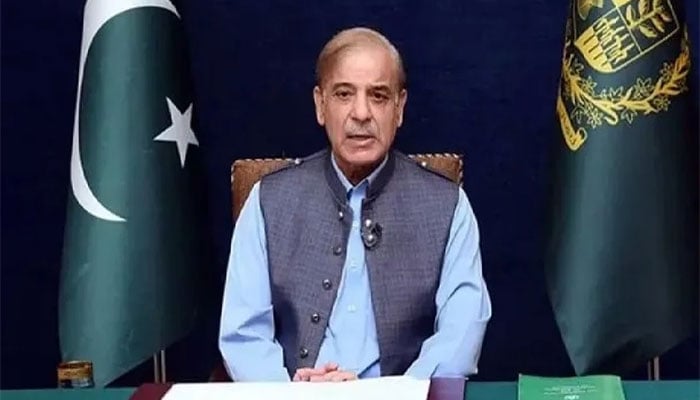
Prime Minister Shehbaz Sharif chaired a high-level meeting to review the implementation of Pakistan’s National Integrated Digital Policy Framework, with discussions focusing on strengthening digital governance, expanding the digital economy, and improving public services through modern technology.

During the meeting, the prime minister directed the relevant authorities to take immediate steps to make the facilities of the National Data Center, “Sky 47,” available to all federal government institutions. He emphasized that the initiative would serve as a cornerstone of Pakistan’s digital transformation strategy and significantly improve the efficiency of government operations.

Shehbaz Sharif said the National Data Center would function as a centralized platform for storing and managing data from all government institutions. He explained that maintaining a unified data infrastructure would eliminate the need for individual departments to establish separate data centers, resulting in substantial savings of public resources while ensuring greater coordination and improved data security.

The prime minister highlighted the role of the Pakistan Digital Authority in leading the country’s digital transformation. He said the authority was providing an effective direction for the delivery of government services and citizen-centric facilities. According to him, the implementation of the National Digital Vision would play a key role in building a modern, integrated, and technologically advanced society capable of meeting future challenges.

Appreciating the progress made so far in promoting digital governance, the digital economy, and digital public services, Shehbaz Sharif instructed officials to strengthen international partnerships under the National Integrated Digital Policy. He stressed the importance of increasing collaboration with global technology partners and ensuring Pakistan’s effective representation at international digital forums to benefit from global expertise and innovation.

The prime minister further directed that the National Digital Vision should be implemented across multiple sectors, including healthcare, agriculture, public utilities, housing, and small and medium-sized enterprises (SMEs). He noted that the adoption of digital technologies in these sectors would improve service delivery, enhance efficiency, and provide citizens with faster, more reliable, and transparent access to government services.

He also instructed authorities to accelerate efforts to provide better digital facilities to the public without delay. According to the prime minister, the introduction of a Digital ID system would allow citizens to access multiple government services through a single, integrated platform. This initiative is expected to simplify administrative procedures, reduce paperwork, improve transparency, and make public services more accessible for people across the country.

The meeting also decided that a session of the National Digital Commission would be convened in the near future. The commission will engage provincial governments and other key stakeholders to ensure coordinated implementation of the National Digital Policy across Pakistan. Officials said the collaborative approach would help align federal and provincial initiatives while accelerating the country’s digital transformation agenda.

Several senior cabinet members and government officials attended the meeting, including Minister for Planning Ahsan Iqbal, Minister for Economic Affairs Ahad Cheema, Finance Minister Muhammad Aurangzeb, Commerce Minister Jam Kamal Khan, Law Minister Azam Nazeer Tarar, Information Minister Atta Tarar, National Health Minister Mustafa Kamal, Federal Minister for Information Technology Shaza Fatima Khawaja, Minister of State Bilal Azhar Kayani, and State Bank of Pakistan Governor Jameel Ahmad, along with other senior officials.

The meeting reaffirmed the government’s commitment to creating a digitally connected Pakistan by modernizing public administration, strengthening the digital economy, and ensuring that technology-driven services improve the daily lives of citizens while supporting sustainable economic growth.
Similar Posts

  • |

    Maira Khan’s bold social media transformation sparks debate

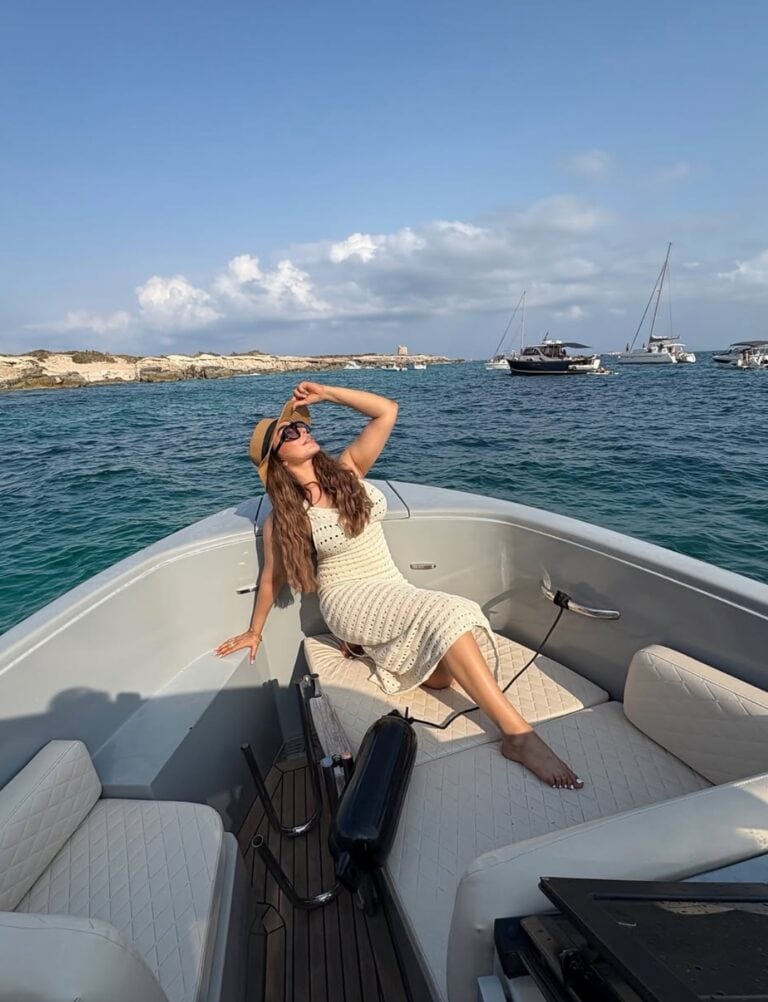
    Maira Khan is a familiar name in the Pakistani television industry, having appeared in several popular dramas throughout her acting career. She has been part of projects such as Riwaaj, Kisey Awaaz Doon, Cousins, Jalan, Cheekh, and Bewafa, among others. Her performances helped her establish a presence in the entertainment industry, while her appearance on ARY Digital’s reality show Tamasha recently brought her renewed attention from viewers. Apart from television, Maira Khan has also worked in the feature film Durj, a project that received critical appreciation. Over the years, she has remained a subject of public interest, particularly because of her changing appearance, fashion choices, and occasional discussions surrounding cosmetic procedures and her evolving personal style. In recent years, however, Maira has largely stepped away from the Pakistani drama scene. Instead of appearing regularly on television, she is now frequently seen travelling with friends and sharing glimpses of her lifestyle on social media. Her Instagram presence has also become more noticeable, with the former actress posting photographs and reels showcasing her fashion choices and travels. Her recent posts have attracted particular attention because of her preference for Western-style outfits and a more confident approach to fashion. Some of her latest pictures feature outfits that are considerably bolder than the image audiences may remember from her television career. Her transformation has sparked a wide range of reactions across social media, with some people praising her confidence while others have criticised her new appearance. Several social media users have speculated about the reason behind her change in lifestyle and fashion. Some suggested that her reduced presence in Pakistani television dramas may have influenced her decision to pursue a different lifestyle, while others argued that her clothing choices are simply a matter of personal preference. The discussion also took an unexpected turn, with some users questioning her religious identity and making assumptions about her beliefs based on her appearance. Such comments generated further debate, as many people pointed out that a person’s faith cannot be determined simply by their clothing or social media posts. Some critics expressed disappointment over what they described as a shift from her earlier, more modest public image. One commenter said that Pakistani actresses appear to be becoming increasingly bold and prayed for them to receive guidance. Another user wrote that Maira had appeared much more decent in the past. Others shared reminders about morality and the temporary nature of worldly life. At the same time, her supporters believe that Maira has the right to make her own choices regarding fashion, lifestyle, and social media presence. The contrasting reactions demonstrate how strongly Pakistani celebrities continue to be scrutinised for their personal choices, particularly when they adopt a style that differs from their earlier public image.

  • | |

    India’s Education Minister resigns amid exam controversy

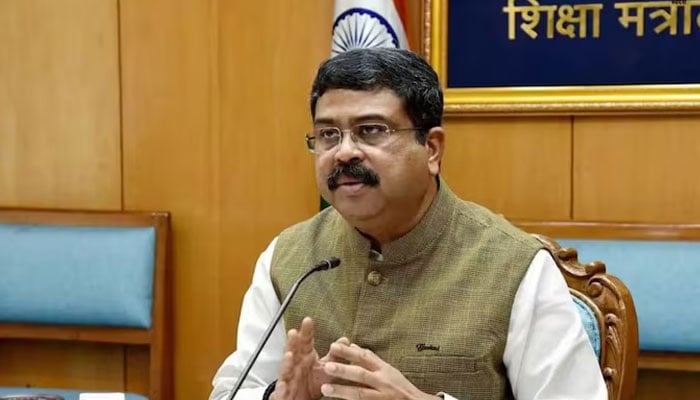
    India’s Union Education Minister Dharmendra Pradhan resigned on Saturday amid growing pressure over a nationwide controversy involving alleged examination paper leaks. His resignation comes after weeks of protests by students and opposition parties. Demonstrators have demanded greater accountability and changes to the country’s examination system. The controversy has intensified criticism of the government’s handling of the issue. Students and opposition leaders have called for stronger measures to prevent examination irregularities and protect the credibility of competitive exams. Pradhan’s departure marks a significant development for Prime Minister Narendra Modi’s government as pressure continues to mount over the examination crisis. The resignation is expected to fuel further debate over examination reforms, transparency and accountability in India’s education system. Earlier, Indian Prime Minister Narendra Modi has pledged to establish fast-track courts to swiftly punish officials involved in examination paper leaks, attempting to contain a widespread youth-led protest movement that has rocked New Delhi and disrupted Parliament. Posting on X in his first public remarks on the crisis, Modi declared that “those who try to harm the future of our youth will not be spared”. The satirical “Cockroach Janta Party” (CJP), coined after India’s top judge reportedly likened unemployed youths to “cockroaches”, promptly rejected Modi’s proposal as a superficial “Band-aid” measure. The CJP continues to demand educational reforms and the immediate resignation of Education Minister Dharmendra Pradhan, who has faced intense pressure following 152 recorded paper leaks over the past decade.

  • |

    Federal agents arrest armed suspect near Donald Trump’s California golf course

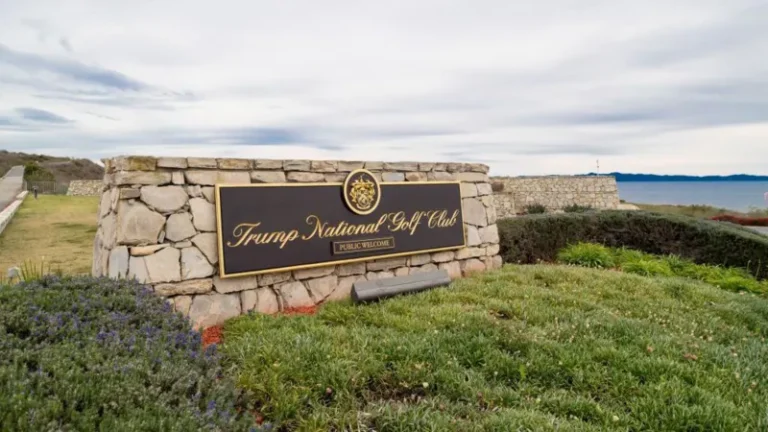
    Federal and local law enforcement officers in California have arrested a 38-year-old man who was observed taking photographs and monitoring security preparations at President Donald Trump’s golf course in Rancho Palos Verdes, two days before the president was scheduled to attend a political fundraising dinner at the venue. The suspect, identified as Jeanine John Taele of Downey, California, was taken into custody on Sunday afternoon by Los Angeles County Sheriff’s deputies and federal agents. Authorities revealed that Taele had initially been spotted on the grounds of Trump National Golf Club on Friday, wearing an earpiece while filming federal personnel carrying out security assessments. Upon returning to the property on Sunday, Taele allegedly approached federal agents, falsely claimed to work for the US Department of State on a security detail, and admitted to possessing a loaded weapon inside his vehicle. Upon searching the suspect, law enforcement officers recovered a 16-round magazine loaded with hollow-point ammunition from his clothing. A subsequent search of his pickup truck parked on the property yielded a loaded 9mm pistol, additional hollow-point rounds, binoculars, and a fake badge reading “security protection agent”. Officers also determined that Taele was actively wanted in connection with an unrelated robbery investigation conducted by the El Segundo Police Department. Following the arrest, agents from the FBI’s Joint Terrorism Task Force and the Sheriff’s Department Major Crimes Bureau executed a search warrant at Taele’s residence in Downey. Investigators seized an illegally modified short-barrelled AR-style rifle, a .45-calibre handgun, body armour, high-capacity magazines, extensive ammunition supplies, and notebooks containing what officials described as “concerning statements”. Taele, a decorated US Marine Corps veteran who served in Iraq and Afghanistan between 2008 and 2016, faces both state and federal charges. State prosecutors in Los Angeles County have charged him with second-degree robbery, possession of a short-barrelled rifle, manufacturing or receiving a large-capacity magazine, and carrying a concealed firearm in a vehicle. He pleaded not guilty to state charges on Tuesday and remains held on $250,000 bail. Federal prosecutors have separately charged Taele with possession of an unregistered short-barrelled rifle, an offence carrying a maximum penalty of 10 years in federal prison. While the Secret Service and the FBI continue to investigate Taele’s motives, officials from the Los Angeles County Sheriff’s Department stated that there is currently no evidence of a direct, ongoing threat to the local community. President Trump proceeded with his planned visit to California, landing at the golf course via helicopter to host the Republican fundraising event.

  • |

    Gulf nations back Omani plan for voluntary transit payments to resolve Hormuz maritime crisis

    Gulf Cooperation Council member states have formally endorsed a diplomatic initiative proposed by Oman to introduce voluntary service fees for commercial vessels transiting the Strait of Hormuz, seeking to restore global energy shipments disrupted by the broader conflict involving the United States, Israel, and Iran. The framework, modeled after the cooperative navigation safety mechanism used in Asia’s Malacca Strait, allows shipowners to make optional financial contributions toward environmental protection, search-and-rescue services, and navigational maintenance rather than paying mandatory tolls. Designed as a compromise between Tehran’s demand for administrative authority over shipping lanes and Washington’s insistence on unimpeded international transit, the Omani proposal explicitly prevents Iran from exercising exclusive operational control over the waterway while offering a structured path toward reopening commercial transit routes. The diplomatic breakthrough coincides with a temporary lull in direct aerial bombardments after US President Donald Trump called off a two-week bombing campaign following advice from military commanders. Despite the pause in direct strikes between Washington and Tehran, regional tensions remain elevated due to ongoing proxy drone activity across Jordan, Saudi Arabia, and Iraq, alongside continued US naval enforcement actions against non-compliant commercial vessels. While market reactions to the suspension of airstrikes sent global crude prices down sharply, formal resolution remains subject to upcoming diplomatic negotiations in Washington and the broader implementation of the bilateral framework agreement.

  • | | | |

    Iran rejects talks on ceasefire extension

    Pakistan is making diplomatic efforts to help extend the ceasefire between the United States and Iran, as the current truce is scheduled to expire on Sunday, August 16. Sources said Islamabad is trying to use the understanding reached under the Islamabad Memorandum of Understanding to encourage both sides to maintain the ceasefire and return to negotiations. According to the sources, mediators believe additional time is needed to bridge differences between Washington and Tehran. Diplomatic efforts are therefore continuing to prevent the situation from deteriorating after the current ceasefire period ends. However, an Iranian senior official gave a different assessment of the situation. The official said there have been no discussions between Iran and the United States regarding an extension of the ceasefire. Iran has maintained that Washington must return to the agreement and honour its previous commitments. Tehran has also demanded a clear and credible timeline for the implementation of those commitments before any further understanding can be reached. Meanwhile, US President Donald Trump has made strong statements about the strategic Strait of Hormuz. Trump claimed that the United States now has complete control over the vital waterway and said Iran has limited options to challenge the American naval blockade. The Strait of Hormuz remains a major international shipping route and plays a crucial role in global energy supplies. Any prolonged disruption in the waterway could have serious consequences for oil and gas markets and international trade. Iranian military officials have warned that a renewed US offensive could lead to a wider confrontation. An Iranian military spokesman said energy transmission networks, power plants and infrastructure connected to the global internet could become targets if American military action resumes. The warning has raised concerns that any collapse of the ceasefire could expand the conflict beyond conventional military targets and affect critical infrastructure. Meanwhile, Turkish President Recep Tayyip Erdogan has expressed hope that additional countries will join the Makkah Defence Agreement. He indicated that broader participation could strengthen regional security cooperation. In another development, US Central Command said a Panama-flagged cargo vessel attempting to breach the naval blockade was disabled after a US helicopter fired a missile at the ship. The incident has further highlighted the risks facing commercial shipping in the region amid continuing tensions between Washington and Tehran. Separately, Japanese Prime Minister Sanae Takaichi discussed the situation with Iranian President Masoud Pezeshkian in a telephone conversation. Takaichi called for the Strait of Hormuz to be reopened once negotiations between Iran and the United States reach a successful conclusion.

  • | |

    Shah Ghulam Qadir nominated as next AJK prime mini…

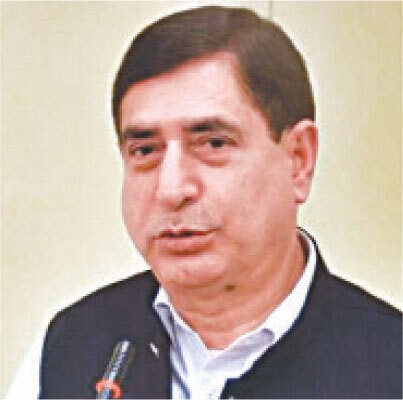
    MUZAFFARABAD: Pakistan Muslim League-Nawaz (PML-N) Azad Jammu and Kashmir (AJK) President Shah Ghulam Qadir has been nominated as the next prime minister of AJK. The decision was taken by PML-N President Nawaz Sharif after consultations with Prime Minister Shehbaz Sharif and Punjab Chief Minister Maryam Nawaz. Party sources confirmed on Tuesday that Qadir would take oath as AJK prime minister on Thursday at 5pm at the High Court Ground in Muzaffarabad. The nomination follows the recent AJK elections, which were held in three phases between July 27 and August 10. The PML-N emerged as the largest parliamentary party after securing 25 of the 38 directly contested seats. The Pakistan Peoples Party won 12 seats, while one member of the Awami Dast-o-Bazu joined the PML-N. Qadir is a veteran politician with more than three decades of political experience. He has held several important parliamentary and ministerial positions in AJK. He has served as finance, planning and development minister and also held the food ministry. He was elected speaker of the AJK Legislative Assembly twice. He currently serves as PML-N AJK president and leader of the opposition. Qadir entered politics as a student leader and later became involved with the All-Jammu and Kashmir Muslim Conference. He eventually served as its secretary general during Sardar Abdul Qayyum Khan’s leadership. His electoral career began with his election from the Kashmiri refugees constituency, Kashmir Valley-IV. He went on to win seven elections to the AJK Legislative Assembly. Throughout his political career, Qadir has highlighted the issues of Kashmiri refugees and advocated the right to self-determination for the people of Indian-administered Jammu and Kashmir. He has also represented Kashmir at international forums, including the United Nations General Assembly and the UN Human Rights Council. Qadir was among the founding figures of the PML-N in AJK. He played a significant role in strengthening the party’s organisational structure and political presence in the region before becoming its AJK president. During his tenure as assembly speaker, he focused on parliamentary discipline, constitutional governance and legislative oversight. As opposition leader, he continued to call for stronger democratic institutions and accountability. Qadir is known for maintaining political contacts across different parties and is regarded as an experienced parliamentary leader. He is also fluent in Kashmiri and has maintained links with various Kashmiri political circles. His nomination comes after the new AJK Legislative Assembly began its parliamentary term. Forty-six newly elected members took oath during the inaugural session, which was presided over by Assembly Speaker Latif Akbar. The new 53-member assembly has a clear PML-N majority. According to the initial proceedings, 31 PML-N members and one Awami Dast-o-Bazu member took oath, while 14 PPP lawmakers were also sworn in.

Leave a Reply

Your email address will not be published. Required fields are marked *