trump says will
| |

Trump says US will not attack Iran before midterm elections in November

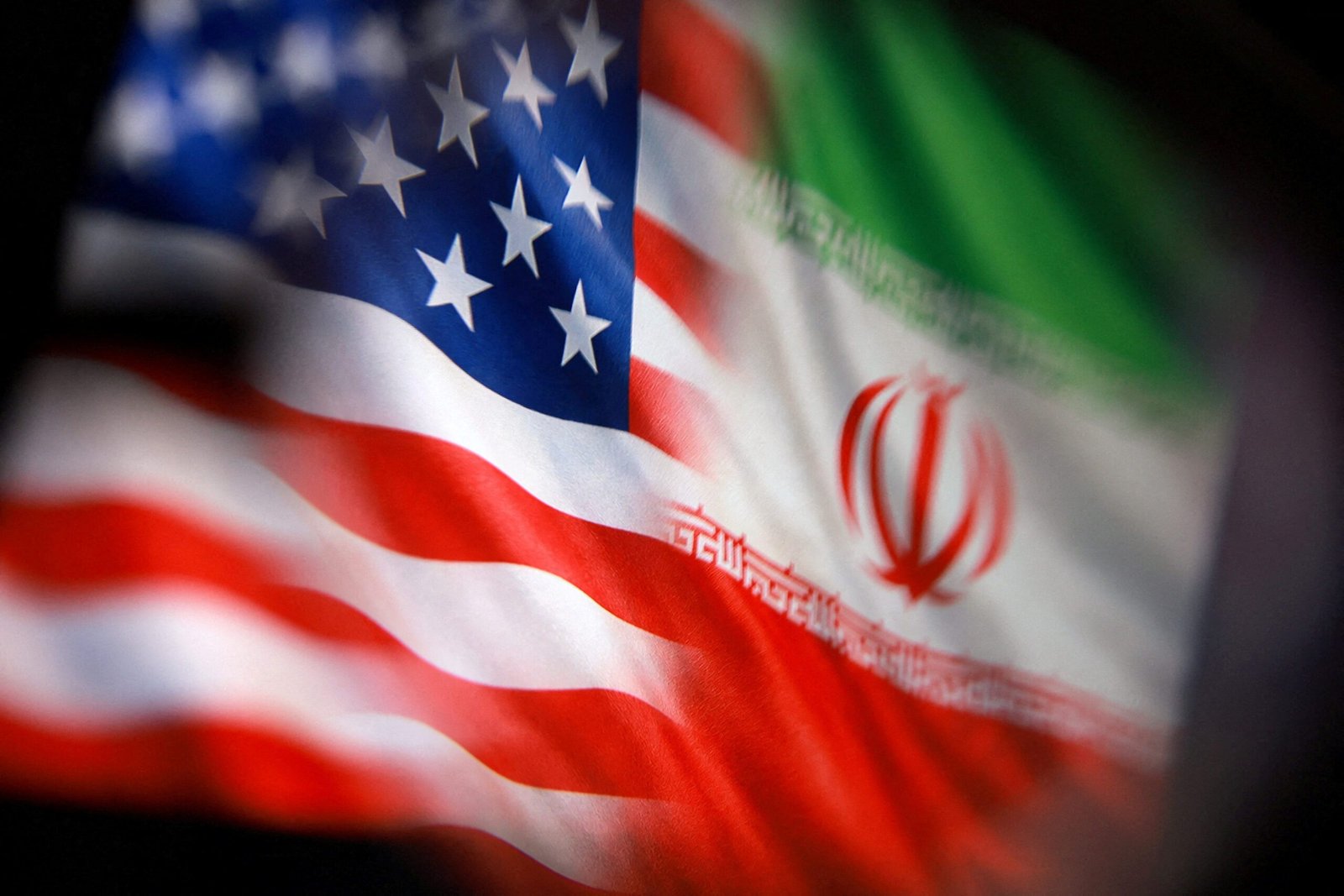
WASHINGTON, USA – US President Donald Trump said on Thursday, October 8, that the US will not launch an attack on Iran before November’s US midterm congressional elections, asserting that the two countries are having “productive” talks about ending the six-month-old war.

“We are having productive discussions with the Islamic Republic of Iran,” Trump wrote in a post on Truth Social. “We will not be attacking Iran at any time prior to the midterm elections to be held in the United States on November 3rd.”

The war, which began in February when the US and Israel launched strikes on Iran, has helped drive Trump’s domestic approval ratings downward and is weighing heavily on his fellow Republicans as they seek to preserve their narrow legislative majorities in November’s election.

Some 60% of Americans — including one in four Republicans — disapprove of how Trump is handling the situation in Iran, according to a recent Reuters/Ipsos poll. The conflict has pushed gasoline prices sharply higher at a time when voters say their top concern is the cost of living.

Trump has repeatedly said he expects oil prices to drop after the elections, but he has not offered a detailed plan for exiting the war.

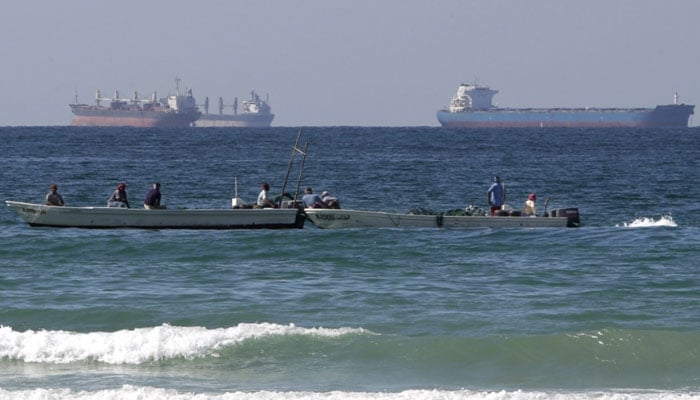
Iran and the US have exchanged proposals in recent weeks aimed at ending the war and reopening the Strait of Hormuz, a vital global energy shipping route. Trump rejected Tehran’s latest offer.

Iran’s state media reported on Thursday that Tehran would not abandon uranium enrichment or hand over its uranium stockpile, citing the head of the country’s Atomic Energy Organization, days after US Vice President JD Vance told Reuters that Iran must make “meaningful” reductions in its enrichment capacity.

The US, Israel and Western allies have long accused Iran of seeking nuclear weapons, an accusation Iran has denied. – Rappler.com

Similar Posts

  • |

    Trump jokes about Leavitt choosing her children over him as she Prepares to leave White House role

    US President Donald Trump has reacted to White House Press Secretary Karoline Leavitt’s decision to leave her position with a light-hearted remark about her choice to spend more time with her young children. During an interview correspondent Alexis McAdams, Trump was asked about the possibility of finding a replacement for Leavitt. The president spoke positively about her work and described her performance as highly successful. Trump praised Leavitt for doing a “great job” as press secretary but then made a joke about her priorities. He said he was “very concerned” after learning that Leavitt apparently liked spending time with her children more than being around him. The comment was made in a humorous tone, but it quickly attracted attention because Leavitt’s decision to leave the White House is closely connected to her family responsibilities. Leavitt announced last week that she planned to step down from the position at the end of August. She explained that her decision was motivated by a desire to dedicate more time to her young family. Her departure marks a significant change for the White House communications team. As press secretary, Leavitt has been one of the administration’s most visible representatives, regularly appearing before reporters and defending the president’s policies. Trump has repeatedly praised Leavitt and described her as one of the strongest press secretaries he has worked with. Although she is leaving her official position, Trump has indicated that he wants her to remain connected to his administration. According to the president, Leavitt will continue to contribute as an outside adviser after stepping down. This would allow her to maintain a relationship with the administration while giving her greater flexibility to focus on her family. During the same interview, Trump also appeared to raise the possibility of Alexis McAdams becoming Leavitt’s successor. Addressing the Fox News correspondent directly, he asked whether she would be interested in taking over the White House briefing room podium. McAdams has experience covering the Trump administration and frequently reports on political developments. Trump’s question therefore prompted speculation about whether she could be considered for the position, although it was not clear whether his comments represented a serious proposal or another informal remark during the interview. The exchange quickly spread across social media and generated mixed reactions. Some viewers interpreted Trump’s comments about Leavitt as typical of his joking and informal style. Supporters viewed the remark as a humorous way of acknowledging the importance of family in Leavitt’s decision. Others, however, were critical of the joke. They argued that Leavitt’s choice to step away from one of the most demanding political communications jobs in Washington in order to spend more time with her children should be treated seriously rather than used as the subject of a public punchline. Leavitt’s departure also highlights the challenges faced by high-profile officials who attempt to balance demanding political careers with family life. The White House press secretary position requires frequent public appearances, media briefings, travel and long working hours, making it particularly demanding for anyone with young children. Despite the joking tone of Trump’s comments, his praise for Leavitt made clear that he considers her contribution to the administration valuable. His decision to retain her as an outside adviser suggests that he wants to continue benefiting from her experience and communication skills. The White House is now expected to determine who will take over the daily briefing role once Leavitt leaves at the end of August. Until then, attention will remain focused on her final weeks as press secretary and on who may eventually step behind the White House briefing room podium.

  • Thailand Voices ‘Deep Disappointment’ with U.S. Over Border Conflict Comments

    BANGKOK – Thai Foreign Minister Sihasak Phuangketkeow has publicly expressed deep disappointment with the United States, stating that recent remarks by President Donald Trump about the Thai-Cambodian border conflict were based on misinformation and factual inaccuracies. The criticism follows a phone call between President Trump and Prime Minister Anutin Charnvirakul regarding the escalating clashes, Thai […]

  • |

    UK government unveils £130m boost for zero-emission vehicle technology

    The British government has announced a joint public-private investment package worth nearly £130 million to advance zero-emission vehicle technologies across the United Kingdom. The funding model combines almost £65 million in public investment alongside matching contributions from private automotive industry partners. Under the initiative, nearly £50 million in government grants will go directly to car manufacturers and research institutions to develop and scale clean vehicle tech. An additional £17 million has been allocated to nine projects targeting connected and automated mobility, including advanced sensors, brake-by-wire systems, and artificial intelligence simulation platforms. Industry Minister Blair McDougall stated that the package aims to secure the future of British manufacturing, noting that the country is determined to ensure next-generation vehicles are designed and produced domestically. The financial injection aligns with the UK’s legal mandate to end sales of new petrol and diesel cars by 2030, ahead of a complete transition to zero-emission new vehicles by 2035.

  • |

    Iranian lawmaker questions Saudi defence pact with Pakistan, Türkiye

    TEHRAN: Iranian parliamentarian Ebrahim Rezaei has questioned whether Saudi Arabia’s new defence agreement with Pakistan and Türkiye can guarantee the Kingdom’s security. Rezaei, a member of Iran’s Parliament National Security and Foreign Policy Committee, made the remarks in a social media post. He said Saudi Arabia should understand that the agreement with Pakistan and Türkiye would not provide the level of protection Riyadh had failed to obtain despite decades of reliance on the United States. Rezaei described the agreement as a “paper pact” and urged Saudi Arabia to reconsider its policies so that it would not have to seek security guarantees from other countries. His comments came shortly after Saudi Arabia, Pakistan and Türkiye signed a joint defence agreement in Makkah. The agreement was signed amid concerns over potential attacks on Saudi Arabia by Iran-aligned militias in Iraq and Yemen. Saudi officials have reportedly warned of such security threats. Under the new agreement, an attack against any one of the three countries will be considered an attack against all three. The pact aims to strengthen defence cooperation and develop joint capabilities among Saudi Arabia, Pakistan and Türkiye. A trilateral defence summit was held at Al-Safa Palace in Makkah, attended by Saudi Crown Prince Mohammed bin Salman, Turkish President Recep Tayyip Erdogan and Pakistani Prime Minister Shehbaz Sharif. According to Pakistan’s Foreign Office, the three leaders signed the agreement, formally described as the Makkah Defence Joint Agreement.

  • | | | |

    Two Chinese oil tankers safely cross Bab el-Mandeb…

    RIYADH: Two Chinese supertankers carrying Saudi crude oil have safely passed through the Bab el-Mandeb Strait, despite growing security concerns following the Houthi movement’s recently announced naval blockade targeting Saudi-linked shipping. According to international media reports and shipping data, the vessels successfully navigated one of the world’s busiest maritime chokepoints, even as commercial shipping across the region faces mounting disruption due to escalating tensions in the Middle East. The two tankers departed earlier this week from Saudi Arabia’s Yanbu Port, transporting crude oil to China. Maritime tracking data indicated that both ships identified themselves as carrying Chinese crews, a detail analysts believe may have helped reduce the risk of interception while transiting the strategically important waterway. The successful voyage comes at a time when regional shipping routes are under increasing pressure. While the Bab el-Mandeb passage remained open for these vessels, traffic through the Strait of Hormuz has slowed significantly amid heightened geopolitical tensions and security threats. Industry monitoring organizations reported that only one oil tanker crossed the Strait of Hormuz on Thursday, marking the lowest daily traffic recorded since May 7. The sharp decline reflects growing concerns among shipping companies over the safety of vessels operating in the Gulf region. The latest developments follow the Houthis’ announcement of a naval blockade against Saudi shipping, raising fears of further disruptions to global energy supplies. The Red Sea and nearby waterways serve as vital corridors for international trade, with millions of barrels of crude oil passing through them every day. Maritime security experts say shipping companies are increasingly reassessing routes, insurance coverage, and operational risks as tensions continue to rise. Some firms have warned that insurance policies for vessels operating in high-risk conflict zones could become more expensive or even be withdrawn if security conditions deteriorate further. Although the two Chinese tankers completed their journey through Bab el-Mandeb without incident, analysts caution that the broader security situation remains highly volatile. Any escalation involving key maritime routes could have significant consequences for global oil markets, freight costs, and international supply chains. The safe passage of the vessels offers temporary reassurance for energy markets, but observers note that commercial shipping in the region remains vulnerable as geopolitical tensions persist. Governments, shipping operators, and energy traders are closely monitoring developments, with particular attention focused on the strategic waterways that connect the Gulf to global markets.

Leave a Reply

Your email address will not be published. Required fields are marked *