authorises private firms
|

US authorises private firms to target cybercrime groups

WASHINGTON: The United States has taken an unusual step in its fight against international cybercrime by allowing selected private companies to conduct government-approved hacking operations against foreign criminal organisations.

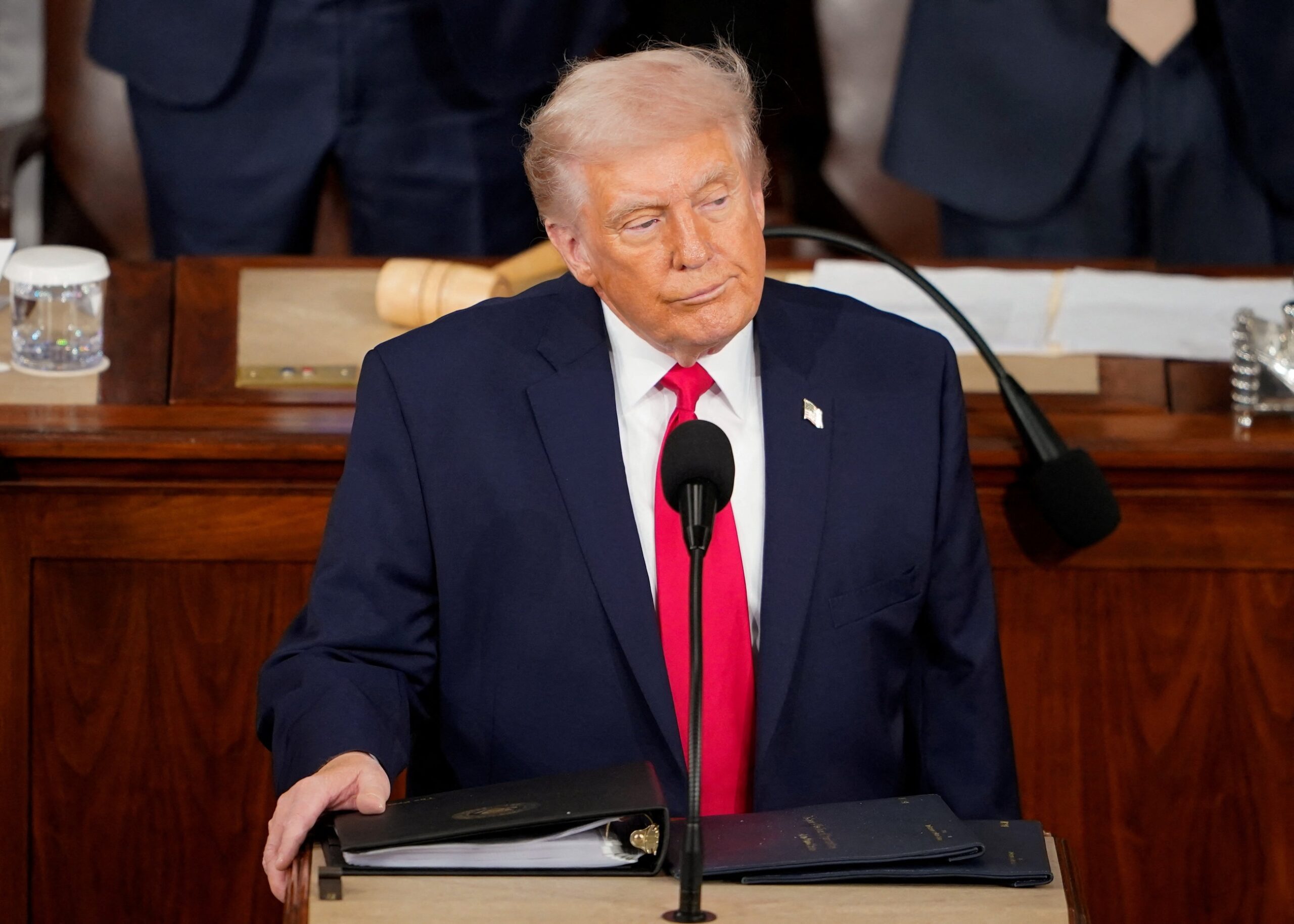
President Donald Trump has signed a memorandum directing the departments of Justice and Homeland Security to establish a framework under which approved private-sector partners can investigate, infiltrate and disrupt transnational cybercrime networks.

The move is aimed at tackling growing threats including ransomware attacks, online fraud and so-called sextortion schemes. The White House said such crimes caused more than $20 billion in losses to Americans during 2025.

Under the new framework, authorised companies could potentially infiltrate cybercriminals’ computer systems, deploy spyware or disrupt servers used to conduct criminal activities. However, each operation would require approval from the US government before any action is taken.

Participating companies would also be required to provide a bond of at least $1 million. Operations involving actions that could cause death or physical injury would remain prohibited. Activities that could qualify as the use of force under international law would also be excluded.

The initiative has drawn comparisons with privateering, a practice used centuries ago when governments authorised private vessels to attack or seize enemy ships.

Supporters argue that private technology companies possess specialised cyber expertise and access to data that government agencies may not have. They believe combining those capabilities with government authority could help disrupt criminal networks more effectively.

However, cybersecurity experts have raised concerns about accountability, oversight and the possibility of unintended consequences. Critics warn that allowing private companies to conduct offensive cyber operations could create diplomatic complications and make it difficult to control activities once they begin.

The policy also represents a notable shift in the Trump administration’s previous position. Earlier this year, senior US officials had indicated that the government was not interested in using private companies to fight cybercriminals through offensive operations.

It remains unclear what prompted the change in policy.

Some cybersecurity specialists believe the programme contains important safeguards because operations will be conducted under government authorisation. Others remain concerned that existing oversight institutions may not be strong enough to monitor such activities effectively.

The initiative could also expose participating technology companies to new risks. Experts warn that firms involved in government-sanctioned cyberattacks could become targets themselves and face retaliation from criminal groups or foreign governments.

The Trump administration has 60 days to finalise the programme’s operational framework, while some details are expected to remain classified.

Similar Posts

  • | |

    Ertugrul star Celal Al sends ‘Dil Dil Pakistan?…

    Turkish actor Celal Al has once again shown his affection for Pakistan, winning hearts among Pakistani fans with a warm message celebrating the close friendship between the two countries. Celal Al, best known for playing Abdurrahman Alp in the hit historical drama Diriliş: Ertuğrul, has developed a strong connection with Pakistani audiences since the series became hugely popular in the country. His portrayal of the loyal and courageous warrior made him a familiar face among viewers and helped build a passionate fan following in Pakistan. The actor recently confirmed that he plans to visit Pakistan again. In a message shared with his Pakistani followers, Celal expressed his excitement about returning and meeting fans. He also hinted that his upcoming visit will include several surprises connected to a collaboration with a Turkish brand. (Minute Mirror⁠) Celal ended his message with the much-loved phrase “Dil Dil Pakistan” alongside “Jan Jan Türkiye,” highlighting the cultural warmth between Pakistani and Turkish people. His words quickly attracted attention from fans who have followed his career since Ertugrul became a household favourite in Pakistan. (Minute Mirror⁠) This is not the first time Celal has celebrated Pakistan’s Independence Day. In August 2020, the actor shared a special video message in Urdu for Pakistani fans. He wished them a happy Independence Day and paid tribute to the country’s martyrs. He also said that Türkiye and its people would always stand beside Pakistan. (Geo News⁠) The actor even wrote “Dil Dil Pakistan” in the comments and ended his message by saying “Pakistan Zindabad.” His effort to communicate in Urdu made the message particularly special for Pakistani viewers. Celal’s relationship with Pakistan has continued beyond social media posts. He has met several Pakistani celebrities, including Imran Abbas and Reema Khan, and has been seen singing Dil Dil Pakistan alongside Pakistani stars. He has also participated in humanitarian activities and publicly expressed his support for the friendship between Türkiye and Pakistan. (Wikipedia⁠) His popularity in Pakistan grew rapidly after Diriliş: Ertuğrul was introduced to a wider Pakistani audience. The drama’s themes of courage, loyalty and Muslim history connected strongly with many viewers. As Pakistan celebrates another Independence Day, Celal’s continued messages of friendship have added another warm moment to the long-standing cultural relationship between the two nations. For his Pakistani fans, “Dil Dil Pakistan” from their favourite Ertugrul star remains a memorable symbol of that bond.

  • |

    Afghan fathers struggle as girls remain barred from secondary schools

    KABUL: Afghan fathers are facing growing distress as their daughters remain unable to continue their education beyond primary school under restrictions imposed by the Taliban authorities. Families across Afghanistan say the education ban is creating deep emotional and financial pressure. Some fathers are openly questioning the policy, despite their religious beliefs and support for other government measures. The Taliban administration has defended the restrictions as temporary and based on its interpretation of religious principles. However, many Afghan men say they cannot understand why girls should be prevented from receiving secondary education. A United Nations survey conducted last year found that about nine out of 10 Afghan men considered it important for girls to attend secondary school. Nearly two-thirds also viewed supporting a daughter’s education as a religiously commendable act. Girls were barred from secondary schools after the Taliban returned to power in 2021. Women were later also prohibited from attending universities. The restrictions have affected a large number of young Afghan women and girls. For many families, the approaching end of primary education has become a source of fear. Fathers worry that their daughters will lose their chance to pursue higher education and build professional careers. One father, identified as Ahmad, said he had never imagined that his daughters could be forced to stop studying. His wife is a mathematics teacher who is also unable to continue teaching secondary-level students. Ahmad said his eldest daughter is approaching the end of primary school. The family has considered private and underground educational options, but the cost is difficult to manage. Another father, a doctor identified as Mohammad, said he had always wanted his daughters to attend leading universities. He believes women are essential to Afghanistan’s development and should have opportunities beyond household responsibilities. His daughters are approaching the age when they will be forced to leave formal schooling. The family has considered sending them abroad, including to Pakistan, but changing regional circumstances have made that option difficult. Some families have turned to private schools that secretly provide general education alongside religious studies. These institutions often charge high fees and may not provide recognised graduation certificates. Parents also fear that authorities could take action against schools operating outside official restrictions. This leaves families caught between protecting their children and trying to continue their education. Another father from Kandahar said his young daughter has a strong interest in astronomy. She asks questions about the solar system, gravity and science. The girl reportedly asked her father how she could continue learning if she could not study beyond the sixth grade. Her question has become a painful reminder of the limited opportunities available to girls. Some families have moved to Kabul in search of better educational opportunities. Others are relying on online courses, home schooling and secret classes. The restrictions are also affecting children emotionally. Parents say many girls feel frustrated, isolated and uncertain about their future. One father said his teenage daughter often stays at home and becomes deeply upset when she thinks about her education. He said he sometimes leaves the room because he cannot control his emotions and ends up crying privately. Another family has created a home-schooling routine using old secondary-school textbooks. The parents try to maintain a school-like schedule so their daughters can continue learning. However, the parents say home education cannot fully replace a formal school environment. They worry about the lack of recognised qualifications, social interaction and access to trained teachers. Some girls have also begun attending secret classes. Their families remain concerned about possible consequences if the authorities discover them. The prolonged restrictions have created uncertainty for an entire generation of Afghan girls. Parents fear that years without formal education will limit their daughters’ future opportunities

  • | |

    Sindh restores Saturday holiday for schools

    The Sindh government has revised the weekly schedule for schools, restoring Saturday and Sunday as official weekly holidays for all public and private educational institutions across the province. According to the School Education and Literacy Department, the updated schedule has been approved by the chief secretary and will be implemented in all government and privately managed schools. Under the new arrangement, schools will operate five days a week, from Monday to Friday. To compensate for the reduced number of working days and ensure timely completion of the academic syllabus, daily teaching hours will be extended by one additional hour. Officials said the revised timetable aims to maintain the pace of academic activities while providing students and teachers with a two-day weekend. The latest decision replaces an earlier directive issued last month, under which all public and private schools in Sindh had been instructed to observe a six-day working week from August 1, with classes scheduled from Monday to Saturday. The change comes shortly after educational institutions resumed classes following the two-month summer vacation, which lasted from June 1 to July 31. Education authorities said the revised schedule will apply uniformly across the province and schools have been directed to implement the updated working days and teaching hours accordingly.

  • | |

    Rs65m Edhi robbery triggers outrage as workers dem…

    KARACHI: A Rs65 million robbery at an Edhi Foundation centre in Karachi has sparked protests, with families of affected employees demanding the recovery of the stolen money and the immediate arrest of those responsible. The demonstration was held outside the Karachi Press Club on Sunday, where relatives of Edhi Foundation workers, labour representatives, civil society activists and citizens gathered to voice their anger. Protesters carried placards and chanted slogans calling for justice and the safe recovery of funds intended to pay workers’ salaries. Edhi Foundation Chairman Faisal Edhi joined the protest and expressed concern over the financial hardship faced by employees from low-income families. He said the money stolen from the foundation’s Sohrab Goth centre had been kept specifically for salary payments. According to Faisal Edhi, four armed men entered the centre, took the Rs65 million and escaped. He said no arrests had been made so far and urged Sindh Chief Minister to take immediate action to ensure the suspects were arrested and the stolen funds recovered. “These workers come from poor families, and their households have been left without financial support,” Faisal Edhi said, assuring employees that the foundation would stand by them during the difficult situation. Human Rights Commission of Pakistan Chairman Asad Iqbal Butt also condemned the incident, saying the robbery at a humanitarian organisation raised serious concerns about security and law enforcement. He called on the Sindh government to provide immediate financial assistance to the Edhi Foundation and compensate it for the stolen amount. National Trade Union Federation Secretary General Nasir Mansoor, Pakistan Peoples Party Labour Bureau leader Habibuddin Junaidi and other representatives also attended the demonstration in support of the affected workers. Family members of the employees appealed to the provincial government to ensure that salaries were paid without further delay. They also demanded stronger security at Edhi Foundation centres across Karachi and called for the arrest and prosecution of the robbers. The protesters further questioned the Sindh police leadership over the lack of arrests and demanded an explanation for the delay in bringing the suspects to justice. The robbery has left many Edhi employees and their families facing immediate financial uncertainty, turning the incident into not only a major security concern but also a humanitarian issue for the workers who depend on their salaries to support their households.

  • | | |

    Bilawal hails Makkah defence pact as historic mile…

    Pakistan Peoples Party (PPP) Chairman Bilawal Bhutto Zardari has welcomed the Makkah Joint Defence Agreement, describing it as a historic development that will further strengthen Pakistan’s defence capabilities. In a statement issued on Saturday, Bilawal said the agreement marked an important moment in Pakistan’s history and carried significance beyond the defence cooperation of the three participating countries. He said the pact would contribute to a stable and secure future for Pakistan, Saudi Arabia and Türkiye while also supporting broader efforts for peace and stability in the region and around the world. Bilawal praised Prime Minister Shehbaz Sharif and Chief of Defence Forces and Chief of Army Staff Field Marshal Asim Munir for their role in facilitating the agreement. He described their contribution to the agreement as commendable and said the pact represented an important step toward strengthening collective security and defence cooperation among the three countries. The agreement was signed in Makkah by Pakistan, Saudi Arabia and Türkiye, amid heightened regional tensions and growing concerns over security and stability in the Middle East. The three countries have described the agreement as a defensive arrangement aimed at enhancing cooperation and deterrence, with an attack against one member to be treated as an attack against all. Bilawal’s remarks underline the PPP’s support for the agreement and its potential role in strengthening Pakistan’s strategic and defence partnerships while promoting regional stability.

  • |

    US announces visa curbs on cybercrime suspects

    The United States has announced a new visa restriction policy targeting foreign nationals accused of involvement in cybercrime, online fraud and other cyber-enabled criminal activities. The new measures will apply to people who are directly involved in such crimes or who knowingly assist criminal networks. The policy specifically covers online scams, cyber fraud and sextortion. US Secretary of State Marco Rubio said the policy was introduced as part of the Trump administration’s broader campaign against cybercrime and fraud targeting American citizens. The move follows an executive order signed by President Donald Trump aimed at combating cybercrime, financial fraud and schemes that exploit US citizens. According to the US State Department, online investment scams have become a major threat to Americans. The department said US citizens lost at least $10 billion to scams in 2024. Officials also raised concerns about criminal organisations operating across borders. Some scam operations are allegedly linked to transnational criminal groups and are associated with money laundering, corruption and human trafficking. The US government also highlighted the growing threat of sextortion. American children have reportedly been targeted by overseas criminals who use online platforms to manipulate and blackmail victims. Under the new policy, visa restrictions can be imposed on foreign nationals found responsible for or complicit in cybercrime and cyber-enabled criminal activities. In certain cases, immediate family members of individuals involved in such activities may also face visa restrictions. The policy has been introduced under Section 212(a)(3)(C) of the US Immigration and Nationality Act. The administration said visa restrictions would form part of a wider effort to disrupt international scam networks. Other measures could include sanctions, criminal prosecutions, asset seizures and extradition requests. Washington also plans to strengthen cooperation with international law enforcement agencies to identify and dismantle criminal networks operating across borders. Rubio said the United States would pursue individuals who target Americans through cybercrime and fraudulent schemes. The administration said the new restrictions were intended to increase the consequences for criminals and those who help them operate

Leave a Reply

Your email address will not be published. Required fields are marked *