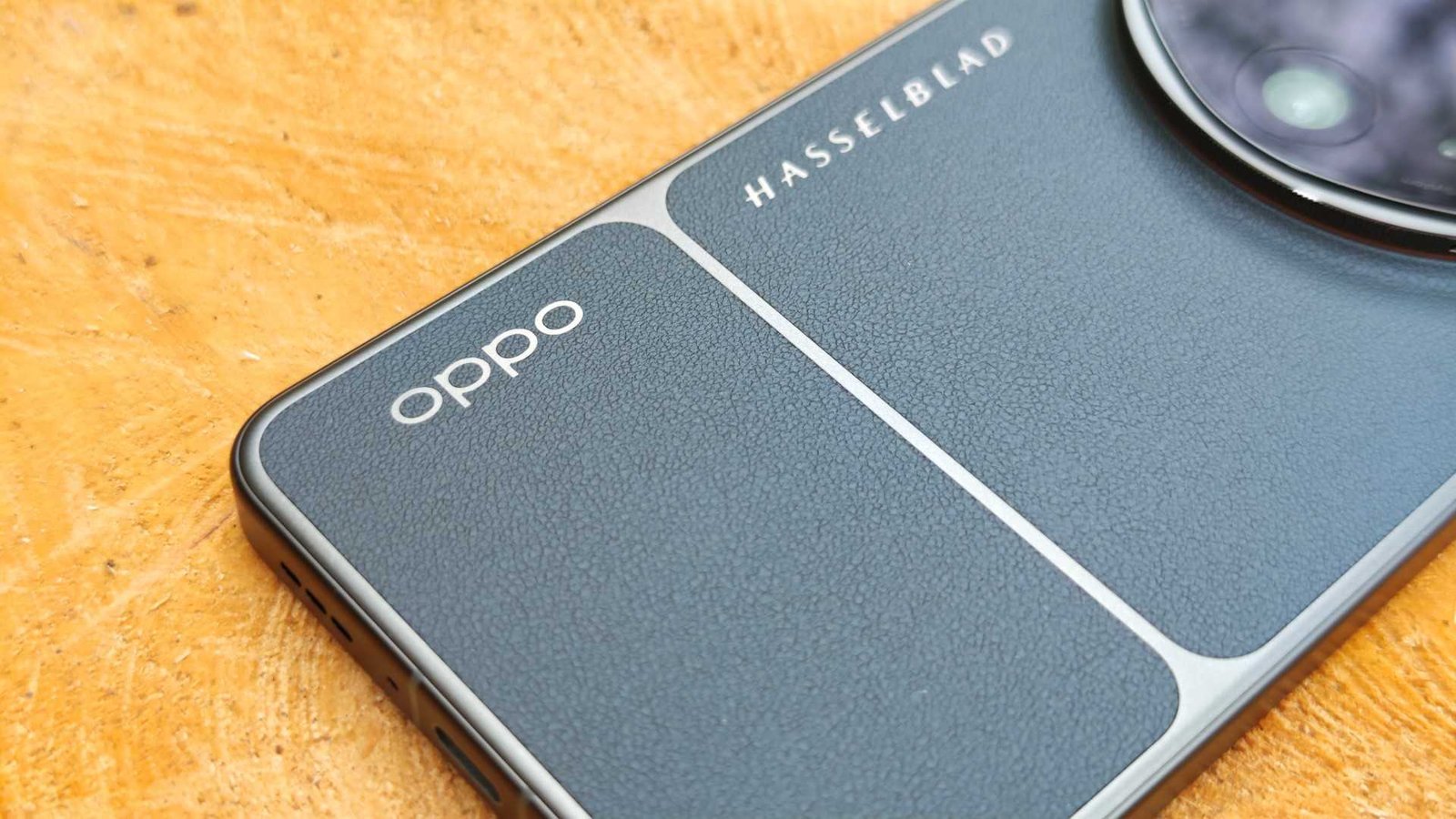
Oppo could kick off a widescreen phone revival – and I’m so here for it
In an incredibly boring year for phones, wide foldables are about the only interesting thing that’s happened in 2026.
Apple’s iPhone Duo started a trend before it even launched, with Samsung’s Galaxy Z Fold 8 and the Xiaomi 18 Fold both borrowing its passport-style form factor.
Could a similar revolution be coming for non-foldable phones? According to established leaker Digital Chat Station (via Ice Universe on X), Oppo is working on a new flagship phone with a traditional 16:9 aspect ratio.
It wouldn’t be the first – Huawei’s Pura X View has already launched in China – but it could kick off a new trend on globally available smartphones. It might not be a new idea, but it makes sense on multiple levels.
Back to the future
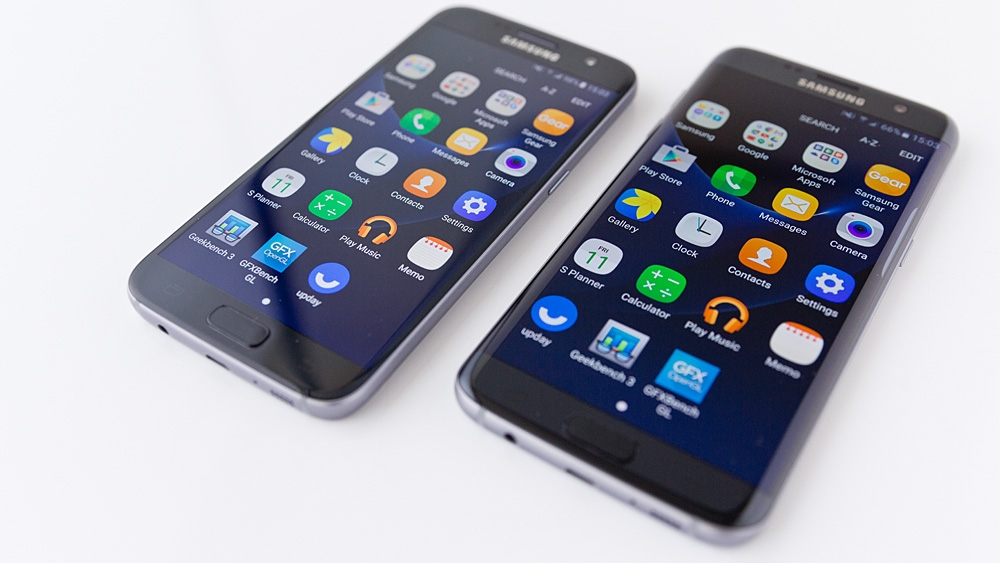
Once upon a time, almost all smartphones adopted a 16:9 display. As handsets moved from pure mobile communicators to pocket entertainment systems, it became a necessity.
However, in the last decade, tall and narrow screens have become the norm. It allows for a larger total screen area, without the chunky bezels which defined many mid-2010s phones.
Foundry
But what if you could have the best of both worlds? The Digital Chat Station report suggests Oppo’s phone would have a razor-thin 1mm bezel on all four sides, giving it a symmetrical look. This approach offers a couple of clear benefits…
The end of letterboxing?
For years, I’ve hated the experience of watching widescreen content on smartphones. While huge screens made it a realistic option, the huge black bars above and below the content (known as ‘letterboxing’) made it very frustrating.
The ‘solution’ offered by some streaming platforms has been to let you crop in on the frame, but that risks missing out on crucial details that the director or producers really wanted you to see. On a more basic level, cutting off the top of someone’s head just to get a full-screen video isn’t a good look.

Luke Baker
With most widescreen content still shot in 16:9, it’ll display absolutely perfectly on the Oppo phone. And with the bezels shrunk massively, you get the immersive viewing experience that was previously lacking.
It’s not as if short-form video will be. As the Galaxy Z Fold 8‘s cover screen showed, a wider display doesn’t have any significant negative impact on TikToks or Instagram Reels. Everything still looks just fine.
A return for one-handed usage
At 81mm, the Oppo phone would be wider than most current smartphones, but not by much. The Galaxy S26 Ultra is 78mm, for example. I wouldn’t expect there to be much of a (re)learning curve.
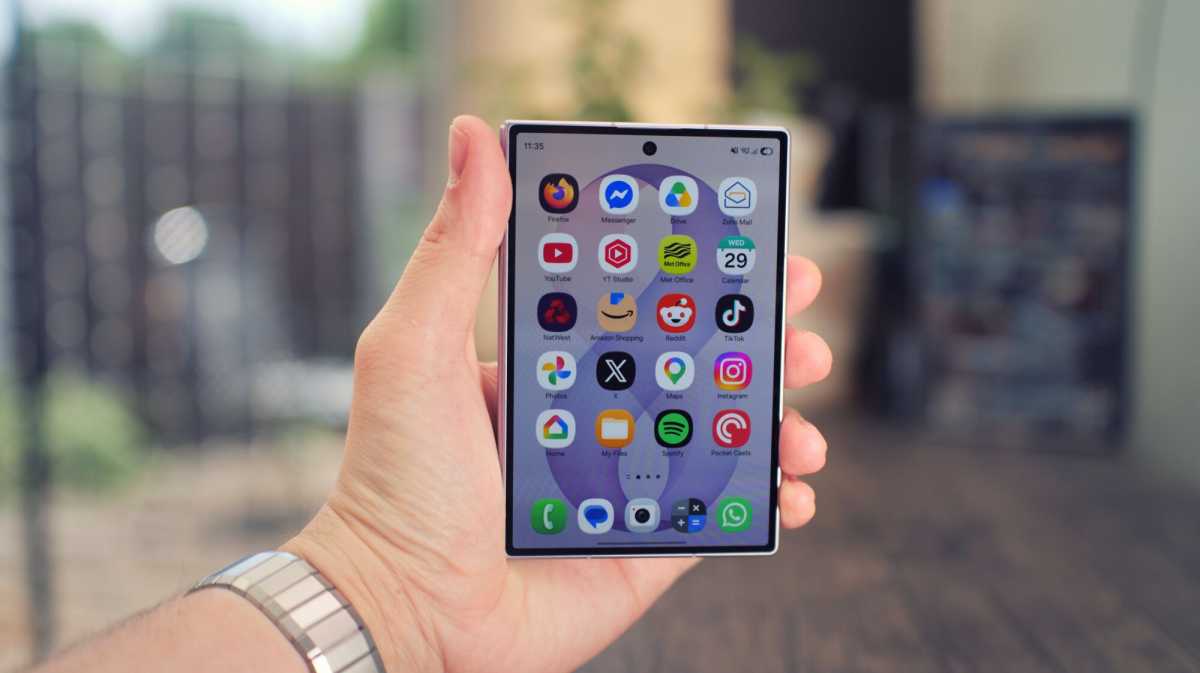
But it’s the height that’ll be the big change. Digital Chat Station hasn’t revealed exactly how tall Oppo will make the device, but the Galaxy Z Fold 8 offers clues. At 124mm, it’s nearly 40mm (4cm) shorter than the S26 Ultra.
Admittedly, the screen on non-folding devices is likely to be much bigger than the Fold 8’s 5.5-inch external screen (Digital Chat Station suggests around 6.3-6.4 inches), but the change should still be instantly noticeable.
Luke Baker
And this will have a big bearing on a forgotten aspect of smartphones: one-handed usage. As phones got taller, manufacturers had to resort to software tricks to make key areas easier to access, such as navigation buttons at the bottom of the screen or even a dedicated one-handed mode.
However, I rarely use the latter as it feels more trouble than it’s worth. As a result, I don’t even try to use my phone with one hand anymore, even on the more compact Pixel 11 Pro. A shorter, wider phone brings back that possibility again.
There will be issues to work out, of course, but I really hope Oppo’s wide flagship kicks off a new trend in non-folding phones in 2027.