easy tricks boost
|

7 easy tricks to boost internet speed on Android phones

We all experience this: trying to load a webpage, stream a video or open an app on our Android phones. However, sometimes the internet becomes so slow that it feels like it is crawling.

Slow internet on a phone affects downloads and uploads, websites take longer to open and videos may remain stuck instead of playing smoothly. Fortunately, Android phones offer several tools and tricks that can help improve internet speed.

Clear background apps

Apps running in the background use data, processing power and internet connectivity. Clearing or disabling unnecessary background apps can prevent them from affecting internet speed. For this purpose, go to Settings and disable unnecessary apps running in the background.

Clear cache for faster internet

When you use apps or visit websites on an Android phone, the device stores some data known as cache. These files are designed to help apps and websites run more efficiently and can be useful in the short term.

However, when too many cache files accumulate, they may affect performance and internet speed. Therefore, clearing an app’s cache can help improve the device’s performance. To do this, go to Settings, select Apps, open the relevant app’s information page then select Storage and tap Clear Cache.

Update operating system and apps

Outdated operating systems and apps can affect performance and internet speed. Keeping your software and apps updated can help maintain better speed while also improving the overall performance of your phone.

Use fast browser

A web browser can directly affect your browsing experience and internet performance. Browsers such as Google Chrome and Firefox are regularly updated and their performance is continuously improved.

Adjust Airplane Mode

Airplane Mode on smartphones is primarily designed to disable radio-frequency signal transmission. When Airplane Mode is turned on, Wi-Fi, Bluetooth and cellular signals are switched off, stopping wireless communication.

However, this feature can also be used to refresh your internet connection. Smartphones connect to nearby mobile towers for cellular signals. When you move around throughout the day, your phone may not always connect to the best available tower.

Resetting the connection through Airplane Mode may help improve internet speed. Simply turn Airplane Mode on and wait for a short while before turning it off again. This may allow your Android phone to reconnect to a better mobile tower and improve internet speed.

Restart your phone or router

Restarting devices can also improve their performance. Restarting your smartphone or router may clear temporary errors and can sometimes help improve internet speed.

Move closer to router

Distance is important when using a Wi-Fi connection. If possible, move closer to your router. This can improve the signal strength and may result in a faster and more stable internet connection.

Similar Posts

  • Ultrasound patch may help improve sleep without medication

    Scientists at the University of Texas in the United States have developed an advanced wearable patch that may help people enter REM (Rapid Eye Movement) sleep more quickly and remain in this stage for longer without surgery or medication. According to scientists, the device called NEUSLeeP combines electrodes that monitor brain activity in real time. Researchers say the technology can target deeper areas of the brain associated with REM sleep while simultaneously monitoring the brain’s response. Scientists tested the patch on 28 people and the findings were published in the scientific journal Nature Communications. According to the study, people using the device entered REM sleep an average of 43 minutes earlier and spent approximately 16 additional minutes in this stage. The effect was observed both in healthy individuals and in people experiencing sleep problems. Participants reported that the patch was comfortable to wear while only minimal side effects were observed during the study. Researchers also found that ultrasound treatment caused certain changes in the body associated with stress regulation. Among healthy participants, a significant increase in heart-rate variability was observed which is generally associated with the body’s ability to cope with and respond to stress. Changes were also observed in brain circuits involved in emotional processing during brain imaging. According to researchers, these findings are important because disruptions in REM sleep have been linked to mental health conditions such as depression, anxiety and post-traumatic stress disorder (PTSD). Scientists emphasized that further large-scale research is needed before NEUSLeeP can be used as a standard treatment. Future studies are planned to determine whether the technology could also be effective for people experiencing chronic insomnia, depression and PTSD.

  • UK approves myqorzo for rare heart disease

    The UK has approved a new medicine called Myqorzo to treat obstructive hypertrophic cardiomyopathy (oHCM) a rare heart condition that can block blood flow from the heart. The approval was granted by the UK’s medicines regulator on Thursday. At the same time the National Institute for Health and Care Excellence (NICE) recommended that eligible adults in England and Wales should receive the treatment through the NHS. oHCM causes the heart muscle to become unusually thick making it harder for the heart to pump blood around the body. Around 1 in every 500 people in the UK has hypertrophic cardiomyopathy (HCM) and about half of the cases are inherited. NICE recommends Myqorzo for adults with symptoms of oHCM who are classified as NYHA Class II or III. The medicine can be used together with standard treatments or on its own if other medicines are not suitable.  Around 6,600 patients are expected to benefit from the treatment. Myqorzo belongs to a group of medicines called cardiac myosin inhibitors the same class as Bristol Myers Squibb’s Camzyos. It works by relaxing the heart muscle reducing the blockage and helping the heart pump blood more effectively.

  • When global recognition becomes a local burden

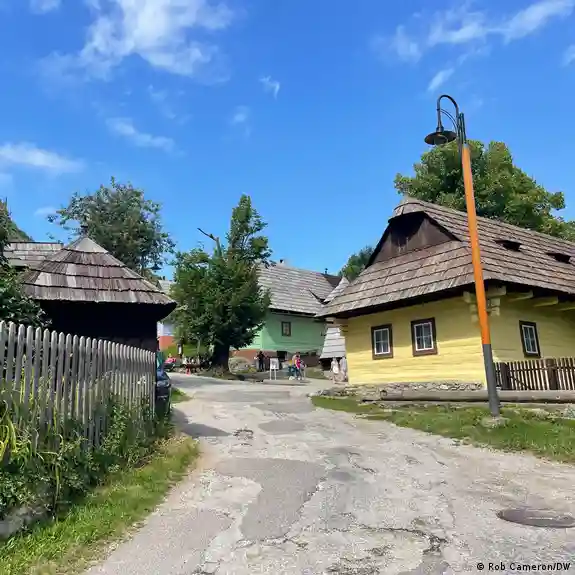
    In the Carpathian Mountains of central Slovakia lies Vlkolínec, a preserved settlement. This village is renowned for its pastel-painted timber cottages and traditional 19th-century folk architecture. It was inscribed as a UNESCO World Heritage site in 1993. Vlkolínec was celebrated not merely as a set of historical buildings, but as a living community. A rare surviving traditional rural life in Central Europe. However, three decades after receiving this prestigious designation, the small mountain is struggling with an existential dilemma. What was meant to be a cultural preservation has transformed into a challenge for the few villagers who still call Vlkolínec home. Now, frustration among permanent residents has reached a boiling point. There are calls to have the village removed from the UNESCO list altogether. When UNESCO designated Vlkolínec as a World Heritage site, one of the criteria was that it remained an inhabited settlement. At the time of inscription, the village was home to around 200 residents. Today, that permanent population has declined to just 14 to 17 people spread across four core families. In contrast to this dwindling resident count, Vlkolínec receives approximately 100,000 tourists every year. For the remaining inhabitants, the ratio of over 7,000 visitors per resident has basically altered the daily life. Locals report feeling as though they live inside a tourist zoo. The boundaries between public spaces and private homes are routinely ignored. Despite signs requesting privacy, visitors frequently wander into private yards, peer through kitchen windows, and treat active properties as open-access museum displays. The loss of privacy is compounded by anti-social tourist behavior. This conduct has been leaving locals feeling alienated in their own hometown. Overtourism is only one side of the coin. Residents also voice deep frustration over the rigid conservation framework that accompanies World Heritage status. Under national protection laws and strict UNESCO guidelines, historic homes face tight restrictions on modern modifications and physical alterations. Elderly villagers point out that these preservation rules have made customary rural activities increasingly difficult. Small-scale farming, livestock keeping, and land cultivation have gradually vanished. Surrounding agricultural terraces have become overgrown. Traditional meadow mowing has largely ceased as older generations pass away and younger generations move away. Furthermore, many of the village’s timber cottages have been bought up by outside buyers to serve as weekend holiday retreats. This phenomenon has increased the loss of a permanent, cohesive community. Some residents argue that revoking UNESCO status would reduce tourist pressure and ease regulatory burdens. However, municipal officials and heritage experts contend that delisting is neither practical nor the right solution. Local administrators in the nearby town of Ružomberok emphasize that UNESCO status brings significant heritage recognition and funding opportunities. Rather than abandoning the title, officials advocate for smarter tourism management. From a procedural standpoint, voluntary delisting at the request of a local community is virtually unprecedented in UNESCO’s history. The organization typically removes properties only when they lose their outstanding universal value due to severe destruction or irreversible development. The debate unfolding in Vlkolínec highlights a broader issue facing protected historic sites around the globe. How to balance global recognition and economic benefits with the rights and wellbeing of local inhabitants! Small historic communities across Europe and beyond battle with overcrowding and demographic decline. Vlkolínec serves as a reminder that preserving physical architecture alone is not enough. Without protecting the living social fabric of a community, world heritage sites risk turning into empty shells of their former selves.  

  • Restarting your workout? Avoid these common mistakes

    If you stopped exercising for a long time because of work stress or other reasons and are now planning to return to the gym health experts advise against starting with your old workout routine right away. After a long break the body needs time to get used to physical activity again. Starting with heavy or intense exercise too quickly can lead to muscle pain extreme tiredness and a higher risk of injury. Why you should start slowly Busy work schedules long meetings stress and personal responsibilities often cause people to stop exercising.  When they return to the gym many assume they can immediately exercise at the same level as before. However staying inactive for a long time can reduce muscle strength flexibility and stamina. The body needs time to rebuild these abilities so suddenly doing hard workouts can put too much pressure on the muscles and joints. Begin with light exercise Experts recommend starting with simple stretching exercises to prepare the muscles and reduce stiffness.  Light activities such as walking or easy cardio can then help the heart and lungs adjust while gradually improving stamina. Light strength training is also useful because it helps build stronger muscles bones and joints.  Beginners should use manageable weights and focus on doing each exercise with the correct form. Rest and nutrition matter A safe return to exercise is not only about workouts. Eating a balanced diet drinking enough water and getting proper sleep can help the body recover and support muscle health. The key is to increase the intensity slowly instead of trying to make up for lost time with hard workouts. Note This information is for general awareness. Anyone with an existing health condition injury or other medical concern should consult a doctor before restarting exercise.

  • Why you crave fried foods

    Have you ever finished a full meal but still wanted to eat fries samosas fried chicken, or pakoras? Many people think it is simply a lack of self control but scientists say there is much more to it. Research suggests that our brain taste buds and eating habits all work together to make fried foods hard to resist. When food is fried its texture smell and flavor change.  According to research from the University of São Paulo in Brazil, frying removes water from food making the outside crispy and crunchy. At the same time proteins and starches change through a process called the Maillard reaction which gives fried foods their golden color rich aroma and delicious taste. Scientists say the brain also plays an important role.  A study published in Nature Reviews Neuroscience found that eating favorite foods activates the brain’s dopamine system. Dopamine is not just linked to pleasure it also helps the brain remember enjoyable experiences and encourages us to repeat them. This is why the smell or sight of French fries samosas or fried chicken can make you want to eat them even if you are not hungry. Experts also say that craving fried foods does not usually mean your body is missing a specific nutrient. These cravings are more often influenced by habits tempting smells emotions memories and the foods around you. Does this mean fried food is bad for your health? •Not necessarily Eating fried foods occasionally is generally not a problem.  However making them a regular part of your diet may increase health risks. In a large study by researchers at the Harvard T.H. Chan School of Public Health more than 110,000 adults were followed for over 20 years. People who ate fried foods seven or more times a week had a higher risk of developing type 2 diabetes and a slightly higher risk of heart disease than those who ate fried foods less than once a week. Researchers believe that weight gain high blood pressure, and unhealthy cholesterol levels may partly explain this increased risk. Experts do not recommend giving up fried foods completely. Instead they suggest eating balanced meals avoiding skipping meals and enjoying fried foods only in moderation. This approach may help reduce cravings while supporting better overall health. Scientists say the attraction of fried food comes from a powerful combination of crispy texture rich flavor tempting smell and the brain’s memory of enjoyable eating experiences. That’s why even after a full meal one hot and crispy bite can still be hard to resist.

  • Study links fructose to Cancer spread

    A new scientific study has found that fructose a simple type of sugar may help cancer cells that survive chemotherapy send signals that encourage the disease to spread. Researchers at the Wistar Institute in the United States explained that some cancer cells are not completely destroyed by chemotherapy. These surviving cells stop dividing but remain active. They continue to send chemical signals to nearby cancer cells which may influence how the disease behaves. The study published in the journal Nature Aging suggests that fructose could be one of the substances involved in this signaling process. According to the researchers it may help surviving cancer cells stay active and communicate with other cancer cells. Co-author Aidan Cole said this is one of the first studies to show that a nutrient found in food such as fructose may act as a signaling molecule between cancer cells. Experts say the findings could improve understanding of how cancer returns or spreads after chemotherapy and may help guide future treatments. However they stressed that more research is needed. The study does not prove that eating fructose directly causes cancer to grow or spread.

Leave a Reply

Your email address will not be published. Required fields are marked *