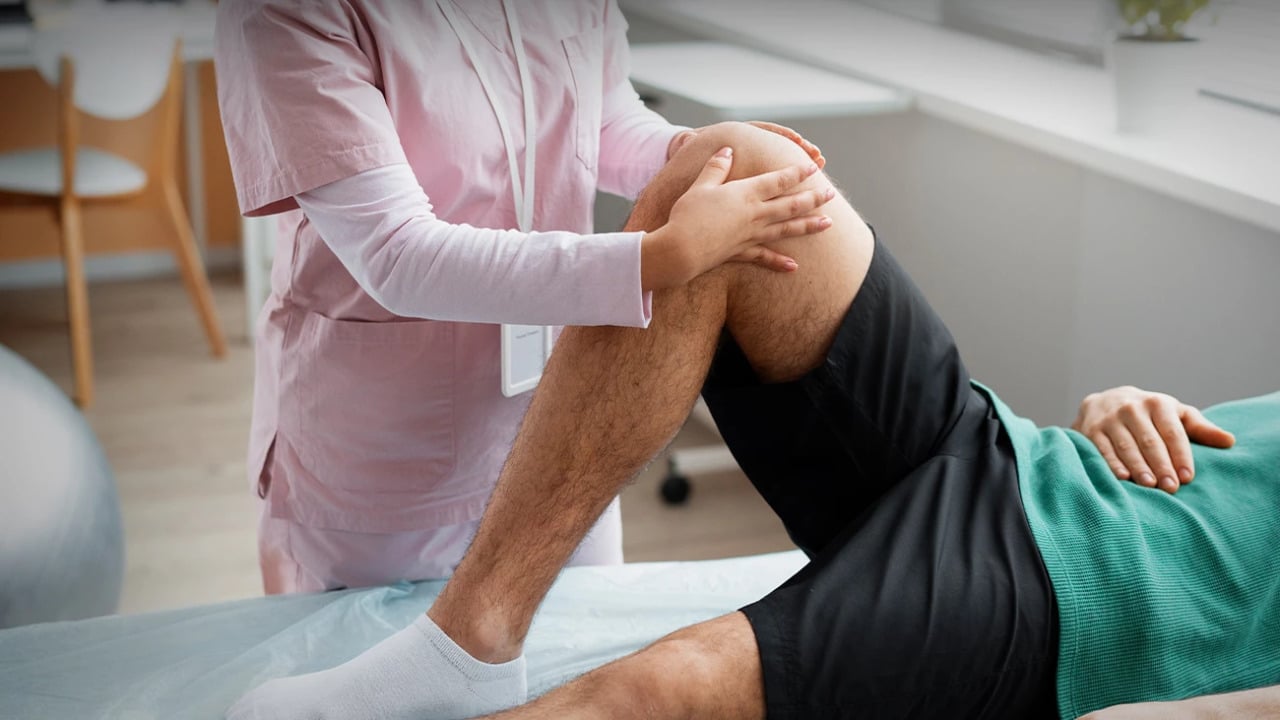
Genicular Artery Embolization (GAE) for Knee Pain in Thailand
BANGKOK – Persistent osteoarthritis knee pain can make walking, climbing stairs, and everyday activities difficult, even after medication, physical therapy, weight management, or injections. In Thailand, some patients seek an option between ongoing conservative care and total knee replacement, especially when surgery carries added concerns or feels premature.
- GAE is a minimally invasive, image-guided procedure that uses a catheter and tiny embolic particles to reduce blood flow in abnormal vessels associated with inflammation around the knee.
- Patients with ongoing osteoarthritis pain despite standard treatment may consider it, although suitability depends on the severity of joint damage, overall health, and assessment by an experienced medical team.
- Recovery is usually shorter than after knee replacement, but evaluation, imaging, informed consent, and follow-up are still essential, and results can differ from one patient to another.
This guide explains how GAE works, who may benefit, what treatment in Thailand involves, its potential benefits and risks, current evidence, other treatment options, and common questions patients ask before making a decision. The first step is understanding why abnormal blood vessels and inflammation may contribute to persistent knee pain.
How GAE May Relieve Osteoarthritis Knee Pain Without Surgery
Genicular artery embolization (GAE) offers a minimally invasive approach for people whose osteoarthritis knee pain continues despite medication, physical therapy, weight management, or injections. Instead of replacing damaged joint surfaces, the procedure targets abnormal blood vessels linked to inflammation around the knee.
GAE may help bridge the gap between conservative treatment and knee replacement. However, it doesn’t repair worn cartilage or reverse advanced joint damage. A specialist must assess whether inflammation is a major source of your symptoms.
How Abnormal Blood Vessels Can Contribute to Knee Pain
Osteoarthritis affects more than cartilage. As the joint becomes irritated, the synovial lining may thicken and produce inflammatory chemicals. The body can also form extra, fragile blood vessels around this tissue.
These vessels may develop alongside small nerve fibers. Together, they can maintain inflammation and send ongoing pain signals, especially during walking, climbing stairs, or standing for long periods. In some patients, this process continues even after standard treatments provide little relief.
GAE focuses on these abnormal vessels. An interventional radiologist guides a thin catheter through an artery, usually from the groin or wrist, toward the blood vessels surrounding the knee. Using live X-ray imaging, the physician identifies the vessels associated with inflammation and delivers tiny embolic particles.
The particles reduce blood flow in those selected vessels. Normal circulation to the leg and knee remains intact, while the inflammatory supply may decrease. This can interrupt the cycle that keeps the joint painful and swollen.
GAE targets inflammatory blood flow around the knee, but it does not replace cartilage or correct major bone deformity.
What the Procedure and Recovery Involve
Patients usually receive local anesthesia and light sedation. The catheter entry point is about the size of a small needle puncture, and the procedure commonly takes one to two hours.
Afterward, you may spend several hours under observation before returning home. Temporary soreness, bruising, or a mild increase in knee discomfort can occur during the first few days. Many patients return to routine activities within one to two weeks, although recovery varies.
Pain relief may develop gradually rather than immediately. Your clinician may recommend walking, gentle exercises, or physical therapy as symptoms improve. These measures can help rebuild strength and support better knee function.
Who May Consider GAE?
GAE may be considered when chronic osteoarthritis knee pain remains disruptive after non-surgical care. It can also appeal to patients who want to delay knee replacement because of age, medical concerns, or personal preference.
A medical evaluation should review:
- The cause and severity of your knee symptoms
- X-rays or other imaging results
- Previous treatments and their effectiveness
- Blood vessel health and circulation
- Medications, allergies, and other medical conditions
Results differ between patients, and GAE isn’t appropriate for every type of knee pain. A consultation with an experienced interventional radiologist and orthopedic team can clarify whether inflammation, structural damage, or another condition is driving your symptoms.
Who in Thailand May Be a Candidate for GAE?
Genicular artery embolization may suit adults in Thailand with persistent osteoarthritis knee pain that has not improved enough with standard care. It can provide another option before joint replacement, but a specialist must confirm that inflammation around the knee is contributing to the symptoms.
GAE does not rebuild cartilage, straighten a severely deformed knee, or treat every cause of knee pain. The right candidate is usually selected after a review of medical history, physical symptoms, imaging, and blood vessel health.
Patients Who May Benefit From GAE
Doctors may consider GAE for people who have:
- Knee pain caused by osteoarthritis rather than an untreated injury or another joint disease
- Symptoms that continue for several months despite non-surgical treatment
- Pain that limits walking, stair use, work, sleep, or other daily activities
- Limited benefit from medication, physical therapy, weight management, or knee injections
- Imaging findings that match the location and severity of the reported symptoms
- A wish to delay knee replacement because of age, health concerns, or personal preference
Patients with moderate osteoarthritis may be suitable when inflammation plays a major role in their discomfort. Some people with more advanced disease may also receive an evaluation, although major bone damage or severe deformity can reduce the chance of meaningful improvement.
A consultation should also consider whether the pain comes from the knee joint itself. Hip problems, lower-back nerve compression, ligament injuries, and referred pain can feel similar. Treating the wrong source will not solve the problem.
Health Factors Doctors Review in Thailand
Before recommending GAE, a medical team will assess circulation in the leg and review conditions that could increase procedural risk. Blood tests may also help the team plan safely, especially if you take medication that affects clotting.
Your evaluation may include:
- A physical examination to assess movement, swelling, tenderness, and joint stability.
- X-rays or other imaging to measure osteoarthritis and check for structural problems.
- A review of previous treatments, including injections, therapy, and pain medicine.
- A medication review, including blood thinners and drugs that may affect kidney function.
- An assessment of allergies, diabetes, kidney disease, bleeding disorders, and circulation problems.
Patients should provide complete medical records, even when treatment occurred outside Thailand. Accurate information helps the interventional radiologist decide whether GAE is appropriate and whether another treatment would offer better relief.
When GAE May Not Be the Best Choice
GAE may not suit someone with an active infection, serious blood vessel disease, an uncontrolled bleeding problem, or a severe contrast-medium allergy. The team may also recommend against it when imaging shows that the knee pain comes mainly from advanced structural damage.
A person with a locked knee, major instability, a recent fracture, or a torn ligament may need orthopedic treatment instead. In these situations, reducing abnormal blood flow will not correct the mechanical problem.
A candidate assessment should answer two questions: Is osteoarthritis causing the pain, and is inflammation a significant part of that pain?
Patients in Bangkok and other parts of Thailand should ask which specialist performs the procedure, what imaging is required, how complications are handled, and what follow-up care includes. A careful consultation is more useful than choosing GAE based on pain severity alone.
What to Expect Before, During, and After GAE in Thailand
Genicular artery embolization in Thailand usually follows a planned outpatient pathway. Your care team first confirms that osteoarthritis is causing your knee pain and that abnormal blood flow may be contributing to inflammation. After treatment, most patients spend several hours under observation before returning to their hotel or home.
Before Your GAE Procedure
Your first appointment will include a medical history, physical examination, and review of previous treatments. Bring your imaging reports, medication list, allergy information, and details of any past injections or surgeries. If your records are from another country, provide translated copies when possible.
The specialist may request weight-bearing knee X-rays, magnetic resonance imaging, or other tests. Blood tests can help assess kidney function and blood clotting. These checks matter because GAE uses contrast material and a catheter inside an artery.
Tell the clinic if you take aspirin, anticoagulants, diabetes medication, or supplements that affect bleeding. Never stop a prescribed blood thinner without medical instructions. The team will explain whether you should adjust medication before treatment.
You may also receive instructions to:
- Avoid food and drinks for a set period before the procedure.
- Arrange transportation back to your hotel or residence.
- Wear loose clothing and avoid applying lotion near the planned catheter site.
- Bring a trusted adult if you expect to receive sedation.
- Plan lighter activities for the first several days.
Ask about the physician’s experience, the type of embolic material used, total costs, follow-up arrangements, and what happens if you develop a complication after returning home. International patients should also confirm how the clinic handles communication after departure.
During GAE in Thailand
GAE is performed in an angiography or interventional radiology suite. You typically remain awake, while local anesthesia numbs the catheter entry site and mild sedation helps you relax.
The physician inserts a thin catheter through a small artery, often near the groin or wrist. Live X-ray imaging guides the catheter toward the genicular arteries around the painful knee. Contrast dye helps identify unusual vessels associated with inflamed tissue.
Once the target vessels are confirmed, the physician releases microscopic embolic particles through the catheter. These particles reduce blood flow in selected abnormal vessels while preserving the main circulation to the leg and knee. The catheter then comes out, and the team applies pressure or a dressing to the entry site.
The procedure commonly lasts one to two hours, although the total visit takes longer because of preparation and recovery. You may feel warmth from the contrast dye or mild pressure during catheter placement. Tell the team immediately if you feel severe pain, shortness of breath, chest discomfort, or an unusual reaction.
After GAE and During Recovery
After treatment, nurses monitor your blood pressure, pulse, leg circulation, and catheter site. You may need to remain lying down for a period, especially when the catheter was inserted through the groin. Once you can walk safely and drink fluids, the team may discharge you the same day.
Mild bruising or soreness near the catheter site is common. The treated knee may also feel more painful for a few days as the tissue responds to the procedure. Your doctor may recommend prescribed pain medicine, ice, limited strenuous activity, and gentle walking.
Many patients resume normal daily activities within one to two weeks, but recovery depends on general health and knee damage. Pain relief may appear gradually rather than immediately. Keep every follow-up appointment so the team can assess symptoms, wound healing, movement, and circulation.
Contact your clinic promptly if you develop worsening swelling, severe or persistent pain, fever, heavy bleeding, numbness, a cold foot, or color changes in the leg. These symptoms need medical review rather than self-treatment.
GAE can reduce inflammation-related knee pain, but it does not restore worn cartilage or correct severe joint deformity. Follow-up care helps determine whether additional rehabilitation or orthopedic treatment is needed.
Benefits, Risks, Evidence, and Alternatives to Consider
GAE can reduce inflammation-related knee pain without cutting bone or replacing the joint. Still, it is not a cure for osteoarthritis, and the right choice depends on your symptoms, imaging, health, and treatment goals.
Potential Benefits of GAE for Knee Pain
GAE may offer several advantages for carefully selected patients:
- Small catheter entry point: The procedure usually requires only a tiny arterial puncture, rather than a large surgical incision.
- Shorter recovery: Many patients return to normal daily activities within one to two weeks, although individual recovery varies.
- No joint replacement: GAE preserves the existing knee and may help some patients postpone replacement surgery.
- Targeted treatment: Embolic particles reduce blood flow in abnormal vessels associated with inflamed tissue while preserving the main circulation to the leg.
- Repeat treatment may be possible: If pain returns, a specialist can reassess the knee and determine whether another procedure is appropriate.
Pain relief may develop over several weeks rather than immediately. Physical therapy, weight management, and muscle-strengthening exercises remain important because GAE does not restore cartilage or correct changes in the knee’s shape.
Risks and Limitations to Understand
Every catheter-based procedure carries risks. Common short-term effects include soreness, bruising, or bleeding at the catheter site. Some patients experience temporary worsening of knee pain after embolization, often called a post-procedure inflammatory reaction.
Less common complications can include infection, damage to an artery, blood clots, skin discoloration, or reduced blood flow to nearby tissue. An unintended blockage of a small vessel is possible, which is why the procedure requires detailed angiographic imaging and an experienced interventional radiologist.
Contrast dye can also cause an allergic reaction or place extra strain on the kidneys. Tell your care team about kidney disease, previous contrast reactions, diabetes, bleeding disorders, and all medications you take.
GAE may provide less benefit when severe osteoarthritis causes major deformity, instability, or bone-on-bone mechanical pain. It also cannot treat a fracture, ligament tear, infected joint, or nerve pain from the back. A second medical opinion may help when the diagnosis remains uncertain.
Ask what the procedure can realistically improve, what it cannot repair, and what treatment you would need if pain continues.
What the Evidence Shows
Early clinical studies and international experience suggest that GAE can reduce pain and improve function for some people with knee osteoarthritis. Results have encouraged further research, particularly because many patients want an option between injections and knee replacement.
However, the evidence is still developing. Studies have used different embolic materials, patient selection criteria, imaging methods, and follow-up periods. Some research has also involved relatively small groups of patients, which makes it difficult to predict long-term results for everyone.
Current evidence supports careful patient selection rather than a promise of permanent relief. Pain improvement may last several years for some patients, but outcomes differ. Researchers continue to study how GAE compares with injections, physical therapy, and surgery over longer periods.
Before treatment in Thailand, ask the clinic for information about its own follow-up results, complication rates, the physician’s experience, and the type of embolic material used. A trustworthy consultation should explain uncertainty rather than guarantee a specific result.
Alternatives to GAE for Osteoarthritis Knee Pain
GAE is one option within a broader treatment plan. Depending on your condition, alternatives may include:
- Exercise and physical therapy: Strengthening the quadriceps, hips, and core can improve stability and reduce strain on the knee.
- Weight management: Losing excess weight can reduce the load placed on the joint during walking and climbing stairs.
- Pain medication: Acetaminophen or anti-inflammatory medication may help some patients, but your clinician should review kidney, stomach, heart, and blood pressure risks.
- Injections: Corticosteroid or hyaluronic acid injections can provide temporary relief for selected patients.
- Bracing or walking aids: A brace, cane, or other support may reduce pressure on a painful area.
- Knee replacement: Advanced osteoarthritis with severe pain, deformity, or loss of function may respond better to partial or total joint replacement.
The best choice often combines treatments. For example, a patient might use GAE to reduce pain, then begin physical therapy to rebuild strength and walking tolerance.
Frequently Asked Questions About GAE
How long can pain relief from GAE last?
Some patients report relief lasting several years, but results vary. The duration depends on arthritis severity, activity level, weight, other health conditions, and whether the pain mainly comes from inflammation.
Is GAE safer than knee replacement?
GAE is less invasive and usually has a shorter recovery period than knee replacement. However, the procedures have different purposes. GAE may reduce inflammation-related pain, while replacement surgery addresses advanced structural damage.
Can GAE repair damaged cartilage?
No. GAE does not regrow cartilage, straighten the knee, or replace damaged joint surfaces. It targets abnormal blood vessels associated with inflammation and pain.
How soon can I walk after GAE?
Most patients can walk after the observation period ends, although the catheter site and treated knee may feel sore. Your physician will advise when to resume exercise, driving, work, and heavier activity.
What should I ask a clinic in Thailand?
Ask about the doctor’s training and experience, the diagnostic tests required, possible complications, total costs, follow-up appointments, emergency contact arrangements, and alternative treatments. International patients should also confirm how the clinic provides care after they return home.
Frequently Asked Questions About GAE for Knee Pain in Thailand
Genicular artery embolization can be a useful option for selected patients with osteoarthritis knee pain, but it requires careful evaluation. These answers address common questions about eligibility, treatment, recovery, cost, and follow-up in Thailand.
Is GAE available in Thailand?
GAE is available at selected Thai hospitals and specialist clinics with interventional radiology services. Availability may differ between Bangkok and other locations, so ask whether the facility performs GAE regularly and has the required angiography equipment.
Before booking treatment, confirm that an interventional radiologist will perform the procedure and that an orthopedic specialist can review your diagnosis. A team-based assessment helps distinguish inflammatory knee pain from pain caused by severe deformity, instability, or another condition.
How much does GAE cost in Thailand?
The total price varies by hospital, physician experience, embolic material, imaging requirements, anesthesia, and follow-up care. Your quote may include consultation, blood tests, imaging, facility fees, the procedure itself, medications, and observation.
Ask for an itemized estimate before treatment. International patients should also ask whether the price includes translation, medical records, transportation, and follow-up appointments. A low initial quote may not cover every part of the care pathway.
How long should international patients stay in Thailand?
Many patients leave the facility on the same day after several hours of monitoring. However, international visitors should usually plan extra time in Thailand for the initial consultation, pre-procedure testing, treatment, and early follow-up.
Your doctor can advise when it is safe to fly. The timing may depend on the catheter entry site, medications, general health, and any early symptoms. Arrange accommodation close to the clinic during the first few days and keep an emergency contact number available.
Does GAE treat severe osteoarthritis?
GAE may help some patients with advanced osteoarthritis, but it cannot repair worn cartilage, correct major deformity, or restore a mechanically unstable joint. When bone-on-bone damage causes most of the pain, knee replacement may provide a more reliable result.
Imaging and physical examination are essential. Your specialist should explain whether inflammation is a significant pain source and how GAE compares with orthopedic surgery in your case.
Can I have GAE in both knees?
Some patients may receive treatment for both knees, but doctors often assess each knee separately. Treating one side first may show how you respond before another procedure is considered.
The decision depends on pain severity, circulation, kidney function, contrast exposure, mobility, and overall health. Never assume that both knees require the same treatment.
What happens if my knee pain returns?
Pain can return if osteoarthritis progresses or inflammation develops again. Your doctor may recommend renewed imaging, physical therapy, injections, medication, or another GAE assessment.
A repeat procedure is not automatically appropriate. The team must first identify the cause of the returning symptoms and check whether the knee still has a suitable blood vessel pattern.
What should I ask before choosing a clinic?
Ask these questions during your consultation:
- How many GAE procedures has the physician performed?
- What imaging will confirm that I am a suitable candidate?
- Which embolic material will the team use?
- What complications can occur, and how are they treated?
- Who will provide follow-up care after I return home?
- What alternatives are available if GAE does not reduce my knee pain?
A clear consultation should include realistic expectations, written instructions, and a follow-up plan. The safest decision is based on your diagnosis and long-term treatment goals, not on the procedure’s minimally invasive description alone.
Genicular Artery Embolization offers a promising, minimally invasive option for carefully selected people with ongoing osteoarthritis knee pain. It may help patients who have not improved with standard care or who want to postpone knee replacement. By reducing blood flow in abnormal vessels linked to inflammation, GAE can ease pain without cutting bone or replacing the joint.
However, GAE does not restore worn cartilage, correct severe deformity, or remove the possible need for future orthopedic treatment. Results vary, so patients in Thailand should seek an assessment from a qualified interventional radiologist, review alternatives, and ask about expected benefits, risks, follow-up care, and total costs before deciding.
This article is for educational purposes and cannot replace an in-person medical evaluation. A careful diagnosis is the best starting point for choosing the safest treatment for your knee pain.