chances usiran agreement
|

Chances of US-Iran agreement remain uncertain 


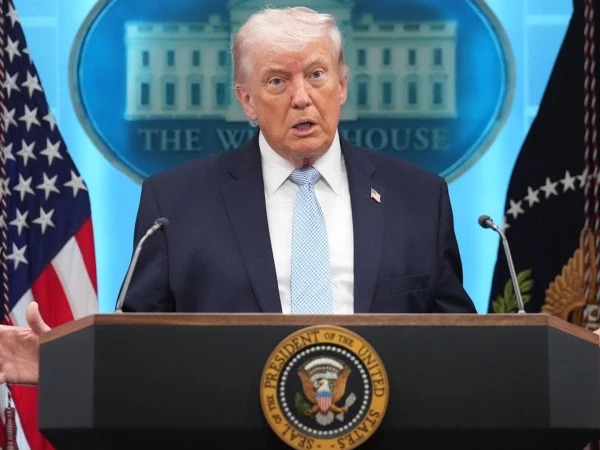
Despite US President Donald Trump’s confident claim that a deal with Iran has effectively been finalized, senior Gulf officials have indicated that the prospects of reaching an agreement this Friday remain uncertain. These officials estimated the likelihood of a successful agreement at only “fifty-fifty,” suggesting that significant obstacles still stand in the way of a final breakthrough.

According to the sources, one of the major concerns is the composition of the Iranian delegation currently involved in discussions. They revealed that representatives of Iran’s Islamic Revolutionary Guard Corps (IRGC) are not part of the negotiating team. This absence is viewed as highly significant because the IRGC is widely regarded as the most influential military and political institution in Iran and is expected to have the final authority in approving any interim or broader agreement. Without its backing, even a negotiated framework may struggle to gain official approval in Tehran.

President Trump has repeatedly expressed confidence in the ongoing diplomatic efforts between Washington and Tehran. Earlier, he stated that American officials were holding “very good talks” with their Iranian counterparts and suggested that negotiations were progressing positively. However, he also issued a stern warning, saying that if Iran were to back away from a potential agreement as it had in previous rounds of negotiations, the United States would respond with decisive and severe measures. His remarks reflected a combination of optimism about diplomacy and a willingness to adopt a tougher stance should talks collapse.

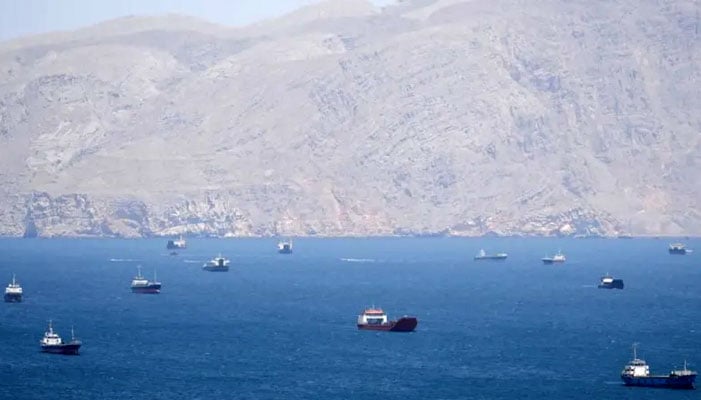
Trump also hinted that an agreement concerning the Strait of Hormuz could be reached as early as today. The Strait of Hormuz is one of the world’s most strategically important maritime routes, carrying a significant portion of global oil exports. Any understanding aimed at ensuring safe navigation through the waterway would be welcomed by international markets and regional governments, given the repeated tensions and security incidents that have threatened shipping in recent years.

Despite the optimistic statements coming from Washington, Iran has continued to deny that it is engaged in direct negotiations with the United States. Iranian officials maintain that their current discussions are exclusively with Oman and are focused on resolving issues related to maritime navigation and shipping through the Strait of Hormuz. Tehran has consistently rejected claims that formal talks with Washington are underway, emphasizing that its engagement is limited to regional diplomatic channels.

Political analysts believe, however, that the ongoing dialogue between Iran and Oman could serve as an important bridge toward eventual negotiations between Tehran and Washington. Oman has long played the role of a trusted intermediary between the two countries, facilitating discreet diplomatic contacts during previous periods of heightened tension. Analysts argue that if discussions between Iran and Oman produce positive outcomes, they could help build confidence, reduce mistrust, and create the conditions necessary for broader US-Iran negotiations in the near future.

For now, uncertainty continues to dominate the diplomatic landscape. While President Trump projects confidence that a breakthrough is close, regional officials remain cautious, pointing to unresolved political and military considerations that could still prevent a final agreement. The coming days are expected to determine whether diplomatic efforts can translate into a meaningful deal or whether tensions between the United States and Iran will persist.

Similar Posts

  • Brutal Heat Wave Forecast to Scorch Western US This Weekend

    A relentless and incredibly dangerous heat wave is officially rolling into the western United States this weekend. Millions of Americans are urgently bracing for record-breaking temperatures as a massive thermal system stalls over the region. Forecasters warn that this oppressive weather event will drastically impact already drought-stricken states from California to the northern plains. The […]

  • |

    Talks accelerate to fully reopen Strait of Hormuz 

      Efforts to fully reopen the Strait of Hormuz, one of the world’s most strategically important maritime trade routes, are gaining momentum as diplomatic contacts between the United States and Iran continue to show encouraging progress. According to reports preparations are underway to restore unrestricted commercial navigation through the vital waterway, with an official announcement expected within the next few hours or by Wednesday. The Strait of Hormuz serves as a critical shipping corridor connecting the Persian Gulf to international waters, carrying a significant share of the world’s crude oil, liquefied natural gas, refined petroleum products, and other essential commodities. Any disruption in traffic through the strait has immediate consequences for global energy markets and international trade. Arab television channels have claimed that discussions aimed at fully reopening the waterway have advanced considerably. The reports suggest that diplomatic negotiations have entered their final stages and that an agreement could soon be announced, allowing commercial vessels to resume normal operations after a period of uncertainty. Earlier, U.S. Treasury Secretary Scott Bessent also expressed optimism regarding the ongoing negotiations. Speaking to media in Washington , he said there was a strong possibility that an agreement to reopen the Strait of Hormuz could be reached by Tuesday or Wednesday.Talks between Washington and Tehran are focused on ensuring the uninterrupted movement of commercial ships through the strategic passage while restoring stability to the region. During the interview, the Treasury Secretary noted that negotiations are continuing with the aim of normalizing the security situation in the Strait of Hormuz and guaranteeing safe passage for international shipping. He emphasized that both sides are engaged in discussions designed to reduce tensions and facilitate the free flow of maritime commerce. When asked whether Iran would be permitted to collect toll fees from vessels passing through the Strait of Hormuz, Bessent dismissed the possibility. He clarified that the proposed arrangement is based on the principle of complete freedom of navigation for all commercial vessels. According to him, the agreement is intended to ensure that ships from every nation can transit the waterway without facing additional charges or restrictions. If finalized, the agreement is expected to have far-reaching economic benefits. In addition to restoring the uninterrupted export of crude oil from Gulf producers, it would also enable the smooth transportation of fertilizers, refined petroleum products, industrial gases, and numerous other essential commodities. Industry experts believe that the reopening of the strait would significantly improve global supply chains that have been disrupted by regional tensions. Another major benefit of the proposed agreement would be the release of hundreds of commercial vessels currently delayed or stranded in the Persian Gulf due to security concerns. Allowing these ships to resume their voyages would ease congestion, reduce shipping costs, and improve delivery schedules for international trade. Economists suggest that a full reopening of the Strait of Hormuz could also help stabilize global energy markets. Increased supplies of crude oil and petroleum products would likely ease concerns over shortages, potentially leading to lower international oil prices. Reduced transportation costs could further contribute to price relief across several sectors, including manufacturing, agriculture, and consumer goods. While optimism surrounding the negotiations has grown, officials have yet to announce a formal agreement. Diplomatic efforts remain ongoing, and both governments are expected to continue discussions until a final framework is approved. Observers around the world are closely monitoring developments, as the outcome of these talks could have a significant impact on global trade, energy security, and regional stability. If the anticipated agreement is reached, it would mark an important diplomatic breakthrough, restoring confidence in one of the world’s busiest maritime corridors and helping normalize commercial activity throughout the Gulf region.

  • | | | | |

    Trump claims limited talks with Iran are underway …

    WASHINGTON: US President Donald Trump has claimed that limited negotiations with Iran are currently taking place, while indicating that Washington is not pursuing an aggressive new military escalation against Tehran at this stage. Trump’s comments come amid continued tensions between the United States and Iran and growing international attention on efforts to reduce the conflict. Recent reports have also indicated that talks involving Iran and Oman have been taking place, although no final agreement has been reached. According to Trump, the United States is currently keeping a lower profile on the issue and is engaged in what he described as limited negotiations with Iran. He also claimed that Iran is facing severe economic difficulties and suggested that the country is under significant financial pressure. Trump argued that Iran’s economic situation has deteriorated considerably, making it difficult for the government to meet some of its financial obligations. These remarks were presented as part of his argument for maintaining economic pressure rather than immediately launching another major military campaign. The US president also referred to the wider impact of the conflict on energy markets and American consumers. Oil prices have remained closely linked to developments surrounding the Strait of Hormuz, a strategically important route for global energy shipments. Recent market reports have shown that investors have been watching diplomatic developments closely as hopes for an agreement affect oil prices. Trump described the confrontation with Iran as a complicated strategic contest, comparing the situation to a game of chess. He suggested that a solution could eventually be reached through negotiations and pressure. US officials have reportedly been considering different approaches to the conflict, including diplomatic engagement and economic measures. Recent reporting indicates that progress has been discussed in Iran-Oman talks, although significant issues remain unresolved. The latest developments come as Washington continues to monitor Iran’s military and economic position while seeking leverage in negotiations. For global markets, the outcome of the diplomatic efforts could be particularly important. Any agreement that improves the security of shipping through the Strait of Hormuz could influence crude oil prices and energy supplies worldwide. However, the situation remains fluid, and claims about the extent of direct negotiations have not been uniformly confirmed by all sides. Further diplomatic contacts are expected as the United States and its partners seek a way to reduce tensions and address the broader issues at the center of the conflict.

  • |

    North Korean hackers develop AI tools for cyberattacks

    SEOUL: A North Korean-linked hacking group has reportedly expanded its use of artificial intelligence to strengthen cyberattacks, automate operations and analyse stolen data. The group, identified as Kimsuky, has developed and collected a range of AI-related tools that could help its operators conduct attacks more efficiently, according to a South Korean cybersecurity company. The company said it discovered infrastructure linked to Kimsuky containing several programs designed to run and manage artificial intelligence models locally. These included Ollama, GPT4All and Msty. The hackers also appeared to be using retrieval-augmented generation technology. The system can help AI models search and process large collections of documents. Researchers said the use of locally operated AI models could allow the group to analyse sensitive information without sending data to external AI services. This could give hackers greater control over stolen material and reduce their reliance on third-party platforms. The investigation also uncovered AI agent development frameworks, speech-to-text software and an AI-assisted coding tool called Cursor. According to the cybersecurity firm, the findings indicate that Kimsuky may be moving beyond the simple use of generative AI for creating phishing messages. The group could now be seeking to integrate existing AI models into different stages of its cyber operations. These may include malware development, stolen-data analysis and attack automation. Researchers also identified documents related to finance and cryptocurrency on the infrastructure. Some of the files appeared to have been generated using artificial intelligence. The documents were designed to look like legitimate investment reports and other professional workplace material. Such files could potentially be used as decoys or to make malicious campaigns appear more credible. The findings have not been independently verified. However, cybersecurity researchers and government agencies have repeatedly linked North Korean state-backed groups to international cyber operations. North Korean cyber units have been accused of conducting espionage campaigns, stealing money and targeting cryptocurrency-related assets. Authorities in the United States and South Korea have previously warned about the activities of such groups. Kimsuky has long been associated with cyber-espionage operations targeting governments, organisations and individuals. The group has also been accused of gathering intelligence to support North Korea’s strategic interests. The latest findings point to a growing role for artificial intelligence in cyber operations. Security researchers have warned that AI tools can make phishing campaigns more convincing and help attackers process information and develop malicious software more quickly.

  • |

    France tightens borders after deadly Ceuta migrant crisis

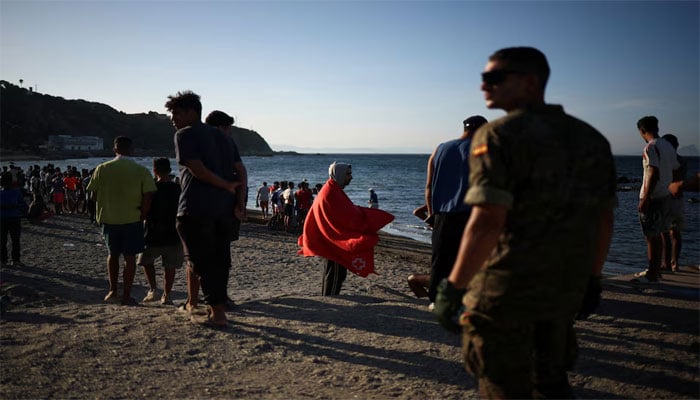
    France has strengthened security checks along its border with Spain following the recent migrant influx into the Spanish enclave of Ceuta, French Interior Minister Laurent Nunez announced on Tuesday. The enhanced border measures were introduced over the weekend on the instructions of French President Emmanuel Macron after tens of thousands of migrants crossed into Ceuta from Morocco over two days, triggering one of the region’s largest migration emergencies in recent years. Spanish authorities said the vast majority of migrants who entered the enclave had already been returned to Morocco. Officials also confirmed that at least 75 people died while attempting the dangerous crossing, highlighting the human cost of the crisis. Speaking after an emergency video conference with European interior ministers, Laurent Nunez said European Union member states had unanimously expressed solidarity with Spain and pledged support in managing the situation. He said France remained ready to provide additional assistance through Frontex, the EU’s border management agency, if required. The French minister noted that Ceuta operates under special rules within the Schengen Area and stressed that strict border controls had prevented the migration crisis from spreading to mainland Europe. Nunez also praised the cooperation between Spain and Morocco in responding to the situation, saying close coordination between the two countries had been vital in managing the large-scale arrivals. Rejecting calls from some political groups in France to suspend Spain from the Schengen free-movement zone, he said EU member states agreed that the Schengen system remained part of the solution rather than the cause of the crisis. He emphasized that the Schengen Area had not been threatened despite the surge in migration and reaffirmed France’s commitment to coordinated European efforts to address irregular migration.

  • | |

    Millions left in the dark as Cuba’s power grid c…

    HAVANA: Millions of Cubans were left without electricity after the country’s national power grid collapsed late Sunday, triggering another nationwide blackout and deepening an energy crisis that has already strained daily life across the Caribbean island. The state-owned power operator, Union Eléctrica de Cuba, confirmed the grid failure in brief statements posted on social media but did not immediately disclose the cause of the latest outage or provide a timeline for restoring electricity. The blackout affected much of the island, home to nearly 10 million people, and comes after three nationwide power failures in July, raising fresh concerns about the reliability of Cuba’s ageing electricity infrastructure. Residents in Havana and other major cities reported streets falling into darkness as homes, businesses and public services were left without power. The repeated outages have disrupted transportation, communications and essential services, adding to the hardships already faced by many Cubans. Energy experts say the country’s power system has come under increasing pressure as fuel supplies continue to shrink. Cuba has struggled to secure sufficient oil imports following tighter US sanctions and a reduction in support from traditional suppliers. The situation worsened after the United States imposed an oil blockade under President Donald Trump following Washington’s recognition of political changes in Venezuela earlier this year. Venezuela had long been Cuba’s primary source of crude oil, while fuel shipments from Mexico have also declined amid growing US pressure. With limited access to imported fuel, many of Cuba’s ageing thermal power plants have been forced to operate below capacity, making the national grid increasingly vulnerable to large-scale failures. In response to the worsening crisis, Havana has cautiously begun opening parts of its tightly controlled energy sector. The government recently approved its first foreign-backed fuel import venture and authorized nearly 200 Cuban businesses to participate in wholesale fuel distribution in an effort to improve fuel availability. Despite those reforms, analysts warn that restoring stability to Cuba’s electricity system will require significant investment in modern infrastructure and a more reliable supply of fuel. Authorities have not yet announced when power will be fully restored, while emergency teams continue working to stabilize the grid. The latest nationwide blackout underscores the growing challenges facing Cuba’s energy sector as economic pressures, ageing infrastructure and fuel shortages continue to test the resilience of the country’s electricity network. With blackouts becoming increasingly frequent, many residents fear the crisis could worsen unless long-term solutions are found.

Leave a Reply

Your email address will not be published. Required fields are marked *