| |

Millions left in the dark as Cuba’s power grid c…

HAVANA: Millions of Cubans were left without electricity after the country’s national power grid collapsed late Sunday, triggering another nationwide blackout and deepening an energy crisis that has already strained daily life across the Caribbean island.

The state-owned power operator, Union Eléctrica de Cuba, confirmed the grid failure in brief statements posted on social media but did not immediately disclose the cause of the latest outage or provide a timeline for restoring electricity.

The blackout affected much of the island, home to nearly 10 million people, and comes after three nationwide power failures in July, raising fresh concerns about the reliability of Cuba’s ageing electricity infrastructure.
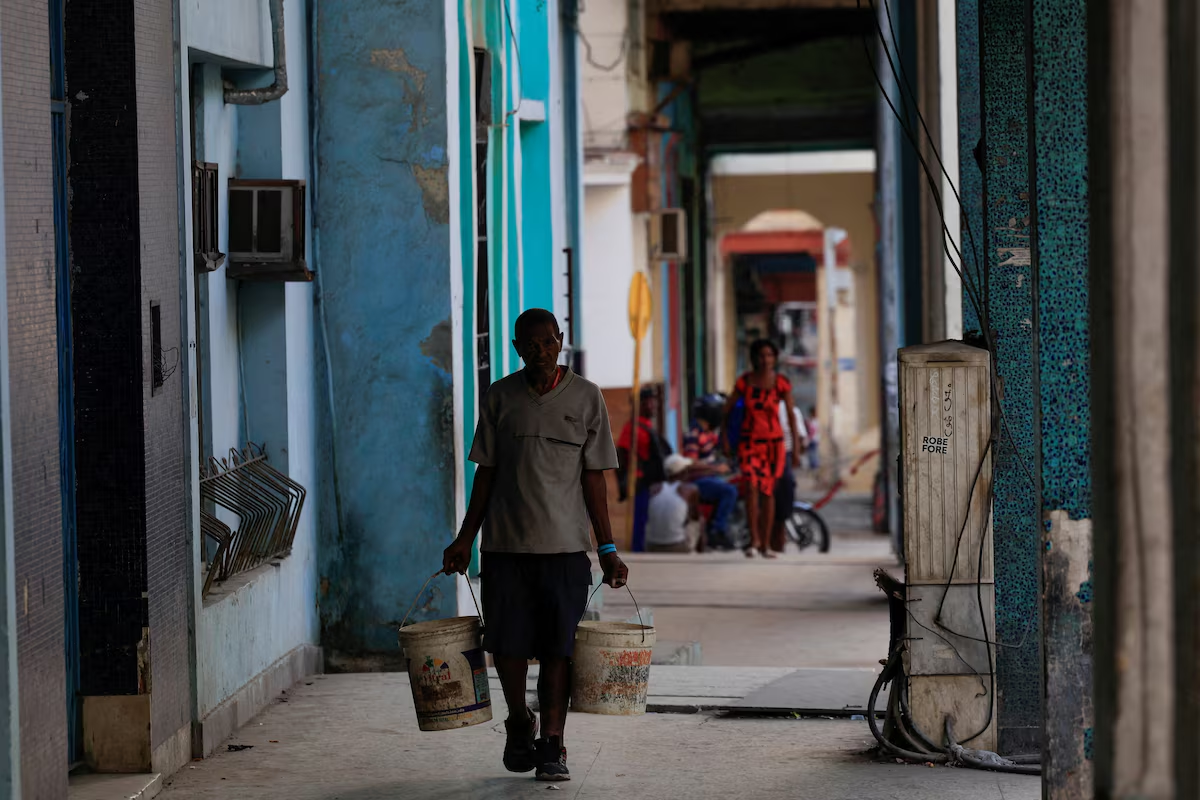
Residents in Havana and other major cities reported streets falling into darkness as homes, businesses and public services were left without power. The repeated outages have disrupted transportation, communications and essential services, adding to the hardships already faced by many Cubans.

Energy experts say the country’s power system has come under increasing pressure as fuel supplies continue to shrink. Cuba has struggled to secure sufficient oil imports following tighter US sanctions and a reduction in support from traditional suppliers.

The situation worsened after the United States imposed an oil blockade under President Donald Trump following Washington’s recognition of political changes in Venezuela earlier this year. Venezuela had long been Cuba’s primary source of crude oil, while fuel shipments from Mexico have also declined amid growing US pressure.

With limited access to imported fuel, many of Cuba’s ageing thermal power plants have been forced to operate below capacity, making the national grid increasingly vulnerable to large-scale failures.

In response to the worsening crisis, Havana has cautiously begun opening parts of its tightly controlled energy sector. The government recently approved its first foreign-backed fuel import venture and authorized nearly 200 Cuban businesses to participate in wholesale fuel distribution in an effort to improve fuel availability.

Despite those reforms, analysts warn that restoring stability to Cuba’s electricity system will require significant investment in modern infrastructure and a more reliable supply of fuel.

Authorities have not yet announced when power will be fully restored, while emergency teams continue working to stabilize the grid.

The latest nationwide blackout underscores the growing challenges facing Cuba’s energy sector as economic pressures, ageing infrastructure and fuel shortages continue to test the resilience of the country’s electricity network. With blackouts becoming increasingly frequent, many residents fear the crisis could worsen unless long-term solutions are found.


Similar Posts

  • |

    Algeria bus plunge kills 25, dozens injured

    At least 25 people were killed and 44 others injured after a passenger bus veered off the road and plunged into a ravine near the coastal city of Boumerdes in northern Algeria on Friday. According to Algeria’s civil defence agency, the crash occurred at around 9:40am local time, prompting an immediate emergency response. Rescue teams rushed to the scene to recover victims, provide medical assistance and transport the injured to nearby hospitals. Officials said the bus left the roadway for reasons that are still under investigation. Authorities warned that the death toll could increase as several of the injured remain in critical condition. The accident is one of Algeria’s deadliest road tragedies in recent years. Investigators are working to determine the exact cause of the crash. Road accidents continue to claim thousands of lives across Algeria each year. Safety officials have repeatedly identified speeding, reckless driving and human error as the leading causes of fatal crashes. The latest tragedy follows several major bus accidents in recent years. In August 2025, 18 people were killed when a bus plunged into a ravine near Algiers. A few months later, in December, another bus overturned in the Bechar region, leaving 14 people dead. Official road safety data shows that traffic accidents claimed 3,838 lives and injured more than 37,000 people across Algeria in 2025, highlighting the country’s ongoing road safety challenges.

  • | |

    Scarlett Johansson reflects on how Hollywood red c…

    Scarlett Johansson is opening up about the evolution of Hollywood’s red carpet culture, revealing how the expectations placed on actors have shifted dramatically since she began her career. The Oscar-nominated actress says today’s approach to fashion and public appearances is far more polished and strategic than it was when she first entered the entertainment industry. Speaking in a recent interview, Johansson reflected on the early years of her career, recalling a time when red carpet events felt more relaxed and less focused on creating viral fashion moments. According to the actress, celebrities once had greater freedom to express themselves without the intense scrutiny that now comes with every public appearance. (People⁠) Johansson explained that, in the past, actors often selected outfits based on personal preference rather than carefully planned branding strategies. Today, however, red carpet appearances have become an important part of celebrity image-building, with stylists, fashion houses, and social media all playing significant roles in shaping a star’s public identity. The Black Widow star acknowledged that fashion remains an exciting part of the entertainment industry, but she believes the pressure surrounding high-profile events has increased considerably. Every outfit is now analyzed instantly across social media platforms, where fans and fashion critics closely examine every detail. Looking back, Johansson said she appreciates the more spontaneous atmosphere that existed when she was starting out. She noted that celebrities were able to experiment with different styles without worrying that every fashion choice would become the subject of widespread online discussion. The actress also reflected on how digital media has transformed celebrity culture. Before the rise of social media, red carpet moments were largely limited to television broadcasts and magazine coverage. Today, images circulate around the world within seconds, making fashion an even bigger part of an actor’s public presence. (Vanity Fair⁠ and People⁠) Despite the changes, Johansson said she still enjoys attending premieres and industry events. She praised the creativity of designers and stylists while emphasizing that confidence and authenticity remain more important than following every trend. For her, the best fashion moments are those that genuinely reflect a person’s personality rather than simply chasing headlines. Johansson’s comments have resonated with many fans, who praised her honest perspective on the realities of modern Hollywood. Some agreed that celebrity fashion has become increasingly commercialized, while others argued that social media has also given stars more opportunities to connect directly with audiences and showcase their individual style. As one of Hollywood’s most recognizable actresses, Johansson has attended countless premieres, award shows, and international film festivals throughout her career. Her reflections offer a rare behind-the-scenes look at how celebrity culture has evolved over the past two decades. While glamorous red carpets continue to be a defining part of the entertainment industry, Scarlett Johansson believes the experience has fundamentally changed. Her candid remarks highlight the growing influence of fashion, branding, and social media, while reminding audiences that authenticity remains timeless in an industry constantly adapting to new expectations.

  • | |

    Hangu operation kills terror attack mastermind

    Security forces have killed the alleged mastermind of the July 30 attack on the Khazina Banda police checkpost in Hangu, where nine police personnel lost their lives. A senior security official told  that the terrorist, identified as Amir Mauviya, was killed during an intelligence-based operation in Chapri Naryab, Hangu. According to security sources, Mauviya held a key position within Fitna-al-Khawarij in Kurram and faced charges in several other terrorism cases. Security forces have intensified operations against militants under Operation 11 Garaj. The July 30 attack on the Khazina Banda checkpost killed nine police officials, including a deputy superintendent of police, and injured 28 others. Police said terrorists attacked the post, triggering an exchange of fire in which 15 militants were killed. In a separate incident on Sunday, an improvised explosive device targeted a police van near Pir Zakorhi Bridge, close to the Peshawar-Islamabad motorway toll plaza. The blast caused minor injuries to two police personnel. Earlier, on July 29, a police officer lost his life and four terrorists were killed during an operation in Matta tehsil of Swat. The latest incidents come days after a deadly attack on a joint police checkpost in Tank district, where 15 people, including 14 security personnel and a government official, were martyred. According to the military’s media wing, security forces killed 12 attackers after thwarting their attempt to breach the checkpost. One terrorist vehicle packed with explosives also struck the perimeter wall, causing significant damage. Khyber Pakhtunkhwa continues to face a growing threat from militant attacks. The Pakistan Institute for Conflict and Security Studies reported that security personnel deaths in terrorism-related incidents across KP, excluding the merged districts, rose from 12 in June to 38 in July. Terrorist deaths also increased from 37 to 108 during the same period, while civilian fatalities dropped from 26 to seven.

  • |

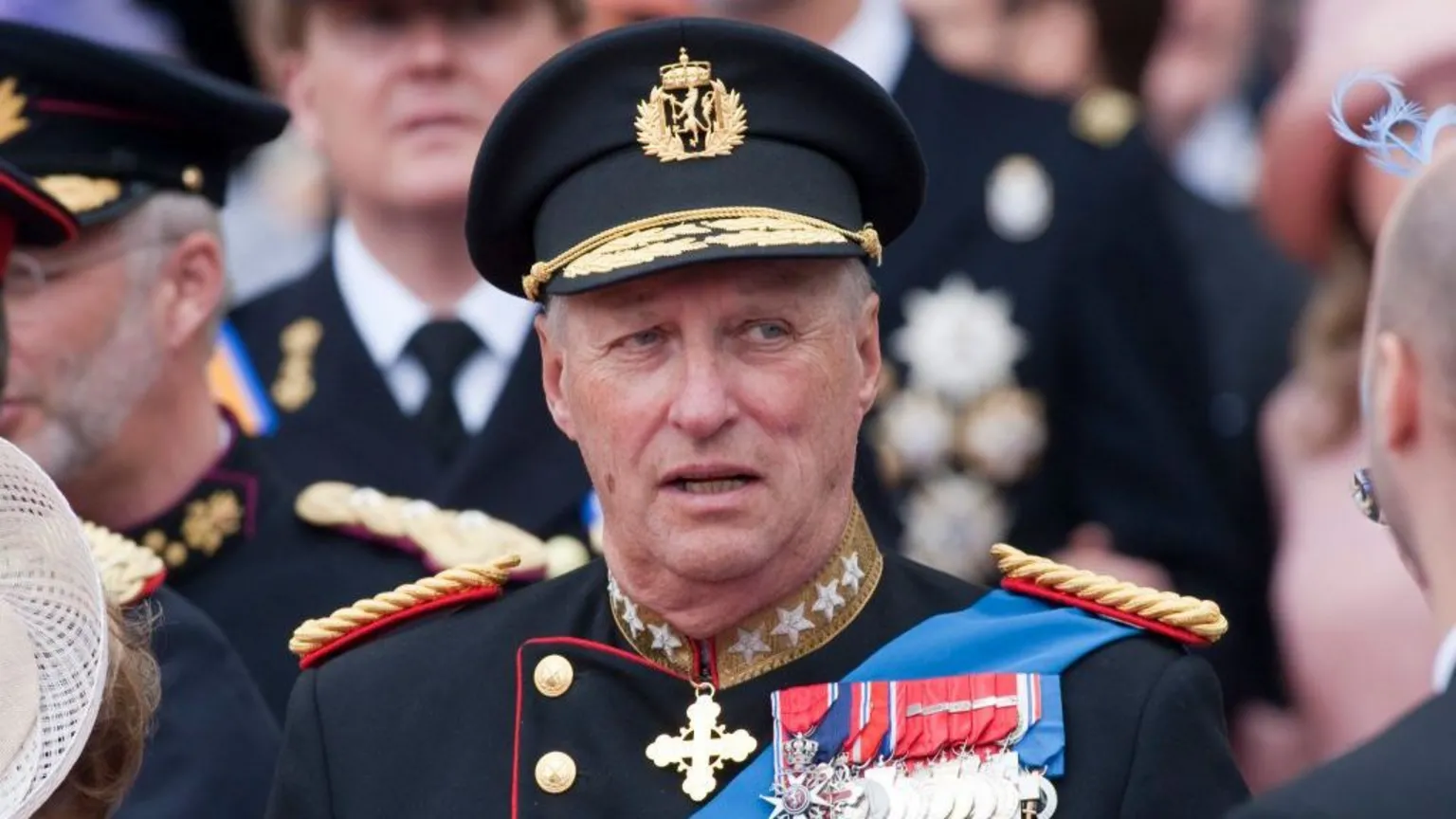
    Norway’s ‘People’s King’ dies: What comes next?

    Norway is mourning the death of King Harald V, who passed away on Friday at the age of 89 after more than three decades on the throne. The Norwegian royal palace said Harald died peacefully at Oslo University Hospital at 6:35am local time. He had been receiving treatment after being hospitalised earlier this month with a serious illness and a bacterial infection in his blood. Harald’s death brings an end to a 35-year reign during which he became one of Norway’s most respected and popular public figures. He was widely regarded as a modernising monarch who helped make the royal institution more open, accessible and closely connected with ordinary citizens. His son, Crown Prince Haakon, immediately became king following his father’s death. Haakon, 53, is expected to formally address the government and parliament as Norway begins the transition to a new reign. Born on February 21, 1937, Harald was the first Norwegian-born heir to the throne in almost six centuries. His childhood was shaped by the Second World War. When Nazi Germany invaded Norway in 1940, the young prince left the country with his mother and sisters. The family spent time in Sweden before travelling to the United States, where they lived during the war. Harald returned to Norway after the war and later completed his education and military service. He studied social sciences, history and economics at Oxford University before becoming increasingly involved in royal duties. One of the defining moments of his personal life came in 1968, when he married Sonja Haraldsen, the daughter of a businessman. The marriage broke with royal tradition because Sonja was a commoner. Harald had reportedly waited years for permission to marry her and eventually made clear that he would rather remain unmarried than give her up. Queen Sonja remained his partner throughout his nearly six decades of marriage and his entire reign. Harald became king in January 1991 following the death of his father, King Olav V. Over time, he developed a reputation for showing emotion and speaking openly on issues affecting Norwegian society. His role as a national unifier became particularly important after the 2011 terrorist attacks in Oslo and on Utøya, in which 77 people were killed. Harald’s public response focused on solidarity, compassion and rejecting fear. He also became known for advocating tolerance and diversity. In a widely remembered speech in 2016, he emphasised that Norway was home to people of different nationalities, religions and sexual orientations. Outside his official duties, Harald was a passionate sailor and represented Norway at three Olympic Games. He was also interested in environmental conservation and supported efforts to protect nature. His later years were marked by repeated health problems. In 2024, he was hospitalised while visiting Malaysia and later received a pacemaker. He subsequently reduced his public engagements but rejected calls for abdication, maintaining that his commitment to the throne was lifelong. Harald’s death also comes at a difficult time for Norway’s royal family. Crown Princess Mette-Marit has faced scrutiny over her past contacts with convicted sex offender Jeffrey Epstein, while her son Marius Borg Høiby was convicted this year of rape and domestic violence. Mette-Marit has also undergone a lung transplant after suffering from a serious pulmonary condition. Despite the controversies surrounding members of his family, Harald himself retained strong personal popularity among Norwegians. Tributes have poured in from European leaders and fellow monarchs. Britain’s King Charles III described Harald as a much-loved relative and friend, while Sweden’s King Carl XVI Gustaf remembered him as a close friend of his family and Sweden.

  • Thailand Confirms No Nipah Virus Cases, Urges Public Vigilance

    BANGKOK – The Department of Disease Control (DDC) has assured the public that there are no confirmed cases of Nipah virus in humans in Thailand, and that strict surveillance systems have long been in place under the “One Health” framework. Six dead as Nipah virus spreads in Kozhikode, India Dr. Jurai Wongsawat, a DDC spokesperson, […]

  • | |

    Noreen Gulwani’s bold take on love, respect and freedom

    Actor Noreen Gulwani has spoken about financial independence, relationships and personal growth, saying respect and understanding should remain the foundation between men and women. In a recent interview, Gulwani said women should not become overconfident or self-centred after becoming financially independent. She explained that some women may develop such attitudes after experiencing years of social restrictions. She said earning money should bring confidence but should not lead to arrogance. According to her, everyone should remain open to advice and criticism regardless of their financial status. Gulwani also said men have an equal responsibility in building respectful relationships. She added that women want to be treated with kindness and dignity rather than feeling controlled or restricted. Talking about marriage, the actor said she has not rushed into the decision because she is waiting for the right partner. She said she meets people and tries to understand their thoughts and personalities before considering marriage. Gulwani encouraged young people to see their twenties as a time for exploring their identity and discovering their goals. She said society often creates pressure to complete education, get a job, marry and have children quickly, but people should also focus on understanding themselves. She shared that her priorities have changed over time. The actor said she now dreams of living closer to nature and raising children away from the pressures of city life and excessive screen use. Discussing her career journey, Gulwani revealed that she initially studied journalism and broadcasting abroad. However, she later realised that the field did not match her personality and decided to focus on writing and acting. She described theatre as her biggest artistic passion. According to Gulwani, stage acting requires more energy, creativity and quick decision-making compared with television performances. She recalled that live theatre often requires actors to handle unexpected situations immediately because there is no chance to stop and repeat a scene. Speaking about social media controversies, Gulwani said she avoids unnecessary public debates. She believes that not every statement requires a response and prefers to maintain a neutral approach. Commenting on singer Falak Shabir’s views about women’s clothing, she said she did not agree with his opinion but did not think responding publicly would change the situation. She added that everyone should have the freedom to make personal choices.

Leave a Reply

Your email address will not be published. Required fields are marked *