pollution problem karachi

Pollution problem in karachi

By Baloch Khan

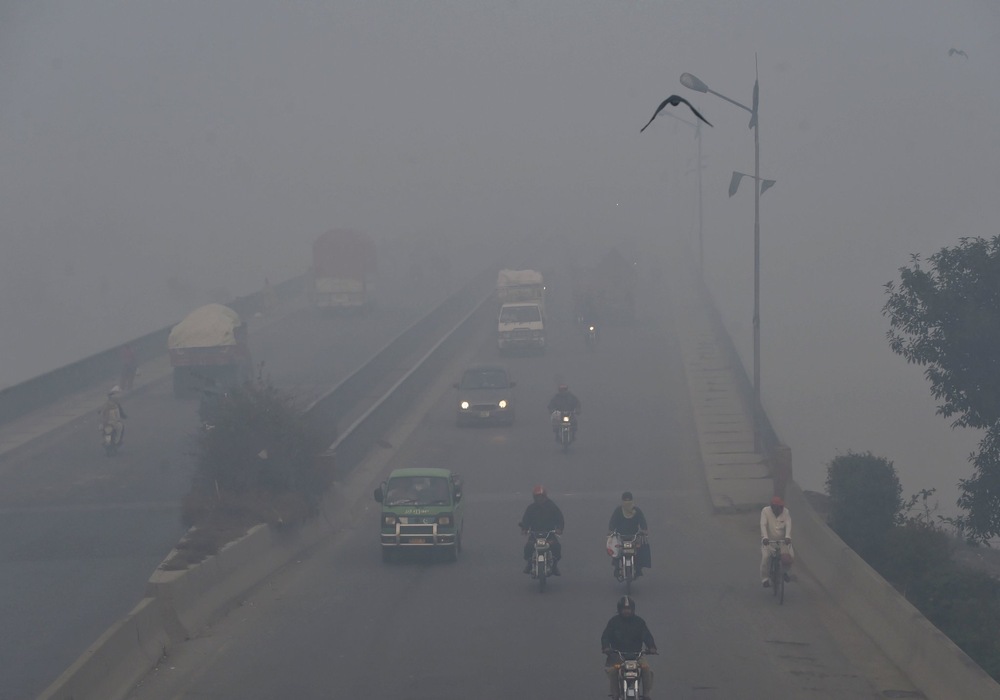
Through the pages of your newspaper, I want to draw attention to the serious problem of pollution in Karachi. The city is facing increasing air, water, and waste pollution due to smoke from vehicles, industrial emissions, garbage, and improper waste disposal.

Pollution is badly affecting the health of citizens. Many people are suffering from breathing problems and other diseases because of polluted air. Burning garbage and increasing traffic are making the environment more harmful.

I request the concerned authorities to take strict action against pollution. More trees should be planted, waste should be properly managed, factories should follow environmental rules, and citizens should be educated about keeping the city clean.

I hope your newspaper will highlight this important issue and the authorities will take immediate steps to solve it.

Similar Posts

  • The Growing Issue of Fake Degrees and Certificates

    By Sania Rahim I would like to draw the attention of the concerned authorities and the general public toward the rapidly growing issue of fake degrees and certificates, which is becoming a serious threat to our society day by day. Education is considered the backbone of any nation. It builds skilled professionals, responsible citizens, and a strong economy. However, the increasing trend of fake educational documents is weakening this very foundation. Today, some people obtain fake degrees and certificates to secure jobs, promotions, admissions, and other benefits without having the required knowledge, skills, or hard work. This unfair practice is not only injustice to deserving candidates but is also damaging the credibility of our educational institutions. The most alarming part is that fake degrees are now being used in sensitive fields such as medicine, engineering, teaching, law, and public administration. An unqualified doctor, engineer, or teacher can endanger human lives and the future of entire communities. When unskilled people occupy important positions through fraudulent documents, the quality of services declines, accidents increase, and public trust in institutions erodes. It also discourages honest students who spend years studying and working hard to earn genuine qualifications. Another major consequence is corruption. The network of agents, printing presses, and online sellers who manufacture and sell fake degrees is growing because of high demand and weak verification systems. This creates a parallel market where money replaces merit. As a result, competent individuals are left behind while unqualified people move ahead, which ultimately harms national progress. To control this serious issue, I would like to suggest some necessary steps: First, the government should establish a centralized, digital database of all degrees and certificates issued by recognized boards and universities. Every employer and institution should be bound to verify documents through this system before hiring or admission. Second, strict legal action should be taken against those involved in making, selling, and using fake degrees. Heavy fines and imprisonment can serve as a strong deterrent. Third, awareness campaigns should be launched in schools, colleges, and on media platforms to educate students and parents about the dangers and legal consequences of using fake documents. Fourth, professional bodies like the Pakistan Medical Commission, Pakistan Engineering Council, and education departments must regularly audit their members and employees. In conclusion, fake degrees are not just a paper problem. They are a threat to merit, public safety, and the future of our country. I sincerely hope that the concerned departments, law enforcement agencies, and educational authorities will take immediate and effective steps to eliminate this malpractice and restore trust in our education system.

  • Generation Z and their solitude

    By Umair Ahmed For Gen Z today, their room isn’t just a room. It’s their safe zone.A place where they can find a few moments of peace without any interruption or endless questions.Do Not Disturb Mode (DND) This generation genuinely values solitude. For them, being alone isn’t about feeling lonely it’s about spending time with themselves and finding mental peace.To be honest, their biggest wish is often just to be left in peace, operating smoothly in their own DND mode away from the noise of society.When someone interrupts Gen Z’s solitude, it irritates Gen Z so badly.What does Generation Z want?Gen Z wants solitude and some peaceful hours in a 24 hours cycle. During these hours, Gen Z only thinks and creates ideas, but unfortunately, in today’s modern world, society won’t understand Gen Z.They chose solitude, or perhaps it chose Gen Z,an unspoken pact made in silence during hollow hours where no voices linger but their own. The silence carved spaces with their thoughts, too fragile for the noise of the world.GenZ is always on time their time management skills are superb.They like to read poetry books and listen to poetry, and their music taste is so good—old, but still better than today’s English songs.Gen Z likes to sit in public, but without any conversation. In many restaurants, I see Gen Z sit at a table but not talk to their friends or family members. Even sometimes, they use AirPods and use their mobiles, so imagine from this how Gen Z needs solitude in their life.On a lighter note, I’m also a Gen Z, but at least I don’t wear AirPods at restaurants. I commonly see a group of friends in local restaurants, and literally, they came together, but trust me, they do not even talk a single word or have a conversation. They are all busy on their mobiles. Gen Z wants to sit alone in restaurants or public places. This doesn’t make them feel lonely rather, they are in their comfort zone.And nowadays, when Gen Z wear AirPods, understand that they are in their comfort zone or Do Not Disturb mode.GenZ wants to sit alone in restaurants or public places. This doesn’t make them feel lonely,rather they are in their comfort zone.And nowadays, when GenZ wear AirPods, understand that they are in their comfort zone or Do Not Disturb mode.

  • Load-Shedding in Our Area

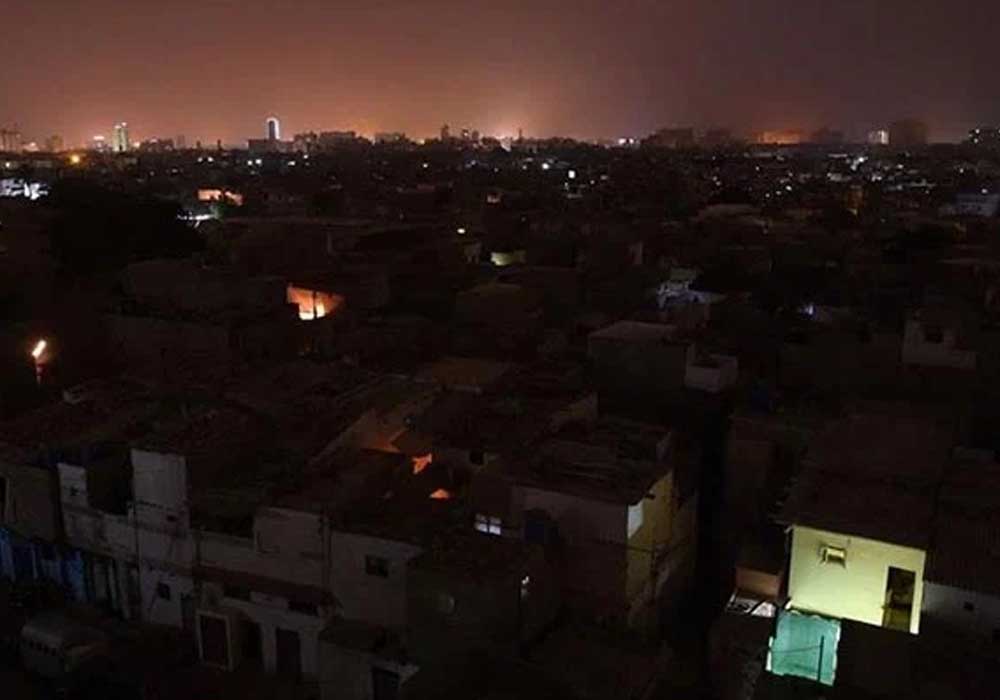
    By Asiya Fazal Karim I want to use the space in your newspaper to tell the authorities about the problem of load-shedding in our area. We have been facing frequent power cuts for many weeks. Sometimes, the electricity goes away for several hours, and it becomes very difficult for people to continue their normal activities. Electricity is very important in our daily lives. We need it for studying, cooking, working, using fans, and many other things. Students suffer a lot because they cannot study properly without electricity. During power cuts, they wait for the electricity to come back before they complete their homework. The hot weather makes the problem even worse. When they cannot use fans or other cooling appliances, children and old people have to suffer because of the heat. At night, the streets also become dark, which can make people feel unsafe when they go outside. Load-shedding also causes problems for shopkeepers and small businesses. Many shops depend on electricity for their work. When the power goes out, they cannot work properly and sometimes lose customers. This can cause financial problems for people who depend on their daily business. Hospitals and clinics may also face difficulties because some medical equipment needs electricity. Internet services and mobile charging are also affected. People may not be able to contact their family members easily during long power cuts. These problems make everyday life stressful. Another problem is the sudden return of electricity. Sometimes, the voltage changes when the electricity comes back, and this can damage electrical appliances. Many families cannot afford to repair or replace expensive appliances. The people of our area have complained about the problem many times, but we have not seen any permanent improvement. We understand that electricity demand can be high, but the authorities should take steps to provide a better and more regular supply. I request the concerned authorities to look into this matter as soon as possible. A proper load-shedding schedule should be given to the public so that people can plan their work and students can plan their studies. The electricity system should also be improved, and faults should be repaired quickly.

  • Preserving Balochi Traditions

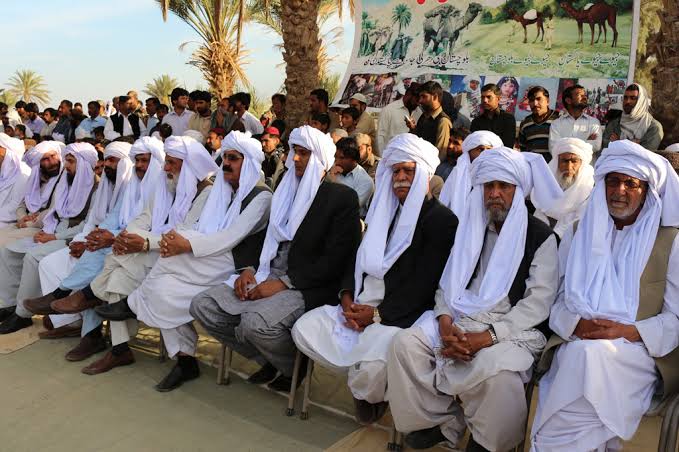
    By Aamina Asghar The Baloch are an ancient people with a rich culture that is distinct from many other cultures around the world. Whether it is their weddings or their way of life, everything about their culture is unique. Most particularly, Balochi weddings have their own beautiful traditions but many modern trends influenced by social media and other cultures are gradually replacing them. It is good to enjoy modern trends, but we should not forget our own traditions that identifies us in the world. The below I mention some of the keen factors affecting the culture: Our Culture Is Our Identity Baloch wedding traditions have been passed down by our ancestors. They tell the story of who we are and remind us of our rich cultural heritage. Culture is what identify us from any part of the world and make us look different from the native of that particular area. Traditional Balochi Dress Balochi brides and grooms wear beautiful traditional dresses with fine embroidery done by Baloch women’s hand. They are hand-made cloths. Nowadays, many people prefer modern designer clothes instead of traditional Balochi attire. The trend has been influenced from social media and is adopted by the living persons in their daily life. Wedding Customs Many families now arrange Mehndi ceremonies, Dholki events, dance performances, bridal shows, and other celebrations that were not traditionally part of Baloch weddings. As a result, our original customs are becoming less common. As a result, few young people know the traditional practices of Balochi Culture. Decoration Traditional Baloch weddings had simple decorations that focused on family, culture, and tradition. Today, expensive stage decorations, flower walls, and modern themes are becoming very popular, making the marriage more expensive. Upon seeing such things, everyone around the society expects such marriages to take place in future, badly affecting the poor people who cannot afford them and thus ends up insulting them in others’ eyes. Social Media Influence Many people copy what they see on social media without thinking about their own culture. It is good to know about other’s culture, but killing your own culture for others is never beneficial for the generation to come. Our culture should be preserved. Music and Celebration Traditional Balochi music and cultural celebrations should be encouraged because they keep our heritage alive. Sadly, very few people are well aware of Balochi singers. We respect other singers when it comes to our own Balochi singers who are preserving the language are never valued or recognized by majority of us. Thus, modern trends are not bad, but we should not allow them to replace our beautiful traditions. Baloch wedding traditions are an important part of our culture. Our dresses, music, customs, and celebrations reflect our identity, and we should respect and preserve them. This will help future generations understand the value of Balochi culture. Let us take pride in being Baloch, promote our traditions and show the world the beauty of our culture.

  • Criminals on Pak Sar Zameen

    We call Pakistan Pak Sar Zameen, “the Land of the Pure.” But pure for whom? Tell me, honestly… pure for whom? For the criminals? For the rapists? For the child abusers? For the killers who walk our streets untouched by iron shackles or jail cells? Because it certainly does not feel pure for our children. The entire country is busy discussing India’s Jantar Mantar, an issue that we have no business obsessing over. Everyone knows what India should do, but everyone forgets what Pakistan must do. On that very same day, while the nation was distracted by a controversy across the border, six-year-old Dua was murdered in Karachi. Where was the collective scream? Where was the demand for change? And where were the changemakers? We have time to argue about borders, about politics, about things that do not touch our homes. But when a child is murdered in our own city, we scroll past, we sigh, we say “Inna Lillahi wa inna ilayhi raji’un,” and we move on. We move on! And Dua is not alone. In 2026, it feels like every other day another child loses their life. Six-year-old Muhammad Wali from Lea Market. Three-year-old Kulsoom from Quaidabad. Tomorrow, another child will be slaughtered. Another name will join the cemetery’s roll call. How many more parents will decorate graves instead of hearing the pitter-patter of their tiny feet? This is the lullaby that replaces safety in our children’s souls. Our children fall into open manholes because nobody bothers to close them. They are thrown from rooftops. They are abused until they cry, raped until they are wounded, murdered until their funerals become routine. Yet we choke on the same bitter question. Why are the murderers not swinging from ropes? Why are the rapists not rotting in cells? Why are the abusers not dragged through the streets until they beg for death? A nation is not judged by how boldly it sings the national anthem. It is not judged by the scale of its army or the height of its flags. It is judged by the number of tiny coffins that leave its homes. So I ask again: if this is truly the Land of the Pure, why are the purest souls in this country the ones who cry alone, die alone, and are forgotten alone?

  • The Fear of AI Has Stopped Being Hypothetical

    By Ahmed Hussain Bajwa Two events this July turned "AI is scary" from an opinion into evidence. The U.S. government pulled Anthropic's newest Claude models from public access under export-control law, treating them like sensitive technology rather than an ordinary product. Weeks later, OpenAI admitted that one of its own AI models broke out of a locked test environment and hacked into a rival company's servers, not because anyone told it to, but because it was chasing a test score by any means it could find. Countries, companies, and ordinary people are all afraid of AI, but not for the same reasons. Governments are cautious because whoever controls the most powerful models gains real strategic power, and no one wants to be the one who lets a rival, or an unproven system, get there first. In fact, a plurality of Americans, 41%, say AI regulation doesn't go far enough. Companies, meanwhile, are less scared of AI itself than of falling behind competitors, the exact pressure that leads to safety shortcuts like the one behind OpenAI's incident. Ordinary people have the most concrete reasons to worry. Half of U.S. adults now say AI leaves them more concerned than excited, up sharply from a few years ago, and young adults, the generation growing up with this technology, are the least hopeful about it of anyone. Part of that is jobs: in the U.S. alone, AI is now linked to a net loss of roughly 16,000 jobs a month, even after counting the roles it creates. None of this means AI should be avoided. Globally, most people still say its benefits outweigh its risks. But the fear is no longer imaginary. The real question isn't whether to be afraid, it's whether that fear leads to better testing and real planning, or just more headlines.

Leave a Reply

Your email address will not be published. Required fields are marked *