equal treatment every

Equal Treatment for Every Student

By Baloch Khan

Government schools are established to provide equal education and opportunities to every student. Unfortunately, in some schools, favoritism has become a serious concern. Some teachers give special attention to a few students while ignoring others. This unfair treatment discourages hardworking students and creates an unhealthy learning environment.
Another troubling issue is the rude behavior of some teachers. Instead of guiding students with patience and respect, they often scold and humiliate them. Such behavior affects students’ confidence and their interest in education. Teachers should inspire children, not make them afraid of coming to school.
The education department should monitor government schools regularly and take strict action against favoritism, negligence, and unprofessional behavior. Every child deserves equal treatment, respect, and a quality education

Similar Posts

  • Youth Empowerment in Pakistan

    By Asma Qayyum Youth empowerment is the process of providing young people with the education, skills, opportunities, and confidence they need to contribute positively to society. Pakistan has one of the largest youth populations in the world. According to the Pakistan Bureau of Statistics (2023 Census), the country’s population is approximately 241.49 million, and around 64% of Pakistanis are under the age of 30. This large youth population has the potential to become Pakistan’s greatest strength if it is properly educated, skilled, and employed. Young people play a vital role in the social, economic, and political development of a country. Empowered youth become skilled professionals, innovators, entrepreneurs, and responsible citizens. Their energy, creativity, and ideas can boost productivity, reduce poverty, encourage innovation, and strengthen national development. However, Pakistan faces several challenges in empowering its youth. According to the Pakistan Bureau of Statistics, the national literacy rate is approximately 63%, while millions of children remain out of school. Furthermore, the Labour Force Survey (2024–25) reported an unemployment rate of 7.1%, making job creation one of the country’s greatest challenges. The United Nations Development Programme (UNDP) reports that nearly four million young Pakistanis reach working age each year, but only around one million new jobs are created annually. It also notes that many young people are neither in education, employment, nor training (NEET), limiting their ability to contribute to the country’s growth. The major challenges facing Pakistani youth include limited access to quality education, unemployment and underemployment, a shortage of technical and vocational training opportunities, poverty, unequal opportunities in rural areas, and limited support for entrepreneurship and innovation. To address these challenges, the government should invest more in education, technical and vocational training, and modern skill development. It should also create more employment opportunities, support youth entrepreneurship through training programs and financial assistance, and encourage young people to participate in community service, leadership initiatives, and civic engagement. At the same time, educational institutions and the private sector should work together to equip young people with the skills required for the modern job market. Youth empowerment is essential for Pakistan’s future. With millions of young people entering the workforce each year, investing in education, skills, innovation, and employment is not merely an option—it is a necessity. Empowering young people will strengthen Pakistan’s economy, reduce poverty, promote social stability, and build a more prosperous and peaceful nation. As the saying goes, “The youth of today are the leaders of tomorrow.”

  • Why do children go wrong?

    By Zunaira Karim Letter to the editorChildren are the future of every society. They are born innocent and gradually learn their values, habits, and behavior from the people and environment around them. When a child becomes disobedient, dishonest, or involved in harmful activities, many people ask, “Who is responsible?” The answer is not simple because the responsibility is shared among parents, schools, society, and the child. Parents have the greatest influence on a child’s life. They are a child’s first teachers and role models. Children learn by observing their parents’ actions, attitudes, and behavior. If parents fail to give proper attention, guidance, love, and discipline, children may develop negative habits. Spending quality time with children, listening to their concerns, and teaching them good moral values are essential responsibilities of every parent. Schools also play a vital role in shaping a child’s character. Teachers not only provide academic knowledge but also help students develop honesty, respect, responsibility, kindness, and self-discipline. A positive school environment encourages children to make good decisions and become responsible citizens. Society and the media have a significant impact on children’s behavior as well. Friends, social media, television, and the internet strongly influence a child’s thoughts and actions. Exposure to violence, inappropriate content, or negative peer pressure can lead children in the wrong direction. Therefore, communities should work together to create a safe and supportive environment where children can grow with positive values. At the same time, children must also learn to take responsibility for their own actions as they grow older. They should be taught the difference between right and wrong and encouraged to make wise choices, even when faced with challenges or temptations. If a child goes wrong, no single person or institution is entirely responsible. Parents, schools, society, and the child all have important roles in shaping character and behavior. By working together, they can provide the guidance, support, and education that every child needs. A caring family, a strong educational system, and a positive society can help children become responsible, confident, and successful members of the community.

  • Virat kholi and 2027 ODI World cup

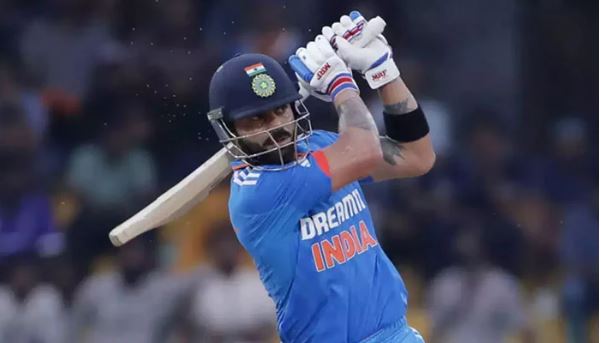
    By Muhammad Naseer Virat Kohli’s possible presence in the 2027 ODI World Cup has already created excitement among cricket fans. After years of remarkable performances, Kohli has become one of the most respected ODI batters of his generation. He has openly reaffirmed his commitment to playing in the 2027 World Cup, giving fans hope that they may see him represent India in another major tournament. The 2027 World Cup will be especially important because it could be one of the final major international tournaments of his career. Kohli has already experienced the pressure and excitement of World Cups on several occasions. He was part of India’s 2011 World Cup-winning team and later became one of the tournament’s most consistent performers. His extraordinary ability to chase difficult targets has made him particularly valuable in ODI cricket. His experience could also provide important guidance to younger players entering their first World Cup. However, reaching 2027 will require maintaining fitness, form, and consistency over the coming years. Cricket is an unpredictable sport, and no player can guarantee what the future will bring. Nevertheless, Kohli’s determination suggests that he still has ambitions left to fulfil in the 50-over format. For millions of supporters, watching him in another World Cup would be an emotional experience. His presence could also add enormous attention to the tournament. More importantly, the younger generation could learn from his preparation, discipline, and approach to the game. Kohli has already achieved numerous individual milestones, but another World Cup triumph would add another memorable chapter to his career. India will have many talented players by 2027, so the final team selection will depend on form and fitness at that time. If Kohli remains at his best, his experience could be extremely valuable in a high-pressure tournament. The 2027 World Cup may therefore become not only a competition for India but also another stage in the remarkable story of one of cricket’s modern greats. Fans will undoubtedly hope to see his familiar number on the Indian jersey when the tournament begins. Whether he produces another unforgettable innings or simply guides younger teammates, his contribution could be significant. For now, the possibility of Virat Kohli playing in the 2027 ODI World Cup is enough to keep cricket lovers eagerly waiting for what could be another memorable chapter in his extraordinary career.

  • Plastic Pollution in Kosh Malikabad

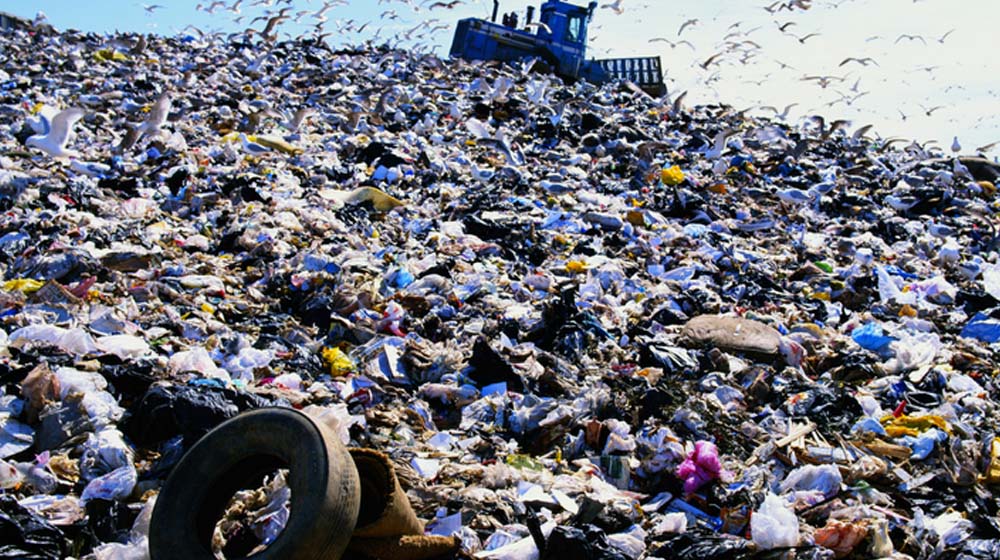
    By Baloch khan Through the columns of your esteemed newspaper, I would like to highlight the growing problem of plastic pollution in Kosh Malikabad, Turbat. Plastic bags and bottles are scattered on roads, empty plots, and drainage channels, making the area dirty and unhealthy. This pollution harms the environment, blocks drains, and poses a serious risk to animals and public health. The local authorities should install more dustbins, improve waste collection, and launch awareness campaigns to encourage people to reduce the use of single-use plastics. Citizens should also take responsibility for keeping their surroundings clean. I hope the concerned authorities will take immediate action to address this issue and protect the environment of Koshk Malikabad.

  • Preserving Balochi Traditions

    By Aamina Asghar The Baloch are an ancient people with a rich culture that is distinct from many other cultures around the world. Whether it is their weddings or their way of life, everything about their culture is unique. Most particularly, Balochi weddings have their own beautiful traditions but many modern trends influenced by social media and other cultures are gradually replacing them. It is good to enjoy modern trends, but we should not forget our own traditions that identifies us in the world. The below I mention some of the keen factors affecting the culture: Our Culture Is Our Identity Baloch wedding traditions have been passed down by our ancestors. They tell the story of who we are and remind us of our rich cultural heritage. Culture is what identify us from any part of the world and make us look different from the native of that particular area. Traditional Balochi Dress Balochi brides and grooms wear beautiful traditional dresses with fine embroidery done by Baloch women’s hand. They are hand-made cloths. Nowadays, many people prefer modern designer clothes instead of traditional Balochi attire. The trend has been influenced from social media and is adopted by the living persons in their daily life. Wedding Customs Many families now arrange Mehndi ceremonies, Dholki events, dance performances, bridal shows, and other celebrations that were not traditionally part of Baloch weddings. As a result, our original customs are becoming less common. As a result, few young people know the traditional practices of Balochi Culture. Decoration Traditional Baloch weddings had simple decorations that focused on family, culture, and tradition. Today, expensive stage decorations, flower walls, and modern themes are becoming very popular, making the marriage more expensive. Upon seeing such things, everyone around the society expects such marriages to take place in future, badly affecting the poor people who cannot afford them and thus ends up insulting them in others’ eyes. Social Media Influence Many people copy what they see on social media without thinking about their own culture. It is good to know about other’s culture, but killing your own culture for others is never beneficial for the generation to come. Our culture should be preserved. Music and Celebration Traditional Balochi music and cultural celebrations should be encouraged because they keep our heritage alive. Sadly, very few people are well aware of Balochi singers. We respect other singers when it comes to our own Balochi singers who are preserving the language are never valued or recognized by majority of us. Thus, modern trends are not bad, but we should not allow them to replace our beautiful traditions. Baloch wedding traditions are an important part of our culture. Our dresses, music, customs, and celebrations reflect our identity, and we should respect and preserve them. This will help future generations understand the value of Balochi culture. Let us take pride in being Baloch, promote our traditions and show the world the beauty of our culture.

  • Brain Drain: A Growing Challenge for Pakistan

    By Asma Qayyum Brain drain refers to the migration of highly educated and skilled professionals to other countries in search of better employment opportunities, higher salaries, quality education, advanced research facilities, and improved living conditions. This phenomenon has become one of Pakistan’s most serious development challenges, affecting the country’s economic growth and human capital. According to the World Bank, Pakistan is among the countries experiencing a significant outflow of skilled workers. Furthermore, official data from the Bureau of Emigration and Overseas Employment (BEOE) show that hundreds of thousands of Pakistanis leave the country each year for overseas employment, including a large number of educated professionals. This growing migration places additional pressure on vital sectors such as healthcare, engineering, education, and information technology. Several factors contribute to brain drain, including unemployment, low salaries, limited research opportunities, political instability, economic uncertainty, and poor working conditions. As a result, many talented individuals believe they can achieve greater professional success and a better quality of life abroad. The consequences of brain drain are far-reaching. Pakistan loses experienced doctors, engineers, teachers, researchers, scientists, and IT specialists whose knowledge and expertise are essential for national development. The departure of these professionals weakens public services, reduces innovation, and slows economic progress. According to the Bureau of Emigration and Overseas Employment, 762,499 Pakistanis officially left the country for overseas employment in 2025. Since 1971, more than 15 million Pakistanis have been registered for overseas employment through the bureau. These figures highlight the scale of the issue and the urgent need for effective policy measures. To reduce brain drain, the government should create more employment opportunities, improve salaries and working conditions, invest in research, innovation, and higher education, and provide incentives that encourage skilled professionals to remain in or return to Pakistan. A stable economy, merit-based opportunities, and professional growth are essential to retaining the country’s talented workforce. Pakistan’s greatest asset is its people. By investing in its skilled professionals and creating an environment where they can thrive, the country can transform brain drain into brain gain and build a stronger, more prosperous future.

Leave a Reply

Your email address will not be published. Required fields are marked *