children wrong

Why do children go wrong?

By Zunaira Karim

Letter to the editorChildren are the future of every society. They are born innocent and gradually learn their values, habits, and behavior from the people and environment around them. When a child becomes disobedient, dishonest, or involved in harmful activities, many people ask, “Who is responsible?” The answer is not simple because the responsibility is shared among parents, schools, society, and the child.

Parents have the greatest influence on a child’s life. They are a child’s first teachers and role models. Children learn by observing their parents’ actions, attitudes, and behavior. If parents fail to give proper attention, guidance, love, and discipline, children may develop negative habits. Spending quality time with children, listening to their concerns, and teaching them good moral values are essential responsibilities of every parent.

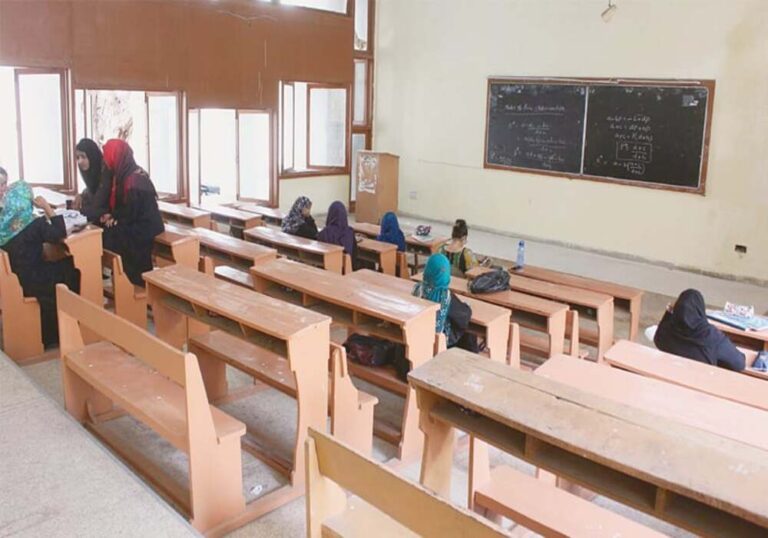
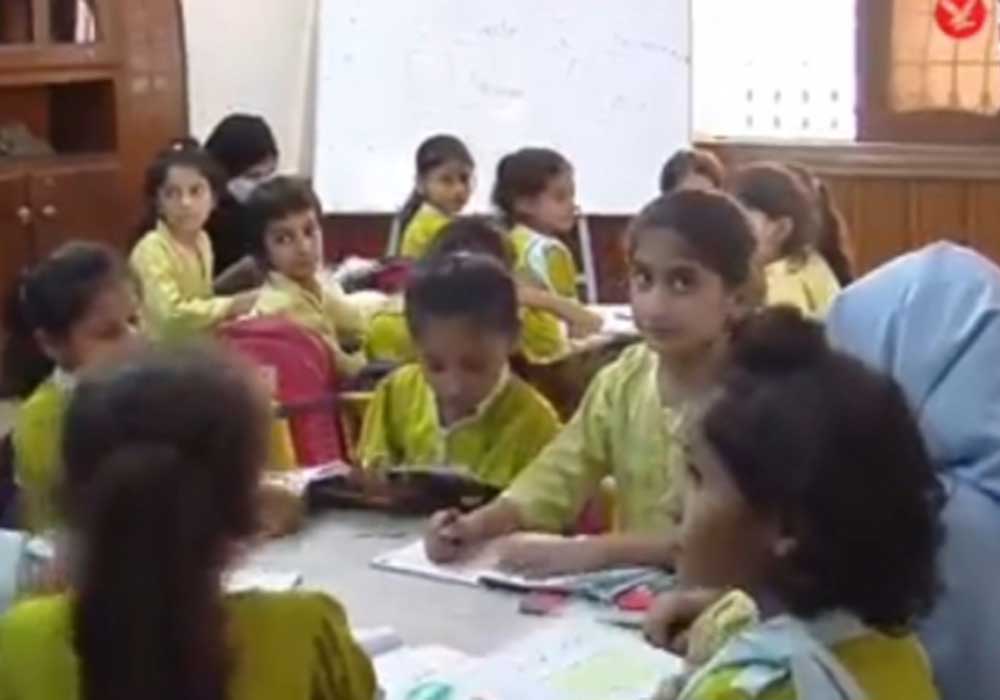
Schools also play a vital role in shaping a child’s character. Teachers not only provide academic knowledge but also help students develop honesty, respect, responsibility, kindness, and self-discipline. A positive school environment encourages children to make good decisions and become responsible citizens.

Society and the media have a significant impact on children’s behavior as well. Friends, social media, television, and the internet strongly influence a child’s thoughts and actions. Exposure to violence, inappropriate content, or negative peer pressure can lead children in the wrong direction. Therefore, communities should work together to create a safe and supportive environment where children can grow with positive values.

At the same time, children must also learn to take responsibility for their own actions as they grow older. They should be taught the difference between right and wrong and encouraged to make wise choices, even when faced with challenges or temptations.

If a child goes wrong, no single person or institution is entirely responsible. Parents, schools, society, and the child all have important roles in shaping character and behavior. By working together, they can provide the guidance, support, and education that every child needs. A caring family, a strong educational system, and a positive society can help children become responsible, confident, and successful members of the community.

Similar Posts

  • Pakistan: The Moment Frustration Met Patience

    Why would two nations that had been at war for months agree to let Pakistan carry their words to one another? The answer says a great deal about the place Pakistan has earned in the global hierarchy. Few countries are able to exchange views openly with both Tehran and Washington, yet Pakistan has built exactly that kind of standing through years of patient and balanced diplomacy. In Switzerland this June, that effort proved its worth. When the Iranian delegation grew frustrated and stepped away from the table, the negotiations might easily have collapsed. Instead, mediators from Pakistan and Qatar kept the channels open, passing messages between the two sides until the heat dissipated. The meeting at Burgenstock stretched on for eighteen hours, a test of patience that Pakistan met with gracious endurance. And what did it pocket for its own benefit? Nothing for itself. Its only aim was to silence the guns and keep the Strait of Hormuz open, so the wider world could feel some relief. Is that not the affirmation of a nation that proceeds in good faith? Credibility of this magnitude is not cultivated overnight. It is built progressively, through transparency and disciplined action, and in Switzerland, the world saw clearly that Pakistan possesses this cross-cultural credibility.

  • Urgent Need for Clean Drinking Water in Gwadar

    By Shayhaq Siraj Gwadar, a city that stands as a symbol of development and economic promise, is unfortunately facing a severe crisis of clean drinking water. Despite being a focal point of national and international attention due to its strategic importance, the basic necessity of safe water remains a distant dream for many residents. The people of Gwadar are forced to rely on water tankers and private suppliers, which are often expensive and unreliable. In many areas, the available water is contaminated and unfit for human consumption, posing serious health risks, especially to children and the elderly. Waterborne diseases are becoming increasingly common, highlighting the urgent need for intervention. It is deeply concerning that while large-scale development projects are underway, the fundamental rights of local citizens are being overlooked. Access to clean drinking water is not a luxury; it is a basic human right that must be ensured for every individual. The authorities must take immediate and effective measures to address this crisis. Investment in proper water supply infrastructure, desalination plants, and efficient distribution systems is crucial. Furthermore, strict monitoring should be implemented to ensure the quality of water being supplied to the public. Gwadar’s true progress cannot be measured solely by infrastructure and investment but by the well-being of its people. Providing clean drinking water is essential for a healthy, prosperous, and sustainable future. I hope the concerned authorities will take swift action to resolve this pressing issue.

  • Dasht is in danger

    By Meer Baloch Through your newspaper, I want to draw attention to the serious situation in Dasht. The people of Dasht are facing many problems, and they do not feel safe in their own area. There is a lack of proper security, police protection, hospitals, and other basic facilities. People are worried about their safety, especially women, children, and elderly people. The government should take immediate steps to improve security and provide basic facilities to the people of Dasht. I hope you will publish this issue in your newspaper so that the authorities can take notice and protect the people of Dasht.

  • Death Certificate

    By Waseem Hasil Every family eventually faces the quiet, overwhelming pain of losing someone they love. In those raw moments of grief, the last thing anyone should have to worry about is whether they can afford the paperwork required to officially honor their loss and settle their loved one’s affairs. I am writing to you today not just as a citizen raising a policy issue, but as someone deeply concerned about how our current administrative system treats grieving families during their most vulnerable hours. While government policies often announce free registration, the human reality at the ground level tells a very different story. Citizens arriving at local union council offices or municipal counters are frequently met with unexpected charges, costly attestation fees, and confusing legal hurdles. For a family that has just lost its primary earner, coming up with extra money for delayed registration fines, stamp papers, or succession documentation is an agonizing extra weight to carry. It feels deeply unfair that obtaining a basic legal paper, something essential for pension claims and family inheritance, becomes a financial negotiation. Official procedures should reflect compassion and empathy, serving as a support system rather than an added obstacle. When we allow indirect fees and procedural delays to mount, we make an already heartbreaking situation needlessly harder for ordinary people who are simply trying to do what is right. I sincerely appeal to your office to step into the shoes of those waiting at municipal desks across the country. Please establish strict oversight to clear away hidden fees, simplify the paperwork, and ensure that every family, regardless of their financial status, can obtain a death certificate with dignity and ease.

  • The Growing Issue of Fake Degrees and Certificates

    By Sania Rahim I would like to draw the attention of the concerned authorities and the general public toward the rapidly growing issue of fake degrees and certificates, which is becoming a serious threat to our society day by day. Education is considered the backbone of any nation. It builds skilled professionals, responsible citizens, and a strong economy. However, the increasing trend of fake educational documents is weakening this very foundation. Today, some people obtain fake degrees and certificates to secure jobs, promotions, admissions, and other benefits without having the required knowledge, skills, or hard work. This unfair practice is not only injustice to deserving candidates but is also damaging the credibility of our educational institutions. The most alarming part is that fake degrees are now being used in sensitive fields such as medicine, engineering, teaching, law, and public administration. An unqualified doctor, engineer, or teacher can endanger human lives and the future of entire communities. When unskilled people occupy important positions through fraudulent documents, the quality of services declines, accidents increase, and public trust in institutions erodes. It also discourages honest students who spend years studying and working hard to earn genuine qualifications. Another major consequence is corruption. The network of agents, printing presses, and online sellers who manufacture and sell fake degrees is growing because of high demand and weak verification systems. This creates a parallel market where money replaces merit. As a result, competent individuals are left behind while unqualified people move ahead, which ultimately harms national progress. To control this serious issue, I would like to suggest some necessary steps: First, the government should establish a centralized, digital database of all degrees and certificates issued by recognized boards and universities. Every employer and institution should be bound to verify documents through this system before hiring or admission. Second, strict legal action should be taken against those involved in making, selling, and using fake degrees. Heavy fines and imprisonment can serve as a strong deterrent. Third, awareness campaigns should be launched in schools, colleges, and on media platforms to educate students and parents about the dangers and legal consequences of using fake documents. Fourth, professional bodies like the Pakistan Medical Commission, Pakistan Engineering Council, and education departments must regularly audit their members and employees. In conclusion, fake degrees are not just a paper problem. They are a threat to merit, public safety, and the future of our country. I sincerely hope that the concerned departments, law enforcement agencies, and educational authorities will take immediate and effective steps to eliminate this malpractice and restore trust in our education system.

  • Bridging the Education Gap

    By Baloch Khan The education gap is one of the biggest challenges facing Pakistan. Students in cities often have better schools, qualified teachers, and modern facilities, while many students in rural and remote areas study without basic classrooms, libraries, laboratories, or even enough teachers. This unequal system denies many children the opportunity to achieve their full potential. Every child deserves access to quality education regardless of where they live or how much their family earns. The government should improve public schools, appoint qualified teachers on merit, provide learning materials, and ensure equal educational opportunities for all students. Investing in education is investing in the country’s future. Unless this gap is reduced, social and economic inequality will continue to grow. It is time for the authorities to take practical steps to ensure that every child receives the education they deserve

Leave a Reply

Your email address will not be published. Required fields are marked *