barrister gohar denies
| |

Barrister Gohar denies reports on PTI founder&#821…

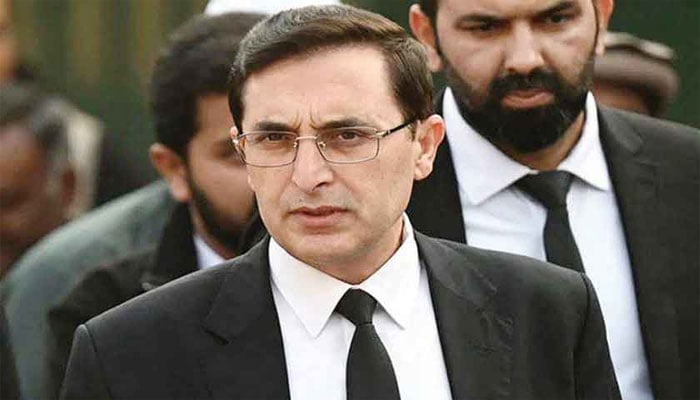
Pakistan Tehreek-e-Insaf (PTI) Chairman Barrister Gohar has dismissed reports circulating on social media claiming that the party’s founder is undergoing treatment at a prison hospital due to high blood pressure or any other medical condition.

In a fresh statement, Barrister Gohar said he had personally verified the matter with the relevant authorities. He added that he had also informed the PTI founder’s family about the actual situation after confirming the facts.

He urged the media and social media users to avoid spreading unverified information regarding the health of the PTI founder and Bushra Bibi. He stressed that only confirmed information should be shared to prevent the spread of misinformation.

Barrister Gohar said false reports about the health of political leaders create unnecessary confusion and concern among supporters and the public. He appealed to journalists and the public to act responsibly and verify facts before publishing or sharing any news.

Reiterating the party’s stance, Barrister Gohar maintained that the PTI founder and Bushra Bibi are being unjustly held in prison. He said the party continues to demand that both be provided proper medical care and be released.

The statement comes after speculation on social media claimed that the PTI founder had been shifted to the prison hospital for treatment. Barrister Gohar rejected those claims and insisted that such reports were inaccurate, calling on everyone to rely only on verified information regarding the health and condition of the PTI founder and Bushra Bibi.

Similar Posts

  • | |

    Another Reko Diq-Sized mining project in Pakistan,…

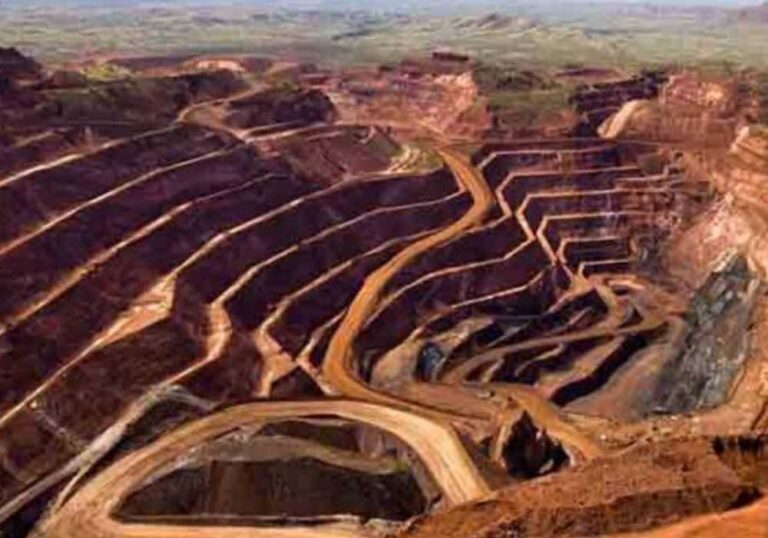
    ISLAMABAD: The United States has expressed strong confidence in Pakistan’s mineral sector, with a senior US Embassy official revealing that the Trump administration is prepared to support another mega mining project on the scale of  to invest in Pakistan despite security concerns, viewing the country’s vast mineral wealth as strategically important for future global industries. During a background briefing with journalists on Wednesday, the embassy official said Washington considers Pakistan a key partner in the global race for critical minerals that are essential for advanced technologies, clean energy, artificial intelligence, semiconductors and defence manufacturing. According to the official, the US government is encouraging American investors to explore Pakistan’s untapped mineral resources, ranging from large-scale copper and gold projects to smaller mining ventures worth only a few million dollars. US Prepared to Finance Another Mega Project The official said the US administration is ready to support another project comparable to the multibillion-dollar Reko Diq development if geological surveys and feasibility studies demonstrate strong commercial potential. He added that financing support could be extended through US institutions such as the Export-Import (Exim) Bank and the Development Finance Corporation, both of which are playing a growing role in securing global supply chains for critical minerals. The official noted that American companies are not only interested in major mining investments but are also examining opportunities to acquire, develop and expand smaller mining operations across Pakistan. Reko Diq Progress Continues Despite Delays Discussing the Reko Diq copper and gold project, the official acknowledged that work is progressing, although at a slower pace than initially anticipated. He explained that project costs are currently being reassessed, after which developers will return to financiers to finalize the remaining funding package. The first phase of the Reko Diq project is estimated to cost around $7.7 billion, while the US Exim Bank has already offered $1.25 billion in financing. However, the overall financial structure remains under discussion. The project has experienced delays due to rising construction costs and security concerns in Balochistan, prompting project stakeholders to revise cost estimates more than once. Earlier this year, Barrick Gold, which owns a 50 percent stake in the project, also reviewed development timelines because of increasing costs and security-related challenges. Major Economic Benefits Expected The embassy official said Reko Diq has the potential to transform Pakistan’s economy once it becomes fully operational. According to the estimates shared during the briefing, the project could generate nearly $2 billion in annual free cash flow. Of this amount, around $500 million would go directly to the Government of Balochistan, while another $500 million would benefit Pakistan’s state-owned enterprises. The official further stated that Pakistan’s mining sector currently contributes roughly 3 percent to the country’s economy, while Reko Diq alone could increase national GDP by approximately 0.5 percentage points, highlighting its significance for long-term economic growth. Critical Minerals Becoming Strategic Priority The US official emphasized that critical minerals have become a top strategic priority for Washington as demand continues to rise across technology, renewable energy and defence sectors. Pakistan possesses commercially attractive reserves of copper, antimony, tungsten and several other minerals considered essential for future industries. He said American companies believe Pakistan has enormous untapped potential, particularly as global demand for copper is expected to rise sharply over the coming decades. The official added that US firms are actively seeking long-term supply agreements for minerals extracted from Pakistani mines, while some investors are interested in purchasing and developing smaller mining assets. Investment Opportunities Across Pakistan Besides Balochistan, American investors are also exploring mineral opportunities in Khyber-Pakhtunkhwa, particularly for copper deposits, while rare earth mineral prospects in Gilgit-Baltistan have also attracted attention. The official said the United States is searching globally for around 60 critical minerals needed for emerging technologies, many of which are found in Pakistan. He noted that several companies have already begun exploration and extraction activities in different regions of the country. Security Remains the Biggest Challenge Despite strong investment interest, the official acknowledged that security remains one of the most significant obstacles facing mining projects in Pakistan. He said US companies fully understand the risks associated with operating in regions such as Balochistan and Khyber-Pakhtunkhwa but remain willing to invest if appropriate security arrangements are provided. The official stressed that the Pakistani government should continue strengthening security measures and facilitating investors to ensure long-term success of mining projects. He added that American companies are encouraged to partner with local firms, which possess valuable experience in navigating operational and security challenges in remote mining areas. US Calls for Transparent Investment Environment The embassy official also urged Pakistan to maintain a transparent, predictable and competitive investment climate to attract greater foreign investment into the mineral sector. He noted that Pakistan’s participation in the US Critical Minerals Initiative earlier this year reflects growing cooperation between the two countries in securing future mineral supply chains. According to the official, if exploration and investment continue at the current pace, Pakistan’s mining industry could emerge as one of the country’s strongest economic sectors over the next 10 to 20 years, creating employment, increasing exports and significantly boosting national revenues.

  • | |

    JI seeks Rs1 billion damages from former FBR chief

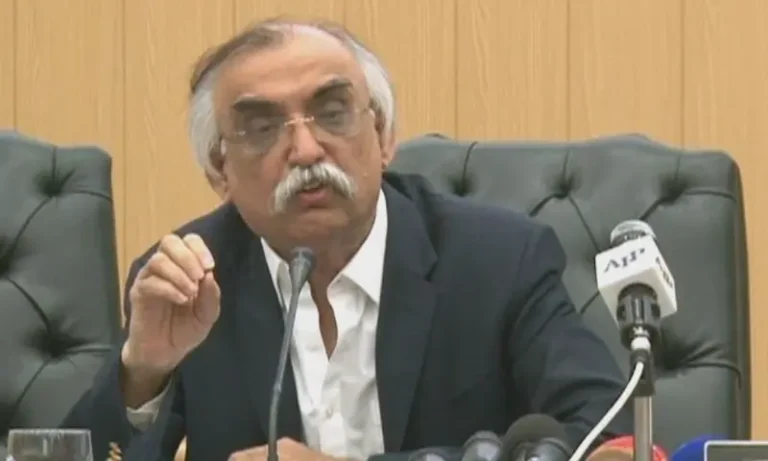
    KARACHI: Jamaat-i-Islami (JI) has served a legal notice on former Federal Board of Revenue chairman Shabbar Zaidi. The party is seeking Rs1 billion in damages over remarks it says harmed its reputation. The notice relates to allegations made by Zaidi about the political party and its role in public protests. JI said the former FBR chief made the remarks during a podcast and later repeated them on different social media platforms. According to the party, the notice was issued on July 27 through Advocate Tahir Iqbal Malik. It was sent on the instructions of JI Karachi General Secretary Taufiquddin Siddiqui. JI has accused Zaidi of making serious and damaging claims. The party says the allegations suggested that it had received money to weaken or suppress public protests and political issues. The party also objected to comments in which Zaidi allegedly described JI as an “establishment firewall”. According to JI, the remarks created an impression that the party was working to dilute public concerns and protests. The legal notice claims that the statements included allegations of secret funding, bribery, corruption and political misconduct. It also alleges that the remarks suggested coordination between the party and state institutions. JI has demanded that Zaidi provide evidence to support his claims. The party has asked him to identify the person who allegedly made the payment and the individual who supposedly received it. The notice also seeks details about the alleged amount, including when and where the payment was made. JI has asked for information about the method of payment and any bank records or financial documents linked to the allegation. The party has further demanded evidence concerning the alleged protest or public issue. It has asked for the names of witnesses and any documents, recordings or other material that could support the claims. JI also wants Zaidi to disclose the source of the information on which his allegations were based. The party has said the claims should be backed by verifiable evidence. When approached for a response, Zaidi said he had forwarded the legal notice to his lawyer. He said he would seek legal advice on the matter. The dispute could now move into a legal phase if the former FBR chairman does not respond to the notice in the manner demanded by the party.

  • 32 dead as gas blast rips through Quetta coal mine

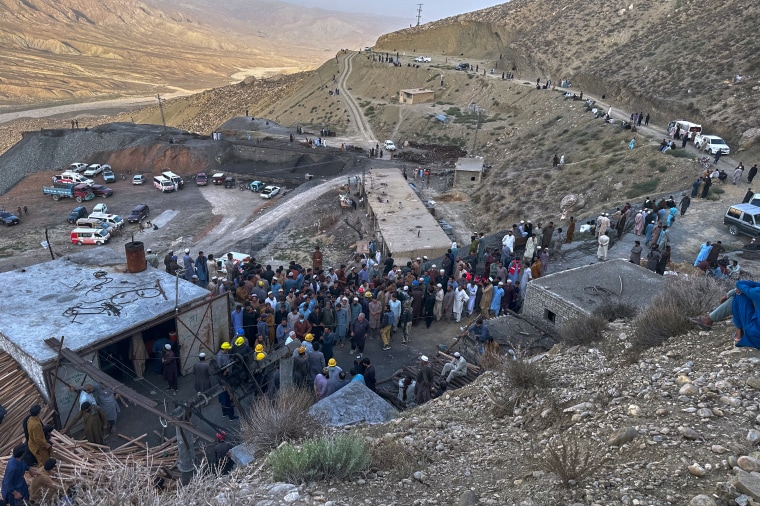
    At least 32 bodies were recovered overnight from two coal mines in the Sorange coalfield near Quetta after a methane gas explosion tore through the site. The search for two more miners continued on Friday, an official told Dawn. The explosion took place on Thursday at a private coal mine in the Sorange coalfield, about 30 kilometres northeast of Quetta. The methane gas blast set off a fire, caused the mine to collapse, and also affected a nearby mine. Chief Inspector of Mines Balochistan Muhammad Atif told Dawn that 34 miners were inside the two mines at the time of the explosion. He said that so far 32 bodies had been recovered from both mines, and that the operation to recover the remaining two miners was continuing in the mine where the explosion originally took place. Officials said the explosion happened on Thursday afternoon while 24 miners were working around 4,000 feet underground in the first mine. A fire broke out soon after the blast, causing parts of the mine structure to collapse. The sound of the explosion was heard across a wide area of Sorange. A second, nearby mine was also badly affected. Twelve miners were working inside this mine when the explosion occurred. Mining engineers and workers built alternative routes to reach both affected mines, but large amounts of methane gas along with the ongoing fire made it extremely difficult to reach the bodies and the miners still trapped deep underground. Provincial Minister for Mines and Minerals Mir Shoaib Nosherwani announced that the provincial government will pay Rs500,000 in compensation to the family of each miner who died, and Rs300,000 to every injured worker. He said an inquiry into the incident would also be carried out. This is not the first such tragedy in the region. In June, three people were injured when explosive material used in mining accidentally went off in Quetta division’s Khanuzai area. In April, at least five coal miners were killed in two separate accidents in the Bolan and Duki coalfield areas. Meanwhile, Khyber Pakhtunkhwa’s Shangla district is mourning the loss of 28 young coal miners who died in the blast, including 23 residents of a single village, Mian Kaly. The Shangla Coal Mine Workers Association said that almost every household in Mian Kaly is now grieving the loss of a family member. Abid Yaar, president of the association, said Mian Kaly has become the centre of repeated coal mine tragedies. He said that of the 28 deceased workers from Shangla district, 23 were from Mian Kaly, also known as Pir Abad, two were from Kana, and one each came from Bada and Gata Bely Baba. He said the victims were between 17 and 25 years old, and many belonged to the same families, being cousins or close relatives. He added that several of the dead were orphans whose fathers had also died in earlier coal mine accidents. Yaar alleged that the tragedy was caused by negligence on the part of the mine administration and a lack of basic safety measures. He claimed there was no proper ventilation system in the government run mine, which led to the deadly gas explosion. He said this was not just an accident but a lifelong trauma for the families, orphans, widows and mothers who lost their loved ones. He said these young men had gone to work in the mine only to earn a living and support their families back home. He also said that Shangla lacks factories and other skilled job opportunities, which forces young people to risk their lives in dangerous coal mines just to make ends meet. Family members of the victims criticised the government for failing to arrange ambulances to transport the bodies home. They said they had to bring the remains back in a van at their own expense. According to the Shangla administration, one body arrived on Friday evening, with the rest expected to arrive later that night and early Saturday morning. Three of the miners who died in the tragedy were brothers.

  • Highway Police Intercept 5 Undocumented Chinese Nationals in Lampang

    LAMPANG – Highway police officers recently stopped a white Nissan Almera carrying five undocumented Chinese nationals. The vehicle was safely intercepted at a police checkpoint on Highway 1 in Ko Kha district. Authorities suspect the group is strongly connected to a larger illegal scammer network operating regionally. The recent incident occurred on the evening of […]

  • |

    Senate Republicans launch battle to repeal Califor…

    A political battle over environmental regulation has intensified as a coalition of Republican senators introduced legislation. The battle will strip California of its authority to establish its own vehicle emissions standards. The proposal represents the latest push in a broader federal strategy to curb the state’s ability to impose environmental mandates that effectively shape national automotive and industrial markets. The effort is led by Senator Cynthia Lummis of Wyoming, alongside Senators Eric Schmitt of Missouri, Pete Ricketts of Nebraska, and Jon Husted of Ohio. The lawmakers argue that California’s regulatory body, the California Air Resources Board (CARB), has abused federal waivers. Auto manufacturers and equipment producers rarely manufacture separate product lines solely for one state. California’s strict rules often become the de facto national standard. These rules influence prices and options for consumers across the entire United States. The Congressional Review Act Strategy This legislative effort has a procedural mechanism: the Congressional Review Act (CRA). Under normal Senate procedures, major legislation requires a 60-vote to overcome a filibuster. However, resolutions brought under the CRA require only a simple majority to pass Congress. The stage for this Senate challenge was set earlier this summer. The timeline was set by the Environmental Protection Agency (EPA) that transmitted landmark California emissions waivers. The waivers were sent to the Republican-controlled Congress for potential repeal. Federal environmental officials asserted that these state waivers should have originally been submitted to lawmakers under the CRA framework. It opened a window for congressional review and nullification. Economic Concerns vs. Environmental Protections Proponents of the repeal contend that California’s stringent tailpipe regulations, mandates for zero-emission vehicles, and rules governing commercial and maritime equipment place an excessive financial burden on businesses and everyday Americans. Lawmakers pushing the repeal maintain that the state’s aggressive transition timelines artificially drive up vehicle costs, strain grid infrastructure, and disrupt critical supply chains, particularly at major Pacific shipping hubs where port electrification and commercial vessel requirements are enforced. Conversely, California officials and environmental advocates strongly defend the state’s right to set higher clean air benchmarks. Granted legal authority under the federal Clean Air Act due to its severe historical smog issues, California served as a primary catalyst for automotive innovation for decades. Supporters argue that strict state waivers successfully incentivized carmakers to develop cleaner internal combustion engines and expand electric vehicle offerings, resulting in measurable air quality improvements nationwide. Legal Showdown and Future Outlook The dispute overflowed from legislative halls into federal courtrooms. California state attorneys filed a lawsuit challenging the EPA’s decision to submit the waivers to Congress under the CRA, characterizing the maneuver as an illegal attempt to bypass statutory deadlines and overturn established regulatory frameworks.   The Senate prepares to consider the repeal resolutions. The fight underscores a fundamental dispute over authority and the future of transport decarbonization in America. Whether through congressional votes or judicial rulings, the outcome will likely dictate the regulatory landscape for automakers and consumers.

  • | |

    Court extends remand of PAF officer’s murder sus…

    An anti-terrorism court (ATC) in Islamabad has granted police another seven days of physical remand of Saad Abbasi, who is accused of killing Pakistan Air Force (PAF) Group Captain Asim Tariq. Abbasi was produced before the court on Monday after completing his initial seven-day physical remand. ATC Judge Abul Hasnat Muhammad Zulqarnain heard the case. The prosecution requested an additional 15 days of physical remand to continue the investigation. Prosecutor Raja Naveed Hussain Kayani told the court that police had recovered the pistol allegedly used in the killing. He said the suspect had allegedly concealed the weapon after the incident. The prosecution also informed the court that investigators had yet to recover the suspect’s mobile phone. Police said the phone could provide further information relevant to the investigation. After hearing arguments from the prosecution, the court reserved its decision on the remand request. The court later approved seven more days of physical remand. Abbasi was handed back to police custody for further investigation. The court directed police to produce the suspect before it again after the completion of the additional remand period. The case relates to the death of Group Captain Asim Tariq in Islamabad on July 5. According to the investigation, the PAF officer intervened when the suspect allegedly attempted to forcibly take a woman away. The situation reportedly escalated after Tariq intervened. The suspect allegedly opened fire, and the officer was struck by a bullet. Tariq succumbed to his injuries and was later declared a martyr. Islamabad police arrested Abbasi within nine hours of the incident. Investigators are continuing to examine the circumstances surrounding the shooting. Police are also working to recover the suspect’s mobile phone and gather additional evidence.

Leave a Reply

Your email address will not be published. Required fields are marked *