trump targets birthright
| |

Trump targets birthright citizenship again after c…

WASHINGTON: US President Donald Trump has signed two executive orders seeking to restrict birthright citizenship, renewing his administration’s challenge to a constitutional provision just weeks after the Supreme Court rejected his earlier attempt.

The new orders, signed on Thursday, take a narrower approach than Trump’s previous directive and focus on specific categories of children born in the United States. The administration argues that the measures fall outside the scope of the Supreme Court’s June 30 ruling.

Birthright citizenship has been a central issue in Trump’s immigration agenda, with the White House particularly targeting what it describes as “birth tourism” — a practice in which pregnant foreign nationals travel to the US to give birth so their children can obtain American citizenship.

At the signing ceremony in the Oval Office, White House aide Stephen Miller said the administration was formally moving to end the practice, declaring that “birth tourism” was banned under the new orders.

The executive orders also seek to restrict citizenship rights for children born to certain foreign government employees and children of people classified as “alien enemies.” They could potentially have implications for people born in US territories if Congress approves proposed legislation seeking to end automatic citizenship there.

Trump’s latest move comes only weeks after the Supreme Court ruled 6-3 against his earlier attempt to restrict birthright citizenship. His first executive order, issued in 2025, instructed federal agencies not to recognise citizenship for children born in the US when neither parent was an American citizen or lawful permanent resident.

The 14th Amendment has traditionally been interpreted as guaranteeing citizenship to people born on US soil, with limited exceptions including children of foreign diplomats and members of an enemy occupying force.

Trump criticised the Supreme Court ruling, calling it a “very unfortunate decision” and arguing that businesses and individuals were exploiting the citizenship system through birth tourism.

However, legal experts and immigrant rights groups have questioned whether the new orders can withstand judicial scrutiny. The American Civil Liberties Union predicted that the administration’s latest effort would fail in court, while advocates accused Trump of attempting to bypass the Supreme Court.

Deborah Fleischaker of UnidosUS said the high court had recently reaffirmed that birthright citizenship was a constitutional guarantee and argued that presidents could not alter it through executive action.

The 14th Amendment’s Citizenship Clause states that all persons born or naturalised in the United States and subject to its jurisdiction are US citizens.

The Supreme Court’s June ruling, Chief Justice John Roberts wrote, reaffirmed the principle that citizenship represents the right to participate fully in the country’s political community.

The latest orders are therefore expected to trigger another legal battle, potentially putting Trump’s immigration policies and the constitutional interpretation of birthright citizenship back before the courts.

Similar Posts

  • | |

    Did a Japanese man really spend Rs220 crore to become a dog?

    A viral claim suggesting that a Japanese millionaire spent Rs220 crore on surgeries to transform himself into a dog has been debunked, with available information indicating that the story is based on a highly realistic costume rather than any medical procedure. The claim recently gained traction on social media alongside a video showing a man appearing to move and behave like a dog. Posts circulating online alleged that a 26-year-old Japanese millionaire, reportedly identified as “Jaso”, had undergone expensive surgeries to permanently alter his body and acquire a canine appearance. However, there is no credible evidence that the man underwent such surgeries or spent anything close to Rs220 crore on a physical transformation. The viral story appears to have originated from a genuine case involving a Japanese man known online as “Toco”. He attracted international attention after fulfilling his long-held dream of experiencing life as a dog. Toco commissioned Japanese modelling and sculpting company Zeppet to design an extremely realistic Collie costume. The outfit was specially created to resemble the appearance of a real dog and reportedly cost around 2 million Japanese yen, equivalent to approximately Rs11–12 lakh. The costume was designed with considerable attention to detail, allowing Toco to convincingly appear as a Collie when wearing it. Videos and photographs of him using the costume subsequently spread widely across social media. The transformation, however, was entirely temporary. Toco did not undergo surgery, alter his body permanently or medically transform himself into an animal. Instead, he uses the elaborate costume as part of a personal hobby and to fulfil a childhood fascination with experiencing life from an animal’s perspective. The dramatic Rs220-crore figure appears to have been added or distorted as the original story circulated online. The huge difference between the reported cost of the costume and the alleged surgical expenditure highlights how the original account was exaggerated on social media. The viral video may therefore give viewers the impression that a person has physically transformed into a dog, but the available details point to a sophisticated costume rather than surgery or permanent physical modification.

  • | |

    Pakistan backs Saudi Arabia’s right to self-defe…

    ISLAMABAD: Pakistan has strongly condemned the attack on Saudi Arabia, reaffirming that every sovereign nation has the right to defend itself under international law. Islamabad stated that Saudi Arabia’s military response in Iraq should be viewed within the framework of legitimate self-defence. Speaking at the weekly media briefing, Foreign Office spokesperson Tahir Andrabi said Article 51 of the United Nations Charter grants states the inherent right to take necessary measures to protect their sovereignty and security against armed attacks. He said Saudi Arabia’s actions should be understood in that legal context. The spokesperson stressed that Pakistan remains committed to promoting peace and stability in the Middle East and urged all parties to exercise restraint to prevent further escalation of regional tensions. Andrabi also said Pakistan supports the effective implementation of the Islamabad Memorandum of Understanding (MoU) involving the United States and Iran, adding that diplomatic efforts are continuing to reduce tensions and encourage dialogue among the concerned parties. During the briefing, he welcomed the ratification of a defence cooperation agreement between Pakistan and Kuwait, describing it as a positive step toward strengthening bilateral ties. He noted that Pakistan also maintains close defence cooperation with Jordan and Bahrain and continues to expand collaboration in multiple sectors. He added that if any new defence agreements are finalised with Jordan or Bahrain in the future, the government will inform the public and the media at the appropriate time.

  • |

    Shreya Kalra wins Lock Upp season 2 after dramatic finale

    Digital creator and actress Shreya Kalra has emerged as the winner of Lock Upp Season 2, defeating a strong lineup of finalists after an intense grand finale. Television actress Shivangi Joshi finished as the runner-up, while Yogesh Rawat, Shilpa Shinde and Ram Kapoor also reached the final stage of the competition. The finale, hosted by Farah Khan and Riteish Deshmukh, featured several challenging rounds designed to test the contestants’ strategy, resilience and decision-making skills. The finalists also faced the Janta Ki Jury segment, where a panel of 25 audience members questioned them about their gameplay, relationships inside the house and controversies that unfolded during the season. Kalra’s victory marked the end of a journey filled with emotional moments, heated confrontations and controversial incidents that kept viewers engaged throughout the season. From the beginning of the competition, she established herself as one of the strongest contestants, earning both praise and criticism for her outspoken personality. Originally from Indore, Madhya Pradesh, Shreya Kalra first gained popularity as a digital content creator before expanding her career into acting, podcasting and reality television. Her growing online fan base helped her become one of the most recognizable contestants when she entered Lock Upp Season 2. One of the earliest moments that drew attention came during the premiere episode when Kalra confronted fellow contestant Ram Kapoor over remarks he had made in the past. The exchange quickly became one of the season’s most discussed moments and set the tone for her fearless approach inside the competition. As the weeks progressed, Kalra found herself involved in several arguments with contestants including Yogesh Rawat, Akanksha Choudhary, Dheeraj Dhoopar and Sufi Motiwala. While these clashes often divided viewers, they also kept her at the center of the show’s biggest storylines. Among the season’s most controversial incidents was a conversation in which Kalra disclosed fellow contestant Akanksha Chamola’s sexual orientation. Kalra later claimed she revealed the information after Akanksha had filed a chargesheet against her inside the game. The incident sparked widespread debate among viewers, with many questioning issues related to privacy, consent and personal boundaries. Kalra also faced backlash for making personal remarks about actor Harshad Chopda during the season. Despite the criticism, she continued to survive eliminations and remained one of the most talked-about contestants until the finale. Throughout the competition, Shreya balanced emotional moments with strategic gameplay, building alliances while also standing firm during conflicts. Her determination, confidence and willingness to express her opinions helped her maintain a strong presence inside the house. After weeks of challenges, rivalries and public scrutiny, Kalra was ultimately crowned the winner of Lock Upp Season 2. Her victory concluded a season packed with drama, controversy and high-stakes competition, while runner-up Shivangi Joshi and the other finalists also earned praise for their performances throughout the reality show.

  • | |

    Pakistan’s HIV crisis deepens as child infection…

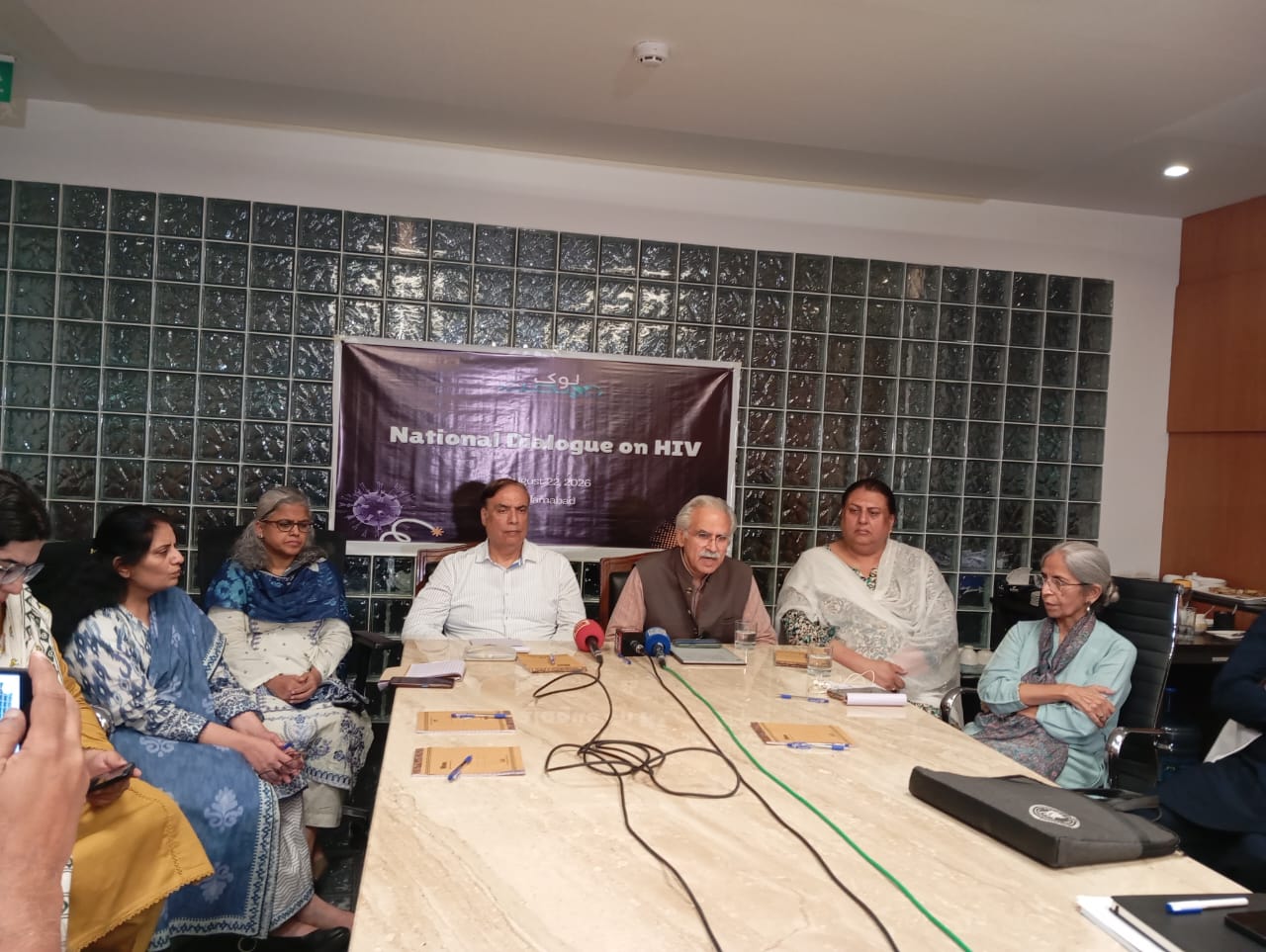
      Islamabad: Pakistan is facing a growing HIV crisis, with an estimated 369,000 people living with the virus while only about 84,400 cases are formally registered, according to a government Task Force report. Health experts and concerned citizens have warned that the real situation may be much worse because the country still lacks reliable and complete disease data. The warning came during a National Dialogue on HIV and AIDS organised by Lok Sehat, where doctors, public health experts, medical organisations, civil society groups and representatives of communities affected by HIV discussed the growing problem. Lok Sehat Convener Dr Zafar Mirza said the government must stop trying to control the disease by controlling or hiding data. He demanded that reliable information about HIV and other blood-borne diseases should be made available and that the government should take greater financial responsibility for HIV, tuberculosis, and malaria instead of depending heavily on international donors. The issue has become more serious because HIV infections are increasingly being reported among children and people outside the groups traditionally considered at higher risk. The Task Force report estimates that 369,000 people are living with HIV in Pakistan, but only around 84,400 cases are formally registered and about 60,789 people are receiving antiretroviral treatment. The report says the recent appearance of HIV among children in low-risk rural communities points to serious weaknesses in infection control, blood safety, healthcare regulation, and medical management. The situation in Taunsa Tehsil of Dera Ghazi Khan has raised particular concern. The Task Force report says 127 children were confirmed to have HIV during a five-month period between December 2024 and April 2025. Around 79 percent of those children were below five years of age, with the median age only three years. Investigations largely ruled out transmission from mothers because nearly all mothers of the infected children tested negative for HIV. The report identified unsafe blood transfusions and contaminated injection practices as major drivers of the Taunsa outbreak. It also found problems involving blood donor screening, unregulated healthcare providers, reuse of disposable syringes, excessive use of injections, poor sterilisation and weak infection prevention systems. Dr Zafar Mirza said repeated use of syringes and needles was a major suspected route of HIV transmission among people receiving healthcare. He called for proper training of healthcare workers and public awareness so patients and families understand the importance of using new syringes and needles. He also urged doctors to avoid unnecessary injections when oral medicines are medically suitable. The problem is not limited to one area. Former National AIDS Control Programme and IHRA chief Dr Quaid Saeed said 13 HIV outbreaks had been reported in Pakistan during the last 18 years, but only two, including the outbreaks in Jalalpur Jattan and Ratodero, had been extensively investigated. He called for proper investigations into every outbreak. The Task Force report also says the Ratodero outbreak in Sindh in 2019 affected more than 1,000 people, most of them children under 12. Investigations linked the outbreak to contaminated syringes, unsafe injections, unregulated blood transfusions, quackery and serious weaknesses in infection prevention and control. Experts also raised concerns about the treatment of people living with HIV. Dr Zafar Mirza said stigma remains a serious problem, including within parts of the medical profession. He said there had been cases where doctors refused to treat patients after learning that they had HIV. He stressed that HIV does not spread through ordinary contact such as shaking hands or being near an infected person. He called for stronger public awareness through television, newspapers and social media to correct false beliefs and reduce discrimination against patients. In Islamabad, infectious diseases expert Dr. Naseem Akhtar said many of the HIV cases seen at her centre involved people who inject drugs, deportees, transgender persons, men who have sex with men, and female sex workers. She said some cases had also been found among children. Dr Asma Naseem said the situation in Karachi was also worrying, particularly because of a rise in HIV cases among children. She said children with HIV were being brought to the Sindh Institute of Urology and Transplantation with kidney failure, describing the trend as highly concerning. The experts said weak regulation of healthcare facilities was another major part of the problem. Dr. Zafar Mirza called for stronger healthcare commissions, blood transfusion authorities, and other regulators, along with better funding, trained staff, and modern technology. The government Task Force has recommended nationwide surveillance of syringes, stronger regulation of medical devices, and a phased move towards auto-disable syringes. It has also proposed tougher action against unsafe medical practices. Another major recommendation is the creation of a national real-time HIV surveillance dashboard. The system would collect information from treatment centres, blood transfusion centres, provincial disease surveillance units and other health facilities so that new cases could be reported quickly at the national level. The Task Force has also proposed stronger testing and care for children, including early infant diagnosis, trained counsellors and paediatric HIV specialists in areas facing outbreaks. It has recommended social protection for children living with HIV, including support for medicines, nutrition, education, transport and psychological care. The proposed reforms also include stronger laws, mandatory reporting of HIV cases and outbreaks, better sharing of health data between provinces and agencies, and accountability for public and private healthcare providers where negligence contributes to disease transmission. The government report says a high-level National HIV Technical Working Group is also proposed, with experts including Maj. Gen. (R) Dr. Azhar Mehmood Kayani, Dr. Zafar Mirza, Dr. Abdul Wali Khan, Dr. Amjad Mahmood, Dr. Adnan Khan, Dr. Huma Qureshi, Dr. Hasan Abbas Zaheer, Brig. Dr. Nuzhat Mushahid, Dr. Saira Afzal, Dr. Fatima Mir, Dr. Saba Jamal, Dr. Rana Jawad Asghar and Dr. Khalid Rehman. Dr Zafar Mirza also raised concern over Pakistan’s dependence on international funding. During the briefing, he said that around 90 percent of spending on HIV, tuberculosis and malaria over the previous five years had come through the Global Fund. He argued that Pakistan should gradually take full

  • | | |

    Rohit Sharma set for television debut after cricket

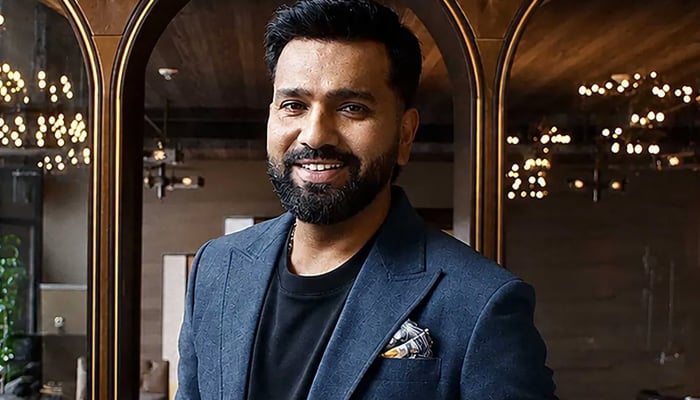
    Former India captain and star batter Rohit Sharma is preparing for a new career chapter after cricket. Rohit is set to enter the entertainment industry with his own television programme. The former India captain has already retired from Test cricket and the T20 format. He is now preparing to appear on television in a completely different role. An Indian television network is developing the programme as part of its Hindi entertainment lineup. The show is expected to present a different side of Rohit’s personality. Most details about the programme have not yet been disclosed. However, a teaser released by Sony Pictures Networks has given fans a glimpse of what to expect. The teaser runs for more than one minute and 40 seconds. It features Rohit among a group of excited fans. The supporters are thrilled to see the former captain. They repeatedly ask him to say one of his most recognisable cricket-related lines, “No one will roam around in the garden.” The repeated requests gradually appear to test Rohit’s patience. In the teaser, fans continue asking him to repeat the line. Rohit eventually appears frustrated by the constant requests. He then walks away from the gathering. The teaser has generated curiosity about Rohit’s new role outside cricket. Throughout his cricket career, Rohit became known not only for his batting but also for his relaxed personality and memorable interactions. His transition to television is therefore being viewed as an opportunity to showcase his personality in a new setting. The programme is expected to move beyond his traditional image as a professional cricketer. However, several important details remain under wraps. The title of the show has not been officially revealed. Its exact format and premiere date are also yet to be announced. It is also unclear whether Rohit will host the programme himself or appear in another major role. The teaser has nevertheless created considerable interest among his fans. Rohit’s move into entertainment comes after an illustrious international career. He served as India’s captain across formats and established himself as one of the country’s most prominent white-ball batters. His decision to explore television marks a fresh phase in his public career. Fans will now be waiting for an official announcement about the show’s title, format and launch date.

Leave a Reply

Your email address will not be published. Required fields are marked *