lubna zaheer meets

Dr. Lubna Zaheer meets Senior Minister Marriyum Aurangzeb

LAHORE: Chairperson, Department of Film & Broadcasting, University of the Punjab, Prof. Dr. Lubna Zaheer, held an exclusive meeting with Senior Minister Punjab Marriyum Aurangzeb.

During the meeting, Dr. Lubna Zaheer briefed the Senior Minister on various academic, creative and development projects initiated by the Department of Film & Broadcasting. She highlighted the department’s initiatives to promote film education, nurture young filmmakers, encourage student-led productions and strengthen linkages between academia and the film and media industry.

Dr. Lubna appreciated the efforts of the Punjab Government, under the leadership of Chief Minister Punjab and Senior Minister Marriyum Aurangzeb, for taking practical steps towards the revival and development of the province’s film and media industry. She particularly acknowledged the government’s focus on creating opportunities for young filmmakers and strengthening the creative sector.

Dr. Lubna also apprised the Senior Minister of the department’s ongoing and proposed projects aimed at providing students with modern production facilities, enhancing their professional skills and creating greater opportunities for emerging filmmakers.

The two sides exchanged views on the development of Pakistan’s film and media sector and the role of academic institutions in promoting a vibrant and responsible creative industry.

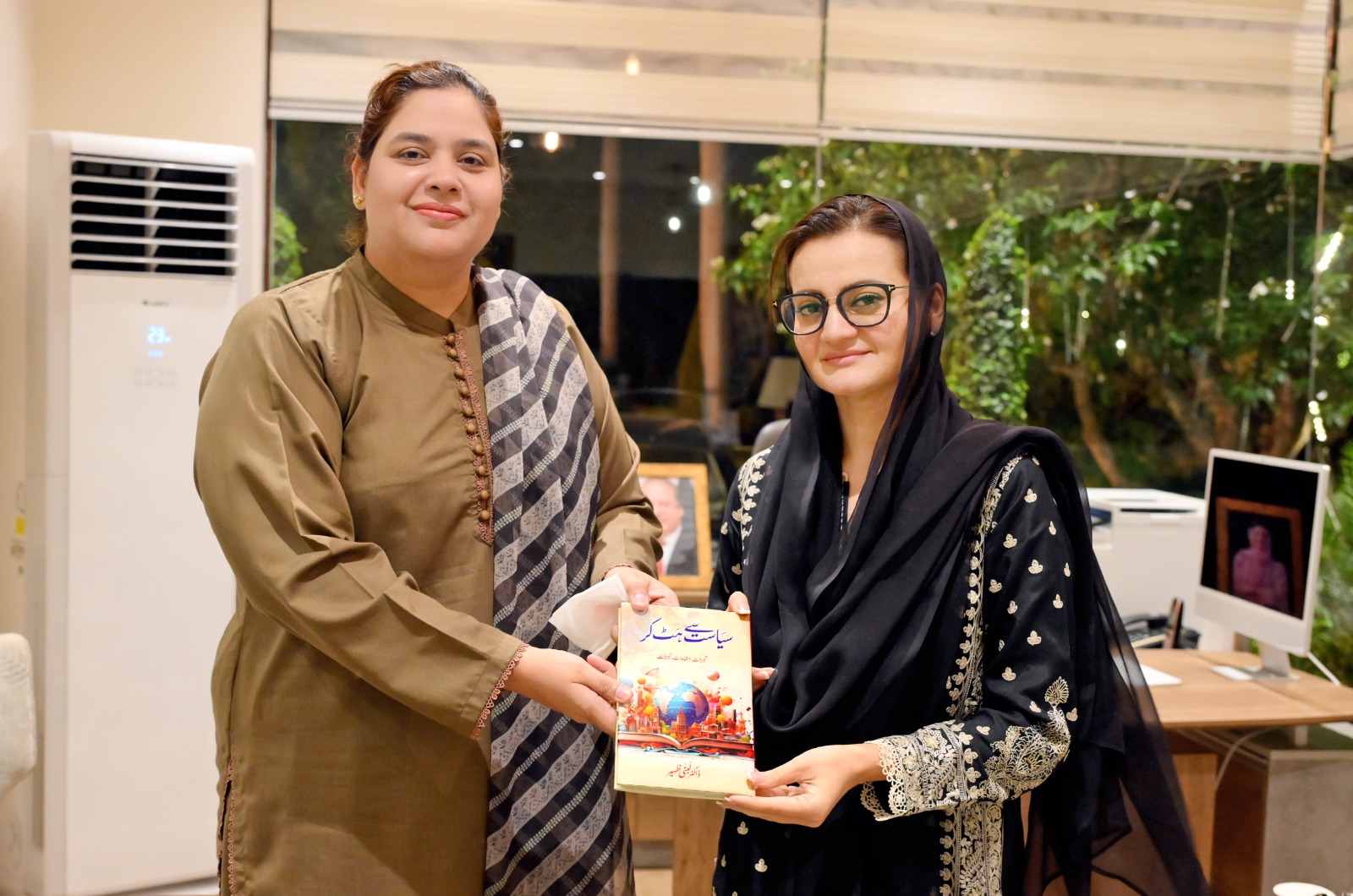
On the occasion, Dr. Lubna Zaheer presented her book سیاست سے ہٹ کر to Senior Minister Marriyum Aurangzeb.

Similar Posts

  • | |

    Gold price in Pakistan hits record high after anot…

    Gold and silver prices continued their upward trend in both international and local markets, with gold reaching another historic level in Pakistan. The latest increase has pushed the price of gold per tola to a new record high, creating fresh concerns for buyers and investors. According to market data, the international bullion market witnessed another major rise on Wednesday, with gold prices increasing by $46 per ounce. Following the surge, the global gold price reached $4,114 per ounce, reflecting continued strength in the precious metals market. The impact of rising international prices was also seen in Pakistan’s local bullion markets. The price of 24-carat gold increased by Rs. 4,600 per tola, bringing the new rate to Rs. 433,836 per tola. This marks another significant jump in gold prices after gains were also recorded in the previous trading session. Similarly, the price of gold per 10 grams increased by Rs. 3,944, reaching Rs. 371,944 in local markets. The continuous rise has made gold increasingly expensive for consumers, particularly those planning weddings, investments, or savings through precious metals. Silver prices also recorded an increase alongside gold. The price of silver per tola rose by Rs. 7, reaching Rs. 6,403, while the price of 10 grams of silver increased by Rs. 6 to Rs. 5,489. Market analysts link the rise in precious metal prices to global economic factors, including investor demand for safe-haven assets, international market trends, and fluctuations affecting commodity prices. Gold is often considered a secure investment during periods of uncertainty, which can increase demand and push prices higher. The latest increase continues a trend of rising gold prices in recent days, with both global and local markets showing strong momentum. Traders and investors are closely monitoring international developments as further changes in global markets could influence gold and silver rates in Pakistan. With gold prices reaching unprecedented levels, consumers are advised to keep track of daily market updates before making major purchases. The bullion market remains sensitive to international price movements, currency changes, and economic conditions that can quickly impact local rates.

  • | |

    Karachi Court acquits Anmol Alias Pinky in three d…

      A Karachi court has acquitted Anmol, alias Pinky, in three drug-related cases after accepting her applications seeking acquittal. The Additional District and Sessions Court South approved Anmol’s acquittal applications in all three cases. The cases against her had been registered at Guzri Police Station in 2020, 2021 and 2022. According to court proceedings, Anmol had remained a fugitive in connection with these cases. During the hearing, Anmol’s defence lawyer argued that two other accused persons nominated in the cases had already been acquitted by the court. The lawyer informed the court that co-accused Ali and Fahmida had been acquitted in 2024. The defence maintained that Anmol had been implicated in the cases primarily on the basis of statements given by her alleged co-accused. According to the lawyer, since the co-accused had already been acquitted, there was no reasonable possibility of securing a conviction against Anmol on the same evidence. The defence further argued that the prosecution’s case against Anmol was dependent on the statements of the co-accused. With those individuals having already been cleared by the court, the defence contended that there was insufficient evidence to establish Anmol’s involvement in the alleged offences. After hearing the arguments, the Additional District and Sessions Court South accepted the acquittal applications and acquitted Anmol alias Pinky in all three cases. The cases were registered at Guzri Police Station over a period of three years. The court’s decision brings an end to the proceedings against Anmol in these particular cases, although the order relates specifically to the three drug cases mentioned during the hearing.   Separately, Anmol alias Pinky had also been arrested by Garden Police in Karachi in May in connection with an alleged drug trafficking case. According to police officials, the woman was arrested during an operation in which law enforcement authorities claimed to have recovered a pistol, cocaine reportedly worth millions of rupees, chemicals and other narcotics from her possession. Following her arrest, Anmol was presented before a court without handcuffs, an aspect that had also drawn attention at the time. The latest court decision concerns the three cases registered against Anmol at Guzri Police Station in 2020, 2021 and 2022. The defence specifically relied on the acquittal of the co-accused in 2024, arguing that the same evidence could not reasonably be used to convict Anmol after those individuals had already been cleared. The court ultimately accepted the defence’s plea and granted Anmol relief in all three cases. The development marks a significant legal outcome for Anmol in the cases pending against her. However, the acquittal applies to the three cases before the Additional District and Sessions Court South and does not automatically determine the outcome of any separate case or investigation in which she may be involved. The ruling also highlights the importance of evidence in criminal proceedings, particularly when a prosecution case relies heavily on statements or allegations made by co-accused persons. In this instance, the defence successfully argued that the acquittal of the co-accused weakened the case against Anmol to the extent that her conviction was no longer considered likely. The court’s order followed arguments from both sides and brought the proceedings in the three specified cases to a close.

  • | | |

    Kuwait welcomes Pakistan-Saudi-Türkiye Makkah def…

    ISLAMABAD: Kuwait has congratulated Pakistan on the signing of the Makkah Joint Defence Agreement with Saudi Arabia and Türkiye, signalling growing regional interest in the new security arrangement. Pakistan’s Deputy Prime Minister and Foreign Minister Ishaq Dar received a telephone call from Kuwaiti Foreign Minister Sheikh Jarrah Jaber Al-Ahmad Al-Sabah late on Sunday, during which the two officials discussed the agreement as well as the wider regional situation. According to Pakistan’s Foreign Office, the Kuwaiti foreign minister felicitated Dar on the agreement signed in Makkah on Friday. The two ministers also exchanged views on developments in the region, including the situation in occupied East Jerusalem. Their conversation also covered bilateral relations and ways to expand cooperation between Pakistan and Kuwait, particularly in investment and other key sectors. The officials also discussed follow-up to Sheikh Jarrah’s recent visit to Pakistan. “The two sides agreed to remain closely engaged,” the Foreign Office said. The development comes as Pakistan continues to explain the objectives and scope of the landmark defence pact, which brings Pakistan, Saudi Arabia and Türkiye closer together on security matters. Dar has stressed that the agreement is defensive in nature and is not directed against any particular country. Under the pact, an armed attack against any one of the three signatories would be treated as an attack against all three. The foreign minister said the arrangement was designed to strengthen collective deterrence while supporting regional peace, stability and security. He also maintained that the agreement was consistent with the right of individual and collective self-defence recognised under Article 51 of the United Nations Charter. Importantly, Dar clarified that the Makkah agreement does not replace or cancel existing bilateral or multilateral defence arrangements involving the three countries. The pact could also have a broader regional dimension. Dar said the agreement remains open to other countries in the region that are willing to respect its principles and resolve differences through dialogue, cooperation and peaceful means. His comments came amid reports that Egypt could potentially join the arrangement. Earlier, Dar also spoke with Canadian Foreign Minister Anita Anand, with the two officials discussing regional developments and the newly signed agreement. Pakistan has presented the Makkah accord as part of its broader foreign-policy objective of promoting regional stability and peaceful conflict resolution. With Kuwait now extending its congratulations, attention is increasingly turning to how the new defence framework could influence cooperation and security across the wider region.

  • | | |

    KP considers law for computerized prescriptions an…

    The Khyber Pakhtunkhwa (KP) government is considering new legislation that would require doctors to prescribe medicines using their generic names instead of brand names and issue computerized prescriptions to patients. The provincial government has announced plans to consult the federal government, as the matter falls under federal jurisdiction. The proposal was discussed in the Khyber Pakhtunkhwa Assembly after Pakistan Peoples Party (PPP) lawmaker Mehr Sultana submitted a calling attention notice highlighting the absence of an effective legal framework requiring doctors to prescribe medicines by their generic names. According to the lawmaker, many physicians continue to prescribe branded medicines, limiting patients’ ability to choose more affordable alternatives. She argued that requiring doctors to write only the generic or formula name of a medicine would improve transparency, increase competition among pharmaceutical companies, and reduce treatment costs for patients. Mehr Sultana also emphasized the need to make computerized prescriptions mandatory, pointing out that handwritten prescriptions are often difficult to read. Illegible prescriptions can result in medication errors, delays in treatment, and confusion for pharmacists and patients. She urged the provincial government to introduce legislation or regulations that would modernize the prescription system and improve patient safety. Responding to the proposal, KP Health Minister Khaliq ur Rahman acknowledged the importance of the issue but explained that the authority to legislate in this area primarily rests with the federal government. He said the provincial government would formally approach the federal authorities to explore the possibility of introducing the necessary legal changes. The discussion also covered healthcare infrastructure in the province. During the assembly session, lawmaker Shahida Waheed raised concerns over non-functional CT scan and MRI machines at Mardan Medical Complex. In response, the health minister informed the assembly that the CT scan machine had already been repaired, while the MRI machine is expected to become operational within a week. If implemented, the proposed reforms could significantly improve prescribing practices across Khyber Pakhtunkhwa by encouraging the use of generic medicines and replacing handwritten prescriptions with digital records. Supporters of the proposal believe these changes would help reduce medication errors, lower healthcare costs, and improve access to affordable medicines, while also promoting greater efficiency in hospitals and clinics. Any legal amendments, however, will require coordination with the federal government before they can be introduced and enforced.

  • | |

    Homenet Pakistan urges protection of democratic ma…

      Lahore, July 2026: HomeNet Pakistan, in partnership with AwazCDS/PDA, organized a high-level policy dialogue with Members of the Provincial Assembly (MPAs), including members of the Standing Committee on Local Government, to discuss legislative reforms aimed at promoting a stronger, more inclusive, and constitutionally compliant local government system in Punjab. The dialogue brought together parliamentarians, civil society representatives, and governance experts to exchange views on the future of local governance and explore ways to strengthen democratic institutions at the grassroots level. The session focused on ensuring political continuity, enhancing public participation, and improving the effectiveness of elected local governments.   Opening the event, Mr. Zia ur Rehman, Chief Executive of AwazCDS-Pakistan, highlighted the constitutional importance of Article 140A, which requires the devolution of political, administrative, and financial authority to elected local governments. He stressed that an effective local government system is essential for democratic governance and improved public service delivery. He urged the Punjab Assembly to introduce legal and institutional reforms that would safeguard democratic continuity, ensure the timely conduct of local government elections, and strengthen the autonomy of elected local bodies.   During the session, Ms. Ume Laila Azhar, Executive Director of HomeNet Pakistan, presented a set of policy recommendations designed to reinforce democratic governance at the local level. She emphasized the need for a stable and party-based electoral framework for local governments, noting that frequent legislative changes have weakened institutional continuity. She referred to the replacement of the Punjab Local Government Act 2022 with the Punjab Local Government Act 2025 as an example of policy shifts that have contributed to delays in restoring elected local governments across the province. She called for legal safeguards to prevent repeated delimitations and unnecessary postponements of local government elections. HomeNet Pakistan also recommended a transparent and representative mechanism for filling reserved seats allocated to women, youth, minorities, workers, persons with disabilities, and other marginalized groups. According to the organization, such measures would promote broader democratic participation and ensure that local governments better reflect the diversity of society.   In addition, the organization emphasized the importance of returning key municipal responsibilities—including water supply, sanitation, solid waste management, and local infrastructure development—to elected local governments. It proposed that provincial and district administrations should primarily provide technical guidance and institutional support rather than directly managing these essential services. The dialogue was attended by Ms. Sumbal Malik Hussain, Ms. Fizzah Maimona Rao, Ms. Somia Atta, Ms. Rukhsana Kausar, Ms. Farzana Abbas, Ms. Nasreen Riaz, and Ms. Attia Hanif, alongside representatives from civil society organizations and governance experts. Responding to the recommendations, the participating MPAs appreciated the constructive engagement and acknowledged the importance of strengthening democratic local governance. They reaffirmed the Punjab Government’s commitment to transparency, institutional reforms, and democratic accountability, expressing confidence that these principles would continue to guide the ongoing local government reform process. The parliamentarians informed participants that the delimitation process had made substantial progress, with geographical boundaries largely finalized. They stated that the remaining objections were expected to be addressed by the end of July 2026. Following the completion of the statutory process, they expressed optimism that the election schedule would be announced, paving the way for timely local government elections. The MPAs also committed to sharing the recommendations emerging from the dialogue with the Honorable Speaker of the Punjab Assembly and pledged to advocate for legislative reforms that promote constitutional compliance, political continuity, and an empowered local government system capable of responding effectively to citizens’ needs. Concluding the event, HomeNet Pakistan reaffirmed its commitment to working closely with parliamentarians, government institutions, and civil society partners to advance democratic governance, strengthen inclusive representation, and support the timely restoration of empowered elected local governments across Punjab.

  • | |

    LHC says illness, physical weakness can justify ba…

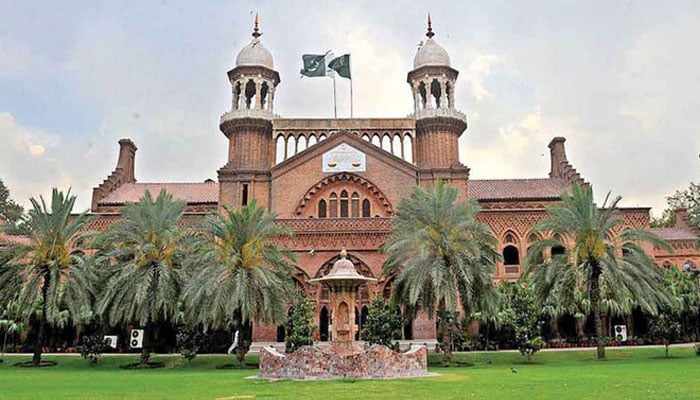
    The Lahore High Court (LHC) has ruled that illness, physical weakness, old age or disability can serve as valid legal grounds for granting post-arrest bail, issuing an important judgment on bail applications filed on medical grounds. Justice Amjad Rafiq issued a detailed written verdict while deciding the post-arrest bail petition of Dr Iftikhar Ahmed, who is suffering from Parkinsonism, a progressive neurological disorder that affects movement and physical independence. The court observed that if a prison medical report confirms that an accused is physically weak, there is no need to separately assess the severity of the illness. It held that physical weakness itself may be sufficient to justify consideration for bail. According to the judgment, illness and physical weakness are separate legal grounds for granting bail. The court noted that imprisonment can cause greater hardship for elderly, physically weak and disabled individuals, and the justice system should protect them from unnecessary physical suffering. The LHC further stated that the bail application had not been filed on the merits of the criminal case but solely because of the accused’s deteriorating physical condition. The prison medical report confirmed that Dr Iftikhar Ahmed was suffering from Parkinsonism, a disease that gradually limits a person’s physical abilities and independence. Rejecting the prosecution’s argument, the court ruled that the mere fact an accused is receiving medical treatment in prison cannot, by itself, be used as a reason to deny bail. The judgment also referred to principles of Islamic law and international judicial precedents, stating that sick, elderly and vulnerable individuals are entitled to special legal protection and humane treatment. The Lahore High Court granted post-arrest bail to Dr Iftikhar Ahmed against surety bonds of Rs1 million. The court directed the accused not to influence prosecution witnesses, to surrender his passport and not to leave the court’s jurisdiction without prior permission. Dr Iftikhar Ahmed has been in jail since March 2025 in a case registered at Sabzazar Police Station, where he is accused of administering an incorrect injection to a citizen’s son. The criminal proceedings will continue in accordance with the law.

Leave a Reply

Your email address will not be published. Required fields are marked *