August 2026: Pattaya Real Estate Condominium Market Overview by AMS
August 2026: Pattaya Real Estate of Condominium Market Overview
Seasonal Monthly Rental Surges Amidst Long-Term Infrastructure Headwinds
Executive Summary
As we enter August 2026, the Pattaya condominium market is experiencing a distinct seasonal pivot. The onset of the global and domestic summer school holidays has injected robust demand into the monthly rental sector. However, the sales market faces intensifying headwinds due to critical delays in regional mass-transit infrastructure projects. This report outlines the current dichotomy of the market and provides strategic guidance for navigating these conditions.
1. The Rental Market: The Summer Holiday Catalyst
August marks the beginning of prolonged school holidays across Thailand and internationally, triggering a significant demographic shift in the rental sector.
Surge in Family-Oriented Monthly Leases:
We are observing a marked increase in inquiries and bookings for “monthly rentals” (leases ranging from one to several months). This demand is primarily driven by Western expatriates and tourists seeking summer retreats, as well as domestic Thai families traveling from Bangkok to Pattaya for the holidays.
The Premium on Lifestyle Infrastructure:
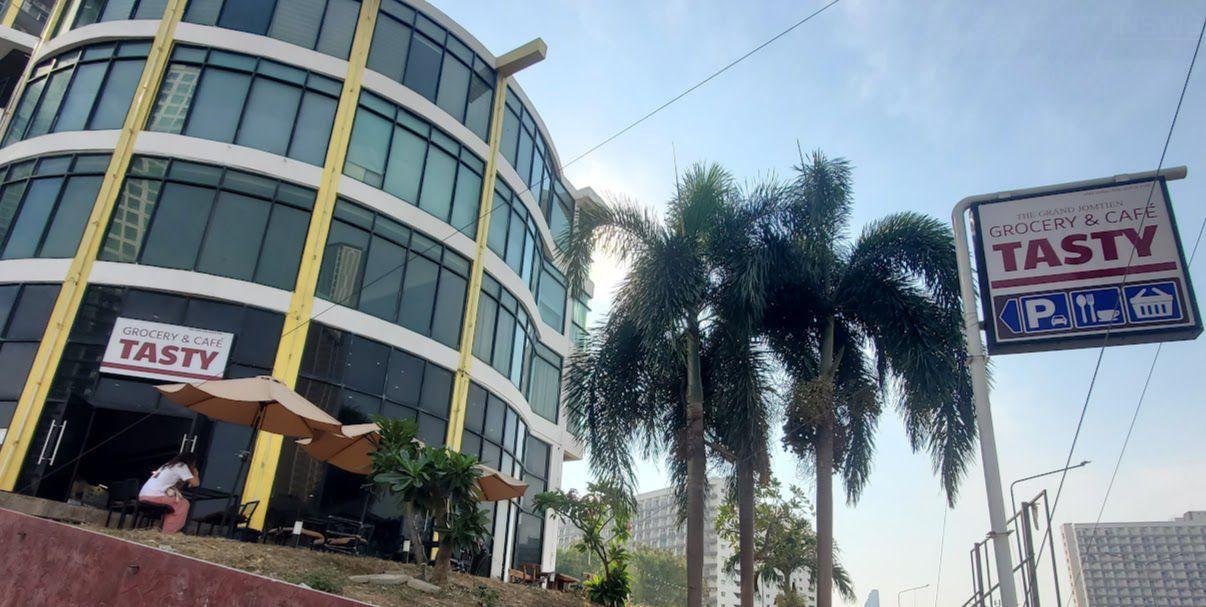
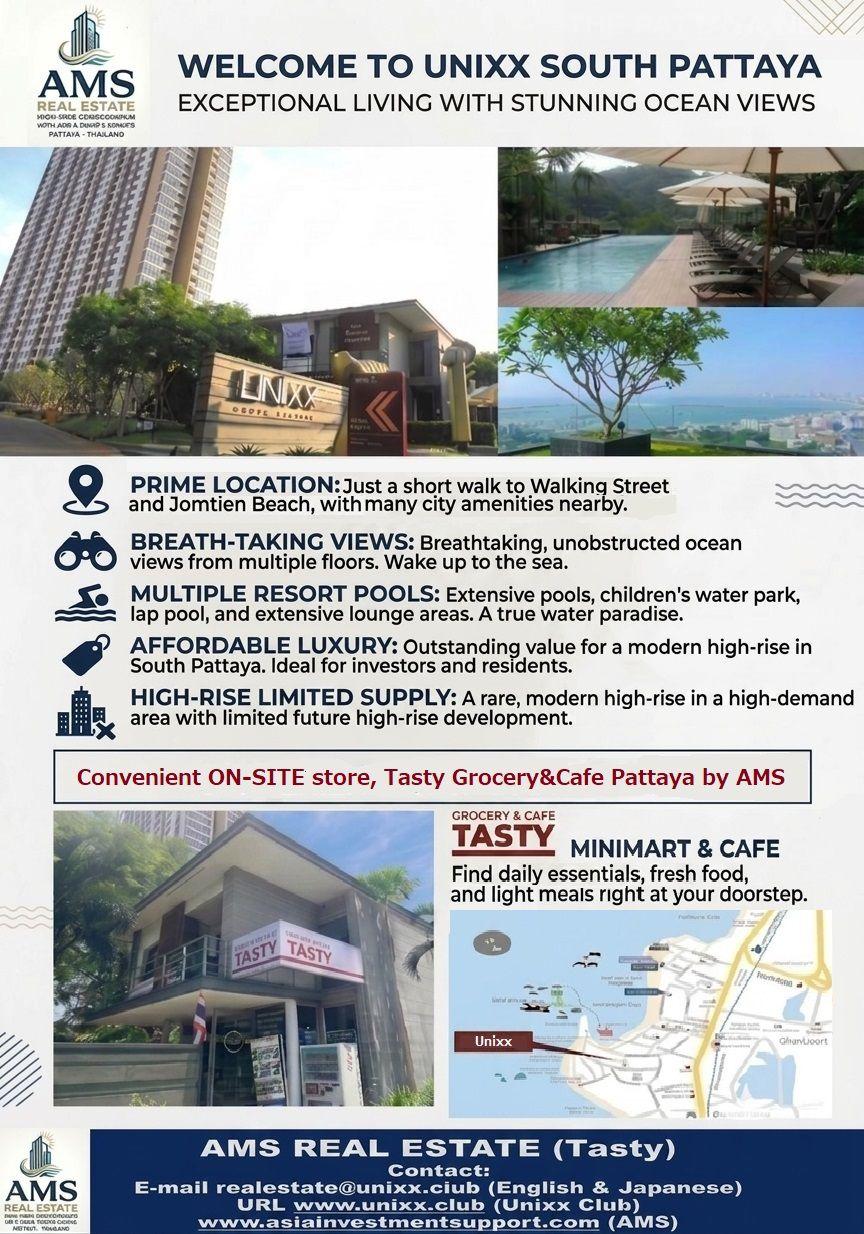
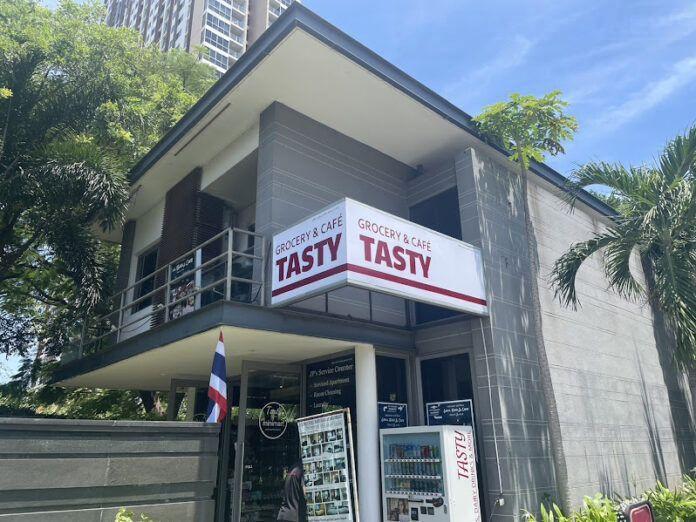
For family demographics staying on a monthly basis, standard resort amenities are no longer sufficient. Tenants are critically evaluating properties based on immediate, family-friendly conveniences. Condominiums that feature integrated, highly hygienic commercial infrastructure, such as on-site “Tasty” minimarts by AMS, grocery stores and cafes, hold a definitive competitive edge. Properties offering this level of seamless daily convenience are experiencing significantly higher leasing velocity and tenant retention compared to standalone residential buildings.
2. The Sales Market: Infrastructure Gridlock and Valuation Shifts
While the rental market enjoys a seasonal boost, the sales market is grappling with the harsh realities of delayed macro-infrastructure projects, which have historically been major selling points for capital appreciation in Pattaya.
The 3-Airport High-Speed Rail Stagnation:
The ambitious high-speed rail project designed to connect Don Mueang, Suvarnabhumi, and U-Tapao airports is facing severe complications. Eight years post-bidding, with over 21.8 billion THB in public-private investments, full-scale construction remains stalled. Notably, on July, 2026, the private consortium invoked contract termination clauses regarding land handover disputes. The continuation of this flagship project is currently uncertain.
Domino Effect Possibility on the Pattaya Monorail:
The gridlock of the high-speed rail directly jeopardizes the planned “Pattaya Monorail.” Specifically, the proposed Green Line, intended to alleviate local traffic by connecting the new high-speed rail station to the Bali Hai Pier, is dependent on the completion of the railway.
3. Regulatory Environment: Market Stimulus and Compliance
Recent governmental actions continue to actively shape both the sales and rental landscapes, enforcing compliance while offering targeted relief.
Extension of Property Transfer Fee Reductions (Sales Tailwind):
As a crucial stimulus for the domestic market, the Thai government has officially extended the fee reduction scheme for Thai individuals. Transfer and mortgage registration fees at the Land Office remain slashed to 0.01% for residential properties and condominiums appraised at 7 million THB or less. Valid until the end of June 2027, this measure provides vital support to the Thai Quota (TQ) market, helping real demand buyers overcome the hurdle of strict bank lending criteria.
Tightening Grip on Short-Term Rentals (Rental Shift):
Enforcement against illegal short-term rentals (under 30 days) lacking a hotel license is intensifying. The government is actively advancing the proposed “Accommodation Act,”* which seeks to directly regulate online booking platforms like Airbnb, rather than just individual owners. As the crackdown accelerates, compliance-conscious foreign tourists and digital nomads are shifting heavily toward legal, 30+ day monthly contracts. This regulatory environment perfectly complements the current summer surge in monthly family rentals.
Conclusion
The Pattaya market in August 2026 rewards pragmatism. The delays in regional infrastructure highlight the risks of speculative investment, reinforcing the necessity of tangible, immediate asset value.