amitabh bachchan playfully
|

Amitabh Bachchan playfully calls out Preity Zinta over wishes

Preity Zinta found herself caught off guard when Amitabh Bachchan brought up a playful complaint during their much-awaited reunion on Kaun Banega Crorepati.

The Kal Ho Naa Ho actress is set to appear on the popular quiz-based reality show after several years, joining veteran actor Amitabh Bachchan for a special episode. The upcoming episode has already generated excitement among fans, particularly because it brings together some of Bollywood’s biggest stars.

In a newly released promo, Bachchan can be seen telling Preity that he has a major complaint against her. The legendary actor reminded the actress that he wishes her every year on her birthday, January 31, but claimed that she has never responded to his wishes.

“I have a huge complaint with you. I wish you on your birthday on January 31 every year, and you didn’t even respond to me once,” Amitabh tells Preity in the promo.

The unexpected remark left the actress seemingly surprised, creating a lighthearted moment between the two stars. While Bachchan’s complaint appeared to be playful, it also brought back memories of a similar interaction involving the actors.

Amitabh had previously raised the same amusing grievance when Preity Zinta appeared on Kaun Banega Crorepati alongside Sunny Deol. At the time, the actors were on the show to promote their historical drama Batwara 1947. During their appearance, Bachchan once again brought up his birthday wishes to Preity, turning the conversation into a humorous exchange.

The latest promo has sparked curiosity among viewers about how Preity will respond to the veteran actor’s latest complaint. While some fans have jokingly speculated about a possible issue between the two stars, the interaction appears to be more of a friendly and playful exchange between longtime industry colleagues.

The upcoming episode will also feature Sunny Deol making his debut on the Kaun Banega Crorepati hot seat. Preity and Aamir Khan will join him as special guests for the grand premiere of the new season.

Aamir also adds to the fun during the episode when he questions Amitabh about a line from the show’s promotional campaign. Referring to Bachchan’s use of the phrase “Sochna Padega,” Aamir asks what exactly contestants need to think about.

Amitabh responds with a trademark smirk, telling Aamir that the game will not be easy because contestants genuinely have to think before answering.

The new season marks the 18th instalment of Kaun Banega Crorepati. The much-awaited season is scheduled to premiere on Monday, August 10, at 9 PM on Sony Entertainment Television and SonyLIV.

With Amitabh’s witty exchanges, Preity’s return to the show and appearances by Sunny Deol and Aamir Khan, the premiere episode is expected to offer plenty of entertaining moments for viewers.

Similar Posts

  • | |

    Pakistan’s HIV crisis deepens as child infection…

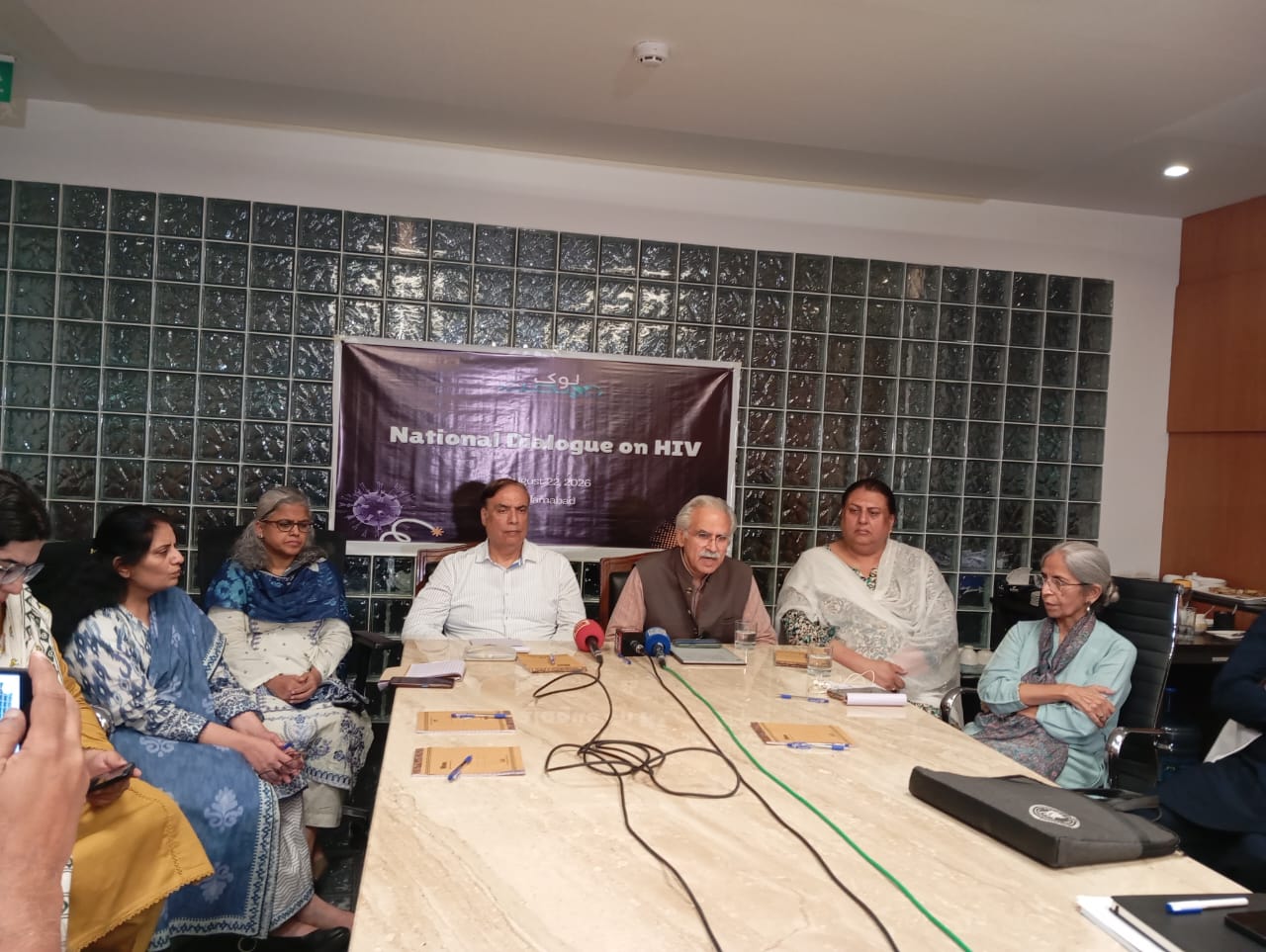
      Islamabad: Pakistan is facing a growing HIV crisis, with an estimated 369,000 people living with the virus while only about 84,400 cases are formally registered, according to a government Task Force report. Health experts and concerned citizens have warned that the real situation may be much worse because the country still lacks reliable and complete disease data. The warning came during a National Dialogue on HIV and AIDS organised by Lok Sehat, where doctors, public health experts, medical organisations, civil society groups and representatives of communities affected by HIV discussed the growing problem. Lok Sehat Convener Dr Zafar Mirza said the government must stop trying to control the disease by controlling or hiding data. He demanded that reliable information about HIV and other blood-borne diseases should be made available and that the government should take greater financial responsibility for HIV, tuberculosis, and malaria instead of depending heavily on international donors. The issue has become more serious because HIV infections are increasingly being reported among children and people outside the groups traditionally considered at higher risk. The Task Force report estimates that 369,000 people are living with HIV in Pakistan, but only around 84,400 cases are formally registered and about 60,789 people are receiving antiretroviral treatment. The report says the recent appearance of HIV among children in low-risk rural communities points to serious weaknesses in infection control, blood safety, healthcare regulation, and medical management. The situation in Taunsa Tehsil of Dera Ghazi Khan has raised particular concern. The Task Force report says 127 children were confirmed to have HIV during a five-month period between December 2024 and April 2025. Around 79 percent of those children were below five years of age, with the median age only three years. Investigations largely ruled out transmission from mothers because nearly all mothers of the infected children tested negative for HIV. The report identified unsafe blood transfusions and contaminated injection practices as major drivers of the Taunsa outbreak. It also found problems involving blood donor screening, unregulated healthcare providers, reuse of disposable syringes, excessive use of injections, poor sterilisation and weak infection prevention systems. Dr Zafar Mirza said repeated use of syringes and needles was a major suspected route of HIV transmission among people receiving healthcare. He called for proper training of healthcare workers and public awareness so patients and families understand the importance of using new syringes and needles. He also urged doctors to avoid unnecessary injections when oral medicines are medically suitable. The problem is not limited to one area. Former National AIDS Control Programme and IHRA chief Dr Quaid Saeed said 13 HIV outbreaks had been reported in Pakistan during the last 18 years, but only two, including the outbreaks in Jalalpur Jattan and Ratodero, had been extensively investigated. He called for proper investigations into every outbreak. The Task Force report also says the Ratodero outbreak in Sindh in 2019 affected more than 1,000 people, most of them children under 12. Investigations linked the outbreak to contaminated syringes, unsafe injections, unregulated blood transfusions, quackery and serious weaknesses in infection prevention and control. Experts also raised concerns about the treatment of people living with HIV. Dr Zafar Mirza said stigma remains a serious problem, including within parts of the medical profession. He said there had been cases where doctors refused to treat patients after learning that they had HIV. He stressed that HIV does not spread through ordinary contact such as shaking hands or being near an infected person. He called for stronger public awareness through television, newspapers and social media to correct false beliefs and reduce discrimination against patients. In Islamabad, infectious diseases expert Dr. Naseem Akhtar said many of the HIV cases seen at her centre involved people who inject drugs, deportees, transgender persons, men who have sex with men, and female sex workers. She said some cases had also been found among children. Dr Asma Naseem said the situation in Karachi was also worrying, particularly because of a rise in HIV cases among children. She said children with HIV were being brought to the Sindh Institute of Urology and Transplantation with kidney failure, describing the trend as highly concerning. The experts said weak regulation of healthcare facilities was another major part of the problem. Dr. Zafar Mirza called for stronger healthcare commissions, blood transfusion authorities, and other regulators, along with better funding, trained staff, and modern technology. The government Task Force has recommended nationwide surveillance of syringes, stronger regulation of medical devices, and a phased move towards auto-disable syringes. It has also proposed tougher action against unsafe medical practices. Another major recommendation is the creation of a national real-time HIV surveillance dashboard. The system would collect information from treatment centres, blood transfusion centres, provincial disease surveillance units and other health facilities so that new cases could be reported quickly at the national level. The Task Force has also proposed stronger testing and care for children, including early infant diagnosis, trained counsellors and paediatric HIV specialists in areas facing outbreaks. It has recommended social protection for children living with HIV, including support for medicines, nutrition, education, transport and psychological care. The proposed reforms also include stronger laws, mandatory reporting of HIV cases and outbreaks, better sharing of health data between provinces and agencies, and accountability for public and private healthcare providers where negligence contributes to disease transmission. The government report says a high-level National HIV Technical Working Group is also proposed, with experts including Maj. Gen. (R) Dr. Azhar Mehmood Kayani, Dr. Zafar Mirza, Dr. Abdul Wali Khan, Dr. Amjad Mahmood, Dr. Adnan Khan, Dr. Huma Qureshi, Dr. Hasan Abbas Zaheer, Brig. Dr. Nuzhat Mushahid, Dr. Saira Afzal, Dr. Fatima Mir, Dr. Saba Jamal, Dr. Rana Jawad Asghar and Dr. Khalid Rehman. Dr Zafar Mirza also raised concern over Pakistan’s dependence on international funding. During the briefing, he said that around 90 percent of spending on HIV, tuberculosis and malaria over the previous five years had come through the Global Fund. He argued that Pakistan should gradually take full


  • |

    Pakistan explores digital assets, tokenisation to expand access to finance

    ISLAMABAD: Pakistan is examining the potential use of digital assets and tokenisation in areas including real estate and other investment instruments as part of broader efforts to accelerate digital transformation and expand access to financial services. The matter came under discussion during a meeting between Federal Minister for Finance and Revenue Senator Muhammad Aurangzeb and Pakistan Digital Authority (PDA) Chairperson Dr Sohail Munir on Thursday. The meeting focused on digital finance, technology-driven economic activity and measures aimed at making financial services more accessible and efficient. According to the Finance Division, the participants reviewed the emerging role of digital assets and tokenisation, particularly their possible application in real estate and other investment-related assets. The discussion also stressed the need for an appropriate regulatory and institutional framework to ensure that such technologies are adopted in a responsible and sustainable manner. Tokenisation generally involves representing ownership or economic rights in an asset through digital tokens. The approach has attracted growing international attention because it can potentially make certain investment opportunities easier to access, improve transaction efficiency and broaden participation in financial markets. The finance minister stressed that Pakistan’s regulatory and institutional arrangements must keep pace with rapid developments in digital technology and new business models. He emphasised that emerging technologies should be supported by clear rules and mechanisms that provide certainty to businesses, investors and financial institutions. The meeting also examined the need to create an enabling environment for electronic transactions and encourage the wider adoption of digital processes across trade and financial activities. Aurangzeb highlighted the importance of using technology to reduce procedural barriers and improve access to finance. In this regard, the participants discussed simplifying customer onboarding procedures, strengthening mechanisms for sharing financial data and improving interoperability among different financial systems. Greater connectivity between banks and capital markets was also identified as an important area for development. The participants considered how digital platforms and simplified account-opening procedures could encourage more people to participate in the capital market and gain access to a broader range of investment opportunities.   The finance minister also called for stronger integration of banking and capital-market systems, noting that better-connected digital infrastructure could help improve financial inclusion while making investment processes more convenient and efficient. Another key area discussed during the meeting was the use and interoperability of data across government institutions. Aurangzeb noted that better integration of government data could improve the quality and speed of policymaking, planning and decision-making. The meeting also considered the growing role of Artificial Intelligence (AI) and other digital technologies in strengthening government systems and improving the delivery of public and financial services. The participants reviewed opportunities to enhance Pakistan’s digital infrastructure so that government departments, financial institutions and businesses can operate through more efficient and interconnected systems. Aurangzeb appreciated the initiatives being undertaken by the Pakistan Digital Authority and stressed the need to prioritise practical projects capable of delivering measurable improvements in efficiency, financial access and digital capacity. He further emphasised continued coordination among government institutions, regulators, financial-sector stakeholders and technology organisations to ensure that digital initiatives translate into tangible economic benefits. The discussions form part of wider efforts to strengthen Pakistan’s digital economy by modernising financial processes, expanding technology-based services and creating an environment in which emerging financial technologies can develop within an appropriate regulatory framework. With digital assets, tokenisation, artificial intelligence and data-driven financial services developing rapidly worldwide, Pakistan’s efforts to establish suitable frameworks could play an important role in determining how effectively the country participates in the next phase of digital financial development.

  • | | |

    Pakistan faces critical shortage of warehouse faci…

    Pakistan’s healthcare system is facing a significant logistical challenge, as the country lacks a dedicated warehouse to store emergency medicines and medical kits supplied for disease outbreaks and public health emergencies, according to sources within the Ministry of National Health Services. The revelation has raised concerns about the country’s preparedness to manage essential medical supplies, particularly those intended for large-scale disease prevention and treatment programs. Health Ministry sources disclosed that Pakistan does not even have a designated warehouse for storing medicines purchased under the country’s Hepatitis C elimination initiative. The absence of proper storage facilities has forced health authorities to rely on temporary arrangements that fall short of standard warehousing requirements. According to officials, the District Health Office (DHO) in Islamabad has converted parking areas into makeshift storage rooms to accommodate the growing stockpile of medicines and medical supplies. Temporary structures and storage racks have been installed to protect the supplies until a permanent solution becomes available. While the emergency arrangement has helped address immediate storage needs, officials acknowledge that it is not a long-term replacement for a purpose-built medical warehouse designed to safely store pharmaceutical products and emergency health equipment. The shortage of storage space has become even more pressing following the arrival of hundreds of medical kits donated by the United Nations Population Fund (UNFPA). Ministry sources said the UN agency recently supplied 742 Emergency Obstetric and Newborn Care (EmONC) and Family Planning kits to support Pakistan’s maternal and reproductive healthcare services. However, authorities are struggling to find adequate space to safely store the newly received supplies, creating additional logistical challenges for the health sector. Officials also revealed that medicines for approximately 1.6 million patients have already been procured under the Prime Minister’s Hepatitis C Elimination Programme. The large-scale procurement is intended to strengthen Pakistan’s campaign against one of the country’s most widespread infectious diseases, but the lack of dedicated storage infrastructure threatens to complicate distribution and inventory management. Health Ministry sources explained that temporary storage rooms were established in 2023, when additional racks and shelving units were installed to accommodate the increasing volume of medicines. These facilities were developed as an interim solution until permanent warehouse infrastructure could be built. Despite these efforts, experts believe that the growing number of medical supplies and emergency response materials requires modern storage facilities equipped with appropriate environmental controls, inventory management systems, and security measures to ensure the quality and effectiveness of medicines. Responding to concerns, Islamabad District Health Officer Dr. Rashida said that the medicines currently being stored in the temporary facilities are not deteriorating or losing their effectiveness. She maintained that health officials are taking the necessary precautions to preserve the supplies under existing conditions. At the same time, Dr. Rashida acknowledged the urgent need for a dedicated warehouse and confirmed that letters have been sent to development partners requesting support for the establishment of proper storage infrastructure. The shortage highlights broader challenges within Pakistan’s public healthcare system, where expanding disease-control programmes and increasing international assistance have outpaced the development of essential logistics and storage capacity. Health officials hope that with support from development partners and international organizations, permanent warehouse facilities can be established to strengthen the country’s ability to respond to public health emergencies and ensure the safe storage and timely distribution of life-saving medicines and medical supplies.

  • |

    Rahat Fateh Ali Khan pays tribute to Nusrat Fateh Ali Khan

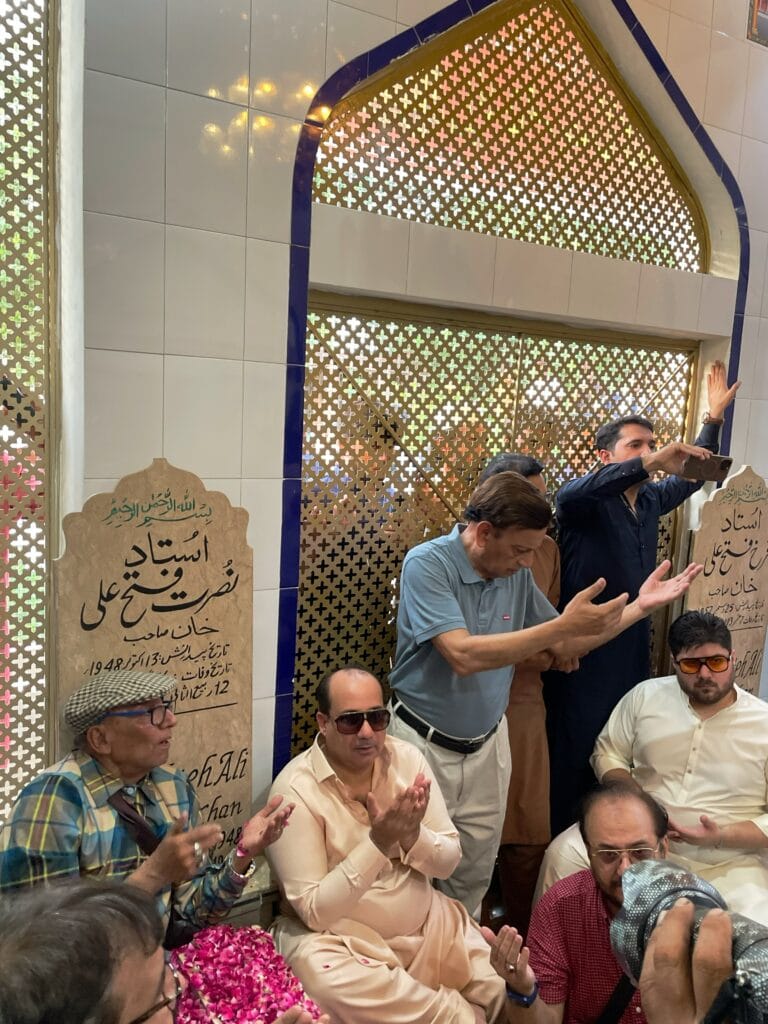
    Rahat Fateh Ali Khan has paid tribute to his legendary uncle and mentor, Nusrat Fateh Ali Khan, on his death anniversary, remembering one of the most influential voices in the history of Qawwali. Although Nusrat passed away nearly three decades ago, his music continues to live on and remains deeply cherished by fans around the world. To mark the occasion, Rahat Fateh Ali Khan visited the mazar of Nusrat Fateh Ali Khan along with his son, Shahzaman Ali Khan. The father-and-son duo performed a Qawwali kalam at the legendary singer’s grave in the presence of a large crowd. Videos from the gathering quickly circulated on social media, showing Rahat performing at the grave site while spectators surrounded the area. During the performance, currency notes were also seen being thrown into the air, a traditional gesture sometimes associated with musical performances and expressions of appreciation. However, the scenes sparked a strong reaction online. Several fans and social media users questioned whether such a performance was appropriate at the grave of a legendary artist. While some viewed the gathering as an emotional tribute to Nusrat Fateh Ali Khan, others felt that the atmosphere and manner of celebration lacked the respect they believed should be shown at a grave. As the videos spread across social media platforms, users expressed their disappointment in the comments. One person criticized the scene, writing, “There is no respect for grave.” Another user questioned Rahat’s condition and commented, “Looks like he is drunk again.” A third reaction was more emotional, saying, “Astaghfirullah what the hell.” The controversy has once again highlighted the intense public interest surrounding Nusrat Fateh Ali Khan and his musical legacy. Known internationally for taking Qawwali to audiences far beyond South Asia, Nusrat remains an iconic figure whose songs and spiritual performances continue to influence generations of musicians. Rahat Fateh Ali Khan, who learned the art of Qawwali within the same musical tradition, has frequently spoken through his work about the influence Nusrat had on his career. His tribute on the death anniversary was intended to honour that enduring legacy, although the viral videos have prompted debate over how the occasion was marked. Despite the criticism, Nusrat Fateh Ali Khan’s influence remains firmly established, with fans continuing to remember his extraordinary contribution to Qawwali decades after his passing.

  • | |

    J-10C jets downed six Indian aircraft: report

    Pakistan Air Force’s J-10C fighter jets reportedly engaged Indian aircraft during the May 2025 aerial confrontation without direct support from airborne early warning and control (AEW&C) aircraft. The claim was made in a report by Ukrainian defence publication Defense Express. The report cited Chinese state television and comments from Chinese radar specialist Ben De. According to the report, Pakistani J-10C jets used their onboard KLJ-7A radars to detect and engage Indian aircraft. The jets were reportedly able to track targets from a distance of around 200 kilometres. The report claimed that six Indian aircraft were shot down during the confrontation. It included three Rafale fighter jets among the aircraft allegedly destroyed. The report said the Pakistani fighters did not require direct targeting assistance from AEW&C aircraft during the reported engagements. Instead, the J-10Cs reportedly used their own radar systems to identify and track targets. The KLJ-7A is an active electronically scanned array (AESA) radar designed for modern air combat. It can detect and track multiple targets and provide information needed for air-to-air engagements. The report’s claims have drawn attention because AEW&C aircraft are normally used to provide wider-area surveillance and help fighter jets detect threats at longer ranges. The reported use of the J-10C’s onboard radar suggests that the aircraft could conduct long-range engagements with greater independence from airborne surveillance platforms. The May 2025 confrontation involved intense aerial activity between Pakistan and India. Both sides made competing claims about losses and the effectiveness of their military operations. The claim that six Indian aircraft were destroyed, including three Rafales, has not been independently verified. India has also disputed Pakistan’s claims about aircraft losses. The reported account therefore remains a claim attributed to Chinese sources and the Ukrainian defence publication.

  • |

    Messi-less Inter Miami stunned by Monterrey in Leagues Cup

    MIAMI: Inter Miami suffered a dramatic 2-1 defeat to Monterrey in the Leagues Cup on Saturday, with Lionel Messi absent as he travelled to Argentina following the death of his father, Jorge Messi. The match began with an emotional tribute to Messi’s father, who died at the age of 68. Both teams observed a minute of silence before kick-off, while Inter Miami expressed its support for their captain and his family. Despite missing their star player, Miami looked set for another positive result after Rodrigo De Paul opened the scoring in the 32nd minute. The Argentine midfielder celebrated in a particularly touching manner, removing his No. 7 shirt to reveal a No. 10 underneath as a tribute to Messi. The hosts carried their 1-0 advantage into half-time, but Monterrey quickly changed the momentum after the break. Belgian striker Hugo Cuypers equalised just two minutes into the second half, putting Miami under increasing pressure. The match appeared destined for a draw until Monterrey delivered a late blow. Uruguayan forward Diego Rossi struck in the 90th minute to complete Monterrey’s comeback and leave Inter Miami empty-handed. The defeat comes after Miami opened their Leagues Cup campaign with a convincing 4-2 victory over Atletico San Luis. The MLS champions will now look to respond when they face Leon on Wednesday. For Messi, however, football understandably took a back seat as he returned to Argentina to be with his family following his father’s death. The emotional night in Miami showed just how much the Argentine captain means to the club, both on and off the pitch.

Leave a Reply

Your email address will not be published. Required fields are marked *