verity trailer unveils
| |

Verity’ trailer unveils a dark new thriller starring Dakota Johnson, Anne Hathaway

The first trailer for Verity has arrived, offering audiences an unsettling glimpse at the upcoming psychological thriller starring Dakota Johnson, Anne Hathaway and Josh Hartnett.

Based on Colleen Hoover’s bestselling novel of the same name, the Amazon MGM Studios adaptation follows Lowen Ashleigh, played by Johnson, a struggling writer who receives an unexpected opportunity when she is hired to complete a successful author’s unfinished book series.

Hathaway portrays Verity Crawford, the celebrated writer whose life changes dramatically after a serious accident leaves her unable to continue working. Lowen travels to the Crawford family’s secluded home to examine Verity’s notes and research for the books, but what initially appears to be a straightforward writing assignment quickly takes a disturbing turn.

As Lowen begins sorting through Verity’s personal papers, she discovers a shocking manuscript containing revelations about the Crawford family. The material forces her to question how much she truly knows about Verity, her marriage and the events surrounding the family’s darkest moments.

Hartnett stars as Jeremy Crawford, Verity’s husband and a grieving father whose relationship with Lowen becomes increasingly complicated as she spends more time inside the family home.

Directed by Michael Showalter, the film leans heavily into the novel’s atmosphere of suspense, secrecy and psychological uncertainty. The trailer teases a tense dynamic between Johnson, Hathaway and Hartnett, while the isolated Crawford residence becomes an ominous backdrop for Lowen’s investigation.

The film’s promotional artwork mirrors that unsettling tone. Its striking poster is divided by a bold letter “V,” accompanied by the ominous tagline, “There is no light where we’re going.”

The adaptation is scheduled to arrive in theaters on October 2, bringing Hoover’s controversial and twist-filled story to the big screen. The trailer has already generated anticipation among readers familiar with the novel, particularly over how its major revelations will translate to film.

With a high-profile cast, a dark premise and a story built around uncertainty, Verity is positioning itself as one of the season’s most closely watched psychological thrillers.

https://www.instagram.com/reel/Db6Akt2K-6c/?igsh=MXNodHQ2bTRoNGVlbg==
Similar Posts

  • | |

    Fourth International Punjabi Conference to be held…

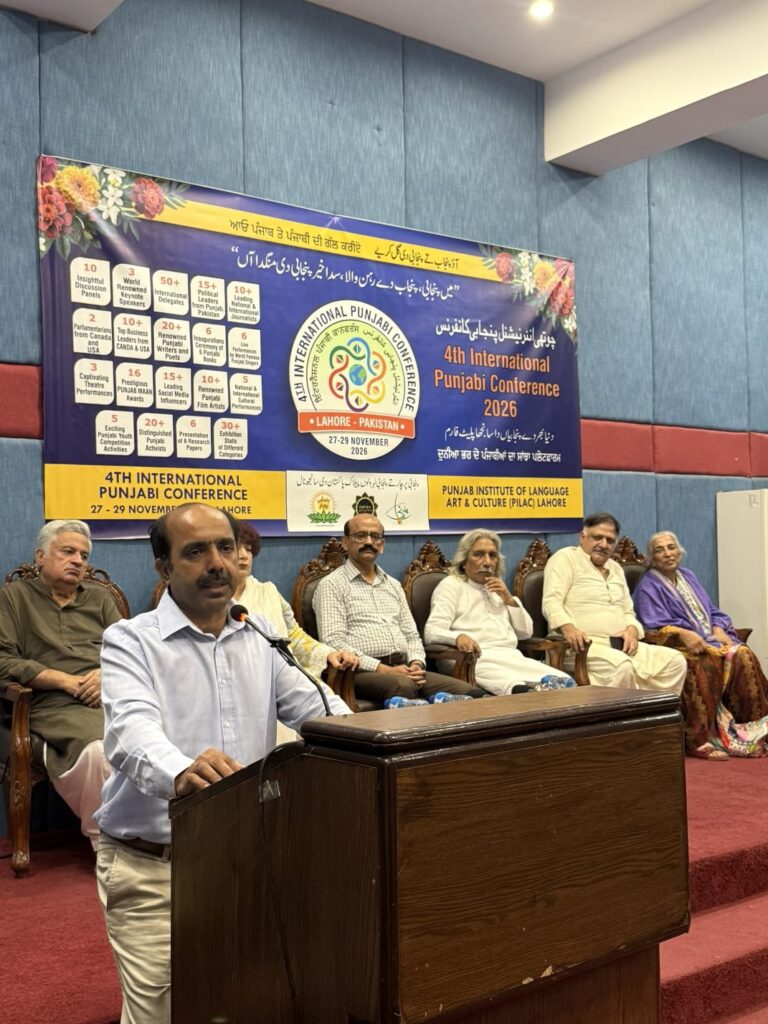
    LAHORE: The fourth International Punjabi Conference will be held in Lahore from Nov 27 to 29, bringing together writers, academics, artists and other professionals from Pakistan and abroad, organisers announced at a press conference. The event is being organised by the Punjabi Parchar Organisation in collaboration with Punjabi Lehar and the Punjab Institute of Language, Art and Culture (PILAC), where the three-day conference will take place. Chief organiser Ahmed Raza Punjabi said the event would be held on a large scale, following the three previous editions of the conference. According to the organisers, thousands of participants from Pakistani Punjab and more than 50 foreign delegates from nine countries are expected to attend. The international participants will include writers, intellectuals, politicians, scientists, journalists, film artists, businesspeople and farmers. Mr Ahmed said the conference aimed to promote Punjabi language and literature while providing a platform to discuss issues facing Punjab and Punjabi communities around the world. He said prominent figures from Pakistani Punjab and successful members of the Punjabi diaspora would be invited to discuss those challenges and propose possible solutions. Conference focal person Dr Zaheer Wattoo said 10 panel discussions would be organised on Punjabi language and literature, the environment, agriculture, politics, sports, film and Punjabi nationalism. Academics from leading universities around the world would also present research papers during the three-day event, he added. Dr Wattoo said separate committees had been formed for different fields. These committees would select speakers from Pakistan and abroad for the panel discussions. The programme will also feature Punjabi cultural performances, live music and theatre. According to the organisers, nine Punjabi singers from different countries will perform during the conference. Several competitions aimed at connecting Punjabi with younger generations will also be held. These will cover public speaking, modern technology, short films, social media reels, singing, poetry and scientific innovation. Two Punjabi books will be launched on each day of the conference, including works by authors from Pakistan, the United States and Canada. On the final day, 16 awards across eight categories will be presented to individuals for their contributions to Punjab and Punjabi culture. Eight recipients will be from Pakistani Punjab, while the remaining awards will go to Punjabi personalities from the United States, Canada, Australia, the United Kingdom and New Zealand. A number of Punjabi literary and cultural figures from Lahore attended the announcement and presented suggestions regarding the conference programme.

  • | |

    Salman Raja demands Imran’s medical access

    ISLAMABAD: Pakistan Tehreek-e-Insaf leader Salman Akram Raja has called for meetings between the party’s founder, Imran Khan, and his sisters and medical team. Speaking to the media in Islamabad, Raja said PTI representatives had met the Registrar of the Supreme Court. During the meeting, they requested that the cases involving the party founder be taken up for hearing without further delay. The PTI leader also demanded that Imran Khan be allowed to meet his sisters. He said access to his doctors should also be restored so that his health can be properly monitored. Raja said the party had been assured that the pending cases would be scheduled for hearing next week. He added that the relevant cause list would also be issued. He expressed concern over the long gap between Imran Khan and his doctors. According to Raja, the PTI founder has not been able to meet his medical team for around one and a half years. Raja questioned the reason for preventing regular medical consultations. He said the issue was particularly important because of concerns about Imran Khan’s health. The PTI leader also discussed the former prime minister’s political activities. He said Imran Khan had the right to express his political views. However, Raja said the party was prepared to ensure that political discussions did not take place if they could affect Imran Khan’s health. He said the priority at present was his medical well-being and access to proper healthcare. Raja said the matter would be taken before the court next week. He indicated that the party would seek judicial intervention on meetings with family members and doctors. The PTI has repeatedly raised concerns over access to Imran Khan and his medical care. The latest demand comes as the party awaits hearings in several cases involving its founder.

  • | |

    Ishaq Dar holds telephone conversation with Saudi …

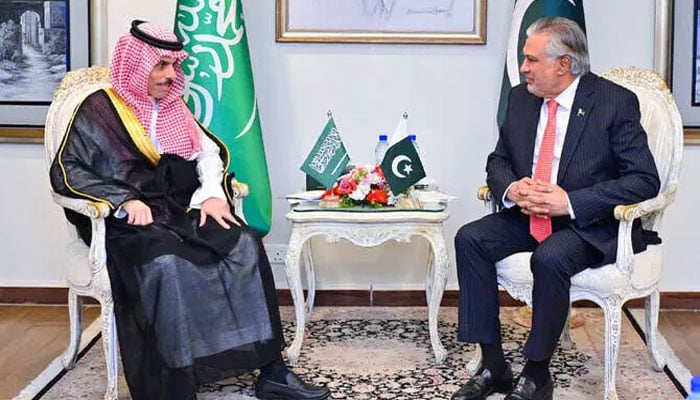
      Pakistan’s Deputy Prime Minister and Foreign Minister Ishaq Dar held a telephone conversation with Saudi Foreign Minister Prince Faisal bin Farhan, during which the two sides discussed matters of mutual interest as well as regional and international developments. According to a statement issued by the Foreign Office spokesperson, the two foreign ministers exchanged views on a range of issues of common interest during the telephone call. The conversation focused on strengthening bilateral relations between Pakistan and Saudi Arabia and maintaining close coordination on important regional and global matters. During the discussion, Ishaq Dar and his Saudi counterpart also reviewed the prevailing regional situation. The two ministers exchanged views on developments affecting peace and stability in the region and discussed the importance of continued diplomatic engagement and cooperation among countries. The foreign ministers also discussed multilateral cooperation and matters related to international forums. They emphasised the importance of maintaining coordination between Pakistan and Saudi Arabia on issues of common concern at both regional and international levels. According to the Foreign Office, Pakistan and Saudi Arabia reaffirmed their commitment to maintaining close contact and cooperation through bilateral and multilateral platforms. The telephone conversation comes as Pakistan and Saudi Arabia continue to maintain close and longstanding relations based on political, economic, diplomatic and people-to-people ties. Both countries regularly consult each other on regional developments and issues of mutual interest. Pakistan considers Saudi Arabia an important partner in the Middle East, while Saudi Arabia has maintained close relations with Pakistan over the years. High-level exchanges between officials from both countries have remained an important feature of their bilateral relationship. The discussion between Ishaq Dar and Prince Faisal bin Farhan also reflects the importance attached by both countries to regular diplomatic consultations. Such contacts provide an opportunity for the two sides to exchange assessments of emerging regional developments and coordinate their positions on matters discussed at international forums. Multilateral cooperation was another important aspect of the conversation. Pakistan and Saudi Arabia have worked together at various international platforms and have frequently supported closer coordination on issues affecting the Muslim world and the broader international community. The two ministers also reiterated the importance of continued engagement between their respective governments. By maintaining regular communication, both sides aim to strengthen their strategic partnership and enhance cooperation on matters of mutual interest. The telephone conversation is expected to contribute to ongoing diplomatic efforts to further deepen Pakistan-Saudi Arabia relations. Both countries have repeatedly expressed their desire to expand cooperation across multiple areas and maintain strong institutional and political contacts. The Foreign Office spokesperson did not provide further details about the specific regional issues discussed during the call. However, the reference to the regional situation and multilateral cooperation indicates that the conversation covered broader developments beyond bilateral relations. The reaffirmation of close coordination on bilateral and multilateral platforms demonstrates the continued importance of the relationship between Islamabad and Riyadh. Regular communication between senior officials remains a key mechanism for both countries to exchange views, coordinate diplomatic positions and respond to developments in the region. The latest telephone conversation between Ishaq Dar and Prince Faisal bin Farhan therefore underscores the two countries’ commitment to maintaining close diplomatic engagement and strengthening cooperation at both bilateral and international levels.

  • |

    IMF-backed move to End EPZ local sales Quota sparks concerns over textile recycling, jobs

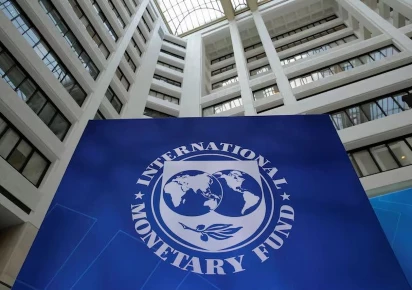
    KARACHI: A proposed move to withdraw the permission allowing factories operating in Pakistan’s Export Processing Zones (EPZs) to sell up to 20% of their output in the domestic market has triggered concerns among exporters, investors and international textile-recycling organisations, who fear the policy could disrupt investment, employment and a wider global circular-economy supply chain. The controversy has emerged after Pakistan committed to the International Monetary Fund (IMF) that it would amend the existing rules governing EPZs and prohibit sales from these zones into the domestic tariff area. According to the IMF’s latest programme review, Pakistan has committed to introduce amendments aimed at ending domestic sales by EPZ-based manufacturers. The report states that the amendments were to be placed before the federal cabinet for approval by September 2026. However, exporters and industry representatives have challenged the move, arguing that the existing 80:20 arrangement was part of the investment and regulatory framework under which many businesses established operations in the zones. Under the existing system, EPZ manufacturers can export 80% of their production while selling up to 20% in Pakistan after payment of applicable duties and taxes. Industry stakeholders say the domestic-sale provision is particularly important for products that have limited commercial demand in overseas markets. The proposed abolition has also attracted attention in the United States because American companies supply raw materials and used textiles to Pakistani businesses operating in the EPZs. The US-based Secondary Materials and Recycled Textiles Association (SMART) has approached IMF Mission Chief to Pakistan Iva Petrova, warning that eliminating the domestic-sales provision could have consequences extending beyond Pakistan’s industrial sector. The association has argued that Pakistan occupies an important position in the global textile circular economy, particularly in the sorting, grading, reuse and recycling of used textiles collected in North America and Europe. According to SMART, used clothing and textile materials collected in the United States, Canada and European countries are sent to Pakistan, where they are sorted and graded before being channelled into reuse, recycling, manufacturing and affordable consumer markets. The association has warned that ending the 80:20 mechanism could reduce demand for recovered textiles and place downward pressure on their prices. Such a development, it said, could weaken textile-collection programmes in North America and reduce the income generated by charitable organisations from donated clothing. Organisations including Goodwill, the Salvation Army and St Vincent de Paul depend partly on revenues generated from donated goods to finance a range of social programmes, including workforce training, employment assistance, food support, recovery services, youth programmes and housing assistance. SMART has therefore cautioned that a major disruption in Pakistan’s used-textile market could have financial consequences for charitable organisations in North America, with potential losses running into tens of millions of dollars. The association also warned that reduced demand for used textiles could ultimately result in a greater volume of reusable material being sent to landfills or incinerators rather than being recycled or reused. US exporters raise objections US exporters have also expressed concern over the proposed withdrawal of the 20% domestic-sale allowance. Their concerns are significant because American suppliers form part of the upstream supply chain that feeds Pakistani recycling and manufacturing units located in EPZs. Abid Iqbal, representing Nashmia Industries, said during Express News programme The Review that US exporters had communicated their concerns to Pakistani counterparts. According to Iqbal, US exporters had also been told informally that the IMF itself had not initiated the proposal to remove the 20% quota. The development has consequently raised questions within the industry about how the condition was incorporated into Pakistan’s commitments under the IMF programme and whether sufficient consultation took place with affected stakeholders. Industry representatives have also warned of possible legal and contractual disputes, maintaining that the 20% domestic-sales provision was part of the regulatory and investment framework under which businesses made their investment decisions. They argue that companies entered the zones with an understanding that they would be able to export the bulk of their production while disposing of a limited portion in the domestic market after meeting applicable tax and customs obligations. EPZ rules and proposed amendment The Export Processing Zones Authority (EPZA) operates under the legal framework established through the EPZ Act of 1980. The law enables the establishment of export processing zones with approval from the federal government. Under Rule 228(5) of the Customs Rules, EPZ-based factories have historically been allowed to sell up to 20% of their production in the domestic tariff area, subject to applicable duties and taxes. A higher limit of 30% had been applicable to the Resalpur area. EPZA has reportedly forwarded a proposal to the Federal Board of Revenue (FBR) to eliminate the 20% quota from October 1 in line with the IMF-related commitment. The proposal, however, has exposed differences within the government over the scope and interpretation of the IMF condition. Proceedings of the Senate Standing Committee on Industries held last month indicate that the Ministry of Industries and Production maintained that abolition of the 20% domestic-sales quota was not included in the original IMF agreement. According to the ministry’s position, the initial IMF requirement was restricted to preventing the introduction of new fiscal incentives, including tax concessions and subsidies, rather than immediately eliminating the existing domestic-sales mechanism. The ministry has reportedly argued that the later addition of the quota-related condition requires further clarification. Assessment of EPZs The issue is also linked to an assessment of Special Economic Zones (SEZs) and EPZs that Pakistan was required to undertake under the IMF programme. The government engaged consultancy firm AT Kearney to assess the zones and determine whether their operations were creating distortions in the domestic market. According to records presented before the Senate Standing Committee on Industries, the assessment completed last year concluded that EPZs were not creating significant market distortions. The report, according to the parliamentary proceedings, did not recommend withdrawing existing fiscal incentives. The issue has therefore become a point of discussion between government officials and the IMF as authorities seek to reconcile the lender’s programme requirements with

  • |

    Stray SpaceX rocket believed to have struck Moon

    A discarded section of a SpaceX Falcon 9 rocket is believed to have crashed into the Moon, giving scientists a rare opportunity to study the effects of a known impact on the lunar surface. The object, a 4,000-kilogram upper stage left in space after a January 2025 mission, was expected to strike the Moon at around 07:35 BST after spending more than a year drifting through space. Scientists say the rocket stage gradually shifted onto a collision course due to the combined gravitational pull of the Earth, Moon and Sun. The impact is not considered dangerous to Earth, according to NASA, which plans to analyse the event to improve its understanding of lunar geology and refine methods for tracking objects in space. Although the collision itself was too faint to be seen with the naked eye, astronomers using powerful telescopes are monitoring the Moon for signs of a fresh crater and a plume of dust created by the impact. Researchers are now comparing before-and-after images of the lunar surface to identify the exact location of the strike. NASA’s Lunar Reconnaissance Orbiter and South Korea’s Danuri lunar spacecraft are expected to capture images of the impact site in the coming days. Scientists say processing and analysing the data could take several days or even weeks before the first confirmed images are released. Experts describe the incident as a valuable scientific experiment because the size, speed and mass of the object were known in advance. Unlike natural meteor impacts, the predictable nature of the collision allows researchers to better understand how craters form and how lunar material behaves after a high-speed impact. However, astronomers also say the incident highlights the growing problem of space debris. Thousands of human-made objects now remain on or around the Moon, and experts warn that increasing congestion in space could pose challenges for future exploration missions if debris is not managed more effectively. Meanwhile, SpaceX continues its regular launch operations. The company successfully launched another Falcon 9 rocket from Florida on a separate mission carrying satellites into orbit, underscoring the growing pace of space activity as agencies and private companies expand their exploration programmes.

  • |

    Constitution, rule of law and strong defence key to Pakistan’s future, says Senator Abdul Qayyum

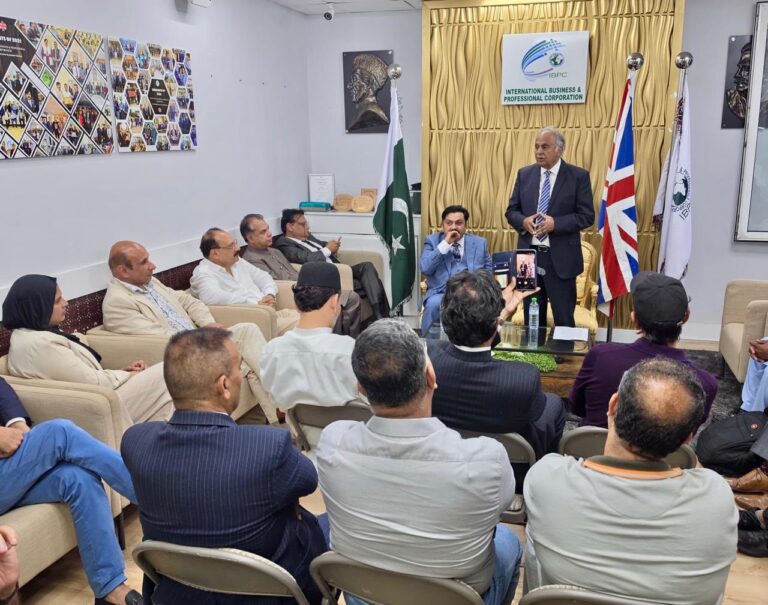
    LONDON:  Constitutional supremacy, the rule of law, a vibrant economy and a strong defence are the four pillars that will safeguard Pakistan’s sovereignty and ensure its long-term stability, former Chairman of the Senate Standing Committee on Defence Production Senator Lt Gen (R) Abdul Qayyum HI(M) said in London. Addressing a Pakistan Independence Day reception organised by the International Lawyers Club UK (ILCUK) in London to mark Pakistan’s 79th Independence Day, the President of the Pakistan Ex-Servicemen Society (PESS) said Pakistan’s independence was won through “immense sacrifices, visionary leadership and the constitutional struggle led by Quaid-e-Azam Muhammad Ali Jinnah.” “Among the greatest blessings of Allah Almighty is living as free citizens of an independent and sovereign Pakistan,” he said, adding that the country’s freedom “is not merely inherited but has to be continuously protected through unity, discipline and national resolve.” Paying tribute to Pakistan’s Armed Forces, Senator Abdul Qayyum said the military had repeatedly defended the country’s sovereignty and territorial integrity against external aggression, terrorism and hybrid threats. “Our Armed Forces have successfully confronted external aggression, terrorism and various hybrid threats because of the determination of our people and the sacrifices, professionalism and courage of our soldiers,” he said. “The nation takes pride in its internationally respected Armed Forces, which have repeatedly defended Pakistan’s sovereignty and territorial integrity.” He warned that Pakistan continued to face a range of internal and external challenges, including terrorism, foreign-sponsored insurgency, disinformation campaigns, sectarianism and political polarisation. He stressed that operations against terrorists and armed militants should be viewed as a constitutional responsibility of the state rather than political repression. “Action against armed militants, terrorists and those working against the state should not be misconstrued as repression, but rather as the constitutional responsibility of the state to protect the lives and property of its citizens,” he said. While acknowledging the importance of democratic freedoms, Senator Abdul Qayyum said freedom of expression must be exercised responsibly. “Freedom of expression and difference of opinion should never come at the expense of national security,” he said, adding that unity between the people, constitutional institutions and the Armed Forces remained “the strongest guarantee of Pakistan’s sovereignty, stability and democratic future.” Highlighting the historic contribution of lawyers to the Pakistan Movement, he said the legal fraternity had played a decisive role in achieving independence through constitutional means. He urged lawyers and barristers to continue defending the Constitution, upholding the rule of law and strengthening democratic institutions. Turning to Pakistan’s future priorities, the senator called for strict adherence to constitutional governance, separation of powers, an independent judiciary and impartial accountability. He also advocated comprehensive industrial and agricultural reforms, greater investment in education, science, research and artificial intelligence, modernisation of Pakistan’s defence capabilities and stronger border security. Referring to criticism of the military, Senator Abdul Qayyum said retired servicemen, pensioners of second-line forces and civilians associated with the defence sector stood firmly behind the Armed Forces. “Those who demonise this sacred institution in the national and international media do no service to the country,” he said, urging the media to report responsibly and avoid undermining institutions responsible for safeguarding Pakistan’s security. Concluding his address, Senator Abdul Qayyum called on Pakistanis at home and abroad to renew their commitment to strengthening national institutions, rebuilding the economy, educating future generations and honouring the sacrifices of the nation’s martyrs. “I am confident that through unity, collective effort and by placing national interests above political differences, Pakistan will emerge stronger, more resilient and more prosperous in the years ahead,” he said.

Leave a Reply

Your email address will not be published. Required fields are marked *