north korea8217s fake
|

North Korea’s fake remote workers rake in $800m a year

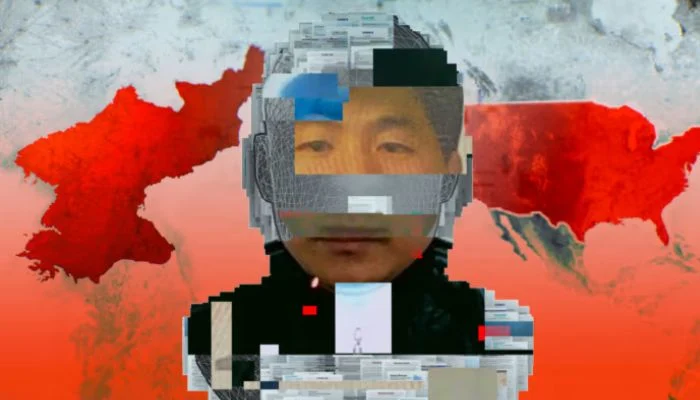
North Korean operatives have quietly built a hidden workforce inside American companies. They are using stolen identities, AI tools and fake profiles to secure remote jobs.

The money earned through this scheme is funneled straight back to North Korea. Investigators say it could be channeling millions of dollars annually to Kim Jong Un’s regime.

A new investigation pieced together leaked data, interviews and previously unseen videos to expose how the operation actually works. The findings offer a rare, detailed look at how Pyongyang’s undercover workers get recruited and placed.

According to the investigation, a single tracked operative applied to more than 1,000 companies in just three months. That volume points to a highly organized, large-scale effort rather than isolated cases.

Investigators also found that AI tools played a direct role in helping operatives write convincing cover letters and resumes. Screen recordings reportedly captured workers reading answers straight from ChatGPT during live hiring interviews.

North Korea’s IT operatives typically rely on stolen American identities to pass candidate screening and background checks. Many are said to juggle multiple jobs simultaneously, all operating under the same stolen name.

Some of these workers reportedly earn as much as $300,000 a year through these remote positions. The US Treasury Department has found that up to 90% of those earnings get funneled directly back to the regime.

Officials estimate the overall operation generates as much as $800 million annually for North Korea. That scale has made it one of the more lucrative sanctions-evasion schemes uncovered in recent years.

Investigators traced the flow of funds through a wider network involving North Korean IT workers and affiliated cybercriminals. That trail eventually led to a company being sanctioned by the US, reportedly tied to Pyongyang’s broader defence development program.

The findings highlight how North Korea has adapted its sanctions-evasion tactics for the remote work era. By blending stolen identities with AI-assisted job applications, the regime has found a modern, low-visibility way to bypass international restrictions on its economy.

As remote hiring becomes more common globally, cases like this are raising fresh questions about how companies verify who they’re actually hiring.

Similar Posts

  • | | | |

    Tanweer Ahmed champions human-centred AI at UN you…

    Tanweer Ahmed, a technology and artificial intelligence professional, has called for a human-centred approach to AI adoption, stressing that emerging technologies should support people rather than replace them. Speaking at the Youth and AI Summit at United Nations Headquarters in New York on International Youth Day, Ahmed delivered a presentation titled “Keeping Humanity in AI Adoption.” He focused particularly on how nonprofit organisations can use artificial intelligence responsibly while protecting human judgment and accountability. Ahmed said his professional background in technology consulting, data analytics and AI had given him experience in understanding the opportunities created by emerging technologies. However, he said his passion for the nonprofit sector was rooted in his earlier experiences working with communities and young people. He recalled working on a community farm and participating in cultural education activities in Cuba during 2007 and 2008. In 2010, he travelled to South Africa, where he taught mathematics to fifth-grade students. Ahmed said these experiences shaped his long-term desire to contribute to communities and help children around the world. He described his appearance at the UN event on International Youth Day as an honour and an opportunity to reconnect with those early aspirations. During his presentation, Ahmed discussed the rapid growth of artificial intelligence and its increasing use by individuals, businesses and nonprofit organisations. He explained that AI adoption should not simply mean occasionally using chatbots or other AI applications. Instead, organisations should strategically integrate AI into their daily workflows, operations and decision-making processes. Ahmed highlighted several areas where nonprofits can use AI, including internal productivity, communication, fundraising, grant writing and administrative tasks. He presented the Ugandan Water Project as an example of how AI can support a nonprofit organisation. The project works to improve access to clean water in Uganda and reduce the impact of waterborne diseases. According to Ahmed, the organisation uses AI to assist with grant applications and donor outreach. Previous grant applications and organisational information can be analysed to help prepare targeted applications for new funding opportunities. Ahmed stressed that AI-generated material is not simply submitted without human involvement. Staff review, edit and verify the content before applications are sent to funders. He said AI had also helped the organisation identify new grant opportunities and improve internal processes, including contract drafting and project-management workflows. Ahmed emphasised that the purpose of such technology should be to make employees more efficient rather than eliminate their jobs. He also discussed AI-powered voice-to-text technology used in social work and community services. Such systems can allow workers to record information while they are in the field and transfer it into required software, reducing the amount of time spent on administrative duties. Ahmed said reducing paperwork could give nonprofit workers more time to interact directly with the people and communities they serve. However, he warned that AI adoption also presents challenges. These include financial costs, limited access to technology, concerns over job losses, inaccurate information, privacy issues, bias and difficulties in understanding cultural and linguistic nuances. He also highlighted concerns about the environmental impact of the infrastructure required to operate increasingly powerful AI systems. Ahmed urged organisations to develop responsible AI policies covering privacy, security, fairness, transparency, human oversight and accountability. He encouraged nonprofit organisations to learn from one another and share successful experiences with AI, saying organisations working for social causes can benefit from cooperation rather than competing over technological approaches. A key message of his presentation was that humans must remain responsible for AI-assisted decisions. Ahmed warned organisations against blindly accepting AI-generated content and urged them to review outputs carefully, correct errors and ensure that technology does not replace human judgment. Who is Tanweer Ahmed, the Pakistani-American philanthropist? Pakistani-American businessman and philanthropist Tanweer Ahmed has attracted renewed attention in Pakistan following his reported $9 million contribution to the National University of Sciences and Technology (NUST) and his recent appearance alongside senior Pakistani officials in the United States. Ahmed, who is based in Houston, has built a diverse business portfolio in the United States while also becoming involved in philanthropy, education, healthcare and cricket. His recent contribution to NUST is aimed at supporting talented students from financially disadvantaged backgrounds. The endowment is expected to provide scholarships to deserving students each year, with a particular focus on fields such as artificial intelligence, information technology, science and other emerging technologies. Ahmed has said his objective is to ensure that talented Pakistani students are not deprived of quality education because of financial difficulties. He has also expressed plans to expand similar scholarship initiatives to other educational institutions. The businessman has also supported infrastructure and technology-related initiatives at NUST, including the development of facilities intended to strengthen research and innovation. His philanthropic activities extend beyond education. Ahmed has been associated with healthcare initiatives in Pakistan and has supported efforts aimed at providing assistance to communities affected by natural disasters. He also drew attention for his role in relief efforts following the devastating floods that struck Pakistan in 2022. He has been credited with helping mobilise substantial humanitarian assistance for flood-affected communities. Ahmed’s business journey began after he moved to the United States as a student. According to accounts of his career, he initially worked in restaurants and at gas stations while trying to establish himself. He later moved through several positions in the American fast-food industry. His career accelerated after he joined Jack in the Box as a shift manager. His performance and business approach helped him move into senior management positions, eventually leading to opportunities in the Taco Bell franchise system. Ahmed later expanded into franchising and developed a large portfolio of food outlets across several US states. His business interests have also extended into insurance, energy, transportation and other sectors. Over the years, he has developed a reputation as an entrepreneur who combines commercial ventures with philanthropic activities. Ahmed is also closely associated with the development of cricket in the United States. A passionate cricket enthusiast, he established the Prairie View Cricket Complex near Houston after acquiring a large tract of

  • | |

    Magistrate launches inquiry into deaths of two gir…

    LAHORE: A judicial magistrate has initiated an inquiry into the deaths of two underage girls who died while in police custody in Lahore on August 4. The inquiry was launched after the families of the deceased girls demanded an impartial investigation into the circumstances surrounding their deaths. The girls were identified as Amina and Anmol. They had reportedly remained in police custody for more than two hours before emergency services were called to the Township police station. The circumstances leading to their deaths have not yet been fully established. Proceedings have been initiated under Section 176 of the Code of Criminal Procedure. The provision empowers a magistrate to examine deaths that occur in police custody or under other suspicious circumstances. The magistrate can record statements from relevant individuals during the inquiry. Witnesses may also be examined under oath. The law further allows the magistrate to order the exhumation of a body if a postmortem examination is considered necessary to determine the cause of death. The judicial proceedings are expected to focus on what happened while the two girls were being held at the police station. Authorities are likely to examine the circumstances surrounding their arrest, the period they spent in custody and the events that took place before Rescue 1122 was contacted. The timing of the emergency call has also become an important part of the inquiry. The families have sought clarity over the events inside the police station and called for the matter to be investigated independently. The deaths have raised concerns about the treatment of minors in police custody and the responsibility of officials overseeing detainees. The magistrate’s inquiry is expected to establish the sequence of events and determine whether any negligence or wrongdoing contributed to the deaths. Further action will depend on the findings of the judicial inquiry and other available evidence.

  • | |

    Counter-terror operations in Balochistan neutralize 12 militants

    Security forces in Pakistan have eliminated 12 high-risk terrorists during two separate operations across the southwestern province of Balochistan. According to official statements issued by the Inter-Services Public Relations (ISPR), the media wing of the Armed Forces of Pakistan, the targeted anti-terror engagements took place in the districts of Washuk and Mastung as part of an intensified campaign against extremist elements operating within the region. The military reported that these synchronized Intelligence-Based Operations (IBOs) were initiated following precise tracking and surveillance of insurgent networks. The operations represent a significant operational success for law enforcement and defense personnel working to dismantle armed groups attempting to compromise regional stability. Key Highlights of the Counter-Terror Operations District Washuk: Initial tracking detected hostile movement in the area, leading to a swift operational response that resulted in six terrorists being neutralized. District Mastung: A subsequent targeted raid triggered an intense exchange of gunfire, during which six additional terrorists were eliminated and a major militant hideout was completely dismantled Total Impact: 12 terrorists killed, operational infrastructure destroyed, and significant cache of weapons and logistics seized. Breakdown of the Intelligence-Based Raids The first phase of the counter-terrorism effort unfolded in Washuk district, where security agencies identified suspicious tactical movements by a group of armed insurgents. Acting on real-time intelligence, military units deployed swiftly to intercept the suspects. Upon confronting the militants, a heavy firefight ensued, ending with the death of six terrorists before they could execute planned sabotage activities in the district. Shortly thereafter, a second high-stakes operation was executed in the Mastung district. Intelligence agencies pinpointed an active sanctuary utilized by militants as a staging ground for planning attacks against civilians and security personnel. As forces surrounded the hideout, the cornered insurgents opened fire in a desperate attempt to break through the security perimeter. The security forces responded with decisive tactical force, eliminating six militants on the spot and neutralizing the immediate threat. Following the gun battle, search teams thoroughly cleared the facility, recovering military-grade weaponry, ammunition, and explosives, while destroying the infrastructure used to harbor illegal insurgents. Strategic Significance and Broader Context The ISPR emphasized that these successful engagements reflect the unwavering commitment of the armed forces to cleanse the country of foreign-funded terrorism. Military officials reaffirmed that anti-terror operations will persist relentlessly until all hostile networks, their safe havens, and their local facilitators are completely eradicated across Pakistan.   Authorities have urged local communities to remain vigilant and cooperate with law enforcement agencies as comprehensive intelligence gathering and mop-up activities continue throughout the region.

  • | |

    PTI leader Abdullah Tahir murder case: Police unco…

        LAHORE – In a significant development in the high-profile murder case of Pakistan Tehreek-e-Insaf (PTI) leader Abdullah Tahir, the police investigation has uncovered shocking details involving a sophisticated honey-trap operation and the use of drone cameras for surveillance. Abdullah Tahir, a prominent political figure, was gunned down in the upscale Gulberg area of Lahore just a few days ago, sending shockwaves through the political landscape and prompting widespread calls for a swift and transparent investigation. According to official police sources and investigative reports, the murder was not a random act of violence but a meticulously planned assassination that leveraged technology and human manipulation to track the victim’s movements. The breakthrough in the case came when investigators zeroed in on the victim’s personal driver, who has become a pivotal figure in the unfolding narrative. Police interrogation and digital forensics have revealed that the driver was systematically honey-trapped by a female accomplice working in tandem with the primary suspects. The investigation has established that the female suspect initiated contact with Abdullah Tahir’s driver through a popular social media application. Over a period of several days, she allegedly cultivated a rapport with the driver, gaining his trust and extracting crucial information about his employer’s daily routines, security arrangements, and travel schedules. The use of social media as a tool for reconnaissance highlights the increasing sophistication of criminal networks in Pakistan, which are now exploiting digital platforms to orchestrate targeted killings. The most damning evidence, however, emerged from the timeline of the day of the murder. Police sources confirm that on the fateful day, after the driver had accompanied Abdullah Tahir to his clinic, a video call was placed between the driver and the female suspect. During this call, the suspects are believed to have instructed the driver to confirm the victim’s presence at the clinic in real-time. The video call effectively served as a live verification mechanism, allowing the hitmen to ensure that their target was indeed on the premises before they moved in to execute the attack. This revelation underscores the calculated and cold-blooded nature of the conspiracy. Furthermore, the investigative team has uncovered evidence that the suspects deployed a drone camera to conduct aerial surveillance of the clinic and its surroundings prior to the assassination. The drone was reportedly used to map out the location, identify potential escape routes, and monitor the movement of security personnel or any other individuals who could interfere with the operation. The use of drone technology in this case represents a disturbing new trend in criminal activity, indicating that the perpetrators had access to advanced equipment and technical expertise, possibly hinting at a larger network behind the killing. The recovery of digital data from the driver’s mobile phone, including chat logs, call records, and multimedia files, has been instrumental in piecing together the conspiracy. The police have also detained the female suspect for interrogation, and efforts are underway to trace the other accomplices who participated in the planning and execution of the murder. Preliminary investigations suggest that the suspects operated with a high degree of coordination, using encrypted communication methods to avoid detection.   Abdullah Tahir’s murder has already become a politically charged issue, with his party, the PTI, demanding a high-level judicial inquiry and condemning what they describe as a failure of state institutions to protect their leaders. The party has also alleged that the killing may be linked to political vendettas, though the police have so far refrained from assigning a political motive to the crime, stating that all angles are being explored. As the investigation continues, the focus remains on capturing the masterminds and executing the attack. The police have assured the public and the political leadership that no effort will be spared in bringing the culprits to justice. The use of honey-trapping and drone surveillance in this case has not only complicated the investigation but has also raised serious questions about the safety of public figures in an era of rapidly evolving technological threats. The authorities are now reviewing security protocols for VIPs and considering stricter regulations on the use of drones and surveillance equipment to prevent similar incidents in the future.

  • |

    Arson suspect charged as catastrophic wildfires devastate Spokane County

    A 37-year-old man has been charged with first-degree arson in connection with one of three uncontained wildfires burning across Spokane County, Washington, as emergency crews continue to combat blazes that have destroyed hundreds of structures and forced tens of thousands to flee their homes. Spokane County Sheriff John Nowels confirmed that Aaron F. Farinacci was arrested on Monday in relation to the Old Trails Fire and is being held on a $1 million bond. According to law enforcement officials, a witness reported seeing Farinacci kneeling near the location where the fire originated on Saturday, shortly before smoke was observed rising from the brush. Responding officers subsequently located the suspect carrying waterproof matches and a butane lighter. Investigators utilised body-worn camera footage to obtain an official arrest warrant. The Old Trails, Autumn Lane, and Fairview fires have collectively scorched more than 10,000 acres across the region. None of the three blazes has been contained, presenting an ongoing challenge for emergency personnel navigating difficult weather conditions and dry vegetation. Washington Governor Bob Ferguson described the emergency in stark terms during a broadcast interview, characterising the destruction across urban and suburban zones as severe. He noted that entire residential neighbourhoods within the city of Spokane have been largely wiped out by the advancing flames. Local authorities estimate that more than 700 structures have been completely destroyed, with an additional 10,000 properties remaining under immediate threat. Roughly 65,000 residents across Spokane County have been ordered to evacuate as containment efforts proceed. Emergency services confirmed that no fatalities or injuries have been verified to date.

  • |

    Pakistan’s Ehsanullah Mehsud wins Taekwondo gold at the Thailand International Taekwondo Championship

    BANGKOK: Pakistan celebrated another proud moment on the international sporting stage as taekwondo athlete Ehsanullah Mehsud captured the gold medal at the Thailand International Taekwondo Championship after an impressive run through the competition. Mehsud sealed the title with a commanding victory over his Sri Lankan opponent in the final, completing an unbeaten campaign that showcased his skill, determination and consistency against top regional competitors. The Pakistani fighter began his journey with a confident win over a competitor from Kazakhstan in the opening round, setting the tone for an outstanding tournament. He then produced one of his best performances in the semi-finals by defeating an Indian opponent to secure a place in the championship match. Carrying that momentum into the final, Mehsud delivered another composed display to overcome the Sri Lankan contender and clinch the coveted gold medal for Pakistan. Speaking after his victory, Mehsud thanked the people of Pakistan for their prayers and unwavering support throughout the tournament. He dedicated his gold medal to the nation, saying the encouragement he received from fans inspired him to perform at his best on the international stage. “I am grateful for the love, prayers and motivation from the people of Pakistan. This gold medal belongs to the entire nation,” he said after the medal ceremony. The achievement drew widespread praise from across the country. Provincial Assembly member Asif Mehsud congratulated the athlete, saying his remarkable performance had brought pride to both Pakistan and Waziristan by raising the country’s flag on the international stage. Recognizing his success, Asif Mehsud also announced a job for the newly crowned champion, describing the gold medal as a reward for years of dedication and hard work. The latest triumph adds to Pakistan’s growing list of achievements in international taekwondo and highlights the emergence of talented athletes capable of competing successfully on the global stage. Sports enthusiasts hope Mehsud’s victory will inspire more young athletes to pursue martial arts and represent Pakistan with distinction in future international competitions.

Leave a Reply

Your email address will not be published. Required fields are marked *