research finds sahiwal

Research finds Sahiwal coal plant disrupted livelihoods, water and mobility in host villages

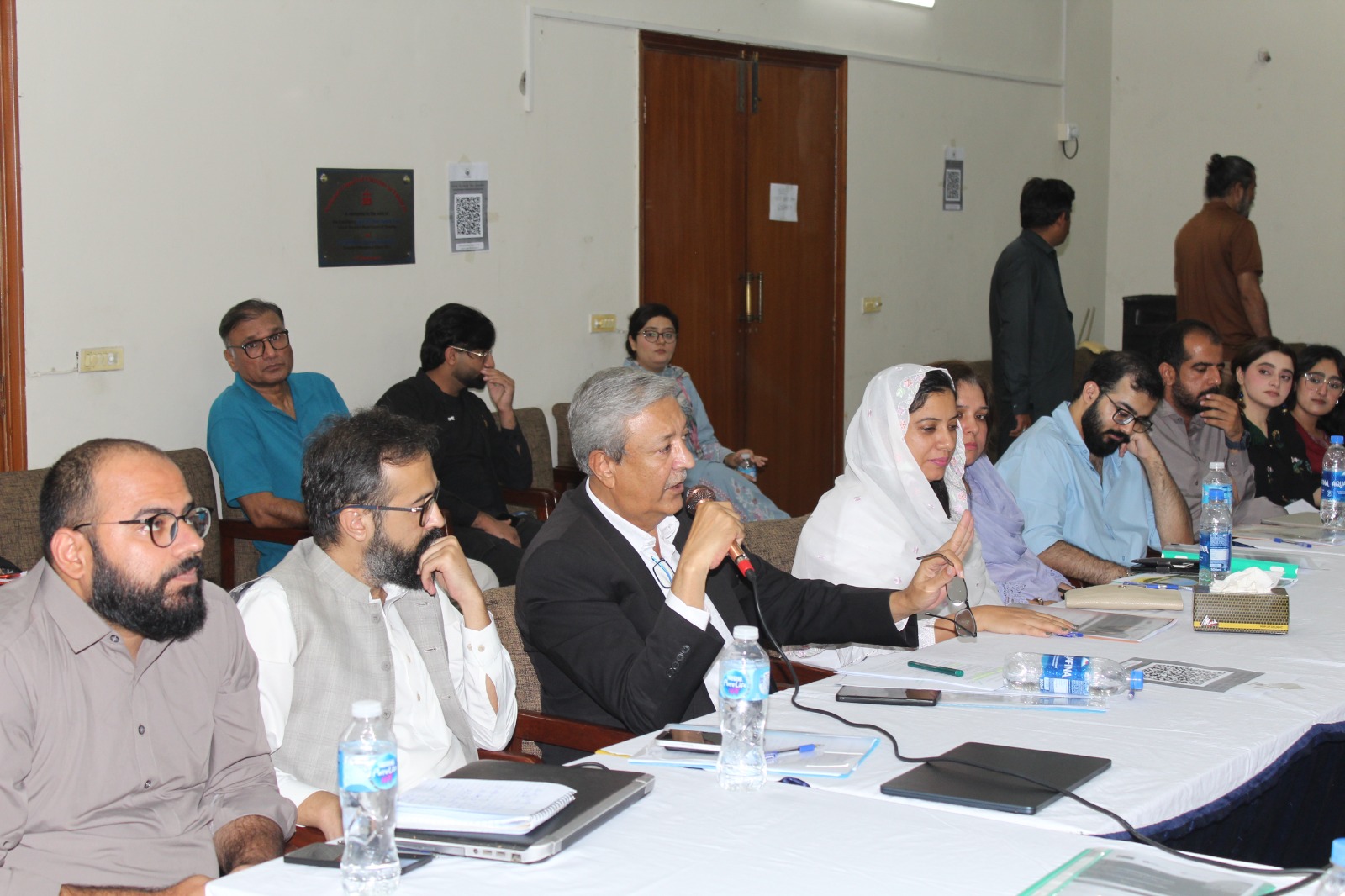
LAHORE, August 13, 2026: The Citizens’ Collective for Just Energy Development (CCJED), a coalition of civil society organisations, along with legislators, political leaders, lawyers, journalists, environmentalists and energy experts, has urged the government and policymakers to immediately address the concerns of communities affected by the Sahiwal Coal Power Plant. They stressed that local communities and their perspectives must be included in the planning, implementation and post-implementation phases of development and energy projects.

At the consultative dialogue on Wednesday, Pind Sudhaar Services (PSS), a CCJED member, presented a research report documenting the evidence of the impacts on the area and the locals. PSS representatives Alweera Waqas, Shafiq Butt and Rashid Chaudhry said the plant’s construction on private agricultural land had disrupted livelihoods, irrigation, drinking water supplies and local mobility, while its promised benefits remained limited.

The PSS findings are based on a survey of 121 households, focus group discussions, key informant interviews and a review of official records. They show that the proportion of households relying primarily on agriculture fell from 35 percent to 16 percent after the plant started operations, and that only three percent of households depend on the plant as their main source of income.

The research also highlighted the lack of availability of environmental monitoring reports and corporate social responsibility accounts. The Huaneng Sahiwal Welfare Trust was established to receive two percent of the plant operator’s annual net profit, but no record of its receipts or expenditure was publicly available until April 2026.

Locals from the affected villages said their access to GT Road and other parts of the district had been restricted since the closure of a railway crossing for the plant’s security. They said the quality of drinking water had deteriorated. They also pointed out that the closure of an irrigation outlet for the plant’s operational requirements had deprived 275 acres of land of canal water.

Mr. Rafe of the Alternative Law Collective (ALC), a CCJED partner, said the true cost imposed on communities by coal projects could not be calculated easily, because their effects on livelihoods, health and natural resources persisted over long periods and involved future generations as well. He called for transparency, recognition of community voices and integrated methods and approaches to evaluate the true impacts of mega projects and justice for the communities’ efforts to secure compensation and protection of their livelihoods, health and drinking water.

Asad Buzdar and Zara, from the Policy Research Institute for Equitable Development, another CCJED partner, said the communities’ demands were modest compared with the losses the locals had suffered. They stressed the need to generate and systematically document evidence concerning public health and other impacts.

Abdullah Cheema from Lok Sujag, another CCJED member organisation, said the benefits of development were shared by a much wider population and, therefore, their cost should not be borne by host communities alone.

PML-N MPA Somia Atta Shahani assured community representatives that she would raise their concerns in the Punjab Assembly.

PPP Central Punjab Information Secretary Shehzad Saeed Cheema said the selection of Sahiwal as the site of a coal-fired power plant had not been an appropriate decision. He emphasised the need for strict enforcement of regulations to protect local natural resources, livelihoods and public health.

Jamaat-i-Islami leader Khalid Ahmed Butt said sustained community mobilisation was necessary to ensure that local concerns were highlighted strongly.

Durre Shehwar of the Punjab Climate Action Network (PCAN) also stressed the need for collective action.

Advocate Abdullah Malik of the National Civil Society Network (NCSN) said the government should be more transparent in disclosing monitoring data on emissions, wastewater and other environmental parameters.

Similar Posts

  • |

    Lahore Board digitizes result cards, introduces QR code certificates

    LAHORE – Chairman Lahore Board of Education, Dr. Engineer Badr-ul-Islam has said that the Lahore Board of Intermediate and Secondary Education (BISE Lahore) has taken a major and revolutionary step to bring the education system in line with modern requirements and provide prompt solutions to the problems faced by students. In accordance with the vision of Chief Minister Punjab Maryam Nawaz and the directions of Education Minister Rana Sikandar Hayat and Chairman Task Force Committee for Boards Muzammil Mahmood, BISE Lahore has rapidly digitized its administrative and examination systems. Announcing this major development, Chairman Lahore Board Engineer Dr. Badr-ul-Islam said that result cards have been completely digitized and the entire record of examination results has been shifted to a modern digital system. The primary objective of this initiative is to ensure transparency in examinations, prevent the issuance of fake degrees and certificates and save students from traditional paperwork and repeated visits to the Board offices. Modern QR codes have been added to all digital result cards. By scanning the QR code with any device, a student’s complete academic record and examination results can be instantly verified online. The result cards of all private students will be uploaded to the Board’s official website from where students will be able to directly download their digital result cards. All regular students will be able to obtain their result cards through the portals of their respective schools or colleges and educational institutions. The Inter Board Coordination Commission (IBCC) has been formally informed about the new digital system, e-verification and QR code mechanism so that students do not face any delay or difficulty during admissions to higher education institutions or the attestation of their academic documents. Chairman Lahore Board Engineer Dr. Badr-ul-Islam further said that the Lahore Board of Education is committed to making all its operations paperless and fully digital. Following the digitization of result cards, other services including online NOCs, migration certificates and online fee payments are also being further simplified and automated. He said the objective is to ensure that students can access all necessary facilities through modern cyber and IT services from the convenience of their homes.

  • | | |

    National History Museum summer school 2026 ends wi…

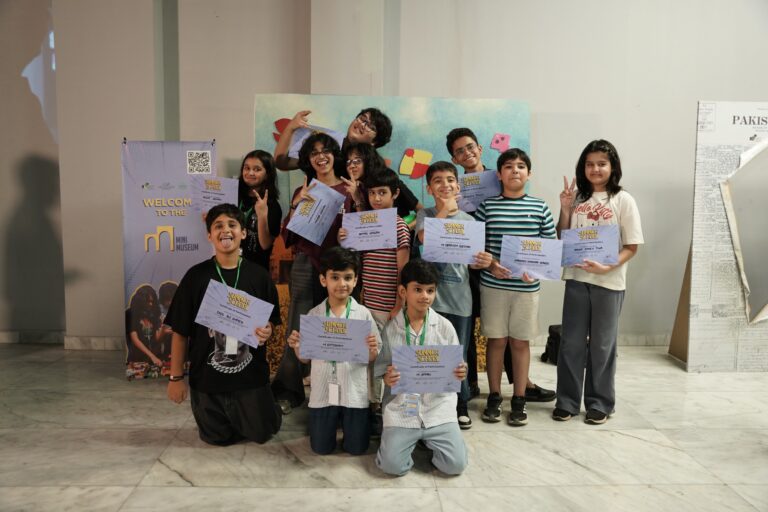
    Lahore: The National History Museum (NHM) hosted a week-long Mini Museum Display from 26th July to 2nd August 2026, marking the culmination of its flagship Summer School 2026 Programme. The display showcased projects created by participants exploring museum curation, oral histories, arts and crafts, architecture, and Pakistan’s food heritage during the summer school. Through field visits, hands-on activities, workshops, and creative experimentation with artificial intelligence, participants learned a variety of aspects from the history and culture of Pakistan. Reflecting on the experience, one participant said, “Being part of the Summer School is always exciting. This is my second time attending the school at the National History Museum, and I return each time with great enthusiasm to learn something new about my culture.” The opening day welcomed participants, parents, and special guests from academia. Attendees participated in interactive activities, including a LEGO-making workshop, making virtual block-printed bookmarks and postcards. The event also featured Circles of Life, a special workshop conducted by Taimoor Khan Mumtaz, the renowned architect at Kamil Khan Mumtaz Architects in Lahore. A parent of a Summer School participant remarked, “My children had a wonderful time. Displays like this build children’s confidence and encourage them to learn and experiment. The activities made the experience engaging, while Mr Taimoor Khan Mumtaz’s workshop was particularly memorable.” The Mini Museum Display received encouraging attendance and positive feedback from visitors. Speaking about the initiative, Awais Malik, Director, National History Museum, said, “The summer school is the soul of our mission at the National History Museum i.e., to educate the youngsters on the rich heritage of Pakistan.” The Mini Museum Display reflected NHM’s continued commitment to creating experiential learning experiences that connect the youth with Pakistan’s history, heritage, and culture.

  • | |

    Punjab University employees intensify protest over…

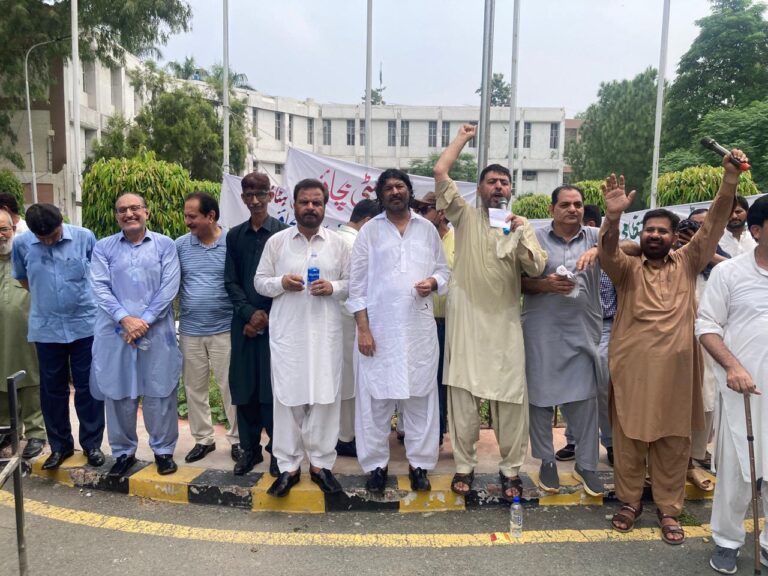
    LAHORE: Thousands of teachers and employees of the University of the Punjab took to the streets on Wednesday in a major protest organized by the Joint Action Committee, demanding the resolution of their longstanding grievances and payment of outstanding dues. The demonstration was attended by office-bearers of the Punjab University Academic Staff Association and the Punjab University Administrative & Technical Staff Association, along with a large number of faculty members and university employees. Addressing the protesters, Joint Action Committee Chairman Prof. Dr. Sardar Asghar Iqbal accused the university administration of favouring a particular group, alleging that the practice had adversely affected the institution’s financial and administrative affairs. Other faculty members, including Prof. Dr. Abdul Rehman Khan Niazi, Prof. Dr. Muqeet Javed, Dr. Abrar Zafar and Prof. Dr. Kamran Mirza, also participated in the protest. Joint Action Committee President and President of the Punjab University Administrative & Technical Staff Association Chaudhry Basharat Mahmood said employees had been protesting peacefully for around one and a half years, but the administration had failed to address their concerns. He said the employees were now compelled to intensify their protest. According to the announced plan, university offices will observe a two-hour work suspension every day, with employees wearing black armbands as a sign of protest. A protest rally will also be organized every Wednesday. Mahmood warned that the protesters could block the Campus Bridge if the administration failed to take their demands seriously. He also announced plans for demonstrations outside the Punjab chief minister’s office and on the GT Road near the university’s Gujranwala and Jhelum campuses. The protesters called for the immediate resolution of teachers’ and employees’ issues and payment of all outstanding dues. They also demanded the removal of DG Rehan Sadiq Sheikh, alleging that his conduct toward employees and role in administrative matters had contributed to the university’s deteriorating financial and administrative situation. The Joint Action Committee further called on the Punjab government to conduct a forensic audit of the university’s financial and administrative affairs to ensure transparency and accountability. Tayyab Ijaz Khan Swati, Tanveer Awan, Hammad Butt, Azhar Iqbal Baloch and former association president Nasir Rehmat were among the other speakers who addressed the gathering. The Joint Action Committee said its protest campaign would continue until the administration accepts and addresses the protesters’ demands.

  • |

    NHM begins Independence Day celebrations in Lahore

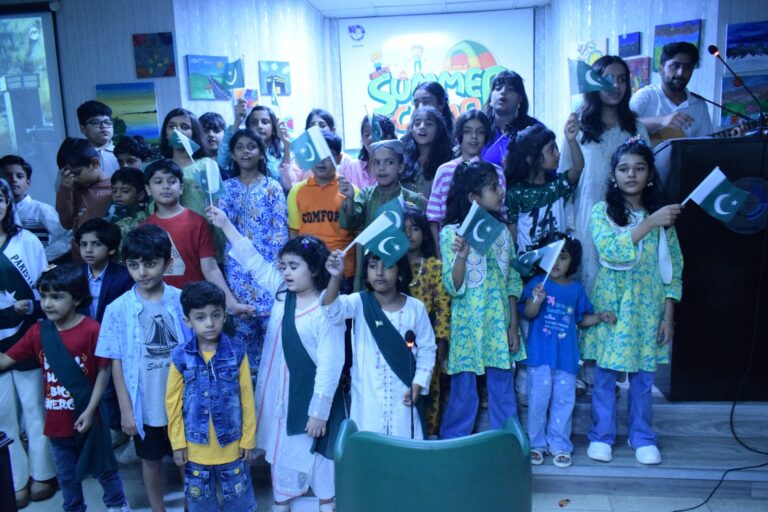
    Lahore — The National History Museum (NHM) commenced its commemorative programmes for Pakistan’s 79th Independence Day with a series of curated events. The programme began with a multi-generational panel discussion, “Making of Home: Memory, Migration, and New Beginnings,” featuring renowned human rights activist and poet Harris Khalique, award-winning filmmaker Jawad Sharif, and educator and social development practitioner Dr Shireen Zafarullah. The discussion was moderated by academic and BNU Senior Lecturer Saadia Ahmad. The discussion reflected on the experiences of the first generation, who experienced displacement firsthand and grew up in its immediate aftermath; the second generation, who established families, careers, and communities in the cities shaped by Partition; and the third generation, which continues to shape Pakistan through emerging fields including technology, business, and culture. A high point of the celebrations was a dramatic reading of letters from the 1947 Partition exchanged between families, performed by artist Adeel Afzal. The performance brought the audience personal accounts and lived experiences from 1947 through the preserved correspondence of those who witnessed the events. The reading received houseful attendance of people from various walks of life. Speaking on the occasion, NHM Director Awais Malik stated, “1947 Partition and Independence continue to be defining factors of our national identity. Preserving and sharing personal memories from these events remains a core mission of the museum.” In accordance with its mandate to preserve and document Pakistan’s national history, NHM also established a Community Digitisation Station, providing visitors with an opportunity to learn digital preservation of family photographs, documents, and other historical materials. The initiative seeks to recognise personal and family archives as an important component of the country’s broader historical identity. The Independence Day commemorations will continue on 14 August, when NHM will remain open during extended hours and offer exclusive Night Tours in addition to its regular museum experience. The Community Digitisation Station and a range of educational and interactive activities will remain available for children and families.  

  • |

    Documentary film on struggle for joint electorate …

    Karachi: A documentary titled A Separation Refused based on the Movement for Restoration of the Joint Electorate in Pakistan that was screened at Media Centre of SZABIST University Karachi. The 20-minute documentary, produced by the Centre for Social Justice and co-directed by Dawood Akhtyar Murad, traced the history of the Separate Electorate system and the movement for the restoration of the Joint Electorate in Pakistan. It highlighted the collective efforts of civil society organizations, political leaders, faith communities, and human rights advocates who campaigned for equal citizenship and inclusive democratic participation for religious minorities. Through historical narratives and personal testimonies, the documentary demonstrated how sustained advocacy contributed to democratic reforms and continues to inspire efforts towards equality, pluralism, social cohesion, and the protection of constitutional rights. The event also featured the screening of “Hum Juda Nahi,” a song reinforcing the themes of unity, equal citizenship, and peaceful coexistence. The event brought together university students, academics, lawyers, civil society representatives, human rights defenders, media professionals, political representatives, and religious leaders to reflect on an important chapter in Pakistan’s democratic history. Following the screenings, an interactive panel discussion explored the progress made towards equal citizenship and the challenges towards a democratic participation of religious minorities in Pakistan Speaking on the occasion, Anthony Naveed, Deputy Speaker of the Sindh Assembly, emphasized that a lack of public awareness remained one of the key challenges to advancing equal citizenship. He stressed the importance of strengthening community-based networks to build collective efforts capable of bringing meaningful and lasting change. Senior Advocate of the Supreme Court of Pakistan, Akhtar Hussain, who led a legal struggle against the separate elections, appreciated the documention of an important democratic struggle. He urged participants to carry forward the movement until equal political participation and equal citizenship were fully realized, emphasizing that equal participation is the right of every citizen. Dr. Riaz Ahmed Sheikh, Dean of the Faculty of Social Sciences and Education at SZABIST, highlighted the importance of upholding Article 22(1) of the Constitution. He called on the decision makers to discuss issues of equal citizenship and minority rights to mainstream that should play a more active role in promoting dialogue, constitutional values, and equal participation. Advocate Kalpana Devi called for legal and policy reforms to address discriminatory constitutional provisions and public policies that continue to limit equal rights and opportunities for religious minorities. Speaking at the event, Peter Jacob, Executive Director of the Centre for Social Justice, emphasized the need for constitutional reforms to strengthen equal citizenship. He called for a review of Articles 41 and 91 of the Constitution, which attach a precondition of being a to Muslim for the offices of the President and Prime Minister. Moreover, implementation of Article 22(1) of the constitution of Pakistan that guarantees unbiased education. In the open discussion, participants emphasized that this documentary film highlighting constitutional rights, democratic inclusion, and the experiences of religious minorities should be screened more widely through universities, arts councils, mainstream media, and other public platforms to encourage informed dialogue and greater public awareness. The event concluded with a shared commitment among participants to continue promoting constitutional rights, equal citizenship, democratic participation, and peaceful coexistence through sustained advocacy, public dialogue, and collaborative action. (END) William Sadiq: 0300 2062332 Aiman Zameer: 0316 4762471  

  • |

    NAB Lahore Summer Camp 2026 concludes with children’s talent showcase

    National Accountability Bureau (NAB) Lahore successfully concluded its six-week Summer Camp 2026 for the children of NAB officers, which was aimed at providing a positive environment for their educational, creative, physical and moral development. The camp was organized as a special initiative of DG NAB Lahore, Mirza Faran Baig, with a focus on personality development and nurturing children’s talents. Qualified instructors from various fields conducted training in Swimming, Judo, Arts and Crafts, Communication Skills, Handwriting and Manners, along with classes on the Holy Quran and Islamic teachings. Sports and recreational activities were also arranged to promote fitness, teamwork and discipline. The concluding ceremony was held at NAB Lahore under the supervision of DG Mirza Faran Baig and attended by children, officers and instructors. Renowned singer Jawad Ahmad also graced the occasion as a Special Guest. The children showcased their learning through speeches, poems, artwork and earned appreciation from the audience. They described the camp as a memorable experience that helped them learn new skills in a positive environment. A video prepared by the Media Cell, NAB Lahore was also screened, highlighting key activities and moments from the camp. In his address, DG NAB Lahore said that such initiatives help develop children’s hidden talents and build confidence. He appreciated the children’s performance and the efforts of instructors and coordinators in making the camp successful. He added that NAB Lahore, in line with the vision of the Chairman NAB, remains committed to support the personality development of the next generation for a brighter future of the country. The ceremony also included a magic show and special Independence Day performances by the children. Singer Jawad Ahmad also performed for the participants, while Zamzam Group, Dubai joined online and distributed prizes during a question-and-answer session. At the end, DG NAB Lahore Mirza Faran Baig distributed certificates and gifts among the children and instructors. The event concluded with a group photograph, marking a memorable end to the camp.

Leave a Reply

Your email address will not be published. Required fields are marked *