nhm begins independence
|

NHM begins Independence Day celebrations in Lahore

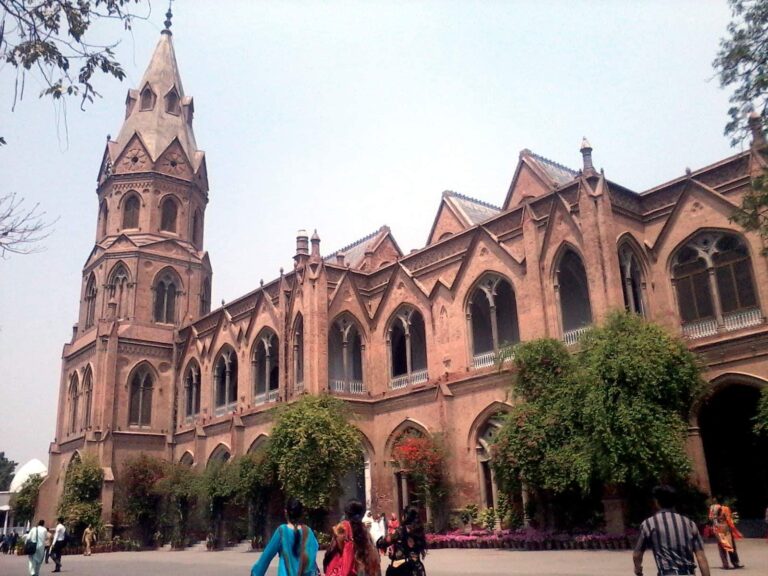
Lahore — The National History Museum (NHM) commenced its commemorative programmes for Pakistan’s 79th Independence Day with a series of curated events.

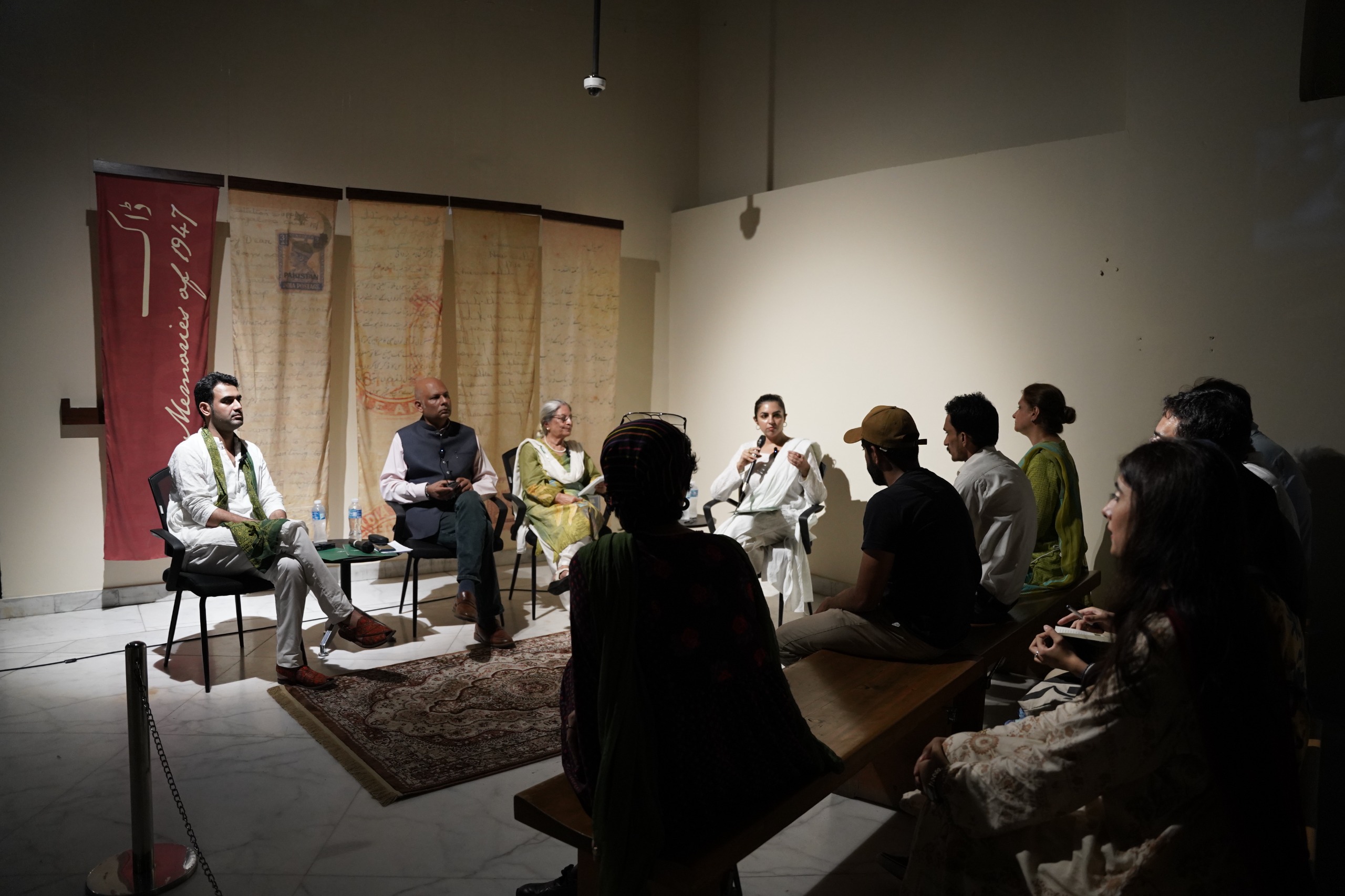
The programme began with a multi-generational panel discussion, “Making of Home: Memory, Migration, and New Beginnings,” featuring renowned human rights activist and poet Harris Khalique, award-winning filmmaker Jawad Sharif, and educator and social development practitioner Dr Shireen Zafarullah. The discussion was moderated by academic and BNU Senior Lecturer Saadia Ahmad.

The discussion reflected on the experiences of the first generation, who experienced displacement firsthand and grew up in its immediate aftermath; the second generation, who established families, careers, and communities in the cities shaped by Partition; and the third generation, which continues to shape Pakistan through emerging fields including technology, business, and culture.

A high point of the celebrations was a dramatic reading of letters from the 1947 Partition exchanged between families, performed by artist Adeel Afzal. The performance brought the audience personal accounts and lived experiences from 1947 through the preserved correspondence of those who witnessed the events. The reading received houseful attendance of people from various walks of life.

Speaking on the occasion, NHM Director Awais Malik stated, “1947 Partition and Independence continue to be defining factors of our national identity. Preserving and sharing personal memories from these events remains a core mission of the museum.”

In accordance with its mandate to preserve and document Pakistan’s national history, NHM also established a Community Digitisation Station, providing visitors with an opportunity to learn digital preservation of family photographs, documents, and other historical materials. The initiative seeks to recognise personal and family archives as an important component of the country’s broader historical identity.

The Independence Day commemorations will continue on 14 August, when NHM will remain open during extended hours and offer exclusive Night Tours in addition to its regular museum experience. The Community Digitisation Station and a range of educational and interactive activities will remain available for children and families.
 

Similar Posts

  • | |

    Court allows tax credit adjustment against super t…

    The Federal Constitutional Court has issued an important ruling in favour of corporate taxpayers. The court has declared the adjustment of tax credits against super tax legally valid. It has also overturned an earlier decision of the Islamabad High Court. Justice Amir Farooq authored the six-page detailed judgment. The court accepted the appeals filed by a private mobile phone company. The case relates to the adjustment of tax credits against super tax. The company had challenged a demand raised by the Federal Board of Revenue (FBR). The FBR had issued a notice to the private company. The notice required the company to pay super tax. The company approached the Islamabad High Court after receiving the notice. It argued that its available tax credit should be allowed to adjust against the super tax liability. The Islamabad High Court rejected the company’s petition. The company then challenged that decision before the Federal Constitutional Court. The Federal Constitutional Court has now accepted the company’s appeals. It has declared that tax credits available to a taxpayer can be adjusted against super tax. The court referred to the relevant provisions of the tax law. It observed that the tax credit available under Section 168 is a separate and legally recognised right. According to the judgment, a taxpayer should not be prevented from using this credit for adjustment. The court said forcing a taxpayer to seek only a refund would not be consistent with the intention of the law. The judgment also addressed the interpretation of financial and tax laws. The court observed that such laws should be interpreted in a manner that facilitates taxpayers. The court emphasised that taxpayers should be able to exercise rights provided to them under the law. A legal right to a tax credit cannot be unnecessarily restricted through an interpretation that creates additional difficulties for taxpayers. The court also issued directions to the FBR. The FBR has been directed to examine the taxpayer’s claim for adjustment. The department must consider the claim in response to the tax notice. The FBR will now have to decide the matter according to the applicable law and the court’s ruling. The judgment provides an important clarification for corporate taxpayers. It establishes that an eligible tax credit can be considered for adjustment against a super tax liability. The ruling may also have wider implications for companies facing similar tax demands. Businesses with legally available tax credits may now rely on the court’s interpretation when seeking adjustments against their tax liabilities. By setting aside the Islamabad High Court’s decision, the Federal Constitutional Court has clarified the legal position on the issue. The case also highlights the continuing dispute between taxpayers and the FBR over the interpretation and application of tax laws.

  • | |

    Sindh Chief Minister reviews Karachi water reform …

      Sindh Chief Minister Syed Murad Ali Shah met with World Bank Country Director Bolormaa Amgaabazar during a high-level meeting held to review the progress of Karachi’s water reform projects. The meeting focused on accelerating initiatives aimed at improving the city’s water supply and wastewater management systems. It was attended by the Sindh Minister for Local Government, Karachi Mayor Murtaza Wahab, the Chief Secretary, the Principal Secretary, and other senior government officials. During the meeting, Chief Minister Murad Ali Shah and the World Bank Country Director assessed the overall progress of the Karachi Water and Sewerage Services Improvement Project (KWSSIP). Both sides agreed on a fast-track roadmap to improve Karachi’s water supply and drainage infrastructure. The Chief Minister directed all relevant departments to ensure the timely completion of ongoing KWSSIP projects and to accelerate progress on the K-IV water supply project, which is considered one of the city’s most important infrastructure initiatives. Officials informed the meeting that Sui Southern Gas Company handed over the project site on June 22, 2026. Preparations are currently underway for a joint technical inspection of the 96-inch diameter water pipeline. In addition, rehabilitation work on the NIPA Bridge and other related technical activities is progressing according to schedule, with completion targeted for August 20. The briefing also highlighted that the procurement process for the K-IV expansion project has entered its final phase. The World Bank has already issued its No Objection Certificate (NOC), clearing the way for the next stage of implementation. Authorities stated that the official tender for the K-IV project will be advertised shortly. Before large-scale installation begins, a pilot program will be launched to evaluate technical performance and operational efficiency. The meeting included a detailed review of the appointment of consultants and the technical studies required for the project’s successful implementation. Officials emphasized that these studies are essential to ensure that the infrastructure meets international standards and addresses Karachi’s long-term water management challenges. Karachi Mayor Murtaza Wahab informed the participants that chlorination stations have been relocated to their designated sites and are currently undergoing commissioning. Water quality testing is expected to begin on July 30, marking another significant milestone in the project. He also reported that compensation has been paid to 186 out of the 203 individuals affected by the development works, demonstrating continued progress in addressing social and resettlement obligations. Chief Minister Murad Ali Shah instructed the Karachi Water and Sewerage Corporation (KWSC) to complete the commissioning and testing process without delay. He reiterated that providing safe and clean drinking water to the people of Sindh remains one of the provincial government’s highest priorities. The Chief Minister further directed all concerned institutions to strengthen coordination and communication to avoid unnecessary delays. He stressed that modern water utility organizations operate through effective data management, metering systems, and advanced technology, adding that Karachi requires a modern and efficient water management system capable of meeting the demands of its growing population. Speaking at the meeting, World Bank Country Director Bolormaa Amgaabazar reaffirmed the World Bank’s continued commitment to supporting Karachi in achieving sustainable water supply and wastewater management. She emphasized that institutional reforms, good governance, social safeguards, and timely implementation are essential for the long-term success of the projects. She also expressed confidence that continued cooperation between the Sindh government and the World Bank would help improve essential public services and enhance the quality of life for Karachi’s residents.

  • 52 new life-saving drugs await cabinet approval, Senate told

    ISLAMABAD: After finalising the prices of 52 new life-saving drugs, a high-powered government committee has sent the cases to the federal cabinet for approval, Federal Health Minister Syed Mustafa Kamal told the Senate on Tuesday while briefing lawmakers about delays in fixing prices of new medicines introduced in the Pakistani market. Kamal was responding to a calling-attention notice moved by Senator Zeeshan Khanzada regarding delays in the approval of prices of new medicines. He said prices are finalised after inspection by the Drug Regulatory Authority of Pakistan (DRAP), followed by a review by a six-member committee headed by the federal finance minister before the cases are moved to the cabinet. “Fifty-two cases have been finalised by our committee and sent to the cabinet,” Kamal told the Senate. He added that prices of 35 medicines had been fixed during the previous month. He said new medicines introduced by pharmaceutical companies are first submitted for price fixation and then examined by DRAP before being forwarded for government approval. He said that a six-member committee constituted by the federal cabinet checks the price of each molecule and formula of a medicine before making its recommendation. Kamal admitted that the process could take time because of past controversies surrounding medicine prices. He said it was important to complete the mechanism for checking and determining medicine prices. Referring to the drug-pricing controversy during the PTI government, the health minister said former health minister Amir Mehmood Kiani had to leave office over the issue. “Many checks have been put in place, and because of these checks, the decision-making process has been delayed,” Kamal said. Senator Khanzada, while moving the calling-attention notice, also raised questions about the performance of Pakistan’s pharmaceutical industry, saying its exports had increased rapidly despite what he described as limited government support. Kamal rejected the claim, saying pharmaceutical exports had increased in recent years and the government had facilitated manufacturers in expanding access to foreign markets. He said an agreement worth around $300 million for pharmaceutical products to 52 countries had been reached during a recent conference with China. Kamal said Pakistan’s pharmaceutical regulatory system would undergo a World Health Organization assessment on October 1. He said successful completion of the assessment could help strengthen the country’s pharmaceutical exports. He also highlighted changes in the registration process for medical devices, saying certificates could now be issued within 20 days after completion of the required process. Senator Khanzada also questioned the discontinuation of the Sehat Insaf Card and raised the issue of treatment for PTI founder Imran Khan. However, Kamal focused his response on the drug pricing mechanism and pharmaceutical exports, saying the government was working to examine and fix the prices of medicines through the prescribed regulatory process.

  • | |

    Rain inundates homes, shops in Rawalpindi

    Heavy rain in Rawalpindi has caused flooding in several low-lying areas, creating difficulties for residents. Water entered homes in Sadiqabad and Dhoke Elahi Bakhsh. Residents faced problems as rainwater accumulated inside residential areas. Several major roads were also affected. Rainwater collected on Murree Road, Rawal Road and Dhoke Khaba, disrupting traffic and making movement difficult. The situation became more difficult as WASA drainage teams had yet to reach some affected areas. Residents were waiting for authorities to clear the accumulated water. Water also entered shops in some areas, causing inconvenience to traders and residents. Meanwhile, the rain in Rawalpindi and Islamabad later stopped. Following the end of the rainfall, the water level in Nullah Lai began to fall. At Kattarian, the water level dropped to around 14 feet. At the Gawalmandi Bridge, the water level was recorded at around 16 feet. The rainfall has highlighted the vulnerability of low-lying areas in Rawalpindi to urban flooding. Residents have called for timely drainage operations to prevent rainwater from entering homes and businesses. The weather department has also forecast rain at some places in Punjab, Balochistan and Khyber Pakhtunkhwa. Authorities are expected to remain alert in areas vulnerable to flooding and water accumulation.

  • | |

    Murad vows action as Mir Raza murder probe uncover…

    KARACHI: Sindh Chief Minister Syed Murad Ali Shah has assured the family of murdered businessman Mir Raza that the investigation will be conducted fairly and that those responsible for any police or medico-legal lapses will face action once the case is concluded. Speaking to reporters at the Arts Council Karachi on Tuesday, the chief minister said the proposed judicial commission was not meant to investigate the murder itself. He explained that the police were responsible for probing the killing, while the commission was intended to examine shortcomings in the handling of the case by police and medico-legal authorities. Murad said the provincial government had initially discussed the commission with Mir Raza’s parents through the home minister and Karachi mayor, and the family had agreed to the proposal. However, after the family later withdrew its support, the government respected their decision. Meanwhile, investigators have received the chemical analysis report from Mir Raza’s first post-mortem, which reportedly detected traces of acid on his shirt. The report also found gunshot residue on the rear side of the shirt’s perforation, identified as the entry wound. Further samples were collected during a second post-mortem after the body was exhumed. So far, investigators have received the DNA report, which confirmed that the remains belonged to Mir Raza. The investigation team is also preparing to conduct geofencing around different locations near the crime scene in Gulistan-i-Jauhar to establish the movements of people in the area around the time of the incident. Call data records from Mir Raza’s mobile phone will also be obtained as part of the probe. At the request of the family’s lawyer, Jibran Nasir, DSP Siraj Lashari and Inspector Mohammed Ali have been added to the investigation team headed by DIG Amir Farooqui. Mir Raza, an IBA graduate and owner of the food business Wafflix, went missing on July 28. His body was discovered the following day in bushes near Shahi Qila Ground in Gulistan-i-Jauhar. In a related development, the National Cyber Crime Investigation Agency (NCCIA) has summoned four people over alleged defamatory social media content concerning Sindh Senior Minister Sharjeel Inam Memon and his son in connection with the murder case. Syed Abdullah, Amin Qureshi, Bilal Warsi and Obaid Qureshi have been directed to appear before the NCCIA’s Karachi office on August 13. The notices were issued following a complaint filed on Memon’s behalf, alleging that fabricated and defamatory material had been circulated through digital platforms. Memon had approached the cybercrime agency after claims circulated online alleging that he owned a guest house in Gulistan-i-Jauhar where Mir Raza was allegedly tortured and killed. Other posts claimed that Memon’s son had travelled to London immediately after the incident and was later seen accompanied by a security guard. The latest developments come as investigators continue to piece together the circumstances surrounding Mir Raza’s disappearance and death, while authorities face growing pressure to ensure that every aspect of the case is thoroughly examined.

  • | |

    Maryam approves 30,000-acre shrimp farming plan

    Punjab Chief Minister Maryam Nawaz has given in-principle approval for a major shrimp farming project covering 30,000 acres across the province. The plan includes areas such as Bahawalpur and aims to turn unused and barren land into productive aquaculture zones. The decision was taken during a meeting on shrimp farming and fisheries development in Punjab. Officials briefed the chief minister about progress on the project and the potential for expanding shrimp production in different parts of the province. Maryam Nawaz directed authorities to speed up work on introducing modern, technology-based shrimp farming in Sargodha. The decision follows successful experimental farming activities in Muzaffargarh. The chief minister said Punjab had significant potential to develop a large shrimp farming industry. She said barren land could be transformed into productive farms and eventually become a major centre for shrimp exports. She said the development of a complete local value chain would help Punjab emerge as a leading shrimp-exporting region. The value chain would cover farming, processing, packaging, transportation and marketing. According to the chief minister, the project could also help save valuable foreign exchange. Local food businesses currently rely on imported shrimp to meet part of their demand. Increasing domestic production could reduce the need for imports and keep more foreign exchange within the country. Maryam Nawaz directed officials to gradually involve the private sector in the shrimp farming programme. She said private investment and modern technology could help expand production and improve the efficiency of the sector. The project is also expected to create new employment opportunities in farming, processing, transportation and related businesses. Officials will work on developing the necessary infrastructure and facilities as the programme expands. The chief minister stressed the need for a modern and commercially viable fisheries sector in Punjab. She directed the relevant departments to ensure that the project moves forward according to a clear and practical plan. During the meeting, Maryam Nawaz was also given a detailed briefing on the Kahna Fish Market. Officials discussed the market’s development and related fisheries activities.

Leave a Reply

Your email address will not be published. Required fields are marked *