Pakistan unveils five-year plan to revive hockey
ISLAMABAD: Pakistan Hockey Federation (PHF) President Mohiuddin Ahmad Wani has unveiled an ambitious three-to-five-year roadmap aimed at rebuilding Pakistan’s national sport from the grassroots level and restoring the country’s competitiveness on the international stage.
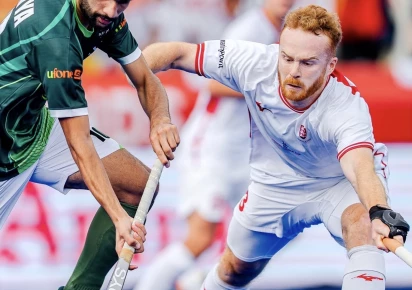
The plan comes at a difficult time for Pakistan hockey. The national team’s defeat against England in its opening match of the 2026 FIH Men’s Hockey World Cup has once again raised questions about the sport’s decline and the team’s ability to compete with the world’s leading sides.
Wani said the federation wanted to move away from short-term decisions and instead build a sustainable system that could continuously produce quality players.
“Our priority is not just to win one tournament but to rebuild the entire hockey ecosystem,” he said.
Under the proposed system, young players would progress through school, district, provincial and national competitions before entering the senior setup. The PHF says the pathway will be based on merit, allowing talented players to rise through the ranks regardless of their background.
The federation also plans to draw lessons from successful hockey systems in the Netherlands, Belgium, Germany and India. Greater emphasis will be placed on modern coaching, professional training methods and improved infrastructure.
A major target is to increase the number of astro-turf facilities across Pakistan from the existing 52 to 100 within five years. The proposed facilities would not merely provide playing surfaces but also host coaching programmes, competitions and dedicated initiatives for women’s hockey.
Coaching is another key part of the roadmap. Local coaches are expected to receive advanced training with the assistance of foreign experts, while the national side would be given greater international exposure through overseas tours and visits by foreign teams to Pakistan.
The PHF also intends to improve financial incentives for players and provide clearer career opportunities, an important step toward encouraging talented youngsters to choose hockey as a long-term profession.
The roadmap envisages grassroots and infrastructure development during the first year, stronger academies and coaching programmes in the second, followed by a performance review in the third year.
Wani stressed that restoring Pakistan hockey would require sustained cooperation from governments, stakeholders and the public.
The challenge is formidable, but the PHF hopes its long-term approach can turn Pakistan’s once-dominant hockey tradition into a competitive future rather than another chapter of sporting nostalgia.