russian missile enters
|

Russian missile enters polish airspace, NATO jets put on alert

A Russian missile reportedly entered Polish airspace and exploded after crossing into the territory, prompting NATO and Polish forces to quickly deploy fighter jets and other surveillance aircraft.

According to international media reports, the missile entered Polish airspace early Thursday as part of a large-scale Russian overnight attack on Ukraine involving ballistic missiles and drones. The wider strikes reportedly killed around eight civilians, including children, and injured more than 50 others.

NATO officials said that allied forces immediately responded after detecting the unidentified object. Poland and other NATO members scrambled F-16 fighter jets, an aerial refueling aircraft and an early warning and surveillance plane to monitor the situation and protect allied airspace.

A NATO spokesperson said the alliance would continue taking all necessary measures to safeguard its territory and maintain the security of its member states.

Polish authorities reported that the missile exploded near the eastern village of Taranawa-Kolonia, leaving a large crater at the site. Officials said the incident caused no casualties or significant property damage.

The incident has nevertheless raised fresh concerns over the potential expansion of the Russia-Ukraine war beyond Ukraine’s borders. European countries have repeatedly warned that continued attacks could increase the risk of the conflict spilling into NATO territory.

The latest development is also likely to intensify tensions between Russia and NATO, particularly as Poland remains a key member of the alliance and a major logistical hub for international support to Ukraine. NATO has previously reinforced its eastern flank in response to security threats linked to the ongoing war.
Similar Posts

  • | | |

    Iran says Hormuz cannot be seized by ‘tweet or w…

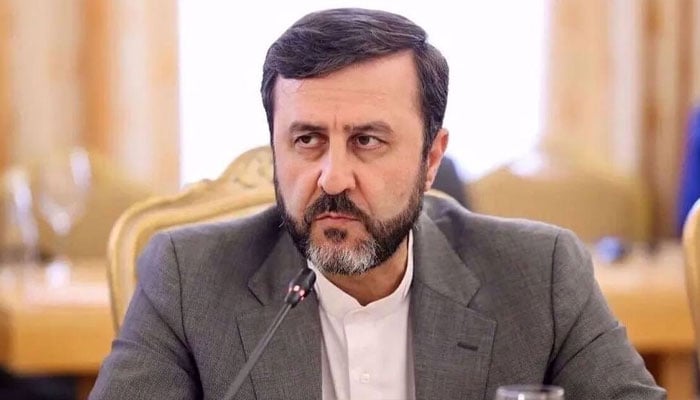
    Iran has rejected US threats over the strategically vital Strait of Hormuz, with Deputy Foreign Minister Kazem Gharibabadi declaring that the waterway cannot be taken over through a presidential order, social media post, aircraft carrier or election speech. Gharibabadi’s remarks came after US President Donald Trump threatened to declare the Strait of Hormuz US territory, according to Iranian media reports. The comments have added another layer of tension to an already volatile confrontation between Washington and Tehran. Writing on X, Gharibabadi said the strategic waterway could not be brought under American control through political statements or military pressure. He argued that decisions concerning the strait remained in Iran’s hands. “The Strait of Hormuz was, is and will remain Iranian,” Gharibabadi said, stressing that Tehran would determine when the passage could be opened or closed. The deputy foreign minister also said Iran was not intimidated by American threats and would continue its blockade until Washington acknowledged what he described as its “strategic defeats” and abandoned what he called unrealistic expectations. Trump has separately warned that he could soon announce plans to designate the Strait of Hormuz as US territory. His reported comments have intensified concerns over the future of one of the world’s most important energy corridors. The Strait of Hormuz connects the Persian Gulf with the Gulf of Oman and the wider Arabian Sea. A major disruption to traffic through the narrow waterway could have significant consequences for global energy markets because substantial volumes of oil and gas pass through it. Iran’s latest statement therefore carries significance far beyond its dispute with Washington. Any prolonged confrontation around the strait could affect commercial shipping, energy supplies and international markets. The exchange of threats also highlights the broader strategic struggle between Iran and the United States, with both sides showing little sign of backing down. For Tehran, the message is clear: control of Hormuz is being presented as a matter of sovereignty and national security, while Washington’s threats are being dismissed as insufficient to alter Iran’s position.

  • |

    Two more air India pilots fail initial drug tests

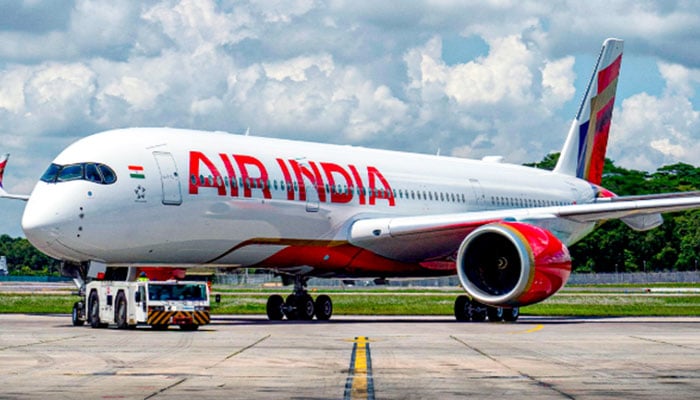
      Two more Air India pilots have failed preliminary drug screening following the incident involving an Air India flight from Phuket to Delhi. The airline has temporarily removed both pilots from flying duties while authorities await the results of their final tests. According to Indian media reports, Air India decided to conduct drug screening for all its pilots after the incident. More than 300 pilots have undergone testing so far, with final results generally taking between 24 and 48 hours. The captain of the Phuket-to-Delhi flight also failed two drug-related tests conducted after the aircraft landed. Subsequent testing reportedly detected cannabis in the pilot’s system. Indian media have also reported that a flight attendant complained that the captain had allegedly used cannabis before the flight. The development has raised further questions about safety procedures and pilot fitness at Air India. The airline is now reviewing the results of the wider testing campaign as it seeks to determine whether any other crew members may have violated aviation safety regulations. The Phuket-Delhi flight involved an Airbus A320neo that reportedly experienced a sudden loss of altitude during the journey. The aircraft dropped by around 300 feet before recovering, prompting concerns among passengers and crew. Officials initially described the incident as turbulence. However, detailed information from the aircraft’s systems later prompted closer scrutiny of what happened during the flight and raised questions about possible technical issues as well as the captain’s conduct. Air India has yet to receive the final laboratory results for the two newly identified pilots. Until those results arrive, the airline has kept both pilots off flight operations as a precautionary measure.

  • |

    Toxic gas leak kills eight at Bangladesh shipyard

    At least eight workers were killed and five others were reported missing after toxic gas leaked from a vessel at a shipbreaking yard in Bangladesh on Friday. The incident occurred at the Ferdous Steel Shipbreaking Yard and Recycling Factory in Chittagong, a major hub for ship dismantling on the country’s southeastern coast. Witnesses said they heard cries from inside the facility before fellow workers rushed several affected employees to nearby hospitals. Police said eight people had died while a search operation was underway for those still unaccounted for. Authorities have formed an investigation committee to determine the cause of the accident and ordered a safety audit of the shipbreaking facility. Officials said the vessel involved had previously been used to transport liquefied natural gas. Although the yard was reportedly classified as a compliant facility, fire service officials raised concerns about whether proper safety procedures had been followed before dismantling work began. According to fire service officials, vessels must be completely cleared of hazardous gases before workers begin cutting them apart. They said workers who were closest to the gas leak died, while others farther from the affected area survived. Firefighters recovered three bodies from the site and rescued several workers who were found unconscious. The injured were transported to hospitals for treatment. The shipbreaking industry along Chittagong’s coast stretches for around 25 kilometres and provides employment to tens of thousands of people. Bangladesh is one of the world’s major shipbreaking centres, but the industry has repeatedly faced criticism over workplace safety, labour conditions and environmental risks. One of the workers killed in the accident was identified as Palash Jaladas. His family was left devastated by the tragedy, with relatives saying his wife, Bhoumika Jaladas, is eight months pregnant.

  • |

    Michigan cyclosporiasis outbreak grows as health officials expand investigation

    Michigan has reported a sharp increase in cases of cyclosporiasis as health authorities continue to monitor one of the largest outbreaks of the intestinal illness in recent years. According to the latest update from the state’s health department, the total number of reported cases has climbed to 9,253, an increase of 1,077 infections since the previous report issued on Friday. The outbreak has led to 160 hospitalizations across the state. However, officials said no deaths have been recorded so far. Public health authorities are continuing to track new infections while working with federal agencies to identify the source of the outbreak and prevent additional cases. Cyclosporiasis is an intestinal illness caused by the Cyclospora parasite. People usually become infected after consuming food or water contaminated with human waste. Raw fruits and vegetables are among the most common sources of infection because they are often eaten without cooking, allowing the parasite to survive if proper food safety measures are not followed. The outbreak in Michigan is part of a wider public health concern affecting several states across the United States. Federal data show that 4,173 laboratory confirmed domestic cases have been recorded nationwide. In addition, the Centers for Disease Control and Prevention is reviewing more than 7,400 suspected cases that have not yet been confirmed through laboratory testing. Many of these reports have come from Michigan and neighboring Ohio. The US Food and Drug Administration and the CDC have expanded their joint investigation after identifying additional infections in four more states. Health officials are focusing on a possible link between the outbreak and shredded iceberg lettuce imported from central Mexico. The investigation now includes cases reported in Illinois, Indiana, Kansas, Kentucky, Michigan, Ohio, Oklahoma, Pennsylvania and West Virginia. Authorities are examining distribution records and supply chains to determine how contaminated produce may have reached consumers in different parts of the country. According to the FDA, epidemiological data collected by the CDC indicate that 1,947 people infected with the Cyclospora parasite had eaten food from Taco Bell restaurants before becoming ill. Investigators believe many of those infections may be connected to shredded iceberg lettuce supplied by Taylor Farms and served at Taco Bell locations. However, officials say the investigation is still ongoing and a final conclusion has not yet been reached. Health experts have reported cases of cyclosporiasis in at least 41 states this year, although not all infections are believed to be related to the current outbreak. Investigators are continuing to determine which cases are connected to the suspected contaminated lettuce and which may have originated from other sources. Symptoms of cyclosporiasis often include prolonged diarrhea, stomach cramps, nausea, fatigue and loss of appetite. While most people recover with appropriate treatment, the illness can be more serious for older adults and people with weakened immune systems. Health authorities continue to advise consumers to follow food safety practices and remain alert for symptoms as the investigation into the outbreak continues.

  • | |

    Trump warns Iran backers of economic punishment

    US President Donald Trump has warned that countries providing an economic “lifeline” to Iran could face financial penalties as Washington steps up pressure on Tehran. Trump has also announced what he described as an “economic D-Day” against Iran as part of his broader campaign to weaken the country’s economy and force changes in its policies. The latest threat reflects Trump’s continued reliance on US economic power as a key foreign policy tool. His administration has increasingly used tariffs, sanctions and other financial measures to pressure countries and governments that Washington believes support US rivals or undermine its strategic objectives. Analysts, however, question whether the strategy can deliver the same results against Iran as it has in cases where the United States enjoys greater cooperation from other major economies. Iran maintains important economic ties with China and Russia, two countries that have strong reasons to resist US pressure. Russia already faces extensive American sanctions and has significantly reduced its dependence on the US-led global financial system. As a result, additional US economic pressure may have a limited impact on Moscow’s willingness to maintain trade and other economic relations with Tehran. China could present an even greater challenge for Washington. Beijing has repeatedly shown that it is prepared to resist or work around US sanctions when its own economic and strategic interests are at stake. China remains one of Iran’s most important trading partners, particularly in the energy sector, making Beijing a key factor in any US effort to isolate Tehran economically. Paul Musgrave, an associate professor of government at Georgetown University in Qatar, told Arab media that Trump would face significant difficulties in making his pressure campaign fully effective. Musgrave said Trump was attempting to impose a coordinated sanctions regime largely through unilateral US pressure, even though such efforts have traditionally depended on cooperation from multiple countries. He noted that an effective international campaign would require support from major powers, including China and Russia, as well as cooperation among the five permanent members of the United Nations Security Council. Trump said in a post on his social media platform, Truth Social, on Tuesday that his campaign against Iran would become one of the most devastating economic operations ever directed against a country. The statement signals a major escalation in Washington’s economic pressure on Tehran. Trump’s administration appears determined to use America’s financial influence, access to global markets and trade relationships to make it increasingly difficult for Iran to maintain its international economic ties. However, experts warn that the strategy could also create significant economic consequences beyond Iran. If Washington threatens countries that continue trading with Tehran, those governments could face a difficult choice between maintaining their economic interests and avoiding US penalties. The effectiveness of Trump’s strategy will largely depend on whether Washington can convince major trading partners to cooperate. China and Russia are likely to remain the biggest obstacles, particularly if they view continued economic engagement with Iran as important to their own strategic interests. The latest move also comes after a series of contentious trade battles during Trump’s second presidential term, highlighting his continued preference for economic pressure as a means of pursuing foreign policy goals. Whether the approach can isolate Iran without triggering further tensions with major global powers remains uncertain.

  • | | | |

    Pezeshkian says ‘now is the best time’ for Ira…

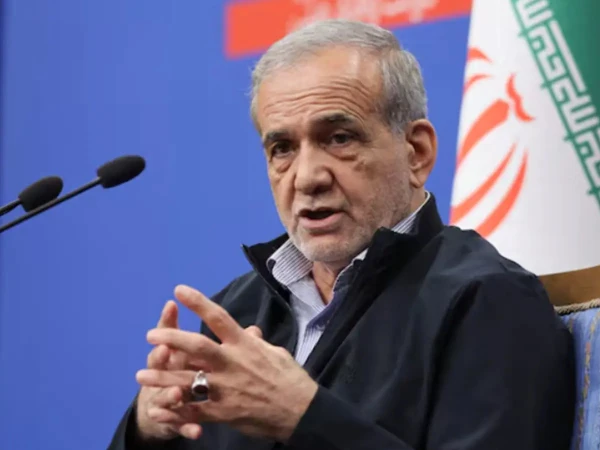
    TEHRAN: Iranian President Masoud Pezeshkian has described the current moment as the “best time” for reaching an agreement with the United States, while making clear that Tehran’s broader policy toward Washington has not changed. Speaking to media representatives in Tehran on Sunday, Pezeshkian said the United States had been pushed toward negotiations and reconciliation with Iran, describing the development as a success for Tehran’s diplomacy. His comments come amid heightened tensions between Iran and the United States and growing international efforts to find a diplomatic way out of the crisis. Pezeshkian suggested that the present circumstances could provide an opportunity to move toward an agreement if Washington was prepared to meet its commitments. The Iranian president accused the United States of failing to implement understandings reflected in an Islamabad memorandum and points jointly prepared by Iran and Oman. According to Pezeshkian, Washington’s failure to follow through on those commitments forced Tehran to respond. He said Iran had established a special team to deal with the crisis and that the group was continuing its work. “We are hopeful that Iran will move forward with dignity, determination and pride,” Pezeshkian said, stressing that Tehran would continue to protect what it considers its national interests. Despite signaling openness to negotiations, Pezeshkian adopted a tough tone toward Washington. He described the United States as a “criminal” and “colonial” power and insisted that Iran’s policy toward Washington remained unchanged. The president also warned against what he portrayed as attempts by the United States and Israel to weaken Iran from within. According to Pezeshkian, military pressure and war had failed to force Tehran into submission. He argued that Washington and Israel could now seek to exploit divisions within Iranian society by encouraging internal disputes. Pezeshkian urged Iranians to remain alert to what he described as such efforts, emphasizing that national unity was particularly important at the current stage. He called on the Iranian public to stand together to safeguard the country’s security and defence capabilities. The remarks underline the delicate balance in Tehran’s position: Iran appears willing to explore diplomacy while simultaneously maintaining its longstanding opposition to Washington’s policies. Pezeshkian’s comments could therefore signal a possible opening for renewed diplomatic engagement, but any breakthrough is likely to depend on whether Iran and the United States can overcome deep mistrust and resolve disagreements over previous commitments. For now, Tehran’s message is clear: the door to negotiations may be open, but Iran says it will enter those talks from a position of dignity, national unity and strength.

Leave a Reply

Your email address will not be published. Required fields are marked *