delhi pushes electric
|

Delhi pushes electric vehicle drive to tackle worsening air pollution

Delhi has launched one of India’s boldest electric vehicle plans as authorities step up efforts to reduce dangerous air pollution in the capital. The new policy, introduced on July 1, aims to ensure that most newly registered vehicles in the city are electric by 2027. Officials believe the move will improve air quality and reduce harmful emissions, although experts say its success will depend on expanding charging facilities and strengthening the electricity network.

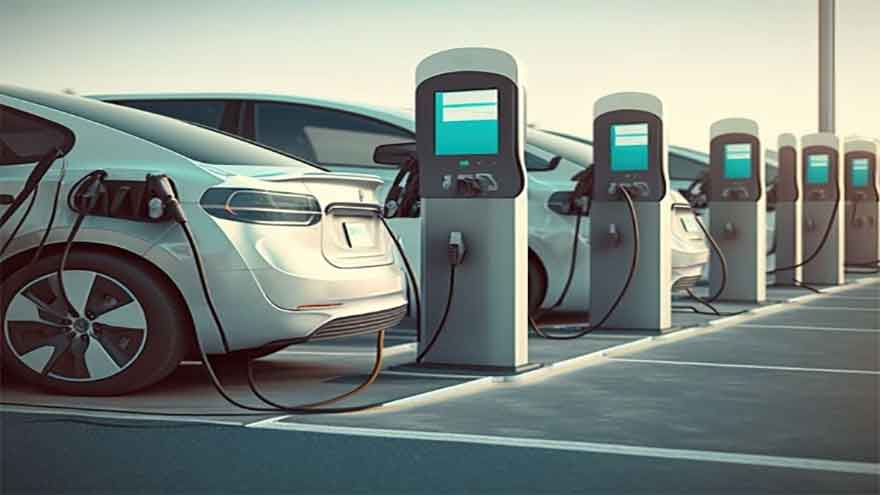
Across several parts of Delhi, electric vehicle charging stations are becoming increasingly busy as more residents switch to battery powered scooters, cars and commercial vehicles. Even so, many drivers say the city still lacks enough charging points to support widespread use. Shyam Singh, who uses an electric scooter for work, said the existing infrastructure is not sufficient, especially for people who travel long distances. He explained that limited battery range and the shortage of charging stations remain major concerns for potential buyers.

Under the new policy, existing petrol and diesel vehicles will not be banned, but the government expects their numbers to decline over time as electric vehicles become more common. Buyers will receive financial incentives including subsidies, exemptions from registration fees and some road taxes. People who scrap older fuel powered vehicles will also qualify for additional cash rewards. Authorities estimate the policy will cost around 150 billion rupees and is designed to encourage faster adoption of cleaner transport across the city.

The plan focuses heavily on two and three wheelers, which make up nearly 70 percent of vehicles on Delhi’s roads. From 2027, all newly registered three wheelers and small commercial trucks must be electric. The same requirement will apply to newly registered two wheelers from the following year. Larger passenger cars and heavy vehicles running on conventional fuels will still be allowed for now.

Electric vehicles currently account for only about five percent of the nearly 8.7 million vehicles registered in Delhi. However, registrations have grown steadily over the past year, with more than 100,000 new electric vehicles added, most of them scooters and auto rickshaws. Experts say the latest policy sends a clear signal that the city is committed to reducing dependence on fossil fuel powered transport.

Energy specialists have described Delhi’s strategy as one of the most ambitious electric vehicle policies introduced by any Indian state. Jaideep Saraswat of the Vasudha Foundation said the firm deadlines make it clear that the transition to electric transport is unavoidable. He believes the policy will encourage both manufacturers and consumers to prepare for a future where electric vehicles dominate the market.

Delhi has struggled with severe air pollution for years, particularly during winter when smog often reaches hazardous levels. The city regularly experiences school closures, restrictions on construction and emergency health measures because of poor air quality. Vehicles contribute around one quarter of pollution across the National Capital Region, while two and three wheelers alone account for almost half of transport related emissions within the city.

Analysts say Delhi has already taken important steps toward cleaner transport in the past, including shifting many public vehicles to compressed natural gas. According to energy experts, electric vehicles represented around 12.7 percent of new vehicle sales in Delhi during the 2026 financial year, compared with the national average of 8.3 percent. They believe the latest policy builds on that progress by linking financial incentives with strict registration deadlines for conventional vehicles.

Despite the optimism, several challenges remain. Some residents are still hesitant to switch because they worry about battery life, charging convenience and the effect of seasonal flooding on electric vehicles. Others believe more advanced and affordable models will become available in the coming years, making it worthwhile to delay their purchase.

Experts also stress that expanding charging infrastructure is only part of the solution. Delhi must increase the use of renewable energy to power electric vehicles and modernize its electricity grid to handle rising demand. Fast charging stations, battery storage systems and better electricity management will all be necessary to support large scale adoption. Specialists also believe cooperation with neighboring states will be essential to reduce emissions from the wider power network and create a cleaner transport system for the entire region.

Similar Posts

  • | | | | |

    Trump claims Iran war could end soon, Hormuz to re…

    WASHINGTON: US President Donald Trump has claimed that the war with Iran could come to an end soon, while negotiations are reportedly continuing over the future of the conflict and the reopening of the strategically vital Strait of Hormuz. Trump said the United States, Iran and Oman were close to reaching a temporary agreement aimed at reopening the key maritime passage. His remarks offered a potentially hopeful signal after weeks of heightened tensions and disruption in the region. The US president also dismissed reports that the conflict had significantly depleted American weapons stocks, insisting there was no truth to such claims. Trump further rejected reports of disagreements or growing tensions with US Defence Secretary Pete Hegseth, playing down speculation about friction within his administration over the handling of the war. However, the picture on the diplomatic front remains uncertain. Arab media reports have claimed that efforts to broker a ceasefire between the United States, Israel and Iran have stalled, highlighting the difficulties surrounding a possible breakthrough. At the same time, Iranian authorities have reportedly tightened internal security measures across the country, particularly in Tehran, as uncertainty over the conflict continues. The Strait of Hormuz remains central to the crisis because of its importance to global energy supplies and international shipping. Any agreement that restores normal traffic through the waterway could ease pressure on regional markets and provide a significant boost to wider diplomatic efforts. For now, Trump’s prediction of a quick end to the war contrasts with reports suggesting that major obstacles still remain before a lasting ceasefire can be secured.

  • | |

    Pakistan, allies condemn Israeli actions in Gaza

    Pakistan and seven Muslim-majority countries have jointly condemned Israel’s ongoing military actions in the Gaza Strip, describing attacks on civilians, healthcare facilities and essential infrastructure as serious violations of international law. In a joint statement released on Thursday, the foreign ministers of Pakistan, Egypt, Türkiye, Indonesia, Jordan, Qatar, Saudi Arabia and the United Arab Emirates expressed strong concern over the worsening humanitarian situation in Gaza. They said continued attacks on hospitals, medical personnel and civilian infrastructure, along with the mounting civilian death toll, particularly among women and children, represent grave breaches of international humanitarian law. The ministers warned that the ongoing violence undermines efforts to implement the next phase of the proposed peace roadmap and risks worsening instability across the region. They stressed that the protection of civilians, medical workers and humanitarian operations must remain a priority under international law, calling for unrestricted delivery of food, medicine and emergency aid throughout Gaza. The joint declaration also linked the situation in Gaza with developments in the occupied West Bank, citing settlement expansion, attacks by settlers and measures affecting East Jerusalem. According to the ministers, these actions weaken the prospects for a two-state solution and further erode the rights of the Palestinian people. The eight countries urged the international community, particularly the United Nations Security Council, to take effective steps to ensure compliance with international law and hold those responsible for violations accountable. They said greater international action is needed to protect civilians, support humanitarian efforts and help secure a lasting ceasefire. The ministers also rejected any attempt to annex occupied Palestinian territories, impose Israeli sovereignty over them or forcibly displace Palestinians from their homeland. They reiterated that lasting peace can only be achieved through a credible political process leading to the establishment of an independent and sovereign Palestinian state based on the 1967 borders, with East Jerusalem as its capital. The statement comes as violence continues in Gaza despite ceasefire efforts. Recent airstrikes have caused further casualties, while negotiations over a US-backed roadmap remain stalled.

  • | |

    Mir Raza Murder case takes new turn as police prep…

    The investigation into the murder of young Karachi resident Mir Raza has taken a significant turn after investigators prepared a list of 10 people who had allegedly lent money to the deceased. According to investigative sources cited by Express News, Mir Raza had borrowed more than Rs50 million (Rs5 crore) from the 10 individuals. Investigators have decided to question the people on the list as part of efforts to determine whether the victim’s financial dealings were connected to his death. The details obtained by Express News show that one lender, identified as Abid, had allegedly given Mir Raza more than Rs17.5 million (Rs1.75 crore). Another individual, identified as Muni, had reportedly lent him Rs500,000 (Rs5 lakh). Authorities have compiled the financial information concerning all 10 lenders and are expected to question them about their dealings with Mir Raza, including the nature of the loans, outstanding amounts and their last interactions with the deceased. The financial trail has emerged as an important part of the investigation following questions surrounding Mir Raza’s death. His body was recovered from Gulistan-e-Johar on July 29, 2026. The death was initially allegedly presented as a suicide, but concerns were later raised following protests and observations by the police surgeon. On August 8, the body was exhumed for a fresh medical examination. An eight-member medical board subsequently prepared a report detailing its findings about the cause of death. Following the medical team’s report, the government changed the investigation team. A new team was formed under the leadership of Aamir Farooqi. Two additional members were also included in the team following a request submitted by Mir Raza’s parents and lawyer. The latest development indicates that investigators are now examining not only the circumstances surrounding Mir Raza’s death but also his financial relationships and outstanding debts. Questioning the 10 lenders could help investigators establish whether any financial dispute, pressure or other connection may have played a role in the case. However, the identities of most of the lenders and the exact amounts allegedly owed to each person have not been publicly disclosed in the available report. The investigation remains ongoing, and the financial information alone does not establish that any lender was involved in Mir Raza’s death.

  • | |

    Jamaat-e-Islami announces 15-day protest against p…

    Jamaat-e-Islami (JI) has announced a sit-in outside the Governor House in Sindh today against the government’s decision not to reduce the petroleum levy. The party has also prepared a 15-day schedule for the protest campaign. JI chief Hafiz Naeemur Rehman said an increase in petroleum product prices leads to higher costs across the country and puts additional pressure on ordinary citizens. He criticised what he described as an unequal tax system, saying the country’s elite class was not paying its fair share of taxes while poor people continued to struggle with rising expenses. Naeemur Rehman also alleged that privileged groups enjoyed various benefits without paying their due share, while taxes were not being properly collected from the incomes of owners of independent power producers (IPPs). Meanwhile, JI Karachi chief Munim Zafar said the government had already collected around Rs100 billion more than its targeted revenue from the petroleum levy. He accused the government of turning the petroleum levy into a major source of revenue after failing to achieve its broader tax collection targets. The JI has also announced a protest sit-in in Lahore against the petroleum levy. The demonstration will be held at Charing Cross on The Mall. The party has been demanding a reduction in the petroleum levy, arguing that lower fuel-related charges could help ease inflationary pressure on households and businesses. JI leaders said their protests would continue until the government addressed their concerns and provided relief to citizens facing rising living costs.

  • |

    Modi vows tough punishment as exam leak protests intensify

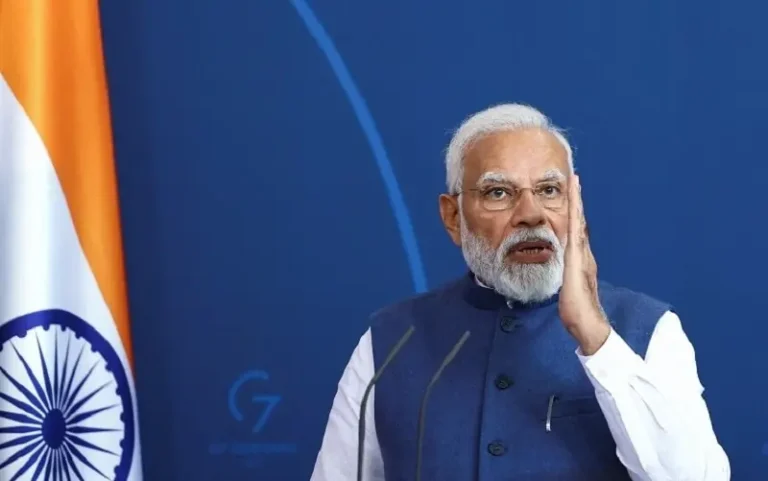
    Indian Prime Minister Narendra Modi has promised strict action against those involved in examination paper leak scandals, making his first public comments since nationwide student protests erupted over alleged irregularities in the country’s examination system. In a statement shared on social media, Modi said the future and welfare of India’s youth were of the highest importance. He assured students that the government would take firm action against those responsible for examination fraud and announced plans to establish fast-track courts to ensure speedy trials in paper leak cases. The prime minister said no one would be allowed to jeopardise the future of young people for personal gain. He pledged that all those found guilty of manipulating examinations or leaking question papers would face strict legal consequences. His statement came after thousands of students and young people gathered in New Delhi to protest against repeated examination paper leaks and demand greater transparency in the education system. Demonstrators have also been calling for the resignation of the country’s education minister, accusing the government of failing to prevent repeated examination scandals. The protests have been organised by the Cockroach Janta Party (CJP), a movement that emerged through social media and has rapidly gained support among students and young voters across India. Initially launched as a satirical online campaign, the movement has expanded into a nationwide platform highlighting concerns over examination fraud, unemployment, and opportunities for young people. Tensions escalated earlier this week when large crowds attempted to march towards Parliament during the opening of the monsoon session. Police stopped the protesters by using tear gas and baton charges to disperse the crowds. Clashes later broke out after some demonstrators threw stones at security personnel, resulting in injuries on both sides. According to official figures, at least 178 people, including police officers and security personnel, were injured during the violence. Several protesters also sustained injuries as confrontations continued in different parts of the capital. The latest demonstrations are among the largest youth-led protests seen in New Delhi in recent years. The movement has drawn widespread public attention and increased pressure on the government to restore confidence in India’s examination system. Public anger has grown following a series of examination controversies across the country. One of the biggest scandals involved the leak of a national medical entrance examination paper, forcing more than two million candidates to retake the test. Another controversy related to the online evaluation of high school examinations involving nearly two million students has further raised concerns about fairness and transparency. Students argue that repeated paper leaks are destroying merit and reducing confidence in the education system. Many believe honest candidates are being unfairly affected by corruption and poor oversight in the examination process.

  • | |

    Abdul Rehman Brahui wins Pakistan’s 2025 kam…

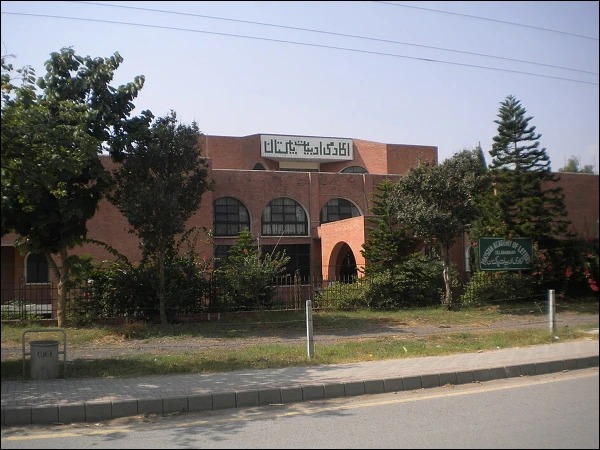
    The Pakistan Academy of Letters (PAL) has announced that renowned Brahui writer and poet Abdul Rehman Brahui will receive the 2025 Kamal-e-Fun Award, the country’s highest literary honor. The decision was announced by PAL Chairperson Professor Dr. Najeeba Arif following a meeting of the academy’s award committee in Islamabad. The Kamal-e-Fun Award recognizes a lifetime of outstanding literary contributions and carries a cash prize of Rs1 million. Abdul Rehman Brahui was selected by a distinguished panel of literary scholars, critics, and writers from across Pakistan, who acknowledged his remarkable services to Brahui literature and his lasting impact on the country’s literary landscape. Speaking at the announcement, Dr. Najeeba Arif congratulated Abdul Rehman Brahui and the people of Balochistan, describing the award as a tribute to his lifelong dedication to literature. She reaffirmed the academy’s commitment to promoting all Pakistani languages and ensuring equal recognition for regional literary traditions. The award committee was chaired by noted literary figure Munir Ahmed Badini, who praised Abdul Rehman Brahui’s exceptional contributions to Brahui language and literature. He stated that the recipient’s work has enriched not only Brahui literature but also Pakistan’s diverse literary heritage. Badini also appreciated the Pakistan Academy of Letters for maintaining transparency, merit, and fairness in the selection process. Alongside the Kamal-e-Fun Award, the academy also announced the recipients of the 2025 National Literary Awards in various categories, including Urdu, Punjabi, Sindhi, Pashto, Balochi, Saraiki, Brahui, Hindko, English, and translation. Among the notable winners were Akhlaq Ahmed for Urdu fiction, Muhammad Izhar-ul-Haq for Urdu non-fiction, Sajid Siddiq Nizami for literary criticism, and Ghulam Hussain Sajid for Urdu poetry. The Pakistan Academy of Letters confirmed that every author whose book has been selected for a National Literary Award will receive a cash prize of Rs200,000. These awards celebrate excellence in creative writing, poetry, research, criticism, translation, and prose across Pakistan’s national and regional languages. The announcement highlights the academy’s continued efforts to preserve Pakistan’s rich literary heritage while encouraging writers working in both national and regional languages. By recognizing distinguished authors such as Abdul Rehman Brahui, the Pakistan Academy of Letters aims to promote literary excellence, cultural diversity, and the enduring importance of literature in shaping the country’s intellectual and cultural identity.

Leave a Reply

Your email address will not be published. Required fields are marked *