
water level rises
| |

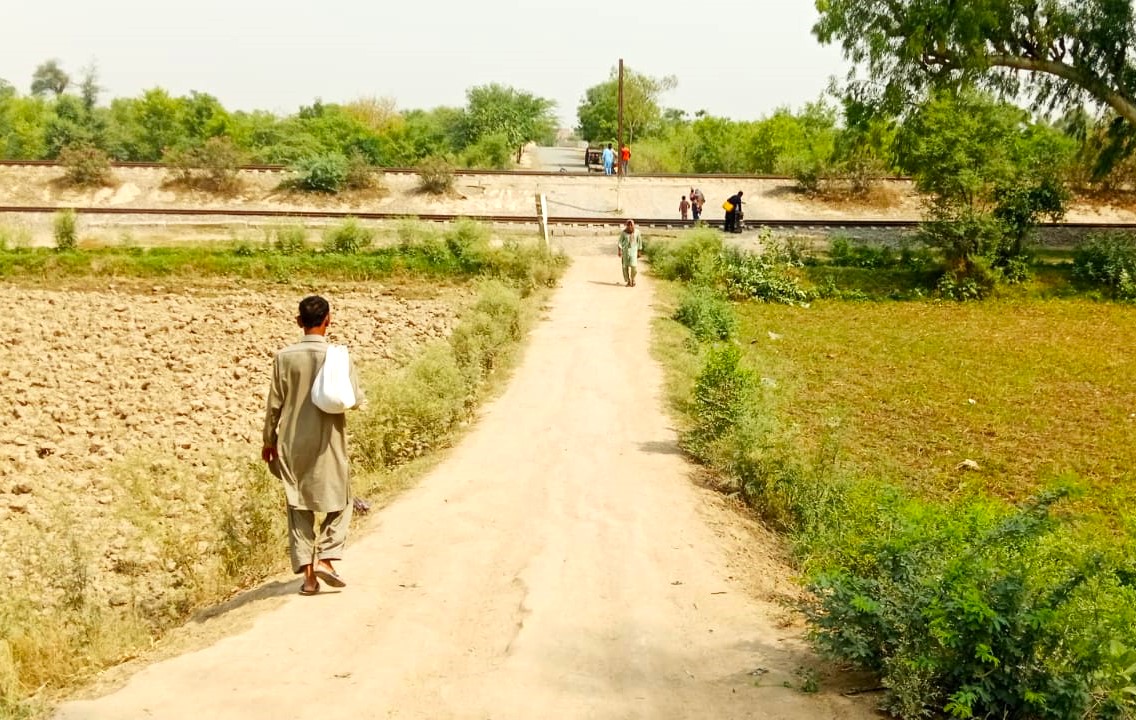
Water level rises in the Chenab river, flooding se…


The Irrigation Department has reported a significant increase in the water flow of the Chenab River, raising concerns about flooding in nearby riverine areas. According to officials, the rising water level has already affected several low-lying settlements, forcing floodwater into residential and agricultural areas and creating difficulties for local communities.

The department stated that the increase in the river’s discharge has caused water to spread into nearby villages located along the banks of the Chenab River. As a result, a protective embankment known as the Zamindara Bund in Jalalpur Pirwala Tehsil has been breached. The collapse of the embankment has allowed floodwater to move more rapidly into surrounding areas, increasing the risk to people, homes, livestock, and crops.

According to the Irrigation Department, at least five villages have been submerged due to the rising floodwaters. Among the affected settlements are Basti Khuda Bakhsh, Basti Allah Rakha, and Basti Bakhsha, along with two other nearby villages. Residents in these areas are facing severe challenges as water continues to enter homes, farmland, and local roads. Many families are concerned about the safety of their property and the possibility of further flooding if water levels continue to rise.

Officials have also reported that water levels have increased in the surroundings of Head Muhammad Wala Road and near Qasim Bela. These areas are being closely monitored as authorities assess the situation and evaluate the potential for additional flooding. The rise in water has affected transportation routes, making travel difficult for residents and increasing the need for precautionary measures.

The Irrigation Department is keeping a close watch on the river’s flow and is expected to continue monitoring the situation in coordination with local administration and disaster management authorities. Residents living in vulnerable riverine areas have been advised to remain alert and follow official instructions. If water levels continue to increase, further evacuations and emergency measures may become necessary to ensure public safety.

Flooding in the Chenab River region is a recurring challenge during the monsoon season, particularly when heavy rainfall upstream leads to a sudden increase in river discharge. Breaches in protective embankments can significantly worsen the situation by allowing water to spread rapidly into populated areas. Such incidents often result in damage to homes, agricultural land, and infrastructure, while also disrupting daily life and economic activities.

Local authorities are expected to assess the extent of the damage once water levels stabilize. Relief efforts may include providing temporary shelter, food, clean drinking water, and medical assistance to affected families. The government and emergency response agencies are likely to continue monitoring weather conditions and river flows to reduce further risks.

The situation remains under observation, and officials have urged residents in flood-prone areas to stay informed through official updates and cooperate with emergency responders. Authorities are working to minimize the impact of the flooding and ensure the safety of communities living along the Chenab River.

Similar Posts

  • | |

    Nawaz Sharif looks beyond AJK: PML-N’s next poli…

    The Pakistan Muslim League-Nawaz’s victory in the Azad Jammu and Kashmir elections is more than another electoral success. It marks the return of Nawaz Sharif as the party’s undisputed political strategist and sends a clear message that his sights are now set far beyond AJK—towards the next general elections. For months, political observers questioned whether Nawaz Sharif would ever resume an active leadership role. His recent engagement has answered that question decisively. From personally chairing meetings in Murree with party ticket holders to spearheading the election campaign, Nawaz Sharif demonstrated that he remains the final authority within PML-N. The AJK result carries political significance because it is the first major electoral victory under his renewed leadership. It has strengthened his position within the party while boosting the morale of PML-N workers who have long awaited his full return to frontline politics. One defining feature of Nawaz Sharif’s political career has been his ability to think several moves ahead. Those who have closely followed his journey know he rarely makes impulsive decisions. Instead, he carefully plans, builds consensus and prepares the ground long before the political battle begins. Having observed Nawaz Sharif’s politics closely over the past two decades, including during his years in London, I have found that patience and long-term planning remain his greatest political strengths. Today, Nawaz Sharif is supported by two of the strongest pillars within the party. Prime Minister Muhammad Shehbaz Sharif continues to lead the federal government at a time when Pakistan has emerged from severe economic challenges. His government has worked to restore macroeconomic stability, rebuild investor confidence and improve Pakistan’s international standing. Equally important has been his unwavering loyalty to his elder brother. Throughout decades of political highs and lows, Shehbaz Sharif has stood firmly beside Nawaz Sharif, rejecting opportunities that could have divided the party and instead prioritising unity. Alongside him is Punjab Chief Minister Maryam Nawaz Sharif, who has evolved into the party’s most influential leader of the next generation. During PML-N’s years in opposition, she became the face of the party’s resistance, leading rallies, energising workers and keeping the party politically active during its most difficult period. Since assuming office, she has focused on governance, launching development and welfare initiatives that her supporters believe are reshaping Punjab. With Shehbaz Sharif managing the federation and Maryam Nawaz governing Punjab, Nawaz Sharif appears free to concentrate on what has always been his greatest strength—building the party organisation. His meetings with legislators, workers and local leaders suggest that organisational consolidation is now at the heart of his strategy. The AJK campaign may therefore be remembered as the beginning of a much larger political roadmap. Rather than waiting for the next general election to be announced, Nawaz Sharif appears to be rebuilding PML-N from the ground up, strengthening party structures, reconnecting with workers and preparing candidates well in advance. It is a strategy that has defined many of his previous political successes. Critics who predicted the end of Nawaz Sharif’s political career may need to revisit their assumptions. Pakistan’s political history has repeatedly shown that experienced leaders cannot be measured solely by temporary setbacks. Nawaz Sharif has returned before, and each comeback has reshaped the country’s political landscape. The message emerging after the AJK elections is unmistakable: Nawaz Sharif is looking beyond a single electoral victory. His focus is firmly fixed on preparing PML-N for the next national political contest. Whether one agrees with his politics or not, one reality is becoming increasingly clear: Nawaz Sharif is once again thinking several steps ahead. If history is any guide, that is when he has proved to be at his most politically effective.

  • |

    Pakistan prepares for IMF’s $1 billion fifth tranche

    Islamabad: Talks with the International Monetary Fund (IMF) for the release of the next loan tranche are scheduled to take place in Islamabad next month. However, the rising circular debt in the power sector has emerged as a major challenge for the government. According to details, review talks between Pakistan and the International Monetary Fund (IMF) are expected to be held in Pakistan next month. However, the increase in power-sector circular debt has become a significant challenge for the government. Sources said that the power-sector circular debt has exceeded the IMF-set limit by Rs130 billion. The IMF had set a target of keeping the circular debt in the power sector limited to Rs1,600 billion. According to sources, the circular debt increased further due to rising energy prices amid the US-Iran war. During the talks with the IMF, the government will discuss targets related to energy-sector reforms including circular debt in the electricity and gas sectors. Pakistan will also brief the IMF on its progress toward achieving economic reform targets. According to sources, the Prime Minister has directed the economic team to prepare an alternative plan instead of further increasing electricity prices. Pakistan will brief the IMF on the targets set under the structural benchmarks. If the talks are successful, they will pave the way for the release of the fifth tranche under the current loan programme. According to sources, Pakistan could receive approximately $1 billion as the fifth tranche. In addition, Pakistan may receive around $200 million in additional funding to help address losses caused by climate change.

  • |

    OGRA increases petrol, diesel prices again

    Islamabad – The Oil and Gas Regulatory Authority (OGRA) has announced another increase in petroleum prices marking the fourth consecutive day of fuel price hikes and issued new rates for petrol and high-speed diesel. According to an OGRA notification, the price of petrol has been increased by Rs. 4.40 per litre bringing the new price to Rs. 331.52 per litre. Similarly, the price of high-speed diesel (HSD) has been raised by Rs. 3.62 per litre taking the new price to Rs. 378.66 per litre. The notification states that the revised prices will come into effect from 12:00 a.m. on the night between July 23 and July 24 after which fuel stations across the country will charge customers according to the new rates. OGRA said the price adjustment was made after taking into account global crude oil prices, import costs and other relevant market factors. The continued increase in petroleum prices is expected to raise transportation costs which could in turn push up the prices of essential commodities. Members of the public and the business community have expressed concern over the repeated increases and urged the government to take effective measures to stabilize fuel prices. It is worth noting that this is the fourth consecutive day that OGRA has increased petroleum prices resulting in a significant rise in fuel costs over the past several days.

  • | |

    Talal Chaudhry hits back at Bilawal over AJK polls

    Islamabad: Minister of State for Interior Talal Chaudhry has criticized PPP Chairman Bilawal Bhutto Zardari over his reaction to the Azad Jammu and Kashmir elections, saying political leaders should accept electoral outcomes with grace instead of complaining after defeat. Speaking at the PML-N’s election review meeting for Poonch Division, Chaudhry said the party’s victories in the first two phases of the AJK local elections reflect the confidence Kashmiris have in the performance of the federal and Punjab governments. He claimed voters supported the PML-N because of its governance and development record, adding that people across Pakistan aspire to the same level of progress achieved in Punjab. The meeting was attended by district and constituency coordinators, along with PML-N candidates from Poonch Division, where party leaders also reviewed campaign preparations and polling strategy for the third phase of the elections.

  • | |

    Pakistan monsoon death toll hits 110

    The death toll from monsoon rains, flash floods and landslides across Pakistan has risen to 110, according to the National Disaster Management Authority (NDMA). The authority said 360 people have been injured in rain-related incidents since June 26. Nearly 800 houses have also been damaged across the country. Most fatalities have been reported in Khyber Pakhtunkhwa, followed by Punjab. Several areas have also faced flooding and damage caused by heavy rainfall. The NDMA briefed Prime Minister Shehbaz Sharif on the latest situation. The authority warned that northern parts of the country could face more flash floods and glacial lake outburst floods in the coming weeks. Rapidly melting glaciers have increased the risk in mountainous areas. Authorities have been asked to remain prepared for sudden flooding and other weather-related emergencies. Prime Minister Shehbaz directed officials to use all available resources to protect lives and property. He also stressed the importance of early warning systems and timely emergency measures. The Pakistan Meteorological Department has forecast another strong monsoon spell from July 29. The system is expected to affect Islamabad, upper Punjab, Khyber Pakhtunkhwa, Azad Kashmir and Gilgit-Baltistan. The upper catchment areas of major rivers may also receive heavy rainfall. The weather system is expected to continue until August 5. The weather department has warned of possible urban flooding. Rising water levels in rivers, hill streams and nullahs are also expected in vulnerable areas. Authorities have urged residents to remain cautious and follow official warnings during the latest spell of rainfall. Meanwhile, the Punjab Home Department has imposed Section 144 across the province for 60 days. The restrictions ban swimming, bathing and unauthorised boating at various water bodies. Pakistan faces heavy monsoon rainfall every year between late June and September. The season frequently causes flooding, landslides, infrastructure damage and loss of life.

  • | | | |

    Egypt weighs joining Pakistan-Saudi-Türkiye defen…

    CAIRO: Egypt has started a serious review of the possibility of joining the Makkah Joint Defence Agreement between Pakistan, Saudi Arabia and Türkiye. Egyptian Foreign Minister Badr Abdelatty said Cairo has close and strategic relations with all three countries. He said Egypt’s ties with Pakistan, Saudi Arabia and Türkiye extend beyond political cooperation. Abdelatty was asked about Egypt’s possible inclusion in the defence agreement. He said Egypt has been aware of the pact since the beginning. He confirmed that Egyptian state institutions are currently conducting a comprehensive assessment of the agreement. The minister said no final decision has been taken yet. He added that the relevant Egyptian authorities are examining the agreement and its possible implications. Abdelatty stressed that defence agreements involve important commitments. Therefore, Egypt must carefully assess all legal and constitutional aspects before making a decision. He said any possible Egyptian participation would have to comply with the country’s Constitution and existing legal requirements. The review will also consider the responsibilities that could arise from joining the agreement. The development comes days after Pakistan, Saudi Arabia and Türkiye signed the Makkah Joint Defence Agreement. The pact seeks to strengthen defence cooperation among the three countries and enhance their collective security. Under the agreement, an attack against any one of the three countries would be considered an attack against all three. The arrangement has been described as a major step towards closer defence and strategic cooperation.

Leave a Reply

Your email address will not be published. Required fields are marked *