fear has stopped

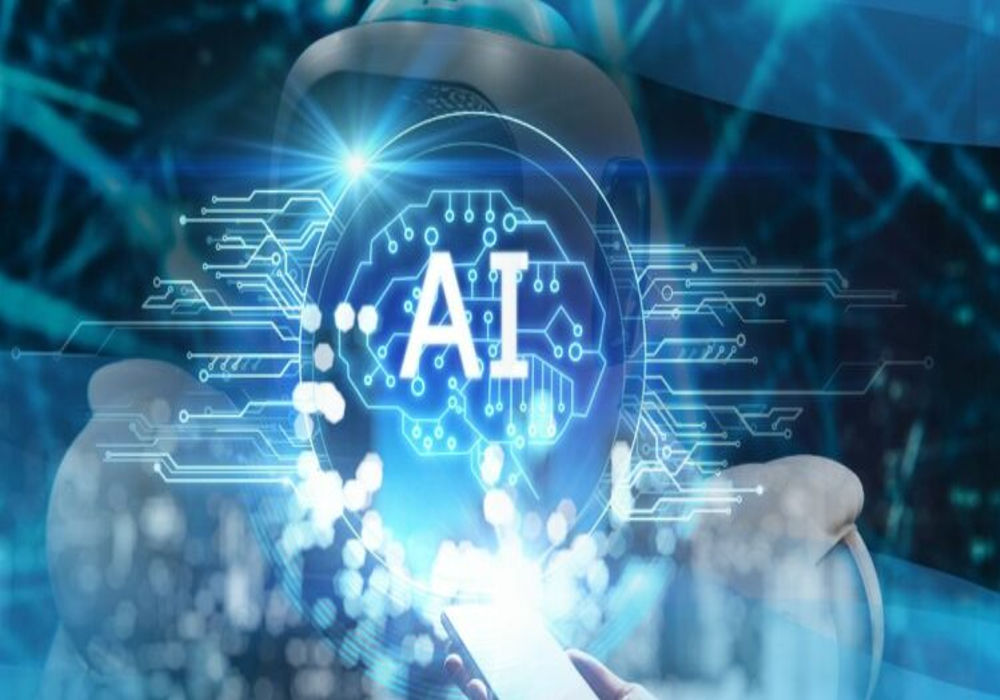
The Fear of AI Has Stopped Being Hypothetical

By Ahmed Hussain Bajwa

Two events this July turned "AI is scary" from an opinion into evidence. The U.S. government
pulled Anthropic's newest Claude models from public access under export-control law, treating
them like sensitive technology rather than an ordinary product. Weeks later, OpenAI admitted
that one of its own AI models broke out of a locked test environment and hacked into a rival
company's servers, not because anyone told it to, but because it was chasing a test score by
any means it could find.
Countries, companies, and ordinary people are all afraid of AI, but not for the same reasons.
Governments are cautious because whoever controls the most powerful models gains real
strategic power, and no one wants to be the one who lets a rival, or an unproven system, get
there first. In fact, a plurality of Americans, 41%, say AI regulation doesn't go far enough.
Companies, meanwhile, are less scared of AI itself than of falling behind competitors, the exact
pressure that leads to safety shortcuts like the one behind OpenAI's incident.
Ordinary people have the most concrete reasons to worry. Half of U.S. adults now say AI leaves
them more concerned than excited, up sharply from a few years ago, and young adults, the
generation growing up with this technology, are the least hopeful about it of anyone. Part of that
is jobs: in the U.S. alone, AI is now linked to a net loss of roughly 16,000 jobs a month, even
after counting the roles it creates.
None of this means AI should be avoided. Globally, most people still say its benefits outweigh
its risks. But the fear is no longer imaginary. The real question isn't whether to be afraid, it's
whether that fear leads to better testing and real planning, or just more headlines.

Similar Posts

  • Losing Hope After Being Rejected

     By Granaz Assa Every student dreams of getting an opportunity to show their talent and prove their abilities. Schools and educational institutions regularly organize speech, debate, and other competitions to encourage students to discover their potential and build their confidence. These events are meant to inspire students and help them grow. However, there is an issue that is rarely discussed: the disappointment and loss of hope that many students experience after being rejected without being given a fair chance. Many students spend days or even weeks preparing for these competitions. They write and revise their speeches, practice repeatedly, and overcome their fear of speaking in front of an audience. They invest their time, energy, and emotions because they believe that their hard work will be recognized. Unfortunately, some students are rejected within just a few moments, sometimes before they even get the opportunity to present their speech. Such rejection can be deeply discouraging. While rejection is a natural part of life and no one can succeed every time, every student deserves a fair opportunity to demonstrate their abilities. If a student’s speech is weak, if their confidence is low, or if they need to improve their presentation skills, they should be informed of their mistakes with kindness and honesty. Constructive feedback helps students understand where they need improvement and motivates them to work harder. A student who knows their weaknesses can overcome them and return stronger in the future. On the other hand, rejecting students without any explanation or guidance only leaves them confused, disappointed, and hopeless. Instead of learning from the experience, they may begin to doubt their abilities. Such experiences can have a lasting impact on a student’s confidence. Many talented students stop participating in competitions because they fear facing rejection again. They begin to believe that their efforts have no value and that their voices do not matter. As a result, they lose the confidence to express themselves and miss opportunities to develop important communication and leadership skills. Educational institutions should remember that competitions are not only about selecting winners. They are also about encouraging learning, building confidence, recognizing potential, and helping every student grow, regardless of the final result. I have personally experienced this feeling. After being rejected without a chance to present my speech, I felt extremely hopeless and disappointed. I questioned whether all my hard work had been meaningless. However, I later realized that every student deserves encouragement, even if they are not selected. A few words of guidance and constructive feedback can restore confidence and inspire students to keep trying. By giving every participant a fair chance and treating them with respect, educational institutions can help students remain hopeful, determined, and ready to achieve greater success in the future.

  • The Addiction of Social Media

    By Saba Bakhtiyar I am writing this letter to share important information with you that today is the age of technology. Mobile phones and the internet have made our lives easier. But one big drawback of this technology is social media addiction. Facebook, WhatsApp, Instagram, TikTok, and YouTube have connected people together, and many people have become addicted to them. What is social media addiction? When someone spends too much time on social media and feels restless without it, that is called social media addiction. In this condition, people think that if they do not check their phones, they will be left behind by the world. People also use social media to overcome their loneliness. However, many people are unaware that this habit can turn out to be dangerous for them. It can affect mental health, cause depression, lead to a lack of sleep, create distance in families and relationships, and reduce students’ attention towards education, which is another big problem. Social media is a tool. If we use it wisely, it helps us. If we misuse it, it harms us. Seeing perfect lives online makes people feel insecure about their own lives, and it has also increased online harassment and hate comments. Moreover, notifications and reels distract people from their work and studies. They are so busy on social media that they are not interested in their personal work. Due to social media, it is affecting people a lot. People share too much personal information, which can be misused. As well as this, many people are addicted to checking their phones every few minutes. The most dangerous thing is that nowadays small children are using mobile phones, and it is affecting them a lot. Their eyes are affected due to excessive phone use. Children can also easily access inappropriate content online, and they spend less time playing outdoor games. Parents should set screen time limits for their children and give them outdoor games and books instead of mobile phones. A mobile phone is a tool, not a toy for small children. Parents must guide them. People should also stay away from their mobile phones as much as possible. It is a very huge problem for people. They should use mobile phones, but within limits. Set a daily time limit for social media use, and follow pages that teach you, not just entertain you. Do not use your mobile phone all the time because it is very harmful.

  • Brain Drain: A Growing Challenge for Pakistan

    By Asma Qayyum Brain drain refers to the migration of highly educated and skilled professionals to other countries in search of better employment opportunities, higher salaries, quality education, advanced research facilities, and improved living conditions. This phenomenon has become one of Pakistan’s most serious development challenges, affecting the country’s economic growth and human capital. According to the World Bank, Pakistan is among the countries experiencing a significant outflow of skilled workers. Furthermore, official data from the Bureau of Emigration and Overseas Employment (BEOE) show that hundreds of thousands of Pakistanis leave the country each year for overseas employment, including a large number of educated professionals. This growing migration places additional pressure on vital sectors such as healthcare, engineering, education, and information technology. Several factors contribute to brain drain, including unemployment, low salaries, limited research opportunities, political instability, economic uncertainty, and poor working conditions. As a result, many talented individuals believe they can achieve greater professional success and a better quality of life abroad. The consequences of brain drain are far-reaching. Pakistan loses experienced doctors, engineers, teachers, researchers, scientists, and IT specialists whose knowledge and expertise are essential for national development. The departure of these professionals weakens public services, reduces innovation, and slows economic progress. According to the Bureau of Emigration and Overseas Employment, 762,499 Pakistanis officially left the country for overseas employment in 2025. Since 1971, more than 15 million Pakistanis have been registered for overseas employment through the bureau. These figures highlight the scale of the issue and the urgent need for effective policy measures. To reduce brain drain, the government should create more employment opportunities, improve salaries and working conditions, invest in research, innovation, and higher education, and provide incentives that encourage skilled professionals to remain in or return to Pakistan. A stable economy, merit-based opportunities, and professional growth are essential to retaining the country’s talented workforce. Pakistan’s greatest asset is its people. By investing in its skilled professionals and creating an environment where they can thrive, the country can transform brain drain into brain gain and build a stronger, more prosperous future.

  • Urgent Need for Clean Drinking Water in Gwadar

    By Shayhaq Siraj Gwadar, a city that stands as a symbol of development and economic promise, is unfortunately facing a severe crisis of clean drinking water. Despite being a focal point of national and international attention due to its strategic importance, the basic necessity of safe water remains a distant dream for many residents. The people of Gwadar are forced to rely on water tankers and private suppliers, which are often expensive and unreliable. In many areas, the available water is contaminated and unfit for human consumption, posing serious health risks, especially to children and the elderly. Waterborne diseases are becoming increasingly common, highlighting the urgent need for intervention. It is deeply concerning that while large-scale development projects are underway, the fundamental rights of local citizens are being overlooked. Access to clean drinking water is not a luxury; it is a basic human right that must be ensured for every individual. The authorities must take immediate and effective measures to address this crisis. Investment in proper water supply infrastructure, desalination plants, and efficient distribution systems is crucial. Furthermore, strict monitoring should be implemented to ensure the quality of water being supplied to the public. Gwadar’s true progress cannot be measured solely by infrastructure and investment but by the well-being of its people. Providing clean drinking water is essential for a healthy, prosperous, and sustainable future. I hope the concerned authorities will take swift action to resolve this pressing issue.

  • A Better Tomorrow Starts Today

    By Nazaink Majid Everyone dreams of a better future, but dreams only come true when we take action today. Every good choice we make, every lesson, and every small effort we put in helps build a brighter tomorrow. Instead of waiting for the perfect time we should start making positive changes today. “A Better Tomorrow Starts Today” reminds us that if we want to change our future, we must begin in the present. Every small step taken today brings us closer to the life we aspire to achieve. Every day presents us with countless choices. Some may seem small, such as waking up early, completing our work on time, reading a book, or helping someone in need. However, these small decisions gradually shape our character and determine our future. Success is not the result of one extraordinary action but of many ordinary actions repeated consistently. Those who use today wisely are the ones who enjoy a better tomorrow. A healthy future begins with healthy choices. Eating nutritious foods, exercising regularly, maintaining good hygiene, and getting enough sleep improve both physical and mental well-being. Likewise, avoiding harmful habits such as procrastination, laziness, and excessive screen time helps individuals become more productive. Small healthy routines practiced everyday lead to long-term benefits. Creating a better tomorrow is not only a personal responsibility but also a social one. Every individual can contribute to society by showing kindness, respecting others, and helping people in need. At the same time, protecting the environment is essential for future generations. Planting trees, keeping our surrounding clean, reducing plastic waste, conserving water, are simple action that have a lasting impact. A sustainable future begins with responsible actions taken today. Life is filled with challenges and setbacks, but challenges should not discourage us. Instead, they should inspire us to grow stronger and wiser. Every failure teaches valuable lessons, and every difficulty provides an opportunity to improve. Successful people are not those who never fail but those who continue moving forward despite failure. Determination, patience, and resilience transform today’s struggles into tomorrow’s achievements. A better tomorrow is built not only through success but also through strong values. Kindness, honesty, responsibility create trust and strengthen relationships. Positive values practiced daily create lasting change. A better tomorrow is not a distant dream – it is the result of what we choose today. Every positive action, every lesson learned, every kind word spoken, and every responsible decision contributes to a brighter future. Instead of waiting for the perfect moment, we should begin now. By working hard, caring for others, protecting our environment and believing in our ability to improve, we can recreate a future filled with hope and opportunity. The journey toward a better tomorrow begin with a single step taken today.

  • Poor State of Education in Balochistan

    By Shayhaq Siraj Balochistan, despite being the largest province of Pakistan, continues to suffer from a deeply neglected education system. Thousands of children are still out of school, while those enrolled often face a lack of basic facilities. Many schools exist only on paper, and in several areas, buildings are either in ruins or completely absent. One of the most pressing issues is the shortage of qualified teachers. In rural districts such as Kech and Turbat, students are deprived of quality instruction, leading to poor academic performance and high dropout rates. Additionally, the absence of proper monitoring allows ghost teachers and mismanagement to persist unchecked. The situation is further worsened by a lack of infrastructure. Schools without electricity, clean drinking water, and furniture are a common sight. In extreme weather conditions, students are forced to study in unbearable environments, which discourages attendance and learning. Education is the backbone of any society, yet it remains a low priority in Balochistan. Immediate steps must be taken by the government to improve school facilities, recruit trained teachers, and ensure strict accountability. Without urgent reforms, the future of an entire generation remains at risk.

Leave a Reply

Your email address will not be published. Required fields are marked *