lack internet technology

The Lack of Internet and Technology

By Kulsoom Amanullah

In today’s modern world, the internet and technology have become as important as education. They play a vital role in learning, communication, business, and daily life. However, many people living in villages and remote areas still do not have access to the internet or modern technology. This lack of digital facilities creates serious problems for students and limits their opportunities to learn and improve their future.

Without a reliable internet connection, students cannot attend online classes, search for educational materials, complete research, or develop important digital skills. They also miss opportunities to participate in online courses, educational competitions, and virtual learning programs. The lack of internet access is as harmful as the lack of educational resources because it prevents students from gaining knowledge and keeping up with the modern world.

Students in remote areas are as talented and hardworking as students in cities, but they often do not have the same facilities. As a result, they may fall behind in their studies and struggle to compete for higher education and better job opportunities. This digital divide increases educational inequality and slows the overall development of society.

The government and organizations should work together to improve internet services, expand network coverage, and provide affordable technology to rural communities. Schools should also be equipped with computer laboratories and reliable internet connections so that every student can benefit from digital learning. Public awareness programs should encourage the responsible and productive use of technology.

Access to technology should be as available as other basic educational facilities. If every student gets the opportunity to use the internet, they can learn new skills, explore knowledge, communicate with the world, and build a brighter future. I request the authorities to recognize that the digital divide is a serious issue that needs immediate attention. Providing reliable internet and technology is not only about modern development; it is about giving every person an equal opportunity to succeed and contribute to the progress of the nation.

Similar Posts

  • Equal Treatment for Every Student

    By Baloch Khan Government schools are established to provide equal education and opportunities to every student. Unfortunately, in some schools, favoritism has become a serious concern. Some teachers give special attention to a few students while ignoring others. This unfair treatment discourages hardworking students and creates an unhealthy learning environment. Another troubling issue is the rude behavior of some teachers. Instead of guiding students with patience and respect, they often scold and humiliate them. Such behavior affects students’ confidence and their interest in education. Teachers should inspire children, not make them afraid of coming to school. The education department should monitor government schools regularly and take strict action against favoritism, negligence, and unprofessional behavior. Every child deserves equal treatment, respect, and a quality education

  • Shortage of water in dasht

    By Baloch Khan Through the columns of your respected newspaper, I would like to draw the attention of the concerned authorities to the serious shortage of water in Dasht. The people of our area are facing great difficulties because clean drinking water is not available. Women and children have to travel long distances to fetch water. Sometimes the available water is dirty and unsafe, which causes many diseases. Farmers are also suffering because there is not enough water for their crops and animals. I request the government and the concerned departments to solve this problem by repairing water supply systems, installing new water pipelines, and providing clean drinking water to the people of Dasht as soon as possible. I hope my letter will be published and the authorities will take immediate action.

  • Afghanistan lost peace under the Taliban

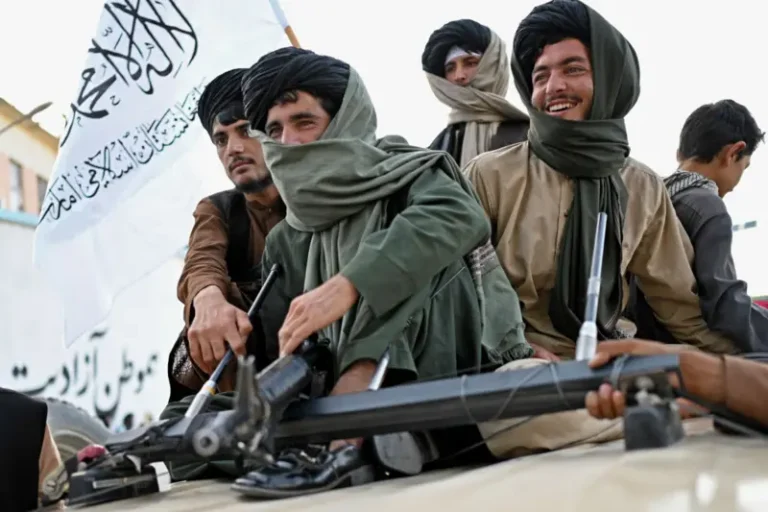
    By Kulsoom Amanullah When Taliban entered Kabul in Augusta 2021,the loss of peace in Afghanistan and the role of the Taliban in the country’s long and difficult history. Afghanistan has suffered from decades of war, political conflict, and instability. The Taliban have been an important part of this history, and their return to power in 2021 changed the lives of millions of Afghan people. The Taliban first emerged in Afghanistan in the 1990s and controlled most of the country by 1996. Their rule was known for strict religious policies and restrictions on many aspects of daily life. After the attacks of September 11, 2001, the United States and its allies invaded Afghanistan, and the Taliban government was removed from power. However, the conflict continued for many years. During this period, Afghan civilians experienced violence, displacement, poverty, and insecurity. In August 2021, the Taliban returned to power after the withdrawal of United States and allied forces. Since then, Afghanistan has faced many serious challenges. Although the level of large-scale fighting has decreased compared with some earlier years, peace is more than simply the absence of war. True peace requires safety, freedom, economic stability, education, and respect for the rights and dignity of all people. One of the most serious concerns under the Taliban has been restrictions on women’s and girls’ education and participation in society. Girls have faced severe restrictions on secondary and higher education, while women have also faced limitations on employment and public life. These policies have created deep concern both inside and outside Afghanistan. Education is essential for the development of any country, and denying opportunities to a large part of the population can make it harder for Afghanistan to achieve long-term progress. The Afghan people also face economic and humanitarian difficulties. Many families struggle with poverty and limited access to basic services. Years of war have weakened the country’s infrastructure and economy. The international community has provided humanitarian assistance, but Afghanistan still needs long-term solutions that can help its people live with dignity and hope. At the same time, it is important to remember that ordinary Afghan people are not responsible for the conflicts that have affected their country. They are the ones who have suffered the most from decades of violence and instability. Afghan families deserve the opportunity to live peacefully, earn a living, educate their children, and build a secure future. Afghanistan needs a peaceful and inclusive future. The Taliban, as the current rulers of the country, have a major responsibility to create conditions in which all citizens can live safely and with dignity. The rights of women and girls, access to education, economic development, and humanitarian needs should be given serious attention. The story of Afghanistan teaches us that lasting peace cannot be achieved through force alone. It requires dialogue, justice, education, cooperation, and respect for human rights. I hope that one day Afghanistan will move beyond its painful past and become a peaceful country where every citizen can live without fear and every child can dream of a better future.

  • Youth Empowerment in Pakistan

    By Asma Qayyum Youth empowerment is the process of providing young people with the education, skills, opportunities, and confidence they need to contribute positively to society. Pakistan has one of the largest youth populations in the world. According to the Pakistan Bureau of Statistics (2023 Census), the country’s population is approximately 241.49 million, and around 64% of Pakistanis are under the age of 30. This large youth population has the potential to become Pakistan’s greatest strength if it is properly educated, skilled, and employed. Young people play a vital role in the social, economic, and political development of a country. Empowered youth become skilled professionals, innovators, entrepreneurs, and responsible citizens. Their energy, creativity, and ideas can boost productivity, reduce poverty, encourage innovation, and strengthen national development. However, Pakistan faces several challenges in empowering its youth. According to the Pakistan Bureau of Statistics, the national literacy rate is approximately 63%, while millions of children remain out of school. Furthermore, the Labour Force Survey (2024–25) reported an unemployment rate of 7.1%, making job creation one of the country’s greatest challenges. The United Nations Development Programme (UNDP) reports that nearly four million young Pakistanis reach working age each year, but only around one million new jobs are created annually. It also notes that many young people are neither in education, employment, nor training (NEET), limiting their ability to contribute to the country’s growth. The major challenges facing Pakistani youth include limited access to quality education, unemployment and underemployment, a shortage of technical and vocational training opportunities, poverty, unequal opportunities in rural areas, and limited support for entrepreneurship and innovation. To address these challenges, the government should invest more in education, technical and vocational training, and modern skill development. It should also create more employment opportunities, support youth entrepreneurship through training programs and financial assistance, and encourage young people to participate in community service, leadership initiatives, and civic engagement. At the same time, educational institutions and the private sector should work together to equip young people with the skills required for the modern job market. Youth empowerment is essential for Pakistan’s future. With millions of young people entering the workforce each year, investing in education, skills, innovation, and employment is not merely an option—it is a necessity. Empowering young people will strengthen Pakistan’s economy, reduce poverty, promote social stability, and build a more prosperous and peaceful nation. As the saying goes, “The youth of today are the leaders of tomorrow.”

  • The Growing Issue of Fake Degrees and Certificates

    By Sania Rahim I would like to draw the attention of the concerned authorities and the general public toward the rapidly growing issue of fake degrees and certificates, which is becoming a serious threat to our society day by day. Education is considered the backbone of any nation. It builds skilled professionals, responsible citizens, and a strong economy. However, the increasing trend of fake educational documents is weakening this very foundation. Today, some people obtain fake degrees and certificates to secure jobs, promotions, admissions, and other benefits without having the required knowledge, skills, or hard work. This unfair practice is not only injustice to deserving candidates but is also damaging the credibility of our educational institutions. The most alarming part is that fake degrees are now being used in sensitive fields such as medicine, engineering, teaching, law, and public administration. An unqualified doctor, engineer, or teacher can endanger human lives and the future of entire communities. When unskilled people occupy important positions through fraudulent documents, the quality of services declines, accidents increase, and public trust in institutions erodes. It also discourages honest students who spend years studying and working hard to earn genuine qualifications. Another major consequence is corruption. The network of agents, printing presses, and online sellers who manufacture and sell fake degrees is growing because of high demand and weak verification systems. This creates a parallel market where money replaces merit. As a result, competent individuals are left behind while unqualified people move ahead, which ultimately harms national progress. To control this serious issue, I would like to suggest some necessary steps: First, the government should establish a centralized, digital database of all degrees and certificates issued by recognized boards and universities. Every employer and institution should be bound to verify documents through this system before hiring or admission. Second, strict legal action should be taken against those involved in making, selling, and using fake degrees. Heavy fines and imprisonment can serve as a strong deterrent. Third, awareness campaigns should be launched in schools, colleges, and on media platforms to educate students and parents about the dangers and legal consequences of using fake documents. Fourth, professional bodies like the Pakistan Medical Commission, Pakistan Engineering Council, and education departments must regularly audit their members and employees. In conclusion, fake degrees are not just a paper problem. They are a threat to merit, public safety, and the future of our country. I sincerely hope that the concerned departments, law enforcement agencies, and educational authorities will take immediate and effective steps to eliminate this malpractice and restore trust in our education system.

  • Mental Health Matters

    By Asma Qayyum Mental health is an essential part of a person’s overall well-being. It influences how we think, feel, make decisions, cope with stress, and interact with others. Despite its importance, many people still hesitate to discuss mental health because of fear, stigma, shame, or misunderstanding. Breaking this silence is the first step toward creating a society where everyone feels safe and encouraged to seek help. According to the World Health Organization (WHO), approximately 1 in every 8 people worldwide lives with a mental health condition. The WHO also reported that around 1.1 billion people were living with a mental disorder in 2021. Furthermore, depression affected approximately 280 million people globally in 2019, including 23 million children and adolescents. These figures highlight that mental health challenges are widespread and can affect anyone, regardless of age, gender, or social background. Among the most common mental health conditions are anxiety and depression, which affect hundreds of millions of people around the world. Several factors contribute to poor mental health, including academic pressure, financial difficulties, family conflicts, traumatic experiences, loneliness, bullying, and excessive use of social media. Young people are particularly vulnerable because they often experience significant emotional, academic, and social pressures during their formative years. Poor mental health can have serious consequences for both individuals and society. It may reduce concentration, lower academic and workplace performance, damage relationships, and increase the risk of physical health problems. If left untreated, mental health conditions can significantly reduce a person’s quality of life and overall well-being. The encouraging news is that most mental health conditions can be effectively treated and managed with timely support. Seeking help from mental health professionals, talking to trusted family members or friends, exercising regularly, getting enough sleep, eating a balanced diet, and practicing healthy stress-management techniques can greatly improve mental well-being. Schools, colleges, workplaces, and communities also play a vital role by promoting awareness, reducing stigma, and encouraging open conversations about mental health. In conclusion, mental health deserves the same attention and care as physical health. By encouraging open discussions, supporting those who are struggling, and increasing public awareness, we can break the silence surrounding mental health. Together, we can build a more compassionate, understanding, and healthier society where no one feels alone in facing mental health challenges.

Leave a Reply

Your email address will not be published. Required fields are marked *