afghanistan lost peace

Afghanistan lost peace under the Taliban

By Kulsoom Amanullah

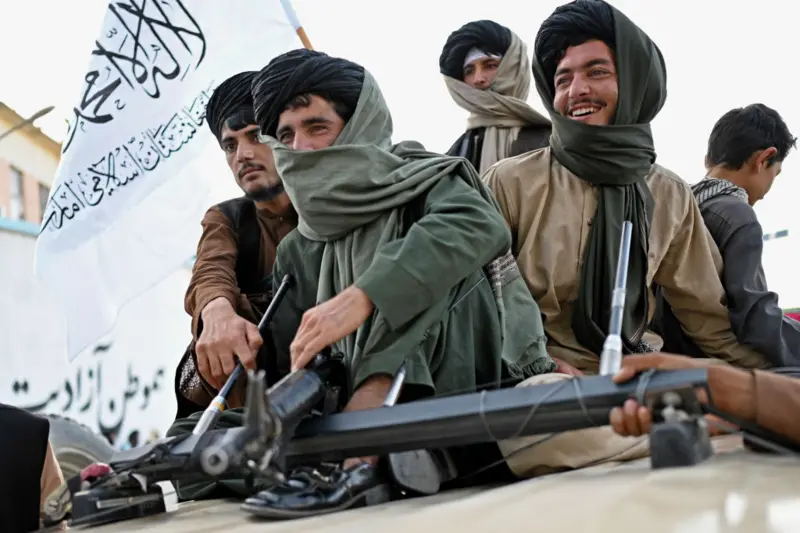
When Taliban entered Kabul in Augusta 2021,the loss of peace in Afghanistan and the role of the Taliban in the country’s long and difficult history. Afghanistan has suffered from decades of war, political conflict, and instability. The Taliban have been an important part of this history, and their return to power in 2021 changed the lives of millions of Afghan people. The Taliban first emerged in Afghanistan in the 1990s and controlled most of the country by 1996. Their rule was known for strict religious policies and restrictions on many aspects of daily life. After the attacks of September 11, 2001, the United States and its allies invaded Afghanistan, and the Taliban government was removed from power. However, the conflict continued for many years. During this period, Afghan civilians experienced violence, displacement, poverty, and insecurity. In August 2021, the Taliban returned to power after the withdrawal of United States and allied forces. Since then, Afghanistan has faced many serious challenges. Although the level of large-scale fighting has decreased compared with some earlier years, peace is more than simply the absence of war. True peace requires safety, freedom, economic stability, education, and respect for the rights and dignity of all people. One of the most serious concerns under the Taliban has been restrictions on women’s and girls’ education and participation in society. Girls have faced severe restrictions on secondary and higher education, while women have also faced limitations on employment and public life. These policies have created deep concern both inside and outside Afghanistan. Education is essential for the development of any country, and denying opportunities to a large part of the population can make it harder for Afghanistan to achieve long-term progress. The Afghan people also face economic and humanitarian difficulties. Many families struggle with poverty and limited access to basic services. Years of war have weakened the country’s infrastructure and economy. The international community has provided humanitarian assistance, but Afghanistan still needs long-term solutions that can help its people live with dignity and hope. At the same time, it is important to remember that ordinary Afghan people are not responsible for the conflicts that have affected their country. They are the ones who have suffered the most from decades of violence and instability. Afghan families deserve the opportunity to live peacefully, earn a living, educate their children, and build a secure future. Afghanistan needs a peaceful and inclusive future. The Taliban, as the current rulers of the country, have a major responsibility to create conditions in which all citizens can live safely and with dignity. The rights of women and girls, access to education, economic development, and humanitarian needs should be given serious attention. The story of Afghanistan teaches us that lasting peace cannot be achieved through force alone. It requires dialogue, justice, education, cooperation, and respect for human rights. I hope that one day Afghanistan will move beyond its painful past and become a peaceful country where every citizen can live without fear and every child can dream of a better future.
Similar Posts

  • Request to Establish a Mental Hospital in Turbat

    By Muhammad Naseer The road construction project from Shaitump to Turbat Bazaar was initiated in 2022 with the hope of improving transportation and easing the daily commute for thousands of residents. Unfortunately, despite the passage of several years, the project remains incomplete. While one section of the road has been completed, the remaining stretch from Zong Ground to Turbat Bazaar is progressing at an extremely slow pace, causing growing inconvenience to the public. The prolonged delay has created numerous problems for commuters, shopkeepers, students, and pedestrians. In several places, piles of sand, gravel, and other construction materials have been left on the roadside for extended periods, narrowing the road and making it difficult for vehicles to pass safely. Pedestrians are forced to walk through dusty and uneven paths, exposing them to unnecessary risks and discomfort. The dust generated by the ongoing construction has become another major concern. It affects shopkeepers, residents, and road users alike, often causing irritation to the eyes and breathing difficulties, particularly for children, elderly people, and those with respiratory illnesses. During busy hours, traffic congestion becomes worse because of the restricted road space, increasing travel time and creating safety hazards. Development projects are meant to improve public life, but unnecessary delays diminish their intended benefits. If work is carried out efficiently and completed within the announced timeframe, both the public and local businesses can enjoy the advantages of improved infrastructure without prolonged hardship. The concerned authorities and the contractor are requested to accelerate the pace of construction, remove unnecessary construction materials from the roadside, and adopt effective measures to control dust during the remaining work. Timely completion of this important road project will not only provide relief to the people but also reflect a commitment to efficient public service. It is hoped that the relevant authorities will take immediate notice of this issue and ensure that the project is completed without further delay for the convenience and safety of the people of Turbat.

  • Mental Health Matters

    By Asma Qayyum Mental health is an essential part of a person’s overall well-being. It influences how we think, feel, make decisions, cope with stress, and interact with others. Despite its importance, many people still hesitate to discuss mental health because of fear, stigma, shame, or misunderstanding. Breaking this silence is the first step toward creating a society where everyone feels safe and encouraged to seek help. According to the World Health Organization (WHO), approximately 1 in every 8 people worldwide lives with a mental health condition. The WHO also reported that around 1.1 billion people were living with a mental disorder in 2021. Furthermore, depression affected approximately 280 million people globally in 2019, including 23 million children and adolescents. These figures highlight that mental health challenges are widespread and can affect anyone, regardless of age, gender, or social background. Among the most common mental health conditions are anxiety and depression, which affect hundreds of millions of people around the world. Several factors contribute to poor mental health, including academic pressure, financial difficulties, family conflicts, traumatic experiences, loneliness, bullying, and excessive use of social media. Young people are particularly vulnerable because they often experience significant emotional, academic, and social pressures during their formative years. Poor mental health can have serious consequences for both individuals and society. It may reduce concentration, lower academic and workplace performance, damage relationships, and increase the risk of physical health problems. If left untreated, mental health conditions can significantly reduce a person’s quality of life and overall well-being. The encouraging news is that most mental health conditions can be effectively treated and managed with timely support. Seeking help from mental health professionals, talking to trusted family members or friends, exercising regularly, getting enough sleep, eating a balanced diet, and practicing healthy stress-management techniques can greatly improve mental well-being. Schools, colleges, workplaces, and communities also play a vital role by promoting awareness, reducing stigma, and encouraging open conversations about mental health. In conclusion, mental health deserves the same attention and care as physical health. By encouraging open discussions, supporting those who are struggling, and increasing public awareness, we can break the silence surrounding mental health. Together, we can build a more compassionate, understanding, and healthier society where no one feels alone in facing mental health challenges.

  • Losing Hope After Being Rejected

     By Granaz Assa Every student dreams of getting an opportunity to show their talent and prove their abilities. Schools and educational institutions regularly organize speech, debate, and other competitions to encourage students to discover their potential and build their confidence. These events are meant to inspire students and help them grow. However, there is an issue that is rarely discussed: the disappointment and loss of hope that many students experience after being rejected without being given a fair chance. Many students spend days or even weeks preparing for these competitions. They write and revise their speeches, practice repeatedly, and overcome their fear of speaking in front of an audience. They invest their time, energy, and emotions because they believe that their hard work will be recognized. Unfortunately, some students are rejected within just a few moments, sometimes before they even get the opportunity to present their speech. Such rejection can be deeply discouraging. While rejection is a natural part of life and no one can succeed every time, every student deserves a fair opportunity to demonstrate their abilities. If a student’s speech is weak, if their confidence is low, or if they need to improve their presentation skills, they should be informed of their mistakes with kindness and honesty. Constructive feedback helps students understand where they need improvement and motivates them to work harder. A student who knows their weaknesses can overcome them and return stronger in the future. On the other hand, rejecting students without any explanation or guidance only leaves them confused, disappointed, and hopeless. Instead of learning from the experience, they may begin to doubt their abilities. Such experiences can have a lasting impact on a student’s confidence. Many talented students stop participating in competitions because they fear facing rejection again. They begin to believe that their efforts have no value and that their voices do not matter. As a result, they lose the confidence to express themselves and miss opportunities to develop important communication and leadership skills. Educational institutions should remember that competitions are not only about selecting winners. They are also about encouraging learning, building confidence, recognizing potential, and helping every student grow, regardless of the final result. I have personally experienced this feeling. After being rejected without a chance to present my speech, I felt extremely hopeless and disappointed. I questioned whether all my hard work had been meaningless. However, I later realized that every student deserves encouragement, even if they are not selected. A few words of guidance and constructive feedback can restore confidence and inspire students to keep trying. By giving every participant a fair chance and treating them with respect, educational institutions can help students remain hopeful, determined, and ready to achieve greater success in the future.

  • |

    Pakistan, google sign “historic” MOU

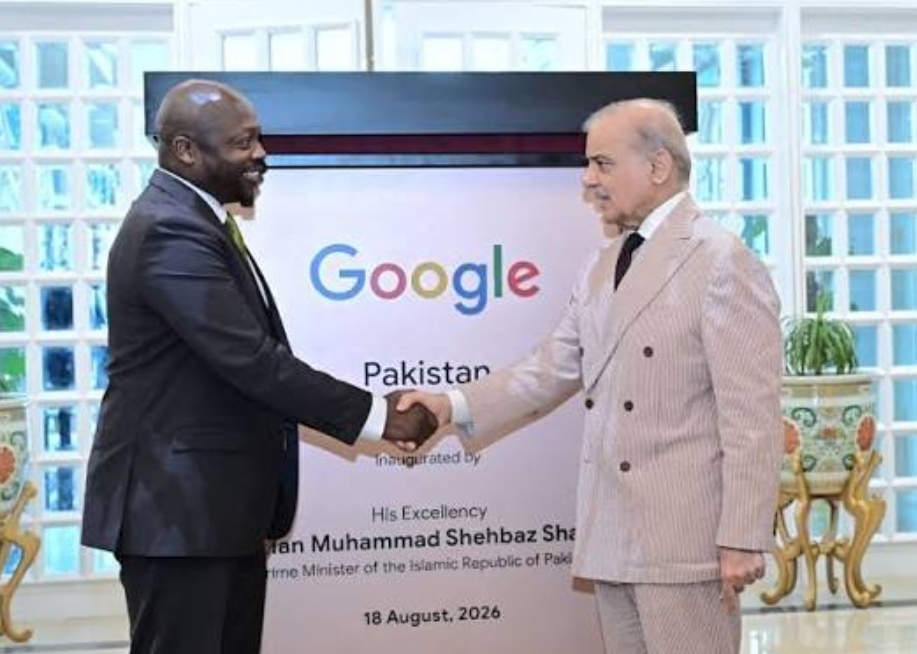
    By Umar Mujtaba Islamabad: Pakistan and Google have signed a memorandum of understanding (MoU) to expand cooperation in artificial intelligence, digital skills, IT exports and innovation, with Pakistani students set to receive free one year access to advanced AI tools including Gemini. The agreement was signed on Friday during a reception hosted by Prime Minister Shehbaz Sharif in honour of the Google team, according to a statement issued by the Prime Minister’s Office. Under the agreement, an Artificial Intelligence (AI) centre of excellence will be established in Islamabad for the training of young people and professionals to align their skills with global market requirements. This news comes days after Google opened its first office in Pakistan, which signals the company’s interest in Pakistan’s technology sector. Pakistani students will also receive one year of free google AI tools access, including gemini and google AI plus.  Both sides have agreed to expand google certificate to 150,000 in 2026, helping Pakistani youth with market oriented skills.  A joint taskforce will also be established to increase the country’s IT exports and improve the country’s competitiveness in the global technology sector.  The agreement also covers efforts to improve the global competitiveness of Pakistan’s mobile application and gaming industries, while promoting digital payments and expanding digital commerce. One of the areas identified for cooperation is the Federal Board of Revenue’s digitization program, where AI powered data analytics could be used to improve tax administration and public-sector efficiency. In agriculture, Pakistan and Google will explore AI applications for crop monitoring, forecasting and sustainable farming practices. The agreement also aims to use digital platforms to help Pakistani small and medium sized enterprises access international markets and expand their exports. The Prime Minister of Pakistan Shahbaz Sharif described the collaboration as a stepping stone toward contributing to a field that is “very attractive” and “the call of the day.”  Mr Sharif noted that the delegation’s arrival was “a sheer coincidence” because it comes precisely as the country is undergoing a major digital transformation of governance under the government’s “Digital Nation Pakistan” initiative.  Wilson L. White (Vice President for Government Affairs and Public Policy) described the $30 Billion Export Target by stating “Your ambition of making Pakistan a 30-billion-dollar IT export hub aligns with the goals that we have at Google.” 

  • Plastic Pollution in Kosh Malikabad

    By Baloch khan Through the columns of your esteemed newspaper, I would like to highlight the growing problem of plastic pollution in Kosh Malikabad, Turbat. Plastic bags and bottles are scattered on roads, empty plots, and drainage channels, making the area dirty and unhealthy. This pollution harms the environment, blocks drains, and poses a serious risk to animals and public health. The local authorities should install more dustbins, improve waste collection, and launch awareness campaigns to encourage people to reduce the use of single-use plastics. Citizens should also take responsibility for keeping their surroundings clean. I hope the concerned authorities will take immediate action to address this issue and protect the environment of Koshk Malikabad.

  • Preserving Balochi Traditions

    By Aamina Asghar The Baloch are an ancient people with a rich culture that is distinct from many other cultures around the world. Whether it is their weddings or their way of life, everything about their culture is unique. Most particularly, Balochi weddings have their own beautiful traditions but many modern trends influenced by social media and other cultures are gradually replacing them. It is good to enjoy modern trends, but we should not forget our own traditions that identifies us in the world. The below I mention some of the keen factors affecting the culture: Our Culture Is Our Identity Baloch wedding traditions have been passed down by our ancestors. They tell the story of who we are and remind us of our rich cultural heritage. Culture is what identify us from any part of the world and make us look different from the native of that particular area. Traditional Balochi Dress Balochi brides and grooms wear beautiful traditional dresses with fine embroidery done by Baloch women’s hand. They are hand-made cloths. Nowadays, many people prefer modern designer clothes instead of traditional Balochi attire. The trend has been influenced from social media and is adopted by the living persons in their daily life. Wedding Customs Many families now arrange Mehndi ceremonies, Dholki events, dance performances, bridal shows, and other celebrations that were not traditionally part of Baloch weddings. As a result, our original customs are becoming less common. As a result, few young people know the traditional practices of Balochi Culture. Decoration Traditional Baloch weddings had simple decorations that focused on family, culture, and tradition. Today, expensive stage decorations, flower walls, and modern themes are becoming very popular, making the marriage more expensive. Upon seeing such things, everyone around the society expects such marriages to take place in future, badly affecting the poor people who cannot afford them and thus ends up insulting them in others’ eyes. Social Media Influence Many people copy what they see on social media without thinking about their own culture. It is good to know about other’s culture, but killing your own culture for others is never beneficial for the generation to come. Our culture should be preserved. Music and Celebration Traditional Balochi music and cultural celebrations should be encouraged because they keep our heritage alive. Sadly, very few people are well aware of Balochi singers. We respect other singers when it comes to our own Balochi singers who are preserving the language are never valued or recognized by majority of us. Thus, modern trends are not bad, but we should not allow them to replace our beautiful traditions. Baloch wedding traditions are an important part of our culture. Our dresses, music, customs, and celebrations reflect our identity, and we should respect and preserve them. This will help future generations understand the value of Balochi culture. Let us take pride in being Baloch, promote our traditions and show the world the beauty of our culture.

Leave a Reply

Your email address will not be published. Required fields are marked *