virat kholi 2027

Virat kholi and 2027 ODI World cup

By Muhammad Naseer

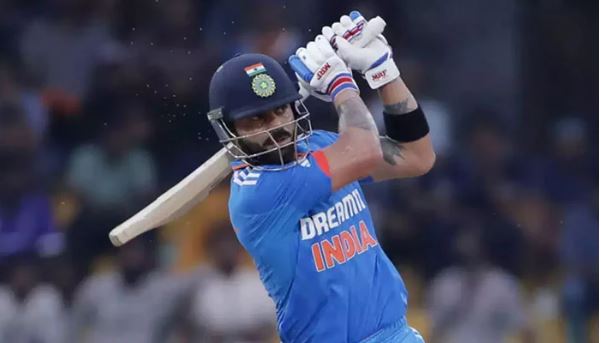
Virat Kohli’s possible presence in the 2027 ODI World Cup has already created excitement among cricket fans. After years of remarkable performances, Kohli has become one of the most respected ODI batters of his generation. He has openly reaffirmed his commitment to playing in the 2027 World Cup, giving fans hope that they may see him represent India in another major tournament. The 2027 World Cup will be especially important because it could be one of the final major international tournaments of his career. Kohli has already experienced the pressure and excitement of World Cups on several occasions. He was part of India’s 2011 World Cup-winning team and later became one of the tournament’s most consistent performers. His extraordinary ability to chase difficult targets has made him particularly valuable in ODI cricket. His experience could also provide important guidance to younger players entering their first World Cup. However, reaching 2027 will require maintaining fitness, form, and consistency over the coming years. Cricket is an unpredictable sport, and no player can guarantee what the future will bring. Nevertheless, Kohli’s determination suggests that he still has ambitions left to fulfil in the 50-over format. For millions of supporters, watching him in another World Cup would be an emotional experience. His presence could also add enormous attention to the tournament. More importantly, the younger generation could learn from his preparation, discipline, and approach to the game. Kohli has already achieved numerous individual milestones, but another World Cup triumph would add another memorable chapter to his career. India will have many talented players by 2027, so the final team selection will depend on form and fitness at that time. If Kohli remains at his best, his experience could be extremely valuable in a high-pressure tournament. The 2027 World Cup may therefore become not only a competition for India but also another stage in the remarkable story of one of cricket’s modern greats. Fans will undoubtedly hope to see his familiar number on the Indian jersey when the tournament begins. Whether he produces another unforgettable innings or simply guides younger teammates, his contribution could be significant. For now, the possibility of Virat Kohli playing in the 2027 ODI World Cup is enough to keep cricket lovers eagerly waiting for what could be another memorable chapter in his extraordinary career.


Similar Posts

  • A Better Tomorrow Starts Today

    By Nazaink Majid Everyone dreams of a better future, but dreams only come true when we take action today. Every good choice we make, every lesson, and every small effort we put in helps build a brighter tomorrow. Instead of waiting for the perfect time we should start making positive changes today. “A Better Tomorrow Starts Today” reminds us that if we want to change our future, we must begin in the present. Every small step taken today brings us closer to the life we aspire to achieve. Every day presents us with countless choices. Some may seem small, such as waking up early, completing our work on time, reading a book, or helping someone in need. However, these small decisions gradually shape our character and determine our future. Success is not the result of one extraordinary action but of many ordinary actions repeated consistently. Those who use today wisely are the ones who enjoy a better tomorrow. A healthy future begins with healthy choices. Eating nutritious foods, exercising regularly, maintaining good hygiene, and getting enough sleep improve both physical and mental well-being. Likewise, avoiding harmful habits such as procrastination, laziness, and excessive screen time helps individuals become more productive. Small healthy routines practiced everyday lead to long-term benefits. Creating a better tomorrow is not only a personal responsibility but also a social one. Every individual can contribute to society by showing kindness, respecting others, and helping people in need. At the same time, protecting the environment is essential for future generations. Planting trees, keeping our surrounding clean, reducing plastic waste, conserving water, are simple action that have a lasting impact. A sustainable future begins with responsible actions taken today. Life is filled with challenges and setbacks, but challenges should not discourage us. Instead, they should inspire us to grow stronger and wiser. Every failure teaches valuable lessons, and every difficulty provides an opportunity to improve. Successful people are not those who never fail but those who continue moving forward despite failure. Determination, patience, and resilience transform today’s struggles into tomorrow’s achievements. A better tomorrow is built not only through success but also through strong values. Kindness, honesty, responsibility create trust and strengthen relationships. Positive values practiced daily create lasting change. A better tomorrow is not a distant dream – it is the result of what we choose today. Every positive action, every lesson learned, every kind word spoken, and every responsible decision contributes to a brighter future. Instead of waiting for the perfect moment, we should begin now. By working hard, caring for others, protecting our environment and believing in our ability to improve, we can recreate a future filled with hope and opportunity. The journey toward a better tomorrow begin with a single step taken today.

  • Generation Z and their solitude

    By Umair Ahmed For Gen Z today, their room isn’t just a room. It’s their safe zone.A place where they can find a few moments of peace without any interruption or endless questions.Do Not Disturb Mode (DND) This generation genuinely values solitude. For them, being alone isn’t about feeling lonely it’s about spending time with themselves and finding mental peace.To be honest, their biggest wish is often just to be left in peace, operating smoothly in their own DND mode away from the noise of society.When someone interrupts Gen Z’s solitude, it irritates Gen Z so badly.What does Generation Z want?Gen Z wants solitude and some peaceful hours in a 24 hours cycle. During these hours, Gen Z only thinks and creates ideas, but unfortunately, in today’s modern world, society won’t understand Gen Z.They chose solitude, or perhaps it chose Gen Z,an unspoken pact made in silence during hollow hours where no voices linger but their own. The silence carved spaces with their thoughts, too fragile for the noise of the world.GenZ is always on time their time management skills are superb.They like to read poetry books and listen to poetry, and their music taste is so good—old, but still better than today’s English songs.Gen Z likes to sit in public, but without any conversation. In many restaurants, I see Gen Z sit at a table but not talk to their friends or family members. Even sometimes, they use AirPods and use their mobiles, so imagine from this how Gen Z needs solitude in their life.On a lighter note, I’m also a Gen Z, but at least I don’t wear AirPods at restaurants. I commonly see a group of friends in local restaurants, and literally, they came together, but trust me, they do not even talk a single word or have a conversation. They are all busy on their mobiles. Gen Z wants to sit alone in restaurants or public places. This doesn’t make them feel lonely rather, they are in their comfort zone.And nowadays, when Gen Z wear AirPods, understand that they are in their comfort zone or Do Not Disturb mode.GenZ wants to sit alone in restaurants or public places. This doesn’t make them feel lonely,rather they are in their comfort zone.And nowadays, when GenZ wear AirPods, understand that they are in their comfort zone or Do Not Disturb mode.

  • The Waste and Garbage Problem in Pakistan

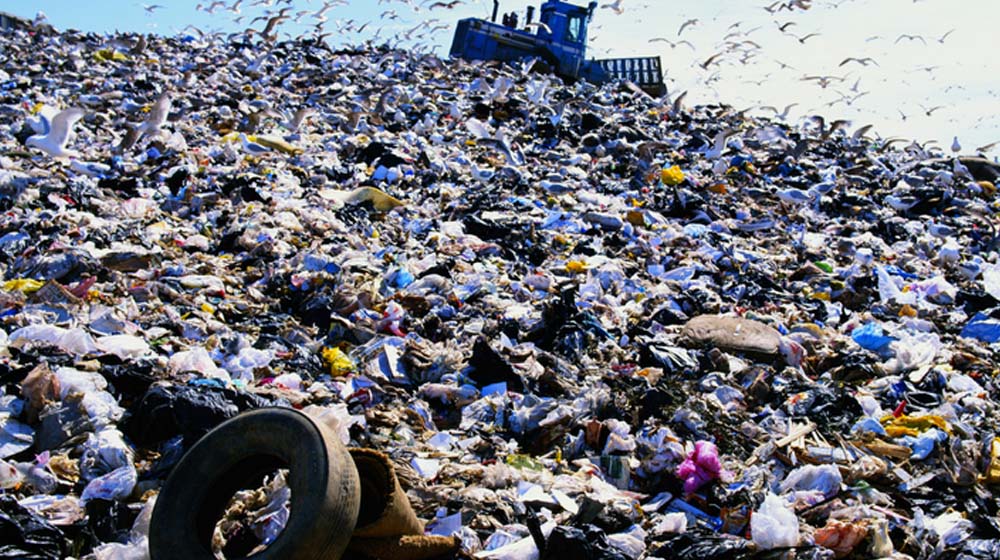
    By Durhum I am writing this letter to draw your kind attention and that of the concerned authorities toward one of the most serious and ignored problems in our country today: the waste and garbage problem in Pakistan. We see garbage on the roads near our homes, schools, and other areas. This problem is getting worse day by day, especially in the big cities of Pakistan like Lahore, Islamabad, etc. When we go out, we see that the dustbins are full, and still no one comes to empty them. Plastic is flying in the air. Because of the garbage, the roads smell very bad and are dirty. If it rains, the drains get blocked because of the plastic. This is not just making the roads dirty; it is also affecting people and making them ill. In some areas, garbage trucks do not come regularly, and there is also a shortage of dustbins. People throw everything on the roads, such as food and plastic, and many people do not care that throwing waste makes our roads dirty. Throwing garbage causes numerous problems. Because of this waste, mosquitoes, rats, and other pests come out, spreading diseases like malaria and dengue. Children are mostly getting sick because of this garbage. Also, water is becoming polluted because garbage is thrown near rivers or seas, making the water dirty. This waste can also cause drains to become blocked. In Karachi, especially in Lyari, garbage is thrown everywhere, and the area is full of waste. This problem can be solved if there is regular garbage collection, more dustbins, and clean rivers and roads. The government cannot solve this problem alone; we must also avoid throwing plastic, paper, and other waste on the streets. Schools should teach students not to throw garbage on the roads. Many countries have solved this problem because citizens do not litter. In Dubai and Turkey, the roads are clean and look beautiful because they regularly sweep the roads and dispose of waste properly. Throwing garbage and waste is not a small problem; it is affecting our bodies, health, and environment. Ultimately, this problem can be solved if we change our habits. Pakistan will become like other beautiful countries if we all work together. If we keep ignoring it, our surroundings will become even dirtier. If a country has a clean environment, it means it has a clean nation. There is a saying that “Cleanliness is half of faith.” Islam also teaches us to keep our country, cities, and roads clean. There is another saying that “Small litter makes a big problem.” This means that waste and garbage may seem like a small issue, but they can affect a person’s entire life.

  • Youth Empowerment in Pakistan

    By Asma Qayyum Youth empowerment is the process of providing young people with the education, skills, opportunities, and confidence they need to contribute positively to society. Pakistan has one of the largest youth populations in the world. According to the Pakistan Bureau of Statistics (2023 Census), the country’s population is approximately 241.49 million, and around 64% of Pakistanis are under the age of 30. This large youth population has the potential to become Pakistan’s greatest strength if it is properly educated, skilled, and employed. Young people play a vital role in the social, economic, and political development of a country. Empowered youth become skilled professionals, innovators, entrepreneurs, and responsible citizens. Their energy, creativity, and ideas can boost productivity, reduce poverty, encourage innovation, and strengthen national development. However, Pakistan faces several challenges in empowering its youth. According to the Pakistan Bureau of Statistics, the national literacy rate is approximately 63%, while millions of children remain out of school. Furthermore, the Labour Force Survey (2024–25) reported an unemployment rate of 7.1%, making job creation one of the country’s greatest challenges. The United Nations Development Programme (UNDP) reports that nearly four million young Pakistanis reach working age each year, but only around one million new jobs are created annually. It also notes that many young people are neither in education, employment, nor training (NEET), limiting their ability to contribute to the country’s growth. The major challenges facing Pakistani youth include limited access to quality education, unemployment and underemployment, a shortage of technical and vocational training opportunities, poverty, unequal opportunities in rural areas, and limited support for entrepreneurship and innovation. To address these challenges, the government should invest more in education, technical and vocational training, and modern skill development. It should also create more employment opportunities, support youth entrepreneurship through training programs and financial assistance, and encourage young people to participate in community service, leadership initiatives, and civic engagement. At the same time, educational institutions and the private sector should work together to equip young people with the skills required for the modern job market. Youth empowerment is essential for Pakistan’s future. With millions of young people entering the workforce each year, investing in education, skills, innovation, and employment is not merely an option—it is a necessity. Empowering young people will strengthen Pakistan’s economy, reduce poverty, promote social stability, and build a more prosperous and peaceful nation. As the saying goes, “The youth of today are the leaders of tomorrow.”

  • Shortage of water in dasht

    By Baloch Khan Through the columns of your respected newspaper, I would like to draw the attention of the concerned authorities to the serious shortage of water in Dasht. The people of our area are facing great difficulties because clean drinking water is not available. Women and children have to travel long distances to fetch water. Sometimes the available water is dirty and unsafe, which causes many diseases. Farmers are also suffering because there is not enough water for their crops and animals. I request the government and the concerned departments to solve this problem by repairing water supply systems, installing new water pipelines, and providing clean drinking water to the people of Dasht as soon as possible. I hope my letter will be published and the authorities will take immediate action.

  • Afghanistan lost peace under the Taliban

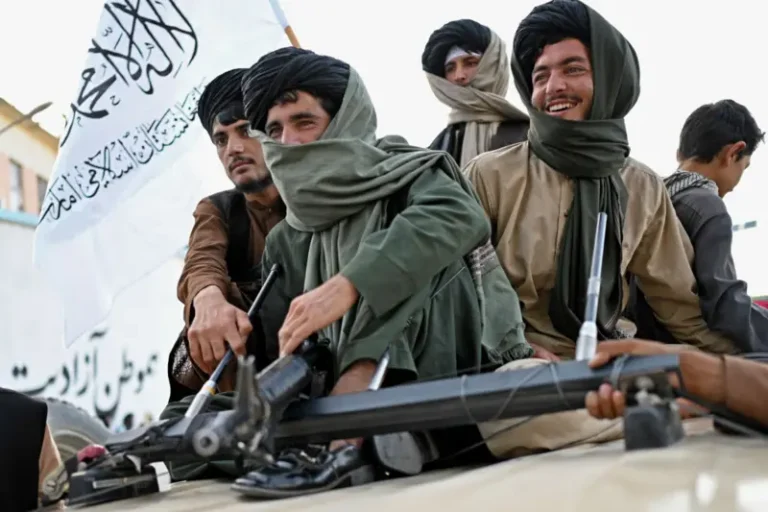
    By Kulsoom Amanullah When Taliban entered Kabul in Augusta 2021,the loss of peace in Afghanistan and the role of the Taliban in the country’s long and difficult history. Afghanistan has suffered from decades of war, political conflict, and instability. The Taliban have been an important part of this history, and their return to power in 2021 changed the lives of millions of Afghan people. The Taliban first emerged in Afghanistan in the 1990s and controlled most of the country by 1996. Their rule was known for strict religious policies and restrictions on many aspects of daily life. After the attacks of September 11, 2001, the United States and its allies invaded Afghanistan, and the Taliban government was removed from power. However, the conflict continued for many years. During this period, Afghan civilians experienced violence, displacement, poverty, and insecurity. In August 2021, the Taliban returned to power after the withdrawal of United States and allied forces. Since then, Afghanistan has faced many serious challenges. Although the level of large-scale fighting has decreased compared with some earlier years, peace is more than simply the absence of war. True peace requires safety, freedom, economic stability, education, and respect for the rights and dignity of all people. One of the most serious concerns under the Taliban has been restrictions on women’s and girls’ education and participation in society. Girls have faced severe restrictions on secondary and higher education, while women have also faced limitations on employment and public life. These policies have created deep concern both inside and outside Afghanistan. Education is essential for the development of any country, and denying opportunities to a large part of the population can make it harder for Afghanistan to achieve long-term progress. The Afghan people also face economic and humanitarian difficulties. Many families struggle with poverty and limited access to basic services. Years of war have weakened the country’s infrastructure and economy. The international community has provided humanitarian assistance, but Afghanistan still needs long-term solutions that can help its people live with dignity and hope. At the same time, it is important to remember that ordinary Afghan people are not responsible for the conflicts that have affected their country. They are the ones who have suffered the most from decades of violence and instability. Afghan families deserve the opportunity to live peacefully, earn a living, educate their children, and build a secure future. Afghanistan needs a peaceful and inclusive future. The Taliban, as the current rulers of the country, have a major responsibility to create conditions in which all citizens can live safely and with dignity. The rights of women and girls, access to education, economic development, and humanitarian needs should be given serious attention. The story of Afghanistan teaches us that lasting peace cannot be achieved through force alone. It requires dialogue, justice, education, cooperation, and respect for human rights. I hope that one day Afghanistan will move beyond its painful past and become a peaceful country where every citizen can live without fear and every child can dream of a better future.

Leave a Reply

Your email address will not be published. Required fields are marked *