thank you giving

Thank You for Giving Millions of Ordinary People an Extraordinary Voice

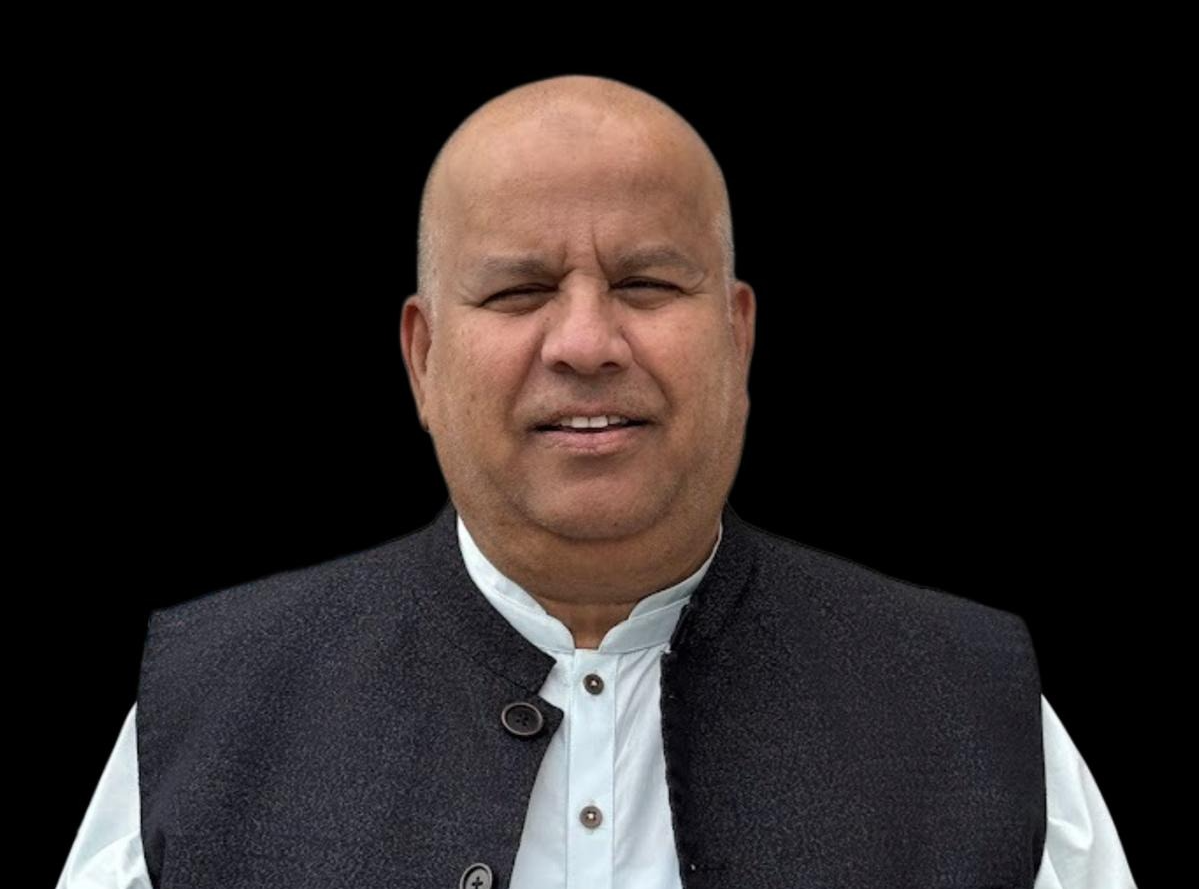
By Syed Anwar Wasti

For most of my life, I carried countless ideas, experiences, and stories within me. I wanted to write, share, and contribute—but I struggled to express myself. English was not my strongest language, I couldn’t type in Urdu, and many of my thoughts remained locked inside my mind.

After living in the United States for more than four decades, I have witnessed many remarkable technological advances. Yet, in my personal opinion, few have transformed my life as profoundly as Artificial Intelligence—especially ChatGPT.

Today, I can write articles, create blog posts, prepare speeches, develop video scripts, organize research, manage my website, and share my experiences with people around the world. Whether I am writing about my travels, my community, my business, or my personal reflections, AI has helped me turn ideas into words and words into meaningful conversations.

What once required a team of writers, editors, and researchers can now be accomplished by one determined individual with the right tools. That is not just innovation—it is empowerment.

Technology is most powerful when it gives ordinary people the opportunity to do extraordinary things. For me, AI has done exactly that. It has given me confidence, creativity, and, most importantly, a voice.

Thank you for giving millions of ordinary people an extraordinary voice.

Hats off to the brilliant minds behind ChatGPT and AI.

May God bless you all, and may your work continue to benefit humanity for generations to come.

Similar Posts

  • Brain Drain: A Growing Challenge for Pakistan

    By Asma Qayyum Brain drain refers to the migration of highly educated and skilled professionals to other countries in search of better employment opportunities, higher salaries, quality education, advanced research facilities, and improved living conditions. This phenomenon has become one of Pakistan’s most serious development challenges, affecting the country’s economic growth and human capital. According to the World Bank, Pakistan is among the countries experiencing a significant outflow of skilled workers. Furthermore, official data from the Bureau of Emigration and Overseas Employment (BEOE) show that hundreds of thousands of Pakistanis leave the country each year for overseas employment, including a large number of educated professionals. This growing migration places additional pressure on vital sectors such as healthcare, engineering, education, and information technology. Several factors contribute to brain drain, including unemployment, low salaries, limited research opportunities, political instability, economic uncertainty, and poor working conditions. As a result, many talented individuals believe they can achieve greater professional success and a better quality of life abroad. The consequences of brain drain are far-reaching. Pakistan loses experienced doctors, engineers, teachers, researchers, scientists, and IT specialists whose knowledge and expertise are essential for national development. The departure of these professionals weakens public services, reduces innovation, and slows economic progress. According to the Bureau of Emigration and Overseas Employment, 762,499 Pakistanis officially left the country for overseas employment in 2025. Since 1971, more than 15 million Pakistanis have been registered for overseas employment through the bureau. These figures highlight the scale of the issue and the urgent need for effective policy measures. To reduce brain drain, the government should create more employment opportunities, improve salaries and working conditions, invest in research, innovation, and higher education, and provide incentives that encourage skilled professionals to remain in or return to Pakistan. A stable economy, merit-based opportunities, and professional growth are essential to retaining the country’s talented workforce. Pakistan’s greatest asset is its people. By investing in its skilled professionals and creating an environment where they can thrive, the country can transform brain drain into brain gain and build a stronger, more prosperous future.

  • |

    Pakistan, google sign “historic” MOU

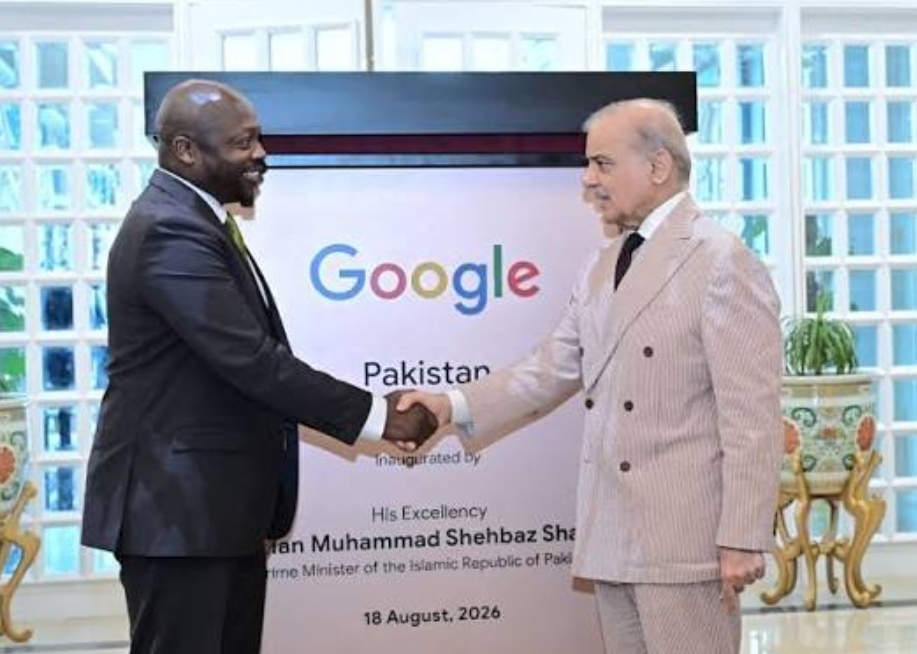
    By Umar Mujtaba Islamabad: Pakistan and Google have signed a memorandum of understanding (MoU) to expand cooperation in artificial intelligence, digital skills, IT exports and innovation, with Pakistani students set to receive free one year access to advanced AI tools including Gemini. The agreement was signed on Friday during a reception hosted by Prime Minister Shehbaz Sharif in honour of the Google team, according to a statement issued by the Prime Minister’s Office. Under the agreement, an Artificial Intelligence (AI) centre of excellence will be established in Islamabad for the training of young people and professionals to align their skills with global market requirements. This news comes days after Google opened its first office in Pakistan, which signals the company’s interest in Pakistan’s technology sector. Pakistani students will also receive one year of free google AI tools access, including gemini and google AI plus.  Both sides have agreed to expand google certificate to 150,000 in 2026, helping Pakistani youth with market oriented skills.  A joint taskforce will also be established to increase the country’s IT exports and improve the country’s competitiveness in the global technology sector.  The agreement also covers efforts to improve the global competitiveness of Pakistan’s mobile application and gaming industries, while promoting digital payments and expanding digital commerce. One of the areas identified for cooperation is the Federal Board of Revenue’s digitization program, where AI powered data analytics could be used to improve tax administration and public-sector efficiency. In agriculture, Pakistan and Google will explore AI applications for crop monitoring, forecasting and sustainable farming practices. The agreement also aims to use digital platforms to help Pakistani small and medium sized enterprises access international markets and expand their exports. The Prime Minister of Pakistan Shahbaz Sharif described the collaboration as a stepping stone toward contributing to a field that is “very attractive” and “the call of the day.”  Mr Sharif noted that the delegation’s arrival was “a sheer coincidence” because it comes precisely as the country is undergoing a major digital transformation of governance under the government’s “Digital Nation Pakistan” initiative.  Wilson L. White (Vice President for Government Affairs and Public Policy) described the $30 Billion Export Target by stating “Your ambition of making Pakistan a 30-billion-dollar IT export hub aligns with the goals that we have at Google.” 

  • The Addiction of Social Media

    By Saba Bakhtiyar I am writing this letter to share important information with you that today is the age of technology. Mobile phones and the internet have made our lives easier. But one big drawback of this technology is social media addiction. Facebook, WhatsApp, Instagram, TikTok, and YouTube have connected people together, and many people have become addicted to them. What is social media addiction? When someone spends too much time on social media and feels restless without it, that is called social media addiction. In this condition, people think that if they do not check their phones, they will be left behind by the world. People also use social media to overcome their loneliness. However, many people are unaware that this habit can turn out to be dangerous for them. It can affect mental health, cause depression, lead to a lack of sleep, create distance in families and relationships, and reduce students’ attention towards education, which is another big problem. Social media is a tool. If we use it wisely, it helps us. If we misuse it, it harms us. Seeing perfect lives online makes people feel insecure about their own lives, and it has also increased online harassment and hate comments. Moreover, notifications and reels distract people from their work and studies. They are so busy on social media that they are not interested in their personal work. Due to social media, it is affecting people a lot. People share too much personal information, which can be misused. As well as this, many people are addicted to checking their phones every few minutes. The most dangerous thing is that nowadays small children are using mobile phones, and it is affecting them a lot. Their eyes are affected due to excessive phone use. Children can also easily access inappropriate content online, and they spend less time playing outdoor games. Parents should set screen time limits for their children and give them outdoor games and books instead of mobile phones. A mobile phone is a tool, not a toy for small children. Parents must guide them. People should also stay away from their mobile phones as much as possible. It is a very huge problem for people. They should use mobile phones, but within limits. Set a daily time limit for social media use, and follow pages that teach you, not just entertain you. Do not use your mobile phone all the time because it is very harmful.

  • Dasht is in danger

    By Meer Baloch Through your newspaper, I want to draw attention to the serious situation in Dasht. The people of Dasht are facing many problems, and they do not feel safe in their own area. There is a lack of proper security, police protection, hospitals, and other basic facilities. People are worried about their safety, especially women, children, and elderly people. The government should take immediate steps to improve security and provide basic facilities to the people of Dasht. I hope you will publish this issue in your newspaper so that the authorities can take notice and protect the people of Dasht.

  • Women Left Waiting at NADRA Office, Turbat

    By Baloch Khan Through the columns of your esteemed newspaper, I wish to draw the attention of the concerned authorities to the poor treatment of women at the NADRA office in Turbat. Many women, including elderly applicants and mothers with children, are forced to wait for long hours while some staff members fail to deal with them efficiently and respectfully. Every citizen deserves equal treatment and timely service, especially in a government office that provides essential identity documents. Delays, mismanagement, and a lack of proper assistance cause unnecessary hardship for women. I request the authorities to investigate the matter, ensure respectful behavior by the staff, and improve services so that women can complete their work without unnecessary delays and inconvenience.

  • Traffic road Awareness

    By Zubaida Khan I am writing to highlight the pressing issue of road safety in our area and to emphasize the urgent need for strict adherence to traffic regulations. Navigating our streets safely has become a major challenge for both pedestrians and drivers. In busy commercial and residential areas, pedestrians face severe risks while attempting to cross the road due to reckless driving and high vehicle speeds. Simple safety measures such as wearing helmets on two-wheelers and fastening seatbelts in cars are frequently ignored. This widespread disregard for basic traffic rules has led to a alarming surge in avoidable road accidents. These mishaps result not only in life-threatening injuries and tragic loss of life, but also place immense emotional and financial strains on families who must cope with sudden hospitalizations and long-term recovery. Prioritizing road safety is vital to protecting precious human lives and ensuring smooth, secure commutes for everyone. To achieve a safer environment, I respectfully suggest the following steps: Traffic Enforcement & Infrastructure: Install clear traffic signals, designated zebra crossings, and speed humps in high-density areas. Road Maintenance: Ensure regular upkeep by cleaning debris, repairing potholes, and maintaining clear visibility along key routes. Awareness Campaigns: Conduct public safety campaigns in local schools and community centers to promote responsible driving habits. I urge the local authorities to take swift action by improving road maintenance and strictly enforcing traffic rules. Together, we can make our roads safer for every citizen.

Leave a Reply

Your email address will not be published. Required fields are marked *