|

Oil prices tumble to three-week low as Trump delays Iran strike

LONDON: Global oil prices recorded their sharpest single-day decline in weeks on Monday, falling to a three-week low after US President Donald Trump stepped back from plans for a military strike against Iran, raising hopes that diplomatic efforts could ease tensions and prevent disruptions to energy supplies from the Gulf.

International benchmark Brent crude dropped 7 percent, or $6.35, to settle at $83.77 per barrel, while US West Texas Intermediate (WTI) crude fell 5.1 percent, losing $4.33 to close at $80.34 per barrel.

The decline marked Brent’s weakest closing level since mid-July. Market analysts said the drop was also influenced by the expiry of the higher-priced September Brent contract, with the less expensive October contract becoming the new front-month benchmark.

Investor sentiment shifted sharply after Trump announced that he had postponed military action against Iran, saying he wanted to allow time for diplomacy aimed at reaching an agreement that could reduce regional tensions and potentially increase Iranian oil exports.

The possibility of additional crude entering global markets eased concerns over supply shortages, prompting traders to sell oil futures and pushing prices lower.

However, Tehran quickly dismissed suggestions that negotiations with Washington were underway.

Iranian Foreign Ministry spokesman Esmail Baghaei said there were no talks taking place with the United States and no meetings had been scheduled. He added that Iran had no plans to host foreign delegations or send negotiators abroad in the coming days.

Trump, meanwhile, maintained that discussions with Iran were in progress and warned Tehran of serious consequences if it failed to reach an agreement aimed at ending the ongoing confrontation.

Analysts call market reaction excessive

Energy analysts said oil markets appeared to react strongly to political rhetoric rather than confirmed developments.

According to analysts at energy consultancy Ritterbusch and Associates, the steep decline in crude prices reflected what they described as an overreaction by investors to Trump’s comments suggesting that an agreement with Iran could be imminent.

They noted that the US president has repeatedly made strong statements regarding Iran before later softening his position, creating significant volatility in energy markets.

Analysts also observed that Trump’s public calls for lower fuel prices in the United States have frequently weighed on oil markets by reducing expectations of sustained price increases.

During Monday’s trading session, US gasoline and diesel futures also declined by nearly 5 percent, reflecting broader weakness across the energy sector.

Shipping routes remain under pressure

Despite hopes for diplomacy, concerns over maritime security in the Middle East continued to influence market sentiment.

Shipping data showed that six Saudi-flagged supertankers altered their routes in recent days, avoiding the Gulf of Aden and instead sailing around southern Africa after Yemen’s Iran-backed Houthi movement threatened to target Saudi vessels.

At the same time, some oil tankers continued to transit the region. Two Saudi oil tankers successfully crossed the Bab el-Mandeb Strait over the weekend, while vessel movements through the Strait of Hormuz slowed following reports of attacks on commercial shipping.

The Strait of Hormuz remains one of the world’s most strategically important energy chokepoints, carrying roughly one-fifth of global oil trade before hostilities between the United States, Israel and Iran escalated earlier this year.

A Panama-flagged tanker transporting Russian naphtha also reportedly abandoned plans to pass through the Bab el-Mandeb, choosing the longer route around Africa due to security concerns.

Russia boosts maritime security

Russia announced on Monday that it was strengthening security measures for commercial shipping in the Azov-Black Sea region while working to expand alternative export routes, following increased attacks on vessels linked to the conflict in Ukraine.

As one of the world’s largest crude producers and a leading member of the OPEC+ alliance, Russia remains a key player in global energy markets.

Disruptions to exports from the Gulf, Russia and Kazakhstan have continued to limit global oil supplies throughout the year, preventing previously announced OPEC+ production increases from fully reaching international markets.

In a separate development, OPEC+ approved a production quota increase of approximately 188,000 barrels per day beginning in September. Although the move is intended to gradually raise output, analysts believe geopolitical risks and transportation disruptions could continue to limit the actual flow of additional crude to global buyers.

Similar Posts

  • | |

    Indian rupee hits record low against dollar

    The Indian rupee has dropped to its lowest level on record against the US dollar, highlighting increasing pressure on the country’s currency amid challenging global economic conditions. For the first time in history, one US dollar has reached the value of 97 Indian rupees, marking a new record low for the Indian currency. The latest decline reflects growing concerns over external economic pressures and weakening investor confidence. According to international reports, the Reserve Bank of India (RBI) stepped into the foreign exchange market to support the rupee and limit further losses. Central bank intervention is aimed at reducing excessive volatility and preventing sharp fluctuations in the value of the currency. The latest depreciation comes only a few months after the rupee had already reached a previous record low of 96.96 per US dollar in May 2026. The fall to 97 rupees per dollar now represents the weakest exchange rate ever recorded for the Indian currency. Economists say several factors are driving the rupee’s decline. One of the biggest reasons is the sharp rise in global crude oil prices, which has significantly increased India’s import bill. As one of the world’s largest importers of crude oil, India requires large amounts of US dollars to pay for energy imports, increasing demand for the American currency. Experts also point to the strengthening of the US dollar in international markets, continued foreign investment outflows and growing pressure from expensive imports. These factors have reduced demand for the rupee while increasing demand for dollars, causing further depreciation. Market analysts warn that a weaker rupee could increase the cost of imported goods, including fuel, machinery and industrial raw materials. Higher import costs may also contribute to inflation and raise production expenses for businesses across different sectors of the economy. Financial experts believe the Reserve Bank of India will continue monitoring developments closely and may introduce additional measures if market volatility continues. The central bank is expected to use its foreign exchange reserves and other monetary tools to stabilise the currency and restore investor confidence.

  • | | |

    Pakistan expects US response on $10bn stabilisatio…

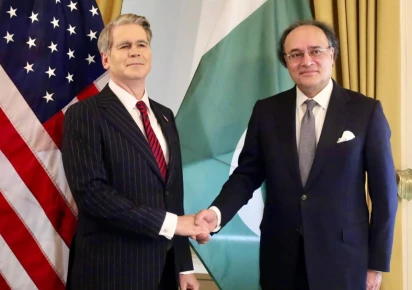
    ISLAMABAD: Pakistan expects to receive a response from the United States within the next few months on its request for a proposed $10 billion bilateral exchange stabilisation facility. The proposed arrangement is aimed at strengthening confidence in Pakistan’s currency and foreign exchange market. It could also help the country improve access to international capital markets and attract more private investment. Adviser to the Finance Minister Khurram Schehzad said discussions between Pakistan and the US over the proposed facility had been constructive. He said the facility could act as a financial backstop for Pakistan and send a positive signal to investors about the stability of the country’s currency market. Pakistan formally approached US Treasury Secretary Scott Bessent last month for the proposed Bilateral Exchange Stabilisation Support Facility. The arrangement could have a maturity period of up to five years. Finance Minister Muhammad Aurangzeb has clarified that the proposed $10 billion arrangement should not be viewed as a conventional loan or credit line. He said the main objective was to provide confidence regarding exchange-rate and currency stability. Such a signal, he added, could help Pakistan return to international markets to raise funds. The finance minister said the request was being considered by the US Treasury Department and that progress was expected by September. If approved, the facility could strengthen Pakistan’s foreign exchange reserves and ease pressure on the rupee. It could also reduce the country’s dependence on multilateral financing. The proposed support comes as Pakistan continues efforts to improve its external financial position under an International Monetary Fund programme. The IMF programme has required the government to implement difficult fiscal and monetary measures, including higher taxes, spending controls and structural reforms. Pakistan has also been seeking to improve its economic and diplomatic engagement with Washington. Its recent diplomatic role in regional developments has increased expectations that stronger relations with the United States could lead to greater economic cooperation. Meanwhile, Pakistan’s credit outlook received a boost after Moody’s upgraded its sovereign rating from Caa1 to B3. However, the rating agency maintained that Pakistan continues to face challenges related to governance, rule of law, corruption control and government effectiveness. Although the B3 rating represents an improvement, it remains well within the speculative category and is several levels below investment grade.

  • | | |

    Pakistan welcomes Kuwait’s ratification of defen…

    Pakistan has welcomed Kuwait’s ratification of the bilateral defence cooperation agreement, describing the move as a significant milestone in strengthening defence relations and strategic cooperation between the two friendly nations. In an official statement issued on Wednesday, Pakistan’s Ministry of Foreign Affairs said the ratification reflects the long-standing partnership between Pakistan and Kuwait and reinforces their shared commitment to expanding defence and security collaboration. According to the Foreign Office spokesperson, defence relations between Pakistan and Kuwait are built on a strong foundation established during the 1980s. The agreement is expected to enhance cooperation in several key areas, including military training, professional military education, joint exercises, and the exchange of expertise between the armed forces of both countries. The spokesperson noted that the agreement provides a comprehensive institutional framework designed to promote closer coordination and sustained engagement between the defence establishments of Pakistan and Kuwait. The framework is intended to strengthen institutional links while creating new opportunities for collaboration in defence-related fields. Pakistan also expressed its commitment to working closely with Kuwait to ensure the effective implementation of all provisions outlined in the agreement. The Foreign Office stated that both countries would continue coordinating on the execution of the pact in accordance with its agreed terms. Officials emphasized that the growing defence partnership is based on mutual trust, shared interests, and long-standing institutional cooperation. The agreement is expected to further expand bilateral military relations while supporting broader strategic objectives for both nations. Beyond strengthening military cooperation, Pakistan believes the agreement will contribute positively to regional peace, security, and stability. The Foreign Office highlighted that enhanced defence collaboration between Islamabad and Kuwait City reflects a common desire to promote security cooperation and maintain constructive relations in the region. The bilateral defence cooperation agreement was originally signed in June 2023 as part of ongoing efforts to deepen strategic engagement between the two countries. Kuwait’s formal ratification now paves the way for the agreement’s full implementation, allowing both sides to advance cooperation through structured military exchanges, joint training initiatives, and institutional partnerships. The latest development underscores the enduring friendship between Pakistan and Kuwait and signals a renewed commitment to strengthening defence ties in support of shared security interests and regional stability. Both governments are expected to continue expanding cooperation in the years ahead through regular dialogue and practical defence collaboration.

  • | |

    Pakistan goods transporters association declares i…

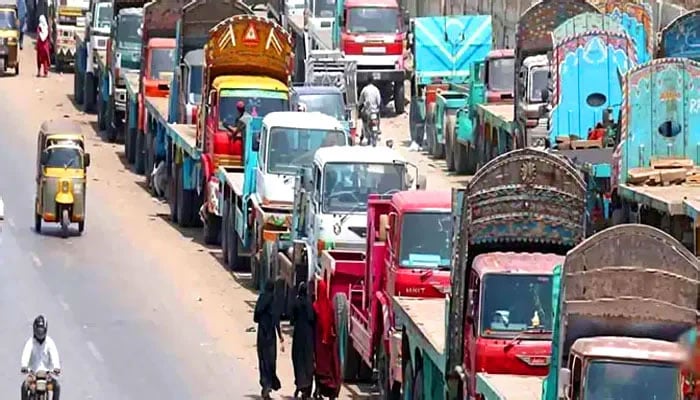
      The Pakistan Goods Transporters Association has raised serious concerns over the volatile and unpredictable daily adjustments in petroleum prices, stating that such frequent fluctuations make it impossible for the transport sector to continue operations smoothly. In a press conference held in Lahore, association officials, led by President Nabeel Mahmood Tariq, articulated a series of demands and grievances that have been mounting over recent months, warning that without immediate government intervention, the entire logistics and supply chain network could face severe disruption. Addressing the media alongside other senior office-bearers of the All Pakistan Goods Transporters Association, Nabeel Mahmood Tariq emphasized that the transportation industry is the backbone of the national economy, responsible for moving essential commodities, industrial raw materials, and consumer goods across the length and breadth of the country. However, he argued that the current pricing mechanism for petroleum products—which has seen almost daily revisions—has created an environment of extreme uncertainty for fleet operators. Unlike larger corporate entities, most truck owners and small transport companies operate on thin profit margins, and without a stable fuel pricing framework, they are unable to quote competitive rates to clients or plan their operational budgets effectively. Tariq pointed out that many transporters have already started grounding their vehicles, as each trip now carries the risk of financial loss if fuel prices rise unexpectedly mid-journey. Beyond fuel prices, the association president laid out a comprehensive list of demands aimed at reducing the financial burden on the sector. First and foremost, he called for an immediate end to unnecessary customs checking at various inter-provincial checkpoints. According to Tariq, these intrusive and repetitive inspections not only cause long delays—sometimes stretching into hours—but also open the door to harassment and bribery, which further inflate the cost of doing business. He urged the federal and provincial governments to streamline customs procedures and adopt a more efficient, technology-driven system that would expedite the movement of goods without compromising security or revenue collection. Another major point of contention raised by Tariq was the recent increase in toll taxes on highways and motorways. He demanded that this hike be rolled back completely, arguing that transporters are already struggling with rising maintenance costs, spare part prices, and tyre rates. The additional toll burden, he said, is simply unsustainable and forces many operators to take longer, less safe alternative routes, which ultimately hurts the overall efficiency of freight movement. Turning his attention to provincial policies, particularly in Punjab, Tariq called for the establishment of new, modern truck terminals across the province. He noted that existing truck stands and loading points are outdated, overcrowded, and lack basic amenities for drivers and helpers. New truck yards, equipped with proper parking, resting areas, workshops, and loading/unloading facilities, would not only improve working conditions but also reduce traffic congestion in urban centers. He also strongly condemned the 300 percent increase in token tax imposed on commercial vehicles in Punjab, labeling it as punitive and counterproductive. He demanded that this excessive tax hike be withdrawn immediately, asserting that it disproportionately affects small owner-operators who form the majority of the association’s membership. In a significant announcement, Nabeel Mahmood Tariq declared that the association fully supports the wheel-jam strike (hunger strike) called for August 8, which has been organized by various transport unions across the country to pressure the government into addressing these long-standing issues. He clarified that this is not a political move but a last-resort measure to draw attention to the existential crisis facing the transport industry. He warned that if the government fails to respond positively before that date, thousands of trucks, trailers, and tankers will park on the roads, effectively paralyzing the movement of food, medicine, fuel, and industrial goods. Such a strike, he cautioned, would have catastrophic consequences for an already fragile economy, leading to shortages, price hikes, and factory closures. Concluding his address, Tariq appealed to Prime Minister Shehbaz Sharif and the chief ministers of all provinces to personally intervene and hold urgent consultations with transport representatives. He reiterated that the industry is not asking for subsidies or charity, but merely for a predictable policy environment, fair taxation, and the elimination of corrupt practices at checkpoints. He expressed hope that the government would act wisely and avert a crisis that benefits no one except speculators and hoarders. The press conference ended with a unanimous resolution passed by the association leaders, vowing to continue their struggle peacefully but firmly until all their legitimate demands are met. The coming days, they warned, will be decisive for the future of Pakistan’s transport sector and, by extension, its entire supply chain.

  • | |

    JI secretary general Ameerul Azeem laid to rest af…

      Lahore, July 23: Jamaat-e-Islami (JI) Pakistan Secretary General Ameerul Azeem was laid to rest on Thursday following funeral prayers at Mansoorah, Lahore, attended by thousands of mourners from across the country. The funeral prayer was led by JI Emir Hafiz Naeem ur Rehman, who paid rich tribute to the late leader, describing him as a committed worker of Islam who devoted his entire life to religious, political and organizational service. A large number of senior Jamaat-e-Islami leaders, politicians, religious scholars, lawyers, journalists, teachers, traders, representatives of labour and farming communities, civil society members and party workers attended the funeral. Federal Minister Ahsan Iqbal, former Punjab Governor Chaudhry Sarwar, former Foreign Minister Khurshid Mahmood Kasuri, former Federal Minister Muhammad Ali Durrani, former Lahore Mayor Khawaja Ahmad Hassan, JUI-F leader Maulana Muhammad Amjad Khan, PML-N leaders Hafiz Nauman and Mian Marghoob, Jamiat Ahl-e-Hadith chief Ibtisam Elahi Zaheer, along with several senior Jamaat-e-Islami office-bearers and district emirs from across Pakistan, were among those present. Representatives of minority communities, including Punjab Minister for Minority Affairs Sardar Ramesh Singh Arora and members of the Gurdwara Prabandhak Committee, also attended to offer condolences. Addressing the gathering, Hafiz Naeem ur Rehman said Ameerul Azeem spent his entire life striving for the establishment of Islamic values and remained an example of sincerity, discipline and dedication. He said the late leader was deeply compassionate toward party workers and always remained accessible to every member of the organization. Despite suffering from cancer, he continued fulfilling his organizational responsibilities with determination and never allowed his illness to affect his commitment to the party. The JI chief said Ameerul Azeem believed Jamaat-e-Islami had entered a crucial phase in its struggle and consistently encouraged workers to remain steadfast in pursuing the party’s mission. He prayed that Allah Almighty grant the departed leader the highest place in Jannah and bless his family with patience. Senior JI leader Liaqat Baloch also paid tribute, recalling his more than five-decade association with Ameerul Azeem. He said the late leader’s journey from student politics to one of the party’s highest offices reflected his unwavering dedication, adding that his services would continue to inspire generations of workers. Ameerul Azeem passed away on Wednesday night after a prolonged battle with cancer. Throughout his illness, he remained active in party affairs and continued serving the movement until his final days. Born in Lahore in 1958, Ameerul Azeem earned a Master of Business Administration (MBA) degree from the University of the Punjab. He began his political journey through Islami Jamiat-e-Talaba (IJT), serving as Nazim of IJT Lahore before becoming Nazim-e-Aala of IJT Pakistan. During General Zia-ul-Haq’s rule, he led the movement for the restoration of student unions, endured imprisonment, and was elected Nazim-e-Aala while in jail. He also served as president of the Punjab University Students Union. After transitioning from student politics, he held several important positions within Jamaat-e-Islami, including Emir of Lahore, Emir of Central Punjab, Central Information Secretary and Secretary General of Jamaat-e-Islami Pakistan on two occasions. In 2019, then JI Emir Sirajul Haq appointed him Secretary General of the party. Remembered for his humility, integrity and organizational abilities, Ameerul Azeem also played a prominent role in the Lawyers’ Movement for the restoration of the judiciary and remained a strong advocate of constitutional supremacy, democratic values and the rule of law. Widely respected across political, social and media circles, he leaves behind a legacy of principled leadership and dedicated public service.

  • |

    US military faces growing strain as Iran conflict tests support for Israel

    A senior American military commander has warned that the United States could soon struggle to maintain its support for Israel while also protecting its own military interests across the Middle East. The warning reflects increasing concern inside the Pentagon that the ongoing conflict with Iran is placing heavy pressure on US naval forces and missile defence resources. According to reports from The Washington Post and other international media outlets, General Alexus Grynkewich, who leads US European Command, has told Pentagon officials that American naval assets in the region are becoming overstretched. He reportedly said that unless another US Navy destroyer is deployed, military commanders may eventually have to choose between defending American personnel and continuing missile defence operations in support of Israel. His assessment has drawn attention because it comes from one of the senior officers directly responsible for overseeing US military operations rather than from outside analysts. It suggests that the growing demands on American forces are becoming a serious concern at the highest levels of military planning. US Navy destroyers equipped with the Aegis combat system have played a major role in helping defend Israel from Iranian missile attacks. These warships are capable of detecting incoming ballistic missiles and intercepting them using advanced SM-3 and SM-6 missile systems. However, these destroyers are also critical to American security operations around the world. They are needed in the Indo-Pacific to counter China’s growing military presence, in Europe to support NATO allies, and across the Middle East to protect US military bases and key shipping routes. Sending more of these ships to one conflict reduces the military’s ability to respond quickly to other global crises. The conflict has also placed significant pressure on America’s stockpile of advanced missile defence systems. Pentagon assessments reported by The Washington Post indicate that US forces have fired more than 200 THAAD interceptors during the fighting with Iran, which is believed to be nearly half of the country’s available inventory. In addition, US Navy ships have launched more than 100 missile interceptors. Although Israel also relied on its own defence systems, including the Arrow and David’s Sling missile shields, American support proved essential during the most intense phases of the missile exchanges. Military experts say the challenge goes beyond the number of missiles used. Advanced interceptors are highly sophisticated weapons that require considerable time and resources to manufacture. Replacing depleted stockpiles cannot happen quickly, raising concerns about America’s ability to sustain long conflicts while remaining prepared for new security threats elsewhere. Defence planners have warned that prolonged military operations could leave the United States with reduced inventories of some of its most important air defence weapons. For many years, US military strategy has been based on the ability to respond to several major conflicts at the same time. The country maintains security commitments across Europe, the Middle East, and the Indo-Pacific, requiring a constant supply of military equipment and personnel. The latest warning from US European Command suggests those assumptions are now being tested as growing global tensions demand the same resources in multiple regions. An analysis by the Center for Strategic and International Studies, cited by CNN, estimates that the US has already used a large share of its advanced missile inventory in recent weeks. The report suggests that around half of the country’s THAAD and Patriot interceptors have been consumed, while substantial numbers of Precision Strike Missiles, Tomahawk cruise missiles, Joint Air-to-Surface Standoff Missiles, and SM-3 and SM-6 interceptors have also been used. The findings highlight a broader challenge facing the US military. Although it remains one of the world’s strongest armed forces, modern warfare is consuming advanced weapons at a pace that is difficult for defence industries to match. As conflicts continue across different regions, Washington may increasingly face difficult decisions about where to deploy its military resources.

Leave a Reply

Your email address will not be published. Required fields are marked *