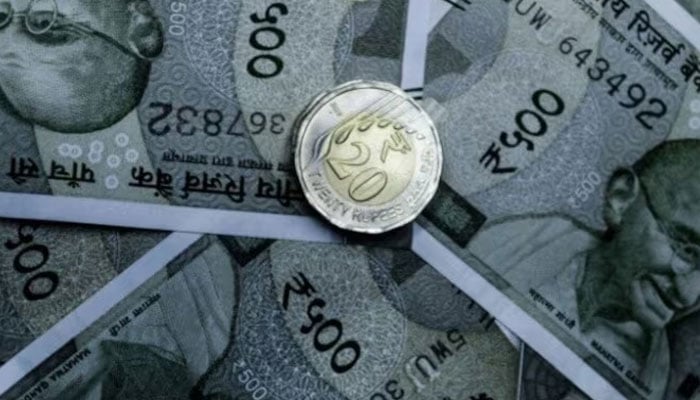
Indian rupee hits record low against dollar
The Indian rupee has dropped to its lowest level on record against the US dollar, highlighting increasing pressure on the country’s currency amid challenging global economic conditions.
For the first time in history, one US dollar has reached the value of 97 Indian rupees, marking a new record low for the Indian currency. The latest decline reflects growing concerns over external economic pressures and weakening investor confidence.
According to international reports, the Reserve Bank of India (RBI) stepped into the foreign exchange market to support the rupee and limit further losses. Central bank intervention is aimed at reducing excessive volatility and preventing sharp fluctuations in the value of the currency.
The latest depreciation comes only a few months after the rupee had already reached a previous record low of 96.96 per US dollar in May 2026. The fall to 97 rupees per dollar now represents the weakest exchange rate ever recorded for the Indian currency.
Economists say several factors are driving the rupee’s decline. One of the biggest reasons is the sharp rise in global crude oil prices, which has significantly increased India’s import bill. As one of the world’s largest importers of crude oil, India requires large amounts of US dollars to pay for energy imports, increasing demand for the American currency.
Experts also point to the strengthening of the US dollar in international markets, continued foreign investment outflows and growing pressure from expensive imports. These factors have reduced demand for the rupee while increasing demand for dollars, causing further depreciation.
Market analysts warn that a weaker rupee could increase the cost of imported goods, including fuel, machinery and industrial raw materials. Higher import costs may also contribute to inflation and raise production expenses for businesses across different sectors of the economy.
Financial experts believe the Reserve Bank of India will continue monitoring developments closely and may introduce additional measures if market volatility continues. The central bank is expected to use its foreign exchange reserves and other monetary tools to stabilise the currency and restore investor confidence.