thai foreign minister

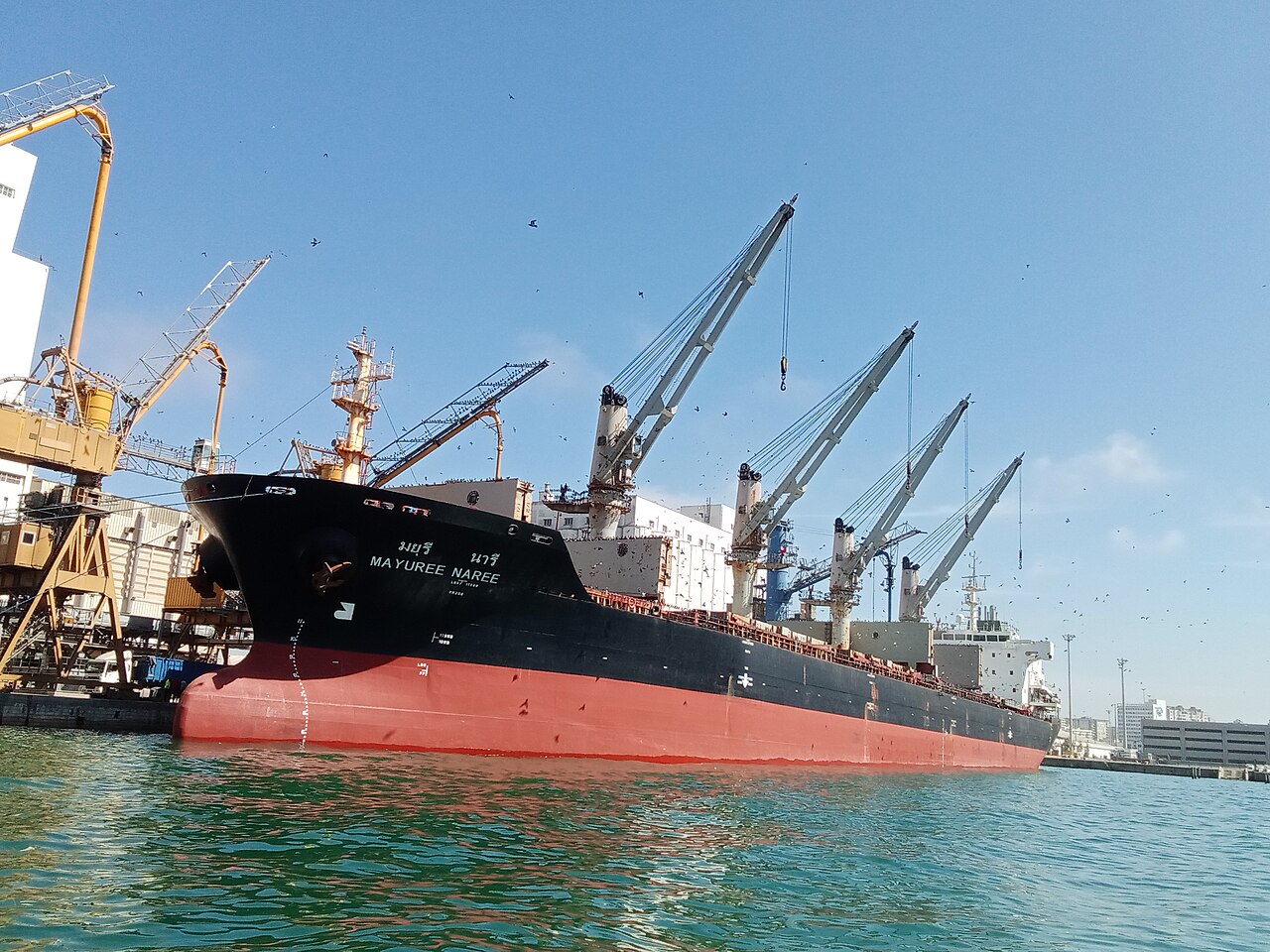
Thai Foreign Minister Confirms Deaths of Three Thai Crew Members from Mayuree Naree

BANGKOK — Deputy Prime Minister and Foreign Minister Sihasak Phuangketkeow has confirmed the deaths of three Thai crew members from the vessel Mayuree Naree, even as he welcomed a two-week ceasefire agreement between the United States and Iran that offers a glimmer of hope for reduced tensions in the Middle East.

Remains Found on Thai Ship Struck Near Hormuz as Search for Missing Crew Continues

Speaking on April 8, 2026, Sihasak described the truce as a positive development that could ease global energy pressures, which have also affected Thailand. He expressed hope that the two-week period would allow both sides to move toward a more permanent resolution, noting that the conflict has caused significant damage across the region and disrupted global energy supplies, contributing to higher prices worldwide.

The minister also revealed plans to visit Oman on April 15-16 at the invitation of Oman’s foreign minister. During the visit, he will thank Omani authorities for their assistance in securing the safe return of 20 Thai crew members from the Mayuree Naree. However, he delivered the deeply saddening news that the three remaining crew members had died. Discussions in Oman will also focus on maritime safety in the Strait of Hormuz, which is jointly overseen by Oman and Iran. Sihasak expressed hope that the ceasefire period would allow stranded vessels to pass safely through the strait.

While one Thai oil tanker has already arrived safely in Thailand, nine other Thai vessels along with ships carrying fertiliser remain waiting to transit the area. The minister urged Thai nationals in affected regions to use the ceasefire window to return home as soon as possible. Citizens requiring assistance, including financial support, were advised to contact Thai embassies, which can provide aid through designated funds.

Sihasak also announced that ASEAN foreign ministers will hold a special meeting on April 13 to discuss the Middle East situation. The talks are expected to focus on strengthening regional energy cooperation, potentially extending beyond ASEAN to include dialogue partners. Meanwhile, a crude oil tanker carrying approximately 700,000 barrels from the Middle East has arrived safely at Bangchak Corporation’s refinery port in Si Racha, ensuring continued fuel production and supply in Thailand. The vessel reached the port on the night of April 7, 2026, before unloading crude oil for refining.

Thai Cargo Ship Attacked Near Strait of Hormuz, Three Crew Missing

Bangchak Corporation confirmed that the shipment is part of its planned crude oil procurement strategy. The tanker successfully navigated the Strait of Hormuz before completing its journey to Thailand without incident. The cargo will be processed at the Si Racha refinery to maintain steady output and meet domestic demand. The company has indicated that it remains committed to delivering petroleum products to consumers without disruption, with further shipments likely to follow as part of its ongoing supply management plan.

-Thailand News (TN)

Similar Posts

  • | | | |

    Pakistan repays $1.4bn China loan

    Pakistan has repaid a $1.4 billion commercial loan to China, with refinancing expected within the next few weeks, State Bank of Pakistan (SBP) Governor Jameel Ahmad said on Wednesday. Speaking to reporters after attending a meeting of the Senate Standing Committee on Finance at Parliament House, the SBP governor said the country had made external debt repayments worth $2.2 billion during July 2026. The repayments included the $1.4 billion commercial loan to Chinese banks, while the remaining $800 million was used to settle other external liabilities. Ahmad said the refinancing from Chinese banks had not yet been received but was expected shortly, adding that the funds would be made available to Pakistan after a brief delay. The central bank governor also revealed that the SBP had purchased $28 billion over the past three years to strengthen the country’s foreign exchange reserves. He said Pakistan’s external debt repayment requirement had declined from $26.5 billion to $21.5 billion, easing pressure on the country’s finances during the current fiscal year. According to Ahmad, around $3.5 billion of the remaining repayments will be used to service interest obligations. He said the government would continue its strategy of increasing foreign exchange reserves while maintaining external financial stability. The SBP governor further noted that Pakistan would require the rollover of nearly $12 billion in deposits from Saudi Arabia and China to support its external financing position. He expressed confidence that the country’s debt repayment burden would remain lower this year compared with previous years, helping improve Pakistan’s overall economic outlook.

  • |

    Thousands Sahiwal villagers demand steel bridge at…

    SAHIWAL: Residents of villages 76/5-R, 77/5-R and 74/5-R have renewed their demand for a steel overhead bridge at 77 Wali Pully. They saying the long-standing absence of a safe railway crossing has turned a routine journey into a daily hazard for thousands of people. The three villages are home to an estimated 20,000 to 23,000 people. Residents say the proposed bridge would provide a safe route for pedestrians, cyclists, motorcyclists and rickshaws to cross the Lower Bari Doab Canal (LBDC) and the double-track Lahore-Khanewal railway line. They also demand improving access to the Lahore-Multan National Highway and markets in Yousafwala, Qadirabad and Sahiwal. The demand has been raised repeatedly with the district administration, Pakistan Railways, Punjab government and local PML-N parliamentarians since the 1,320MW Sahiwal coal-fired power plant became operational in 2017. Official records confirm that the plant is located near Qadirabad and that its commercial operations began in October 2017. Before the power plant was built, villagers had two traditional routes to Yousafwala and Qadirabad markets. One was through the railway crossing near Yousafwala Railway Station, which allowed light and heavy traffic to pass. The other, locally known as “77 Wali Pully”, involved crossing the LBDC by wire-boat before walking across the railway tracks. Tehzeeb, an LHV from village 76/5-R, said the second route had been used for three to four decades, particularly by women and pedestrians. Rickshaws operated on both sides of the canal and railway line, helping commuters reach nearby villages and markets. However, following the power plant’s development, the railway crossing was closed for public use and traffic was diverted to a new route several kilometres away. A concrete bridge was constructed over the LBDC, but no corresponding crossing was provided over the double railway track. “This challenge of crossing the railway line remains unresolved,” said Sadique, a resident of 76/5-R. Villagers say more than 1,000 people, including students, women, elderly residents, traders and labourers, cross the area on foot every day, often facing the danger of fast-moving trains. Pir Imran Shah, a former four-time MNA, said he had twice forwarded the villagers’ proposal to Pakistan Railways, but it did not progress to the PC-I stage. Residents working through the Model Village Welfare Committee have now renewed their appeal. Najam Lumberdar of 77/5-R said the bridge would eliminate a lengthy detour and provide safer access to markets and Sahiwal city. A local civil society representative also described the demand as genuine, noting that similar pedestrian and motorcycle bridges have been constructed elsewhere. Dawn has learnt that Pir Imran Shah has again forwarded the committee’s application to Pakistan Railways, seeking preparation of a PC-I and construction of the proposed steel bridge. For residents, the demand is simple: a safe crossing that restores the connectivity they say was lost nearly a decade ago.

  • | |

    HIV-positive children in Pakistan reach 7,500

    The number of children living with HIV in Pakistan has risen to approximately 7,500, according to the latest figures released by the federal Ministry of Health. The data highlights the growing need for improved healthcare, nutrition, and long-term support for affected children across the country. Official statistics show that around 62,000 HIV patients are currently receiving treatment in Pakistan. Children account for nearly 12 percent of all registered patients, reflecting the significant impact of the disease on younger age groups. According to the ministry, Sindh has emerged as the province with the highest number of HIV-positive children. Nearly 4,200 children infected with the virus have been registered in the province, making it the country’s largest concentration of pediatric HIV cases. In response to the situation, the federal government has sought nutritional assistance from UNICEF, the World Food Programme (WFP), the World Health Organization (WHO), and Nutrition International. The support is aimed at improving the health and nutritional status of children living with HIV. Authorities said a special program has been planned to provide nutritional supplements to HIV-positive children. Those suffering from severe malnutrition will receive therapeutic food along with continuous medical monitoring to improve their overall health and treatment outcomes. The government also plans to provide guidance to parents and caregivers on meeting the nutritional needs of children living with HIV. Health experts believe that proper nutrition plays a critical role in strengthening immunity and supporting the effectiveness of treatment. Medical experts said children infected with HIV require 10 to 20 percent more energy and protein than healthy children of the same age. They stressed that addressing malnutrition can significantly improve recovery, enhance the effectiveness of treatment, and help HIV-positive children lead healthier lives.

  • | |

    Shazia Marri demands accountability over PIMS trag…

    ISLAMABAD: Pakistan Peoples Party (PPP) leader and Member of the National Assembly Shazia Marri has strongly criticised the federal government over the deaths of newborn babies in the Pakistan Institute of Medical Sciences (PIMS) fire, calling the incident a serious example of administrative negligence. In a statement, Marri said innocent children had lost their lives, yet no one appeared to be taking responsibility for the tragedy. She alleged that ordinary citizens were paying the price for what she described as incompetence and poor management by the federal government. Marri demanded that those responsible for the incident be identified and proceeded against according to the law. She questioned the federal health minister’s position, asking what justification there was for remaining in office if the minister could not ensure the safety and proper administration of a major government hospital. The PPP leader said the deaths of newborns could not simply be dismissed as an accident while ignoring possible administrative failures. She called for a transparent and impartial investigation into the PIMS fire and urged authorities to determine whether negligence or shortcomings in hospital management contributed to the loss of lives. Marri also questioned the hospital’s fire safety arrangements and emergency response. She asked where the required safety measures were when the fire broke out and why immediate rescue and emergency procedures could not prevent the deaths. The PPP leader demanded strict legal action against anyone found responsible following the investigation. She said the federal government should accept responsibility for the incident and ensure justice for the families who lost their children. Marri described the loss of innocent lives as irreparable and said those found guilty of negligence should not be given any concession. Her remarks came amid widespread public anger following the PIMS tragedy, which has prompted demands for accountability, improved fire safety systems and stronger emergency preparedness at government hospitals.

  • | |

    Sewage flood damages SBCA property records

    KARACHI: Sewage water has flooded the record room at the headquarters of the Sindh Building Control Authority (SBCA), damaging hundreds of land and building-related files and raising concerns over the safety of vital property records. The affected room at the SBCA Civic Centre headquarters contains thousands of documents submitted by citizens, including approved building plans, structural drawings and other records used to verify property details. Officials retain copies of approved residential and commercial building plans in the record room for future reference. However, sewage water reportedly entered the facility after poor maintenance and alleged negligence, submerging hundreds of files and damaging important documents. Another important SBCA department, formerly known as Town Planning and now called Structure Planning, operates next to the affected record room. Sources said the flooding also damaged records dating back several years. According to sources, sewage had been accumulating in the area for several days, but the maintenance department failed to resolve the issue in time, resulting in damage to critical official records. Following a report by Express News, Additional Director General Farhan Qaiser took notice of the incident and ordered an inquiry against three officials. He directed authorities to submit a report within 24 hours and warned that officials found responsible for negligence would face suspension. The incident has also raised questions about oversight, as the SBCA Director General’s office is located only a short distance from the affected record room. However, no immediate directives reportedly came from the DG’s office. An SBCA spokesperson said the Director General was attending a meeting with Sindh Local Government Minister Nasir Hussain Shah regarding improvements to the authority’s one-window operation. Citizens have expressed serious concern over the damage, saying the incident could undermine public confidence in the protection of property records. They have called on the Sindh government to take immediate steps to ensure the safety and proper preservation of such documents.

  • | |

    Zelensky removes army chief Syrskyi after week of …

    Ukrainian President Volodymyr Zelensky has dismissed the country’s commander in chief, Oleksandr Syrskyi, just days after removing popular Defence Minister Mykhailo Fedorov in a move that triggered widespread street protests across Ukraine. Early speculation that Fedorov’s removal stemmed from tension between him and Syrskyi was soon confirmed. Fedorov, 35, has drawn broad praise for reenergizing the defence ministry, driving reforms across the armed forces and pushing an anti corruption campaign. Syrskyi, 60, has been viewed by many in Ukraine as a Soviet trained commander resistant to sweeping changes within the military. In a farewell message posted on Telegram, Syrskyi defended his record, noting that the army he led through a difficult defensive campaign two years ago now stands on the offensive. He said he was handing over to his successor a force that is not just holding ground but advancing, and expressed hope that the offensive would continue. Zelensky named Mykhailo Drapatyi, 43, a popular and battle tested general, as Syrskyi’s replacement. Drapatyi said on Facebook that he would approach the role with full focus, responsibility and respect for those currently defending the country. He also thanked Syrskyi for his consistent work strengthening the Ukrainian army, saying he had grown up within it professionally. In a video posted late Tuesday, Zelensky thanked Syrskyi for his military leadership, including his role defending Kyiv during the earliest days of Russia’s full scale invasion in 2022. Zelensky also said he met with Fedorov earlier that day and offered him a worthy position within the government, though he did not specify whether Fedorov had accepted. Fedorov had been replaced last week by Yevhenii Khmara, a former senior official at Ukraine’s Security Service. Zelensky said all decisions would be formalized the following day. Fedorov congratulated Drapatyi on his new role, describing the appointment as a new source of hope in the broader fight of free people for freedom and justice, and calling it the voice of change that could no longer be ignored. Fedorov also said he called Syrskyi personally to thank him for defending the Kyiv region and for other significant battles, while adding that Ukraine needs to move even faster and correct past mistakes. Fedorov had only taken over as defence minister in January but quickly earned praise for using data driven analysis to improve battlefield performance. A former minister of digital transformation, he built a volunteer cyber unit known as the IT Army of Ukraine early in the full scale invasion. He later led a successful fundraising initiative called the Army of Drones and introduced elements of gamification into the war effort, creating a system that rewarded Ukrainian military units with credits for striking Russian targets. Fedorov’s removal sparked six days of widespread protests, placing mounting pressure on Zelensky to dismiss Syrskyi. Zelensky appeared to respond to that pressure by replacing him with Drapatyi, viewed as a younger and more innovative commander who is also considered a close friend of Fedorov’s. Fedorov’s clear support for Drapatyi’s appointment is likely to help ease the political tension that built up over the past week. Acting Defence Minister Khmara remains in his position for now, with Zelensky asking him and Drapatyi to develop a new defence strategy addressing issues including reform of the military corps system, weapons supply and drone capabilities. In an op-ed published Monday on the Militarny website, Syrskyi described his relationship with Fedorov as strictly professional and offered an apology if he had offended him. He said decisions surrounding military contracts, procurement and mobilization involve far more complexity than most people recognize, arguing that real progress, not public drama, ultimately determines the outcome of the war. Protesters are expected to continue pushing for Fedorov’s return to a position of genuine authority where he can keep driving innovation in Ukraine’s fight against Russia. Should that happen, Zelensky may succeed in repairing much of the immediate political damage, though many Ukrainians remain unlikely to forgive what they viewed as his original misstep in removing Fedorov in the first place.

Leave a Reply

Your email address will not be published. Required fields are marked *