former thai thaksin

Former Thai PM Thaksin Freed on Parole After Eight Months in Prison

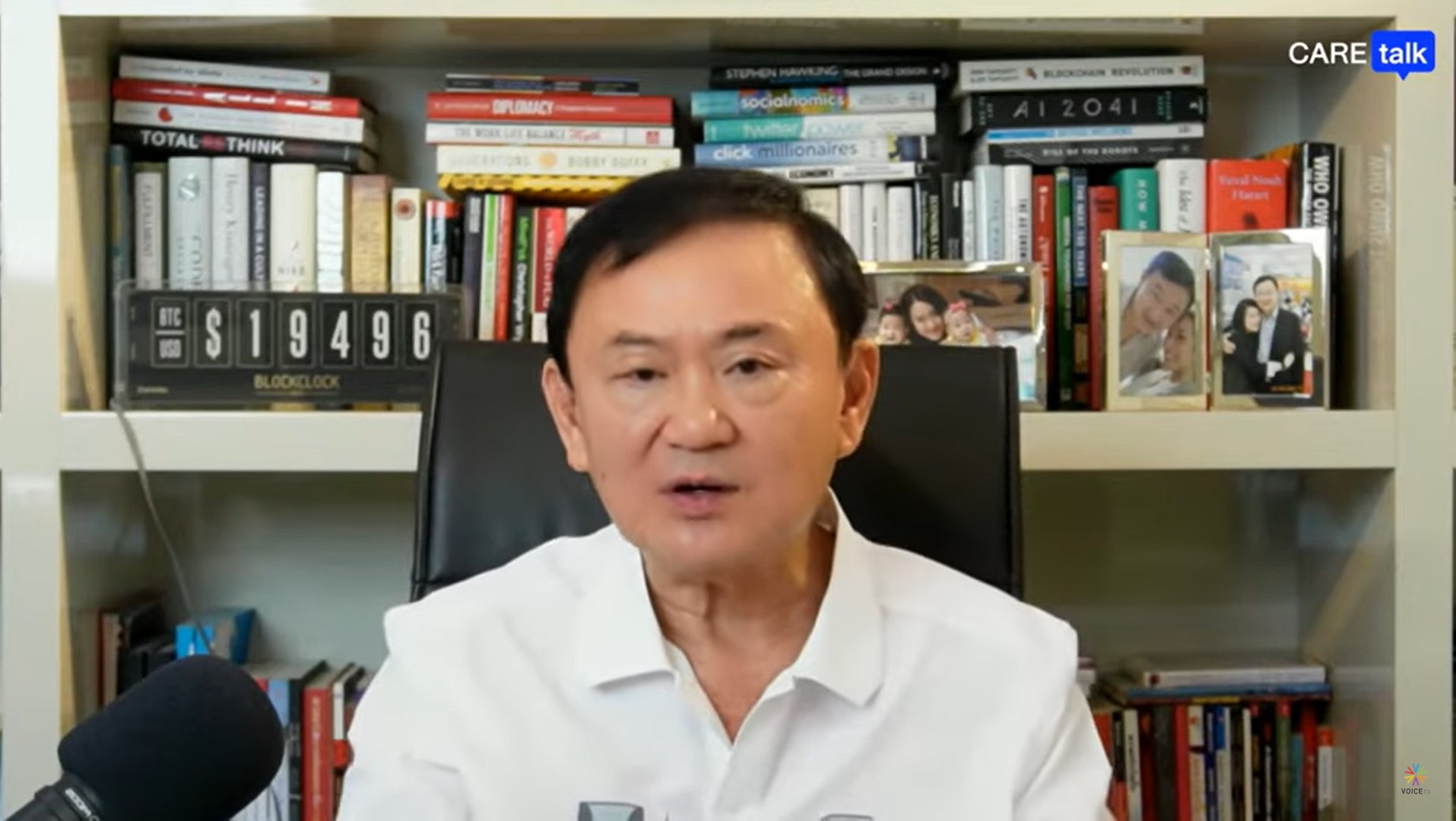
BANGKOK — Former Prime Minister Thaksin Shinawatra walked free from Bangkok Remand Prison early this morning after serving eight months behind bars, emerging to cheers from hundreds of supporters and an emotional reunion with members of the influential Shinawatra family. The 78-year-old political patriarch was released on parole under strict conditions that include wearing an electronic monitoring bracelet, marking a significant turning point in one of Thailand’s most consequential political sagas.

Thaksin Shinawatra Granted Parole, Set for Release on May 11

Large crowds of supporters, many dressed in red — the signature colour associated with the ruling Pheu Thai party — had been gathering outside Klong Prem Central Prison since yesterday to welcome the controversial former leader, whose political influence remains substantial despite his long absence from formal office. Metropolitan Police Division 2 deployed officers around the prison overnight to maintain security and order, aware that any disturbance involving Thaksin’s supporters could trigger broader political fallout.

Corrections Department officials set up designated media areas and installed barriers around the prison compound, limiting access to authorised personnel only. The heavy security reflected concerns that the release of a figure who was ousted by a military coup in 2006, spent years in self-exile and remains deeply polarising could become a flashpoint for political tension.

As a condition of his parole, Thaksin was fitted with an electronic monitoring bracelet before his release. The ankle device, which tracks his movements and ensures compliance with curfew and reporting requirements, symbolises the limits of his freedom even as he leaves prison. He was also briefed on the use of the device and completed documentation related to the probation process.

Within three days of his release, Thaksin is required to report to Bangkok Probation Office 1, which oversees the area of his registered residence, to formally acknowledge the conditions of his parole. The conditions are standard for paroled offenders in Thailand, but for a former prime minister who once governed the country, the requirement to report to a probation officer is a significant demotion in status.

At 7:41 a.m., Thaksin emerged from the prison wearing a white shirt and dark blue trousers, smiling as he embraced family members — including his daughter, former prime minister Paetongtarn Shinawatra — and greeted supporters waiting outside. The scene was carefully choreographed but undeniably emotional: a father reunited with his children, a former leader greeted by followers who never abandoned him, even after years of exile and months behind bars.

According to the planned schedule, prison officials began processing his release documents at 6:00 a.m., a process that took about 45 minutes. Thaksin then attended the prison’s morning national anthem ceremony before greeting supporters and the media outside the gates. The attendance at the anthem ceremony was standard procedure for all inmates being released, but for Thaksin, standing for the anthem as a free man carried symbolic weight.

After leaving the prison, Thaksin travelled with Paetongtarn to Bangkok Probation Office 1 in Bangkok Noi district for procedures related to the EM bracelet and reporting while on parole. He was then expected to return to Ban Chan Song La, the Shinawatra family residence, where relatives had arranged a family lunch to mark his first day back home following his release.

Thaksin’s parole ends a chapter that began when he returned to Thailand last year after 15 years of self-exile. He was immediately arrested, convicted on charges related to abuse of power and sentenced to one year in prison. With time off for good behaviour and the parole approval, he has served eight months — a relatively short period for a man who once ran the country and was convicted of corruption.

Thaksin Shinawatra Set to Walk Free on Parole in May

The EM bracelet will remain on his ankle for the duration of his parole period, a visible reminder that while he is free, he is not entirely free. Whether Thaksin will remain politically active, whether his parole conditions will be strictly enforced, and whether his release will trigger political realignments are questions that will unfold in the coming months. For now, a former prime minister is home, his family is together, and his supporters are celebrating. The legal system has done its work. The political consequences are just beginning.

-Thailand News (TN)
Similar Posts

  • | |

    Youth dialogue calls for climate action in Punjab

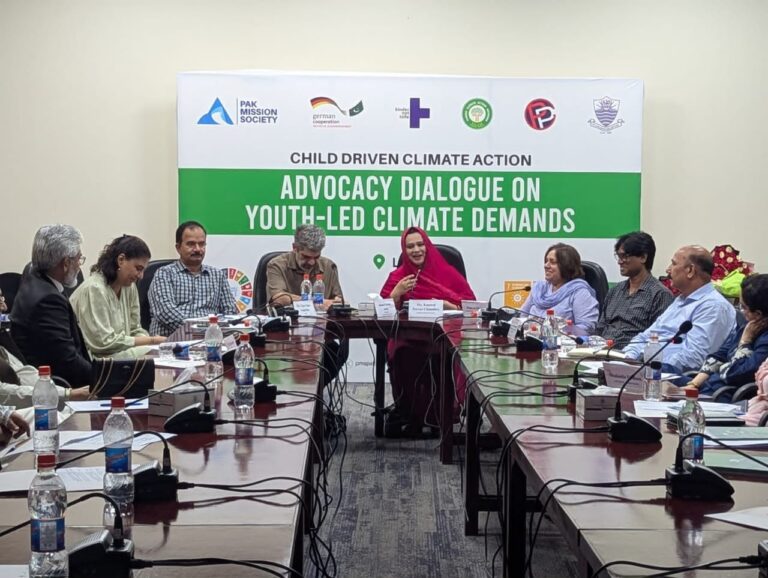
      A youth-led dialogue on climate action and greater youth participation in policymaking brought together parliamentarians, policymakers, environmental experts, civil society representatives and young people in Punjab. Pak Mission Society and Forman Christian College University jointly organised the event, where participants discussed climate policy, legislation and the role of young people in shaping environmental decisions. Parliamentary Secretary for Environment Kanwal Liaqat said Punjab Chief Minister Maryam Nawaz had identified climate change as a major priority after assuming office. She said the provincial government had since introduced several measures to address environmental challenges. Liaqat said brick kilns across Punjab must use zigzag technology to operate, while women environmental inspectors were helping strengthen monitoring and enforcement. She added that authorities were taking action against industries that pollute the air and water and were working to improve the condition of canals, streams and rivers. The dialogue also examined gaps in Punjab’s climate laws and policies. Members of Green Clubs presented five climate demands developed by children and young people, urging the government to give youth a stronger role in climate governance and policymaking. The event also featured a session titled “From Dreams to Reality: Advancing Youth-Led Climate Action in Pakistan,” moderated by environmental law expert Ahmed Rafi Alam. The concluding discussion focused on practical measures to address young people’s concerns and develop a roadmap for youth-led climate action in Pakistan. Participants included Rabia Chaudhry, Waqil Ahmed Khan, Dur-e-Shahwar, Dr Younas Zahid, Ahmed Rafi Alam, Hafiz Usman, Dr Abdul Qadir, Khurram Tauqeer and Shakeela Firdous.

  • | |

    PM Shehbaz arrives in Madinah, visits Masjid-e-Nab…

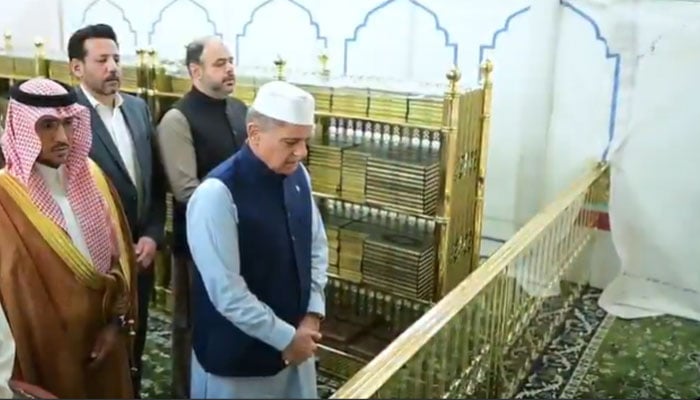
    Prime Minister Shehbaz Sharif has arrived in Madinah during his visit to Saudi Arabia and paid his respects at Masjid-e-Nabawi ﷺ. The prime minister was accompanied by members of his delegation during his visit to the holy mosque. Prime Minister Shehbaz offered Nafl prayers at Riyaz-ul-Jannah. He also prayed for the peace, progress and prosperity of Pakistan and the well-being of its people. During his visit, the prime minister also had the honour of visiting Roza-e-Rasool ﷺ. He offered prayers and paid his respects at the sacred site. The visit to Madinah is part of Prime Minister Shehbaz Sharif’s ongoing engagement with Saudi Arabia. His visit also reflects the close and longstanding ties between Pakistan and the Kingdom of Saudi Arabia. The prime minister’s presence at Masjid-e-Nabawi ﷺ was marked by prayers for the country’s stability, development and prosperity. He also prayed for the safety and well-being of the Pakistani nation. Earlier, Prime Minister Shehbaz Sharif has described the signing of the Makkah Agreement for Joint Defence between Pakistan, Saudi Arabia and Türkiye as a historic step towards strengthening peace, security and regional stability. In a post on X, the prime minister said he had the honour of signing the agreement alongside Saudi Crown Prince and Prime Minister Mohammed bin Salman and Turkish President Recep Tayyip Erdogan.

  • | |

    300 children die daily due to poor healthcare: Mus…

    Federal Health Minister Mustafa Kamal has said that nearly 300 children die every day in Pakistan because of inadequate healthcare facilities, stressing the need for urgent reforms and greater investment in the country’s health sector. Speaking at a ceremony held at a private hospital in Karachi, the health minister said Pakistan is moving in the right direction but acknowledged that significant challenges remain in improving healthcare services across the country. Mustafa Kamal said the nursing curriculum must be updated to meet modern healthcare standards and international requirements. He added that strengthening the skills of healthcare professionals is essential to improving the quality of medical services. Highlighting demographic challenges, the minister said Pakistan’s population is growing at an annual rate of 2.55 percent, placing increasing pressure on education, healthcare and other public services. He noted that the rapidly expanding population has left millions of children without access to education. The minister said the government’s primary focus is to prevent diseases through vaccination and public awareness rather than relying solely on treatment. He added that Pakistan spends millions of dollars every year on vaccination programmes and warned that the cost could rise to $1.2 billion by 2030 if current trends continue. Mustafa Kamal said a lack of public awareness remains one of the biggest obstacles to successful immunisation campaigns. He noted that vaccination teams often face resistance, with some families refusing to cooperate by not allowing health workers into their homes. He said the government is working to improve awareness about the importance of vaccines and strengthen preventive healthcare programmes to reduce the burden of infectious diseases. The health minister also announced that the government is expected to sign agreements within the next few weeks to begin local vaccine production. He expressed hope that Pakistan would start manufacturing vaccines domestically before 2030, reducing dependence on imports and strengthening the country’s public health system.

  • | |

    SBP reserves fall $229m, gold prices rise

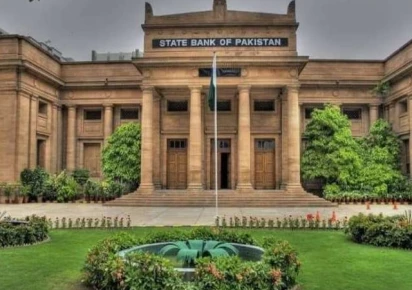
    The State Bank of Pakistan’s (SBP) foreign exchange reserves fell by $229 million in the week ending July 24, 2026, to $17.03 billion, mainly due to external debt repayments. Pakistan’s total liquid foreign exchange reserves stood at $22.4 billion during the week. The SBP held $17.03 billion, while commercial banks maintained net reserves of around $5.4 billion. Meanwhile, the Pakistani rupee edged up against the US dollar, closing at Rs277.81 in the interbank market on Thursday compared with Rs277.82 a day earlier. The dollar remained stable in early Asian trading after the US Federal Reserve kept interest rates unchanged. Gold prices in Pakistan also increased, following gains in international markets. The All-Pakistan Gems and Jewellers Sarafa Association said the price of 24-carat gold rose by Rs1,000 to Rs427,436 per tola. The price of 10 grams increased by Rs857 to Rs366,457. Internationally, spot gold gained 0.8% to $4,098.98 per ounce, while US gold futures for August delivery rose 1.4% to $4,097.70. The Federal Reserve maintained its current interest rates on Wednesday, while softer US inflation data reduced market expectations of a rate hike in September. Analysts, however, warned that the ongoing conflict in the Middle East could put renewed pressure on inflation. Silver prices moved lower in the domestic market, declining by Rs76 to Rs6,215 per tola. Interactive Commodities Director Adnan Agar said the gold market remained range-bound. Bullion traded between $4,028 and $4,120 before settling near $4,107, which he described as a “danger zone.”

  • |

    Haroon Akhtar appointed PM’s adviser on industri…

      The federal government has formally appointed Haroon Akhtar Khan as the Prime Minister’s Adviser on Industries and Production, granting him the status of a federal minister. President Asif Ali Zardari approved the appointment, while the Cabinet Division issued the official notification confirming Haroon Akhtar’s new role. He will take charge of his responsibilities immediately and oversee the Industries and Production portfolio as part of his advisory duties. Haroon Akhtar brings extensive political, business and economic experience to the position. He has served as a senator twice and has also been elected as a member of the Punjab Assembly on two occasions. His long association with the business community and industrial sector has given him substantial experience in economic policy, investment, taxation, industry and public-sector affairs. From 2015 to 2018, Haroon Akhtar served as Special Assistant to the Prime Minister on Revenue with the status of a federal minister. During his tenure, he remained involved in matters relating to taxation, revenue collection and economic policy. Earlier, he served as a senator from 2006 to 2012 and played an active role in several parliamentary standing committees. His committee work covered key sectors, including finance, economic affairs, revenue, statistics, planning and development, commerce, industries and production, petroleum, natural resources and minerals, as well as sports, culture and tourism. Haroon Akhtar also has a strong professional background in actuarial science and business administration. He earned Master of Science degrees in Actuarial Science and Business Administration from the University of Manitoba in Canada. He is a fellow of the Society of Actuaries in the United States and the Canadian Institute of Actuaries. He also achieved recognition in the actuarial profession at a young age, becoming one of the youngest qualified actuaries at the time. His professional career has remained closely connected with Pakistan’s business and industrial community for more than three decades. Over the years, he has developed strong links with investors, industrialists, business leaders and government institutions, giving him a broad understanding of the challenges facing the private sector and the regulatory environment. Haroon Akhtar has also worked to strengthen coordination between businesses and government institutions. His experience includes bringing investors, industrialists and regulators together to improve communication, facilitate investment and address issues affecting businesses and industry. His appointment comes at a time when Pakistan continues to focus on strengthening industrial growth, attracting investment, improving the business environment and expanding economic activity. With his background in business, taxation, economic affairs and parliamentary work, Haroon Akhtar is expected to play a key role in shaping policies related to the country’s industrial and production sectors.

  • | |

    New provinces a national issue, says Aleem Khan

    ISLAMABAD: Federal Minister and President of the Istehkam-e-Pakistan Party (IPP) Abdul Aleem Khan has said the creation of new provinces is a national issue and should not be sacrificed for political interests or expediency. In a statement, Aleem Khan said people across the country wanted new provinces to be created on an administrative basis. He said the IPP would continue raising its voice for the issue at every forum. The federal minister said the prevailing circumstances clearly demanded a new working order across the country. He urged politicians to take ownership of the demand for new provinces while fulfilling their responsibilities. Aleem Khan said political leaders needed to focus on resolving public problems instead of protecting their personal influence and authority. He stressed that the creation of new provinces was a national matter and should not become a victim of political considerations. The IPP president said there was nothing wrong with dividing each of the four existing provinces into four administrative units, if this helped improve governance and addressed public issues. He also expressed support for the creation of South Punjab and Bahawalpur provinces. Aleem Khan said the Istehkam-e-Pakistan Party also supported the demand for a Hazara province. He noted that voices were also being raised for new provinces in Punjab and Sindh. He said demands for a Hazara province had been raised in the Khyber Pakhtunkhwa Assembly since 2010. Aleem Khan welcomed the fact that major political parties in Khyber Pakhtunkhwa were now supporting the creation of a Hazara province. He said the debate over new provinces should be approached as a matter of better administration, public welfare and effective governance rather than narrow political interests.

Leave a Reply

Your email address will not be published. Required fields are marked *