thai government confirms

Thai Government Confirms Sufficient Fuel Supplies During Songkran Holiday

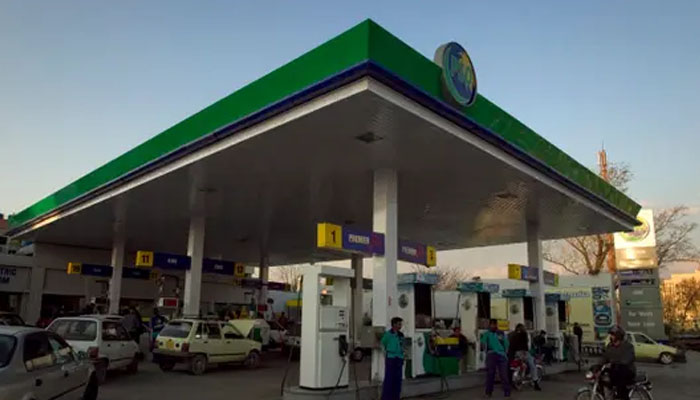
BANGKOK — The government has confirmed there are sufficient fuel supplies to meet demand during the upcoming Songkran holiday, as authorities intensify nationwide distribution and monitoring efforts to ease public concerns over possible shortages during one of Thailand’s busiest travel periods, the Bangkok Post reported.

Thai Government to Roll Out Fuel Relief Measures from April 1

The government understands public anxiety over fuel access, particularly during peak travel times, Rachada Dhnadirek, an assistant to a minister attached to the Prime Minister’s Office, said on Sunday. She said Prime Minister Anutin Charnvirakul has been supervising the situation and has ordered proactive measures to ensure fuel availability across the country.

Proactive Distribution Measures

These measures include boosting fuel distribution efficiency by supplying approximately 7 million litres per day to wholesale distributors, known as jobbers, to reduce congestion at petrol stations. Operators have also been instructed to increase reserves and prepare standby fuel trucks in high-demand areas. Special refuelling points are being arranged for public transport vehicles in coordination with the Interior and Transport ministries.

To improve flexibility, the government has temporarily reduced mandatory fuel reserve requirements from 3 percent to 1 percent, allowing for faster imports of refined oil, Ms Rachada said. Additionally, the public can check real-time fuel availability nationwide via the Fuel-Now application or its website.

Diversifying Supply Sources

Authorities are also diversifying crude and refined fuel imports to offset uncertainty stemming from the ongoing conflict in the Middle East. The Energy and Foreign Affairs ministries are working together through diplomatic and trade channels to secure supplies from multiple producers, including Brazil, Azerbaijan and Nigeria, with Thai refineries assessing their suitability, Ms Rachada said.

Fuel shipments have been scheduled to ensure continuity of supply. More than 36 million barrels of oil are expected to arrive in Thai waters through May, including over 24 million barrels in April alone — when travel demand peaks — and a further 8.96 million barrels in May. “The volumes are sufficient to meet national demand, with additional imports planned in line with consumption trends,” she said.

Prime Minister’s Unannounced Visit

To assess the situation firsthand, Mr Anutin on Sunday conducted an unannounced visit to a petrol station in Nakhon Phanom, where he instructed local authorities to ensure fuel availability throughout the holiday period. Officials said the situation in the northeastern province has improved, with fuel stations operating normally and no long queues reported, indicating that supply distribution measures are taking effect.

Stable Production and Consumption

Meanwhile, Chatchai Khunlohit, deputy director-general of the Department of Energy Business, reported stable fuel production and consumption. Diesel output averages 82.21 million litres per day, with domestic use at 82.99 million litres, alongside 4.43 million litres in exports. Combined diesel demand reached 87.42 million litres per day.

Petrol output stands at 34.4 million litres, with total demand at 36.09 million litres. Mr Chatchai noted that diesel consumption has risen from approximately 70 million litres per day earlier this year, reflecting stronger economic activity and increased travel.

Crackdown on Illegal Storage

The Department of Special Investigation, working with the Department of Energy Business, police and local authorities, inspected fuel traders nationwide on March 24–25. In Saraburi, officials uncovered three sites illegally storing and selling a combined 31,299 litres of diesel and petrol without licences, leading to legal action.

Undertaker Brings Coffin to Chonburi Petrol Station to Prove Legitimate Fuel Need

The government’s efforts to secure supply chains and crack down on illegal hoarding aim to ensure that motorists traveling during the Songkran festival — one of the most significant holidays on the Thai calendar — will have access to the fuel they need without the long queues and shortages that have plagued some regions in recent weeks.

-Thailand News (TN)

Similar Posts

  • | |

    Pakistan’s military tightens grip on Islamis…

    Munir’s family background feeds into this shift as well. He is the son of an imam and considers himself a devout, conservative Muslim, and religious identity remains deeply woven into Pakistan’s state institutions. Even so, he has pushed the country toward international engagement through cryptocurrency partnerships, foreign investment deals, a mediating role in the conflict between the United States and Iran, and a mutual defence pact with Saudi Arabia. Data shared with a foreign news agency by the Armed Conflict Location and Event Data Project, a group that tracks conflict incidents worldwide, shows the scale of the shift. Pakistan averaged more than seven blasphemy related riots or attacks annually between 2021 and 2024, but recorded only one such incident over the past twelve months. Economic pressure appears to have played a significant role in prompting the crackdown. Two Pakistani government sources said officials grew alarmed during the summer of 2025 that rising hostility from fundamentalist groups toward France and other European countries threatened to jeopardize a European Union duty waiver covering Pakistani exports. Nearly a third of Pakistan’s total exports go to the EU, and losing that preferential access could have dealt a severe blow to the national economy. Neither the European Commission nor Pakistan’s commerce ministry responded to requests for comment on the matter. Washington has added its own pressure over religious freedom concerns. The US Commission on International Religious Freedom, a government watchdog, recommended last year that Pakistan be placed back on a list of countries of particular concern due to its blasphemy laws, a designation Islamabad has firmly rejected. Analyst Abdul Basit of Singapore’s S. Rajaratnam School of International Studies said worsening insurgent violence in Balochistan and Khyber Pakhtunkhwa, Pakistan’s two most mineral rich provinces, likely added urgency to Munir’s campaign, particularly since he has pitched foreign investment in the country’s mining sector to American officials over the past year. Basit noted that religious groups have lost favor within the state’s priorities, though he cautioned that the militias driving these regional insurgencies are not formally tied to the newly banned Islamist organizations, even if both draw recruits from the same pool of young, radicalized men. Elizabeth Threlkeld, who directs the Stimson Center’s South Asia program, said the open question going forward is whether Pakistan can sustain this level of focus over time. Crackdown targets country’s largest fundamentalist movement The largest of the groups swept up in the crackdown, Tehreek e Labbaik Pakistan, built its identity around the slogan “Death to blasphemers” before authorities banned it late last year. Many of its leaders now sit in jail, its mosques have been sealed shut and its financial accounts frozen. A previously undisclosed government document that laid the groundwork for the ban argued the organization had become a serious threat to Pakistan by damaging both domestic stability and the country’s standing internationally. A spokesperson for the group pointed to a statement it issued last year describing the ban as illegal and unconstitutional. The move against Tehreek e Labbaik follows earlier crackdowns on groups such as Lashkar e Taiba and Jaish e Muhammad, which Pakistan pursued under pressure from the Financial Action Task Force, the international body that monitors terrorism financing. Basit linked the newest crackdown to a period of internal reflection within Pakistan over its historical backing of the Afghan Taliban, whom Islamabad now blames for stoking Islamist insurgencies against the Pakistani state from across the border. The Taliban government in Kabul has dismissed that accusation as baseless, and a spokesperson for its foreign ministry declined to comment further, describing Pakistan’s crackdown as an internal matter. For Pakistan’s Christian, Shia and Ahmadi communities, the change in atmosphere has been dramatic. In the past, suspects in blasphemy related killings, including police officers, were sometimes greeted with rose petals or celebratory receptions, and individuals accused of burning churches or minority mosques often received public praise. Blasphemy remains a capital offense under Pakistani law, and even a rumor of an accusation has historically been enough to spark riots or lynchings. Human rights organizations say victims’ families have rarely obtained justice, since judges and lawyers have often been too frightened to take on such cases. Officer Malik said everyone who confronted the crowd during last month’s incident in Karachi felt genuine fear. The Christian family targeted that day was eventually moved to safety, and an initial investigation has since found the accusations against them to be false. Group’s military links trace back a decade Tehreek e Labbaik formed in 2015 while its founder was imprisoned for shooting and killing a Pakistani provincial governor in 2011 over his support for a Christian woman accused of blasphemy. That gunman, a former police bodyguard, was later convicted and executed months after the group’s founding. Analysts have long suspected the group’s creation received at least tacit support from Pakistan’s military establishment, including its intelligence services, as a tool to keep civilian governments and mainstream political parties in check. Following violent riots led by the group in 2017, then army chief General Qamar Javed Bajwa referred to its protesters as the country’s own people. Pakistan’s Supreme Court later ordered the military and intelligence agencies to stay out of politics but stopped short of directly tying them to the organization. Analysts and former officials say the effects of years of tolerance for the group will not disappear simply because of a ban, and that the shock felt by its supporters could still trigger backlash. Ihsan Ghani, who served as Pakistan’s counter terrorism chief during the 2017 riots, said he worries the group could resurface at full strength if its usefulness to the state changes again. He compared decades of state backed nurturing of the movement to something that cannot simply be switched on and off at will. Within Pakistan’s minority communities, the sudden shift still feels fragile. One of the Christian women rescued during last month’s incident in Karachi said she and her family are now physically safe, but admitted the fear has not fully faded.

  • Thailand Tightens Cannabis Sales Regulations

    BANGKOK, Thailand — Thailand’s Department of Thai Traditional and Alternative Medicine has implemented stricter controls on cannabis sales following new ministerial regulations that restrict cannabis use exclusively to medical purposes, marking a significant policy shift after four years of regulatory uncertainty since the plant’s decriminalization in 2022. Chinese Man Falls Ill After Trying Cannabis for […]

  • |

    Petrol, diesel prices may fall further

    Petroleum product prices in Pakistan may see another reduction from August 5, offering potential relief to consumers already facing high fuel costs. According to sources within the Oil and Gas Regulatory Authority (OGRA), the price of petrol could decrease by Rs3.39 per litre, while high-speed diesel may become cheaper by Rs4.07 per litre. The latest calculations suggest that the price of petrol could fall to approximately Rs328.56 per litre after the proposed reduction. Similarly, the price of high-speed diesel may come down to an estimated Rs385.86 per litre. OGRA sources said the initial working for the possible price adjustment has been completed. The final decision, however, will depend on the government’s review of the latest calculations and other relevant factors before announcing the new prices. The possible reduction comes shortly after the government announced a cut in petroleum prices. In the previous adjustment, the government reduced the price of petrol by Rs4.08 per litre, while the price of diesel fell by Rs2.45 per litre. If the latest proposed cuts receive approval, consumers could see another decline in fuel prices within a short period. A reduction in petrol prices would directly benefit motorists and households that rely on private vehicles for daily commuting. Lower diesel prices could also provide some relief to the transport sector, as diesel powers a large number of commercial vehicles, buses, trucks and other heavy transport used to move people and goods across the country. A decline in fuel prices may also help reduce pressure on transportation and logistics costs. Since diesel plays a major role in the movement of agricultural produce, industrial goods and essential commodities, any reduction in its price could potentially ease some of the cost burden on businesses and consumers. However, the impact of the proposed reduction on overall inflation will depend on several factors, including transportation costs, exchange rate movements and international oil prices. The government is expected to announce the final petroleum prices after completing its review and approving the new rates. The expected adjustment comes as consumers continue to closely monitor fuel prices because of their direct impact on household budgets and the cost of everyday goods and services. Any further reduction in petrol and diesel prices could provide some short-term financial relief to the public and businesses.

  • | |

    JPMC doctor seeks relief amid patient death contro…

    A senior doctor at Jinnah Postgraduate Medical Centre (JPMC) has asked to step down from her responsibilities amid controversy surrounding the death of a 65-year-old patient who was shifted from the hospital’s emergency department to the National Institute of Cardiovascular Diseases (NICVD) on July 28. Dr Sanobar Sikandar, JPMC’s only senior emergency medicine specialist, submitted a request to the hospital’s Executive Director seeking relief from her duties as an assistant professor of medicine. She cited mounting professional pressure, internal interference and what she described as an unhealthy working environment. Dr Sanobar said the hospital administration criticised her after asking her to explain the circumstances surrounding the patient’s death. She said the situation had made it increasingly difficult for her to continue managing her medical, teaching and administrative responsibilities effectively. In her application, she highlighted what she described as a lack of professional respect in the emergency department, political interference and inappropriate conduct by some junior doctors. She said these issues had caused her severe mental stress and made it difficult to continue working under the prevailing conditions. The Young Doctors Association (YDA) Sindh has backed Dr Sanobar and urged the JPMC administration to address the dispute immediately. YDA Sindh Chairman Dr Mehboob Noonari said Dr Sanobar is the hospital’s only FCPS assistant professor in emergency medicine. He noted that she also serves as faculty for the FCPS programme and supervises trainee doctors. Dr Noonari warned that her departure could seriously disrupt emergency medicine training at JPMC and may even put the FCPS programme at risk of closure. He also alleged that the administration was pressuring Dr Sanobar to protect the doctor who was in charge of the night shift when the incident occurred. He questioned why the night-shift in-charge was being shielded and demanded that hospital authorities clarify the matter. The YDA chairman further claimed that senior doctors had questioned Dr Sanobar over her decision to issue an explanation regarding the patient’s death, raising concerns about the handling of the case within the hospital.

  • | |

    Quetta connectivity outage disrupts routine life

    QUETTA: A sudden suspension of mobile phone and internet services has disrupted daily activities across Quetta, leaving residents struggling to communicate, conduct business and access essential online services. The connectivity shutdown affected a wide range of people, including students, healthcare professionals, traders, delivery workers and journalists. Many residents were unable to make calls, send messages or use internet-based services. Students were among those facing major difficulties. Those relying on online classes and digital learning platforms could not access study material or communicate with teachers and classmates. The disruption also affected students preparing assignments and completing other academic tasks online. The outage created problems for healthcare workers as well. Doctors, medical staff and patients often depend on mobile phones and internet services for communication. The interruption made it harder to coordinate with colleagues, contact patients and exchange important medical information. Businesses and traders also faced disruptions. Many shops and small businesses now depend on digital payments, online orders and messaging applications. The suspension affected their ability to communicate with customers and manage routine transactions. Delivery riders were particularly affected because they rely heavily on mobile applications and phone calls to receive orders, locate customers and coordinate deliveries. The loss of connectivity made these routine tasks considerably more difficult. The shutdown also created challenges for journalists reporting from Quetta. Reporters faced difficulties contacting sources, verifying information and sending updates from the field. The lack of reliable communication can slow down coverage, particularly when events are developing quickly. For ordinary residents, the disruption meant difficulty staying in touch with family members, friends and colleagues. People who depend on mobile services for work and other essential activities were forced to deal with additional inconvenience.

  • Baht Weakens Again Amid Rising Middle East Conflict and US Dollar Surge

    BANGKOK, Thailand — The Thai baht is projected to continue its downward trajectory against the US dollar this week, having recently touched a nearly 15-month low. The currency’s depreciation is being driven primarily by escalating geopolitical risks in the Middle East, surging global oil prices, and a resurgent US dollar. Thai Tourism Sector Could Lose […]

Leave a Reply

Your email address will not be published. Required fields are marked *