thailandcambodia ceasefire takes

Thailand–Cambodia Ceasefire Takes Effect, to Be Monitored for 72 Hours

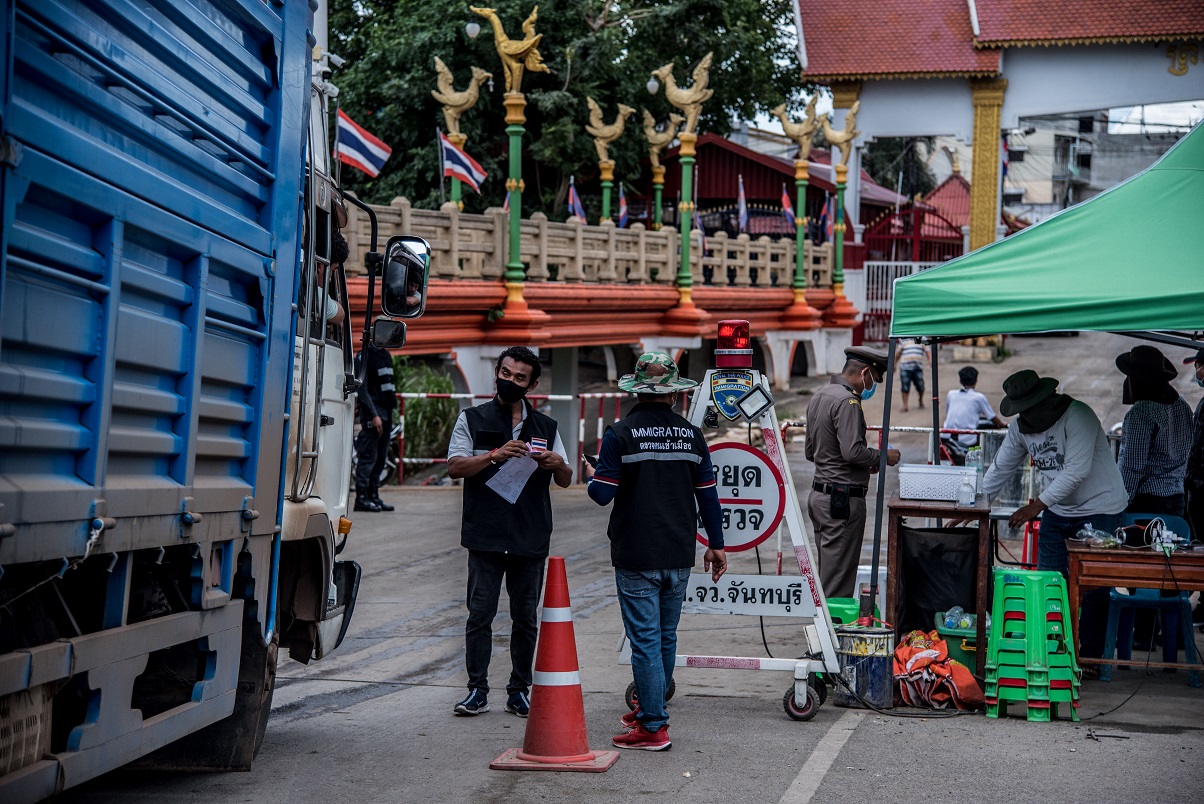
BANGKOK – Thailand and Cambodia have agreed to implement a ceasefire along their shared border, effective from noon today, with a 72-hour observation period aimed at ending months of deadly clashes. The agreement was signed by Cambodian Defence Minister Gen Tea Seiha and Thai Defence Minister Gen Nattaphon Narkphanit following a special General Border Committee meeting in Chanthaburi province, attended by the ASEAN Observer Team.

Cambodia Pushes for Immediate Ceasefire as Border Talks Resume

The joint statement commits both sides to refrain from the use of force and to pursue the peaceful settlement of disputes in accordance with the UN Charter, the ASEAN Charter, and existing bilateral agreements. The ceasefire covers all weapons systems and prohibits attacks on civilians, civilian infrastructure, and military targets. Both countries have also agreed not to advance troops, engage in provocative actions, or reinforce forces along the border.

To ensure compliance, the Cambodia-Thailand and Thailand-Cambodia Border Coordination Units will manage the situation on the ground under the observation and verification of the ASEAN Observer Team. Troop deployments will remain in place, and authorities will facilitate the safe return of displaced civilians to their homes.

The agreement does not prejudice future border demarcation efforts. Both sides called for the Joint Boundary Commission to resume survey and demarcation work as soon as possible, prioritizing civilian areas and demining operations. They also reaffirmed their obligations under the Ottawa Convention and pledged to intensify joint demining efforts.

Additional measures include commitments to avoid misinformation, refrain from entering each other’s airspace or territory, and halt the construction or reinforcement of military infrastructure beyond their respective sides of the border. The two nations also agreed to enhance cooperation against transnational crimes, including cyber scams and human trafficking.

In line with the Kuala Lumpur Joint Declaration of October 26, 2025, 18 detained Cambodian soldiers will be returned after the ceasefire is fully observed for 72 hours. To sustain the truce, both sides endorsed a stronger role for the ASEAN Observer Team and committed to regular communication between defence ministers, military leaders, and border units to prevent miscalculation and resolve incidents promptly.

Thai-Cambodian Border Talks Begin in Chanthaburi Amid Ceasefire Hopes

Media teams from both countries will coordinate to ensure accurate reporting and transparency. The joint statement frames the ceasefire as a critical step toward “true and sustainable peace” and the restoration of normality along the border, warning that any violations would undermine regional stability and public confidence.

-Thailand News (TN)

Similar Posts

  • Man Shoots Ex-Wife and Her 19-Year-Old Lover in Deadly Bangkok Ambush

    BANGKOK – A tragic shooting on Sunday evening shocked a quiet neighborhood in Bangkok’s Prawet district. A former husband tracked down his ex-wife and her new teenage partner before opening fire on them. The brutal attack left a young factory worker dead and a young woman fighting for her life. Police investigators identified the suspect […]

  • Heavy Rain Forecast For Most Of Thailand With Flash Flood Warnings

    BANGKOK, Thailand – The Meteorological Department has issued a warning for heavy to very heavy rain across much of the country from Sunday through Wednesday, with officials advising residents in vulnerable areas to prepare for potential flash floods, overflows, and landslides. Director-general Sugunyanee Yavinchan said rainfall would increase during the four-day period as a monsoon […]

  • | |

    AIOU recruitment process declared non transparent …

    Islamabad: A controversy has emerged over the recruitment process of Allama Iqbal Open University (AIOU) after the Wafaqi Mohtasib declared that the selection process for senior academic positions lacked transparency and directed the university to cancel appointments and repeat the process. The decision came after a complaint filed by a female complainant, who challenged her exclusion from the shortlist for Professor and Associate Professor positions despite claiming she met the required eligibility criteria. The Wafaqi Mohtasib, after reviewing documents and hearing both sides, concluded that maladministration was established and stated that serious questions were raised about the transparency of the selection process. The Ombudsman referred the matter to the Vice Chancellor of AIOU with directions to cancel the appointments and conduct the recruitment process again according to proper procedures. The controversy relates to faculty recruitment advertisements issued by AIOU for Professor and Associate Professor positions. According to the findings, AIOU advertised several academic positions on 15 September 2024, and received a large number of applications. Officials informed that 388 applications were received for 25 advertised Professor and Associate Professor positions. The university introduced an Internal Assessment Framework to shortlist candidates before sending applications for further evaluation. According to AIOU, the decision was taken because evaluating hundreds of academic files through experts would create major financial and administrative difficulties. Officials estimated that external evaluation of dossiers could cost around Rs26 million. Under the new system, eligible candidates were assessed through multiple stages including vision statement, leadership assessment, psychological assessment, teaching demonstration and screening interview. The assessment was conducted out of 50 marks, and 24 candidates were recommended for further selection stages. However, the female complainant was not recommended for any position. The female complainant challenged the process, arguing that the university changed recruitment procedures after the hiring process had already started. She claimed that according to the original recruitment rules, eligible candidates were required to appear before the Selection Board and that the introduction of an Internal Assessment as an elimination stage had no legal basis. She also argued that she was not properly informed about all stages of the assessment process. The complainant stated that she was informed about teaching demonstration and leadership assessment but was not informed about psychological assessment and screening interview. The complaint also raised concerns over fair hearing rights, claiming that she was excluded from the final process without written reasons or an opportunity to explain her position. Another serious issue raised was the timing of the Selection Board meeting. The complainant claimed that the Selection Board meeting took place on 10 April 2026, a public holiday, and that the approval process and appointment letters were completed unusually quickly on the same day. She questioned whether the process was properly transparent. She argued that recruitment rules and selection criteria should not be changed after the recruitment process has started. The Ombudsman examined the matter and found that the selection process did not appear transparent. The findings stated that several questions raised by the complainant required attention and that the recruitment process showed signs of maladministration. AIOU officials had defended the process, saying the Internal Assessment Framework was approved by the university’s Executive Council and applied to the advertised positions. They said the system was designed to identify the most competitive candidates while reducing time and financial burden. The case now requires AIOU to report compliance with the Ombudsman’s decision within the given period. The controversy has raised broader questions about transparency, fairness and recruitment procedures in public sector universities, where senior academic appointments directly affect the quality of education.

  • |

    Court pauses construction of $400 Million White Ho…

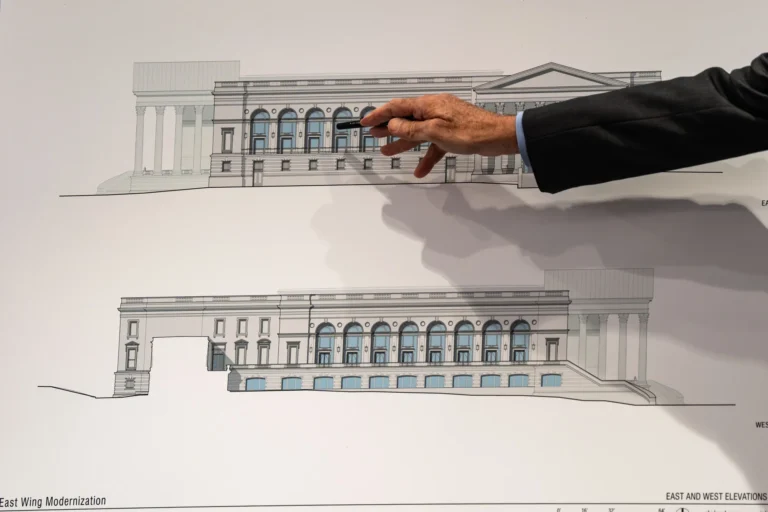
    A U.S. federal appeals court issued a ruling to halt construction on the ambitious $400 million White House ballroom project. The decision by the U.S. Court of Appeals for the District of Columbia Circuit upholds a preliminary injunction that brings above-ground work on the massive 90,000-square-foot facility to a standstill. The legal challenge was originally brought by the National Trust for Historic Preservation. The timing was right after the administration demolished the historic East Wing to clear space for the new addition. This project was devised without receiving formal authorization from the United States Congress or regulatory historic preservation bodies. The Core Legal and Historic Dispute The dispute began after the historic East Wing was razed to make way for a grand event space capable of hosting hundreds of guests. Preservationists quickly filed suit. Their argument was that the administration overstepped its legal boundaries by destroying part of the historic executive mansion without proper congressional oversight. In earlier lower court proceedings, the federal judge sided with the preservation group. The judge concluded that the executive branch could not bypass legislative authorization to construct such a massive structure. The administration argued that the ballroom itself would be funded primarily through private contributions rather than taxpayer dollars. Critics maintained that private funding does not grant an administration the right to alter iconic federal heritage sites at will. Security Exceptions vs. Architectural Expansion A major focal point of the ongoing litigation involves the distinction between above-ground construction and essential subterranean infrastructure. Lower court decisions made allowances for below-ground work to proceed. The allowed spots were specifically underground bunkers, military installations and updated security infrastructure meant to replace outdated Cold War-era facilities. Justice Department attorneys representing the administration argued that halting any portion of the project could jeopardize executive branch safety. The new complex integrates crucial defensive elements against modern airborne and ballistic threats. However, judges questioned whether national security arguments could be applied to justify an entire 90,000-square-foot ballroom built above those installations. The appellate court’s latest order reinforces the restriction on above-ground structural work. However, the order allows government a temporary 14-day emergency intervention from the U.S. Supreme Court. Broader Presidential Power Implications The ruling marks on significant constitutional questions regarding the limits of executive power over federal property. Government lawyers previously asserted to the court that judges lacked the authority to intervene in executive branch building decisions once work was underway. The judiciary’s willingness to block the project highlights a sharp pushback against the idea that rapid demolition creates a fait accompli immune to judicial review.   As the 14-day stay ticks down, all eyes are on the Supreme Court whether the nation’s highest tribunal will step in to allow construction or leave the high-stakes project frozen.

  • | | |

    29 bottled water brands found unsafe in Pakistan

    ISLAMABAD: A quarterly quality assessment of bottled drinking water has found 29 out of 230 brands to be substandard and unsafe for consumption, raising concerns about the quality of commercially available drinking water in Pakistan. The Pakistan Council of Research in Water Resources (PCRWR) conducts quarterly monitoring of bottled and mineral water brands available in the market on the directions of the government. For the latest assessment, samples of 230 bottled and mineral water brands were collected from 20 cities during the April-June 2026 quarter. The samples were analysed in laboratories according to the standards recommended by the Pakistan Standards and Quality Control Authority (PSQCA). Laboratory testing found that several water brands were contaminated with harmful bacteria, making them unsafe for human consumption. A total of 29 brands failed to meet the required quality standards. The report found that nine brands had excessive levels of sodium. These included HR Water Healthy Life, A2Z Pure Bottled Drinking Water, Pure Drinking Water, Deep Blue Pure Drinking Water, Sup Nest Pure Drinking Water, Aab-e-Haram, Aqua Life Bottled Drinking Water, Drinklay and Alpha H2O Bottled Drinking Water. The assessment also found excessive total dissolved solids (TDS) in four brands: A2Z Pure Bottled Drinking Water, Imperial Pure Drinking Water, Aab-e-Haram and Alpha H2O Bottled Drinking Water. The recommended safe limit for TDS is 500 parts per million (ppm). According to the council, 22 brands were found to be contaminated with bacteria. These included My Sial Bottled Drinking Water, JERS Safe Life Bottled Drinking Water, Natural Pure Life, Natural Sup, Al Meer Bottled Drinking Water, Al-Saha Drinking Water, Al-Shifa Pure Life, Royal Fina Bottled Drinking Water, Aqua Nice Pure Life, Noor Aqua, Aqua Pure, Drink Well Pure Drinking Water, Imperial Pure Drinking Water, Zalmi, Deep Blue Pure Drinking Water, Aab-e-Haram, Vital Sup Bottled Drinking Water, Hunza Alter Water, Rehydrate8 Drink Pure Water, Moya Mineral Water, Tynant Aqua Bottled Drinking Water and Aqua Pura Smart. The presence of harmful microorganisms means that the affected brands may pose health risks if consumed without proper treatment. The findings have raised concerns about the monitoring and regulation of bottled water sold across the country. Regular testing is considered important to ensure that drinking water available to consumers meets safety and quality standards. Representatives of some of the companies named in the report, however, rejected the findings. They claimed that their water brands meet the required quality standards.

  • | |

    Magistrate launches inquiry into deaths of two gir…

    LAHORE: A judicial magistrate has initiated an inquiry into the deaths of two underage girls who died while in police custody in Lahore on August 4. The inquiry was launched after the families of the deceased girls demanded an impartial investigation into the circumstances surrounding their deaths. The girls were identified as Amina and Anmol. They had reportedly remained in police custody for more than two hours before emergency services were called to the Township police station. The circumstances leading to their deaths have not yet been fully established. Proceedings have been initiated under Section 176 of the Code of Criminal Procedure. The provision empowers a magistrate to examine deaths that occur in police custody or under other suspicious circumstances. The magistrate can record statements from relevant individuals during the inquiry. Witnesses may also be examined under oath. The law further allows the magistrate to order the exhumation of a body if a postmortem examination is considered necessary to determine the cause of death. The judicial proceedings are expected to focus on what happened while the two girls were being held at the police station. Authorities are likely to examine the circumstances surrounding their arrest, the period they spent in custody and the events that took place before Rescue 1122 was contacted. The timing of the emergency call has also become an important part of the inquiry. The families have sought clarity over the events inside the police station and called for the matter to be investigated independently. The deaths have raised concerns about the treatment of minors in police custody and the responsibility of officials overseeing detainees. The magistrate’s inquiry is expected to establish the sequence of events and determine whether any negligence or wrongdoing contributed to the deaths. Further action will depend on the findings of the judicial inquiry and other available evidence.

Leave a Reply

Your email address will not be published. Required fields are marked *