court pauses construction
|

Court pauses construction of $400 Million White Ho…

A U.S. federal appeals court issued a ruling to halt construction on the ambitious $400 million White House ballroom project.

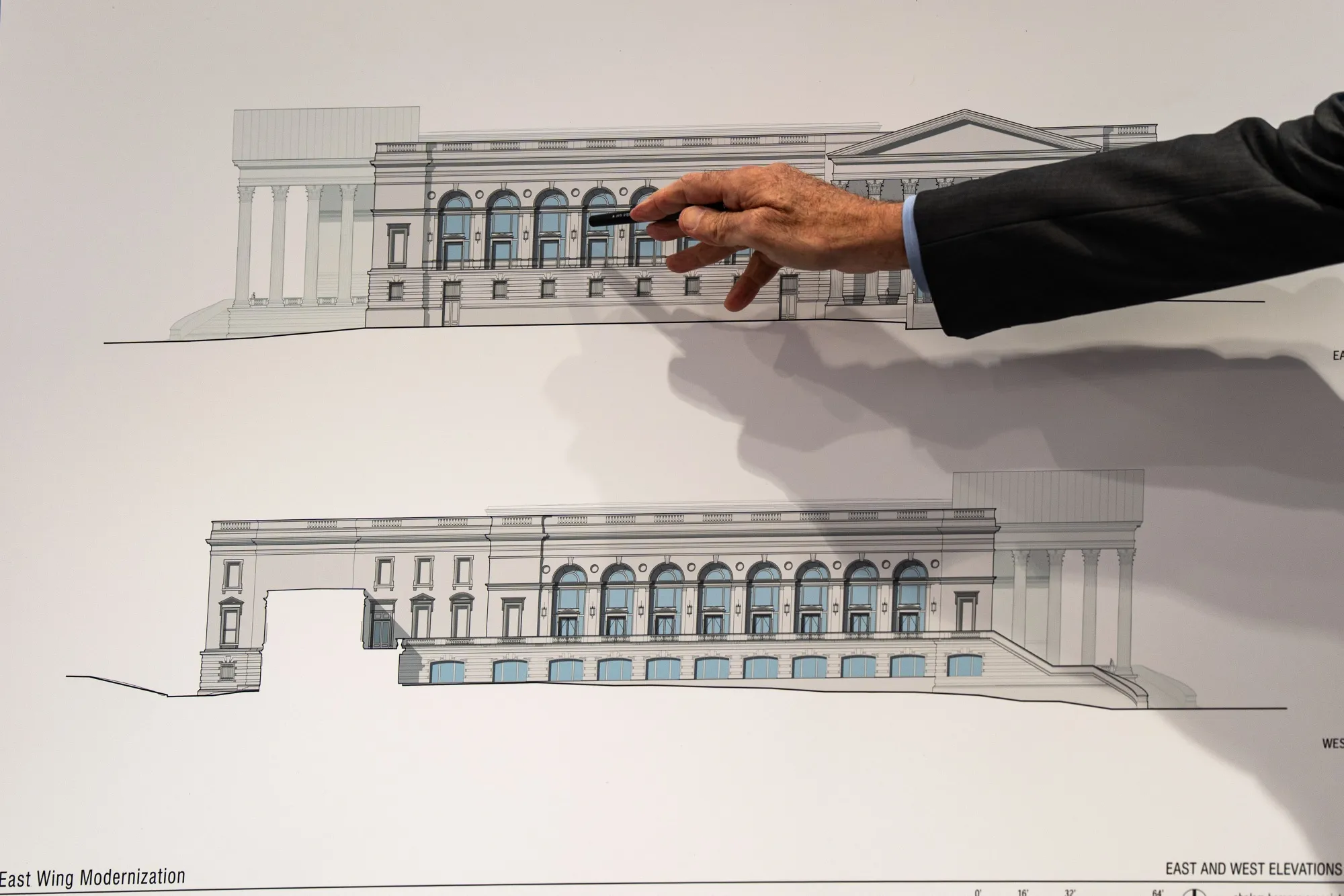
The decision by the U.S. Court of Appeals for the District of Columbia Circuit upholds a preliminary injunction that brings above-ground work on the massive 90,000-square-foot facility to a standstill. The legal challenge was originally brought by the National Trust for Historic Preservation. The timing was right after the administration demolished the historic East Wing to clear space for the new addition. This project was devised without receiving formal authorization from the United States Congress or regulatory historic preservation bodies.

The Core Legal and Historic Dispute

The dispute began after the historic East Wing was razed to make way for a grand event space capable of hosting hundreds of guests. Preservationists quickly filed suit. Their argument was that the administration overstepped its legal boundaries by destroying part of the historic executive mansion without proper congressional oversight.

In earlier lower court proceedings, the federal judge sided with the preservation group. The judge concluded that the executive branch could not bypass legislative authorization to construct such a massive structure. The administration argued that the ballroom itself would be funded primarily through private contributions rather than taxpayer dollars. Critics maintained that private funding does not grant an administration the right to alter iconic federal heritage sites at will.

Security Exceptions vs. Architectural Expansion

A major focal point of the ongoing litigation involves the distinction between above-ground construction and essential subterranean infrastructure. Lower court decisions made allowances for below-ground work to proceed. The allowed spots were specifically underground bunkers, military installations and updated security infrastructure meant to replace outdated Cold War-era facilities.

Justice Department attorneys representing the administration argued that halting any portion of the project could jeopardize executive branch safety. The new complex integrates crucial defensive elements against modern airborne and ballistic threats. However, judges questioned whether national security arguments could be applied to justify an entire 90,000-square-foot ballroom built above those installations. The appellate court’s latest order reinforces the restriction on above-ground structural work. However, the order allows government a temporary 14-day emergency intervention from the U.S. Supreme Court.

Broader Presidential Power Implications

The ruling marks on significant constitutional questions regarding the limits of executive power over federal property. Government lawyers previously asserted to the court that judges lacked the authority to intervene in executive branch building decisions once work was underway. The judiciary’s willingness to block the project highlights a sharp pushback against the idea that rapid demolition creates a fait accompli immune to judicial review.


As the 14-day stay ticks down, all eyes are on the Supreme Court whether the nation’s highest tribunal will step in to allow construction or leave the high-stakes project frozen.
Similar Posts

  • | |

    Police officer took his own life after leading dou…

    An investigation has found that a police officer who died by suicide in May carried out a series of rapes and attempted murders targeting women over a period of at least fourteen years while serving as an officer. PC Alan Greer’s earliest known victim was a woman he raped inside her own home in Glasgow in 2012, shortly after she had contacted police to report an unrelated crime. The woman came forward late last year to report the assault, a disclosure that triggered one of the largest anti corruption investigations in Police Scotland’s history. Detectives have since identified eight additional victims, five of them sex workers who were attacked while Greer was off duty. Investigators have also established that Greer paid for sex from hundreds of women throughout his career and expect further victims to come forward as the inquiry continues. Assistant Chief Constable Lynn Ratcliff, who is leading the investigation, described the findings as deeply disturbing. She said the officer had abused his position of authority by returning to target a woman he had first encountered through his police duties. Ratcliff said the woman’s decision to come forward and speak with investigators became the catalyst that launched the wider inquiry. Her confirmation of the investigation followed months of reporting into Greer’s conduct. A source close to the case said the scale and nature of the case draws comparisons to the conviction of Wayne Couzens, the London police officer sentenced for the rape and murder of Sarah Everard five years ago, suggesting the Greer case could represent a similarly significant reckoning for Police Scotland. Greer was born in Australia in 1978 and moved to the United Kingdom at age six. He joined Strathclyde Police in 2009, and continued serving after the force merged into Police Scotland in 2013, building what appeared to be an unblemished seventeen year career. He initially worked as a uniformed response officer in Glasgow before moving into an officer safety training role based in Coatbridge around 2016, a position that involved training probationary officers and refreshing the skills of more experienced colleagues. Greer was 47 years old when he died in May, and was married with a child. Those close to him, including his family and police colleagues, are understood to have had no knowledge of his pattern of violence. Senior officers have said there were no clear opportunities that would have allowed the force to identify his offending earlier. The investigation traces back to a woman in her late thirties who walked into a Glasgow police station late last year to report the assault. She described how, in 2012, she had called officers to her home after a disturbance, only for one of the responding officers to later attack her. Cases involving police officers who abuse their positions of trust to target victims, particularly vulnerable women and sex workers, have prompted broader scrutiny of vetting and oversight procedures within UK police forces in recent years. Investigations of this kind often expose gaps in how forces monitor off duty conduct and respond to complaints against serving officers, and they tend to renew public pressure for independent oversight mechanisms capable of identifying patterns of abuse before they escalate over many years. The investigation into Greer’s offending remains active, and Police Scotland has said it anticipates identifying more victims as the inquiry proceeds.

  • |

    US Navy begins testing 2,000-nautical-mile underwa…

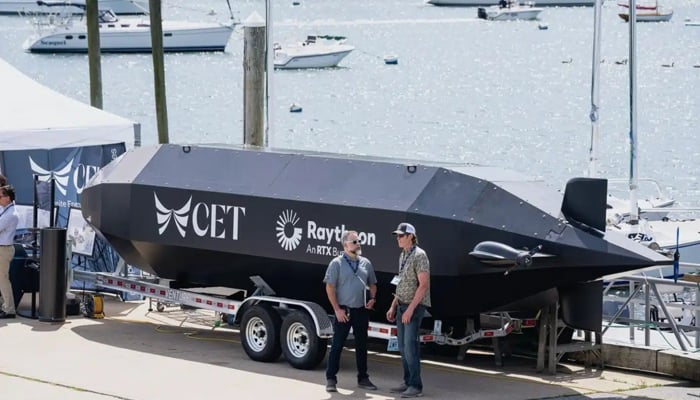
    WASHINGTON: The US Navy has begun testing a new low-cost unmanned underwater vehicle designed to travel more than 2,000 nautical miles, marking another step in the development of long-endurance autonomous maritime technology. According to US media reports, the new underwater drone, known as HADALUS, has been developed for missions that require long periods of operation without a crew on board. Its developers say the system could offer a lower-cost alternative to other vehicles in the same category. The 34-foot-long vehicle features a carbon-fibre outer structure and has a cross-section of about six feet. It is equipped with sonar and other electronic systems intended to support underwater operations and data collection. The reported range of more than 2,000 nautical miles is among the system’s most notable features. Such endurance could allow an unmanned vehicle to operate over considerable distances before returning to its launch area or requiring further support. The US Navy has increasingly explored unmanned maritime systems as a way to expand underwater surveillance and other capabilities while reducing the need to place personnel directly in potentially hazardous environments. The HADALUS trials will help assess how the vehicle performs in real-world conditions, including its endurance, navigation, communications and onboard systems. Developers say keeping the platform relatively inexpensive is another key objective. If testing proves successful, the technology could become part of a broader effort to deploy larger numbers of autonomous underwater vehicles for extended maritime missions. The latest trial highlights the growing competition among major military powers to develop longer-range, more capable and cost-effective unmanned systems beneath the sea.

  • | |

    Naqvi to visit KP, Balochistan over business secur…

    Interior Minister Mohsin Naqvi has announced plans to visit Peshawar and Quetta to engage directly with business leaders and provincial authorities as the government steps up efforts to address security challenges affecting trade and investment in Khyber Pakhtunkhwa and Balochistan. The announcement came during a meeting with a delegation of traders, industrialists, and representatives of chambers of commerce from both provinces. The delegation briefed the minister on the law and order situation and highlighted the security issues that continue to disrupt commercial and industrial activities. Naqvi said the government recognizes the difficulties faced by the business community and is committed to creating a safer environment for investment and economic growth. He assured participants that all available resources would be utilized to improve security and resolve issues affecting businesses. The interior minister said his upcoming visits to Peshawar and Quetta would include meetings with senior provincial officials, law enforcement agencies, and business representatives to develop practical and long-term solutions to security concerns. He emphasized that a secure business environment is essential for economic stability, adding that the success of traders and industrialists is closely linked to the country’s overall development. “The progress of the business community is the progress of Pakistan,” Naqvi said, reaffirming the government’s commitment to supporting entrepreneurs and protecting commercial activities. The meeting followed a high-level discussion held a day earlier between Naqvi and President Asif Ali Zardari, during which they reviewed the country’s overall security situation, with particular focus on Khyber Pakhtunkhwa and Balochistan. Pakistan has witnessed a rise in militant violence in recent months, particularly in the two provinces. Security forces have intensified intelligence-based operations to counter militant groups responsible for attacks on civilians, security personnel, and public infrastructure. The deteriorating security environment has also affected workers and businesses. Earlier this week, six labourers who had been abducted in Balochistan’s Kech district were found dead, while several other attacks in recent weeks targeted police officers, judges, transport routes, and public facilities. The government believes improving security is essential not only for protecting citizens but also for restoring investor confidence and advancing major regional connectivity and infrastructure projects that have been affected by instability.

  • | |

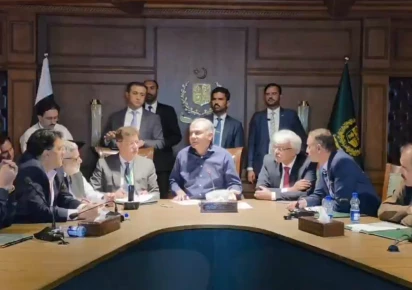
    AJK polls completed transparently, says top poll o…

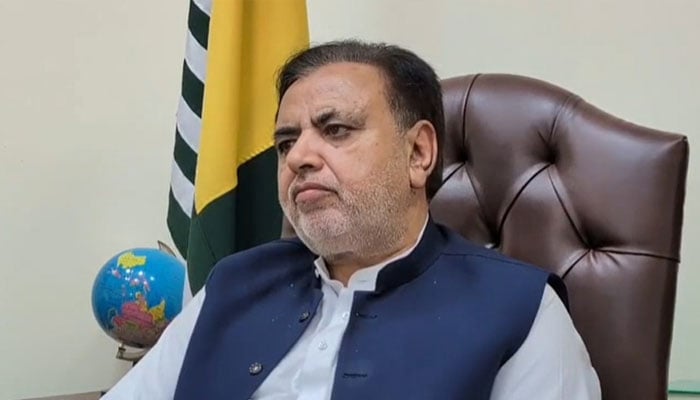
    Chief Election Commissioner of Azad Jammu and Kashmir Justice (retd) Ghulam Mustafa Mughal has said that the first phase of the electoral process in the region was completed in a free and transparent manner. He said all political parties actively participated in the elections. He added that polling was conducted in a peaceful environment across the region. Justice (retd) Ghulam Mustafa Mughal said voters participated in large numbers. He said people exercised their constitutional right to vote and took part in the electoral process. The chief election commissioner said the overall polling process remained peaceful. He said election authorities and other relevant institutions worked to ensure that voters could cast their ballots. He also acknowledged the role of law enforcement agencies during the elections. According to him, security personnel played an exemplary role in maintaining law and order. The chief election commissioner said security arrangements helped keep the polling environment peaceful. Law enforcement agencies remained deployed to deal with any situation that could affect the electoral process. However, he said an incident was reported in Samahni where attempts were made to disrupt polling. The people involved in creating a disturbance were arrested, he said. Justice (retd) Ghulam Mustafa Mughal said the authorities took action to ensure that polling activities were not affected. He stressed that maintaining peace was essential for a smooth electoral process. He also highlighted the participation of political parties in the elections. He said their involvement reflected the importance of the electoral process in Azad Jammu and Kashmir. The chief election commissioner’s statement came after the completion of the first phase of polling in the region. The election process attracted significant participation from voters. He said the authorities remained focused on ensuring transparency throughout the process. He also stressed the importance of maintaining law and order during polling. The election authorities are now expected to continue the next stages of the electoral process according to the announced schedule. The results and subsequent procedures will determine the political direction of the region. Justice (retd) Ghulam Mustafa Mughal said the peaceful completion of the first phase was an important development. He maintained that the cooperation of political parties, voters, election officials and law enforcement agencies helped the process move forward.

  • | |

    Maryam Nawaz, Xinjiang leader discuss stronger Pun…

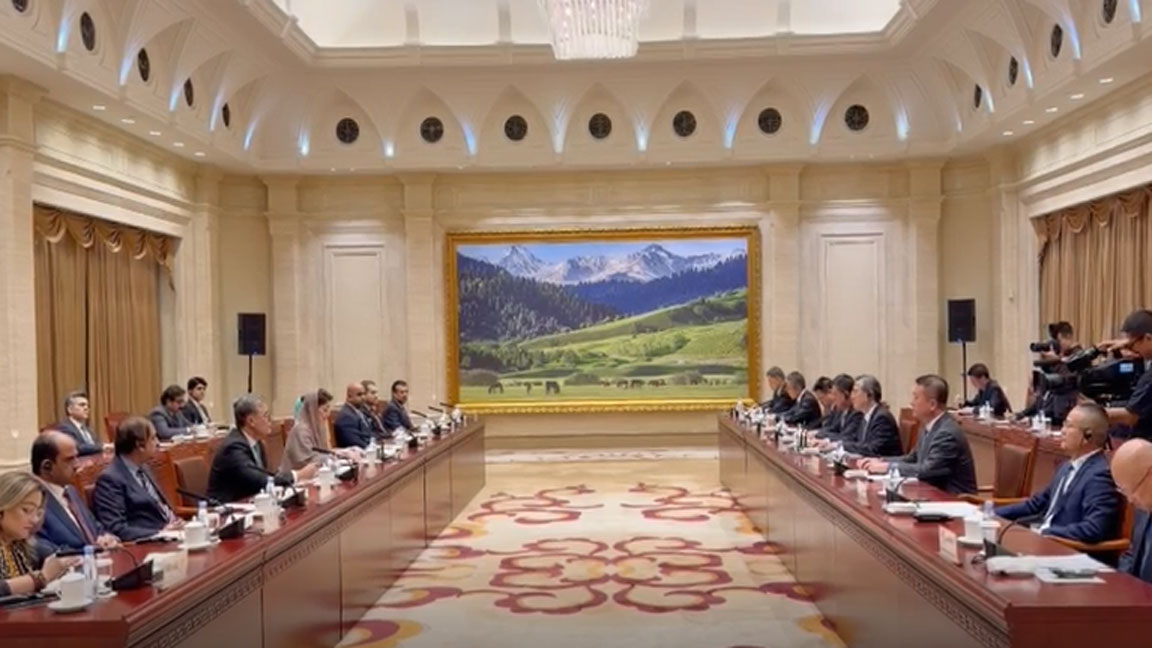
    LAHORE: Punjab Chief Minister Maryam Nawaz Sharif and Secretary of the Communist Party of China’s Xinjiang Uygur Autonomous Regional Committee He Zhongyou held a meeting in Urumqi and discussed ways to expand cooperation between Punjab and Xinjiang. The meeting focused on strengthening economic relations and developing greater collaboration in areas of mutual interest. During the meeting, Maryam Nawaz highlighted Punjab’s importance to Pakistan’s economy and agriculture. She said Punjab has the distinction of being the country’s “food basket” because of its major contribution to national food production. The chief minister said Punjab was keen to benefit from China’s experience, technology and expertise, particularly in sectors linked to agriculture and economic development. She proposed launching pilot projects in different parts of Punjab in cooperation with Chinese partners. According to the chief minister, such initiatives could help introduce modern practices and technologies while providing practical models that could later be expanded across the province. The discussions also covered opportunities for closer economic cooperation between Punjab and Xinjiang. Both sides expressed interest in strengthening institutional links and expanding collaboration in areas that can contribute to development and economic growth. Maryam Nawaz said cooperation with China could help Punjab improve productivity and make better use of modern technology. She also stressed the importance of developing partnerships that produce practical benefits for people and businesses. The meeting is part of Maryam Nawaz’s official visit to China, during which Punjab is seeking to strengthen ties with Chinese institutions and explore new areas of cooperation. Xinjiang’s experience in agriculture, infrastructure, water management and modernisation could provide opportunities for Punjab to develop joint projects and exchange expertise. The two sides also discussed the importance of maintaining regular engagement between Punjab and Xinjiang. Greater exchanges between officials, experts and business representatives could facilitate the transfer of knowledge and encourage new investment opportunities.

  • |

    Electricity tariff may rise by Rs1.34 per unit

    ISLAMABAD: Electricity consumers across Pakistan may face another increase in power tariffs as the National Electric Power Regulatory Authority (NEPRA) considers a quarterly adjustment that could raise electricity prices by Rs1.34 per unit each month for three months. NEPRA has reserved its decision on a request submitted by power distribution companies seeking to recover around Rs34 billion from consumers under the quarterly tariff adjustment mechanism. According to sources, the proposed adjustment could increase the electricity tariff by Rs1.34 per unit for each of the next three months. If approved, consumers would see the additional charge reflected in their monthly electricity bills during the applicable period. The distribution companies have sought the adjustment to recover costs incurred during the relevant quarter. NEPRA reviewed the request and heard the stakeholders’ positions before reserving its decision. Sources said the regulator will conduct a detailed assessment of the claims before issuing its final decision. The authority will determine the exact amount to be passed on to consumers after reviewing the companies’ financial data and adjustment claims. The final decision will clarify whether NEPRA approves the full requested amount and how the additional cost will affect electricity consumers.

Leave a Reply

Your email address will not be published. Required fields are marked *