armed robbers loot
| |

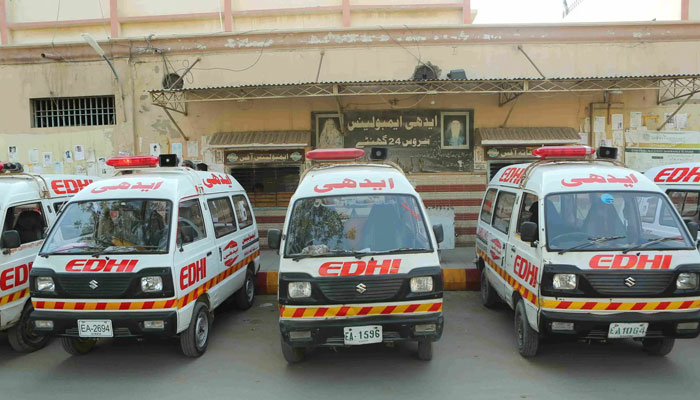
Armed robbers loot Rs6.5 million from Edhi Centre …

KARACHI: An armed robbery took place at an Edhi Centre in Karachi’s Sohrab Goth area, with four suspects fleeing with Rs6.5 million in cash.

According to the centre’s spokesperson, the money had been withdrawn from a bank to pay employees’ salaries when the robbers targeted the staff.

Police said four armed men riding two motorcycles carried out the robbery and escaped with the cash.

Initial information is being obtained from employees who were present at the centre. According to their statements, all four suspects were wearing helmets during the robbery.

Police said efforts were underway to obtain CCTV footage from the area to identify the suspects. An investigation into the incident is also continuing.

Sindh Chief Minister has sought a report from the Inspector General of Police over the robbery.

The chief minister said the Edhi Centre serves as a major source of support for poor and abandoned people. He directed the police to investigate the incident immediately and ensure that those responsible are brought to justice.

He added that protecting the lives and property of citizens remains the government’s top priority.

Similar Posts

  • | |

    NAB recovers record Rs5.4 trillion in six months

    The National Accountability Bureau (NAB) has announced record recoveries worth Rs5.414 trillion during the first six months of 2026, describing it as the highest six-month recovery in the institution’s history. According to an official statement, the bureau recovered Rs2.452 trillion during the second quarter alone, significantly increasing the overall recovery figure for the first half of the year. Among regional offices, NAB Sukkur recorded the highest overall recoveries. Meanwhile, NAB Balochistan reclaimed 209,544 acres of forest and state land valued at Rs604.64 billion, including areas linked to Hingol National Park and land belonging to the Gwadar Industrial Estate Development Authority (GIEDA). In Karachi, the anti-corruption watchdog recovered 11,422 acres of illegally allotted government land and disputed housing society leases worth Rs467.11 billion. The Lahore bureau reclaimed 1,909 acres of state and PCBL land valued at Rs288.29 billion, while the Islamabad/Rawalpindi office recovered 810 acres of CDA amenity plots in various housing societies, with an estimated value of Rs66.63 billion. NAB also reported progress in housing and financial fraud cases. The bureau said more than 24,365 victims received compensation through the return of recovered money and assets worth Rs42.303 billion. The accountability body said the recoveries reflect its continued efforts to retrieve public assets, restore illegally occupied state land, and provide financial relief to citizens affected by fraud and corruption

  • | |

    K-P assembly rejects move to absorb Haripur, Abbot…

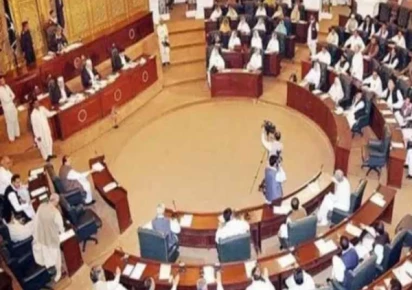
    PESHAWAR: The Khyber-Pakhtunkhwa Assembly has unanimously rejected any reported move to separate Haripur and Abbottabad from the province and place them under the administrative control of Islamabad, warning that any such attempt would undermine provincial autonomy and constitutional rights. The resolution was adopted during Friday’s session after Provincial Minister Akbar Ayub presented a strongly worded motion opposing any proposal by the federal government to alter the status of K-P districts, particularly Haripur and Abbottabad. The House declared that all districts of Khyber-Pakhtunkhwa are an integral part of the province and cannot be separated under any circumstances. It maintained that changing provincial boundaries for administrative, political or economic purposes, or to gain control over natural resources, would violate the constitutional rights of the province and its people. The resolution specifically highlighted K-P’s water resources, hydropower facilities, mineral wealth, forests and other natural assets, stating that these resources belong constitutionally to the province and its people. Any attempt, directly or indirectly, to take control of these resources was described as unacceptable. The provincial legislature called on the federal government to immediately drop any proposal concerning the separation of the districts and respect the existing constitutional, geographical and administrative status of K-P. The House also urged political parties, lawmakers, constitutional bodies, lawyers, civil society, young people and the media to maintain a united position in protecting the province’s territorial integrity, autonomy and public interests. During the same session, PPP lawmaker Mehr Sultana raised concerns over the lack of effective rules requiring doctors to prescribe medicines using generic names rather than specific brands. She also called for computerized prescriptions to become mandatory, pointing out that unclear handwritten prescriptions can create difficulties for patients and increase the risk of errors. She urged the provincial government to introduce legislation or regulations addressing both issues, with the aim of improving prescription practices and protecting patients.

  • | |

    Three prisoners seek private hospital treatment in…

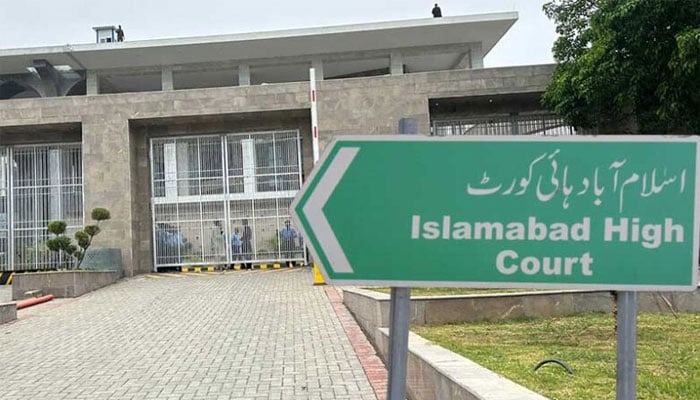
      Three prisoners have approached the Islamabad High Court seeking relief similar to that granted to the founder of Pakistan Tehreek-e-Insaf (PTI), Imran Khan, regarding treatment at a private hospital. The petitions were filed before the Islamabad High Court, with the applicants requesting permission to be transferred from prison to a private medical facility for treatment. The prisoners have specifically asked the court to allow them to receive medical care at either Shifa International Hospital or Quaid-e-Azam International Hospital. The development comes amid continued legal discussions over the medical treatment of prisoners and the circumstances under which an inmate may be allowed to receive treatment outside a prison hospital or government medical facility. During the proceedings, the Islamabad High Court sought a response from the relevant prison authorities by August 27. The court has directed the jail administration to explain its position regarding the requests made by the three prisoners. The court also ordered the superintendent of Adiala Jail to submit the medical reports of the petitioners. These reports are expected to help the court assess the prisoners’ medical conditions and determine whether their requests for treatment at private hospitals have sufficient grounds. Justice Muhammad Asif issued a two-page written order in connection with the petitions. In the order, the court directed the relevant parties to submit para-wise comments before the next hearing. The applicants have argued that they require medical treatment that may not be adequately available within the prison system. Their petitions seek permission to be transferred to either Shifa International Hospital or Quaid-e-Azam Hospital so that they can receive treatment from specialists and access facilities available at private medical institutions. The court has not yet issued a final decision on whether the prisoners will be allowed to move to a private hospital. Instead, it has sought medical documentation and responses from the prison authorities before considering the matter further. The medical reports from Adiala Jail will be particularly important in determining the nature and seriousness of the applicants’ health conditions. The court is expected to examine whether their medical needs justify treatment at a private hospital and whether such a transfer is appropriate under the applicable legal and prison regulations. The petitions also highlight broader questions concerning prisoners’ access to healthcare and the circumstances in which courts can intervene to ensure that inmates receive appropriate medical attention. The applicants’ request for relief similar to that provided to Imran Khan has placed the issue before the Islamabad High Court for judicial consideration. Their lawyers are seeking comparable treatment arrangements based on the medical needs of the petitioners. Under the court’s latest directions, the prison authorities are required to respond by August 27. The superintendent of Adiala Jail must also provide the petitioners’ medical reports, while all concerned parties have been asked to submit their detailed para-wise comments before the next hearing. Following the submission of these documents, the court will have an opportunity to review the medical evidence and the authorities’ position before deciding the applications. For now, the three prisoners remain in custody, and no final order allowing their transfer to a private hospital has been issued. The next hearing is expected to provide greater clarity on whether the applicants will be permitted to receive treatment at Shifa International Hospital or Quaid-e-Azam Hospital. The case could also become significant for future requests by prisoners seeking specialised medical treatment outside jail facilities, particularly where serious health concerns are raised and comparable relief has previously been granted in individual cases.

  • | |

    YDA Sindh pushes healthcare reform agenda

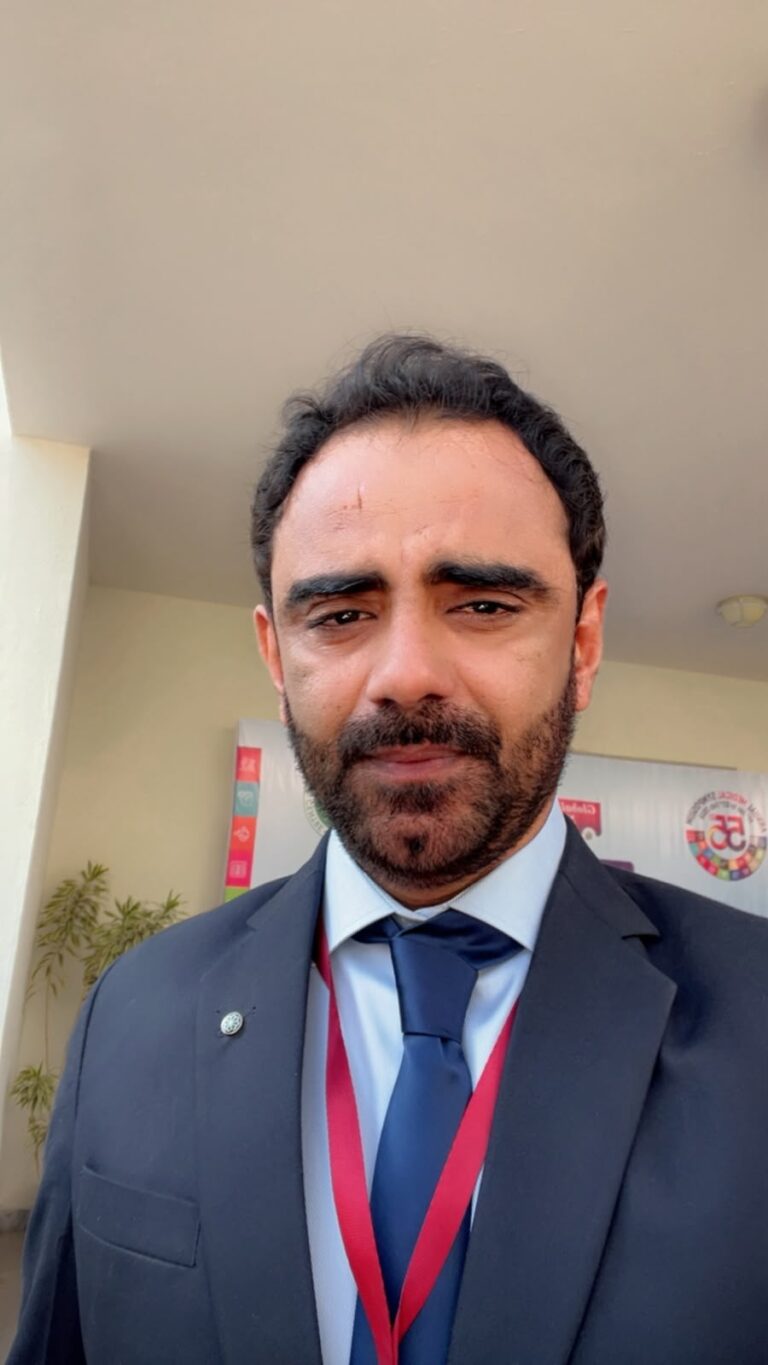
    KARACHI: The Young Doctors Association, YDA, is often seen by the public as violent, irresponsible doctors who take to the streets. But rarely does anyone see the other side of the coin. Behind the protests is a group of young doctors — the young blood of our healthcare system — fighting for their basic rights and for better patient care. Like whistleblowers in every society, they are rarely welcomed when they speak the truth. The Young Doctors Association is no exception. To the common man, YDA means protests, strikes, and chaos in hospitals. What often goes unnoticed is the reason behind it. These are young doctors, the backbone of emergency wards in Sindh, who are demanding dignity, security, and resources. In this context, Chairman of the Young Doctors Association Sindh Chapter, Dr. Farrukh Rauf paints a realistic picture of a system buckling under patient load, with too few specialists and even fewer resources to go around. From JPMC Member To Sindh Chairman YDA was formed in 2013 following an incident in which a female doctor was injured by relatives of a patient who had died. Since then, Dr. Farrukh Rauf has been associated with Young Doctors Association. He started as a member, was later elected General Secretary and then President of the JPMC unit, served as Senior Vice President of YDA Sindh, and is now serving as Chairman of the Sindh chapter. Dr. Farrukh Rauf, Chairman YDA Sindh, is a consultant orthopedic surgeon at Jinnah Postgraduate Medical Centre. He is currently the only surgeon at JPMC who performs orthopedic tumor and cancer surgeries — a super-specialty that only 4 to 5 surgeons practice across Karachi. Surgeons with his expertise in the private sector often draw salaries of over Rs. 20 lakh, but he continues to serve at a public institution out of commitment to suffering humanity. Dr. Rauf has been associated with JPMC for the last 17 years, where he also completed his post-graduation. He serves as General Secretary of the Pakistan Orthopedic Association and is an internationally certified trainer/instructor for HOPE – Hospital Preparedness for Emergencies — a certification he received from Nepal. There are only 4 to 5 such certified trainers in all of Sindh. “Condition Is Still Very Critical” Dr. Farrukh Rauf said that despite the Sindh government’s interest in the healthcare sector, the condition is still very critical, which is truly reflected in the overcrowded corridors of JPMC, Lyari and Civil Hospitals, where patients lie on floors and doctors work 36-hour shifts. On the issue of shortages at Civil, JPMC, and NICVD, Dr. Farrukh offers a mixed assessment. “There is no shortage of life-saving drugs,” he said. “Yes, ICU facility is very limited owing to patient burden. Seeing the overflow of patients, more equipment is needed.” He acknowledged the Sindh government’s efforts but stressed the scale of the problem. “Though the Minister of Health, Dr. Azra Pechuho, is addressing the concerns, however, there is a huge gap and lack of equipment for patients.” At tertiary hospitals like JPMC and Civil, where critical cases from across Sindh land every day, the mismatch between patient inflow and available ICU beds and machines remains a key pressure point for young doctors on duty. He traced the problem back to medical education itself. “The number of medical colleges has increased manifold in the last 10 years, but the standard of education has deteriorated. There is a dearth of quality doctors.” YDA’s Key Milestones According to Dr. Farrukh Rauf, Chairman YDA Sindh, the situation in government hospitals across Sindh, especially in Karachi, has improved only because of constant struggle. “Owing to YDA’s struggle and efforts, salaries of young and mid-career doctors were revised. Previously, they were lower than in all other provinces,” he said. He added that security was one of the biggest issues YDA flagged early on. “Doctors were facing serious security issues. There was no health risk allowance, which is being introduced now owing to the YDA movement.” The gains, he notes, came after years of protests at JPMC, Civil Hospital Karachi, and other tertiary centers where patient load far exceeds available staff and basic facilities. YDA Beyond Protests And Karachi The Young Doctors Association, once seen as a Karachi-centric pressure group, now claims a presence across the province. “I had established YDA units in all districts of Sindh including Umerkot, Thar, Ghotki. Now almost in twenty districts YDA is active for the rights of doctors and patients,” Dr. Farrukh said. In Karachi, the association is active in Civil, Lyari, JPMC and NICH. “We seek and welcome active participation from other government hospitals,” he added. The work has expanded beyond protests. YDA runs a welfare committee that coordinated flood relief last year, and an academic committee that offers career counseling, FCPS guidance, and surgical workshops. “We have constituted a welfare committee which offers coordinated help on disasters like floods last year. There is an academic committee which offers career counseling, how to give high-level exams, and workshops on surgical procedures,” he said. On training, Dr. Farrukh said YDA is pushing for reforms in the PGT system. “We are trying to get PGT seats equal in number to the number of graduates.” Violence And Security Gaps For Dr. Farrukh Rauf, the frustration in wards often boils over into violence against doctors. But he says the anger has a root cause. “Most of the people get provocative owing to the absence of ICU or urgent facility for their patient,” he said. “It is necessary to expand ICUs and facilities to handle the high influx of patients which overburdens doctors.” He was blunt about administrative failures too. “There are security lapses also on the part of the administration.” The Way Forward Dr. Farrukh argues the solution is not in Karachi’s tertiary hospitals alone, but in strengthening the entire pyramid. “We need a proper primary healthcare network across the province, like in developed countries,” he said. “Patients who can be treated at the UC or Tehsil level should not be coming to

  • |

    Russia ready for Ukraine peace ideas, but sets con…

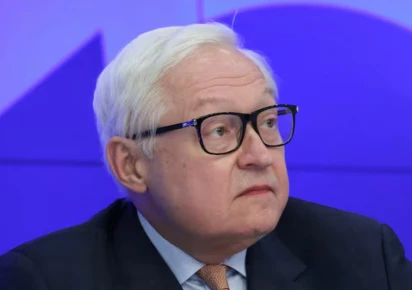
    MOSCOW: Russia is prepared to consider fresh proposals aimed at ending the war in Ukraine, but any initiative must take account of what Moscow describes as the “realities on the ground”, a senior Russian diplomat said on Friday. Deputy Foreign Minister Sergei Ryabkov said Moscow remained willing to maintain dialogue with Washington, while questioning whether the United States could exert enough influence over Kyiv and its European supporters to move negotiations forward. His comments came as diplomatic efforts to end the conflict remain largely stalled, with international attention also focused on the wider tensions surrounding the war in Iran. In an interview with Russian media outlet News.ru, Ryabkov said Moscow had seen signs that Washington was prepared for constructive discussions and showed some understanding of Russia’s position. “At this stage, it is more important to what extent Washington is able to influence the decisions of the Kyiv regime and its European sponsors,” he said. Ryabkov accused some European countries of continuing to seek what he called a “strategic defeat” of Russia, highlighting one of the central obstacles facing any potential peace agreement. Moscow Awaits New Proposals Russia and the United States have held discussions aimed at finding a path towards ending the Ukraine conflict, but negotiations have made little visible progress. The Kremlin said on Thursday that it had not received information about a possible new visit to Moscow by US presidential envoys Jared Kushner and Steve Witkoff. The two have previously played prominent roles in contacts with Russian officials. US Secretary of State Marco Rubio said last month that Washington remained committed to helping end the war after meeting Russian Foreign Minister Sergei Lavrov in Manila. However, Rubio also warned against expecting a rapid agreement, saying Washington was attempting to find a middle ground between the positions of the two sides. Ryabkov said Russia would be ready to examine any proposals put forward by Washington, provided they were consistent with Moscow’s stated objectives. “The Russian Federation is ready to listen to any reasonable proposals and ideas that are in line with the goals set by the Russian president and meet the ‘realities on the ground’,” he said. Territorial Disputes Remain Central The comments underline the continuing importance of territory in the negotiations. After almost four and a half years of war, Russia controls around one-fifth of Ukraine’s internationally recognised territory. Moscow has repeatedly said it is willing to negotiate, but insists that any settlement must acknowledge what it calls the new realities created by the conflict. Ukraine and its Western allies have opposed recognising Russian territorial gains, making the issue one of the most difficult elements of any potential peace agreement. The challenge for Washington is therefore not simply bringing Moscow and Kyiv back to negotiations, but finding terms that could satisfy competing demands over territory, security guarantees and the future political order in the region. Nuclear Dialogue Also on the Table Ryabkov also signalled that Moscow wants to keep diplomatic channels open with Washington on nuclear weapons. The issue has gained urgency since the New START treaty expired in February, leaving Russia and the United States without binding limits on their strategic nuclear arsenals for the first time in more than five decades. Moscow has said it would continue observing the treaty’s limits on missiles and warheads as long as Washington does the same. “We remain open in the future to find political and diplomatic ways to stabilise this area,” Ryabkov said. The nuclear issue adds another layer to an already complicated US-Russia relationship. Even as the two countries remain deeply divided over Ukraine, Moscow appears keen to prevent the collapse of communication on strategic weapons. For now, Russia’s message is that the door to diplomacy remains open — but only proposals that reflect Moscow’s stated conditions and its view of the battlefield are likely to receive serious consideration. With the war continuing and previous negotiations stalled, the next major test will be whether Washington can persuade Kyiv, Moscow and European governments to move beyond competing positions and return to substantive peace discussions.

  • | |

    FCC issues written verdict in 50-year-old land dis…

    Pakistan’s Federal Constitutional Court has issued a detailed written judgment in a land dispute that has remained unresolved for nearly five decades. The ruling addresses a long-standing legal conflict over land ownership and tenancy rights, overturning previous decisions and restoring the legal status of the land as it existed before 1996. The court declared the 2008 judgment of the Lahore High Court null and void. It also set aside the orders issued by the Federal Land Commissioner in 1996, ruling that those decisions were not legally sustainable. The verdict marks a significant development in one of the country’s oldest land-related legal disputes. Chief Justice Aminuddin Khan authored the 25-page judgment, outlining the legal reasoning behind the court’s decision. The ruling carefully reviewed the history of the case, the relevant land laws, and the constitutional principles governing property rights and administrative authority. According to the judgment, the legal status of the disputed land has been restored to what it was before the Federal Land Commissioner’s 1996 orders. The court held that the rights of tenant farmers, commonly referred to as muzareen, must remain protected in accordance with the Land Regulations of 1972. These regulations were introduced to safeguard the lawful rights of tenants and regulate land that had been taken into government custody. The court emphasized that once land disputes have been finally decided through due legal process, they cannot be reopened or reconsidered without a valid legal basis. The judgment stated that the principle of finality in judicial decisions is essential for maintaining certainty and stability in the legal system. The ruling explained that under the 1972 Land Regulations, various pieces of land had been taken into government possession. Decisions regarding those acquisitions had already attained final legal status after being decided by the competent authorities and courts. However, in 1996, approximately twenty years after those decisions had become final, the Federal Land Commissioner declared the earlier government acquisition orders invalid. The Constitutional Court held that the commissioner lacked the legal authority to reopen and overturn matters that had already reached finality under the law. The judgment also noted that the Lahore High Court, in its 2008 decision, had upheld the Federal Land Commissioner’s orders. After reviewing the legal record, the Constitutional Court concluded that the High Court’s decision was based on an incorrect interpretation of the law and therefore could not be allowed to stand. By restoring the pre-1996 legal position, the court reaffirmed the protection of tenant farmers’ rights under the 1972 regulations while reinforcing the importance of respecting final judicial and administrative decisions. Legal experts believe the ruling could influence the resolution of similar land disputes involving historical claims and government-acquired property. The case was heard by the Federal Constitutional Court following the enactment of the 27th Constitutional Amendment, under which the matter came within the jurisdiction of the newly established court. The judgment is expected to serve as an important legal precedent for future constitutional and land-related cases, particularly those involving administrative powers, property rights, and the principle that finalized legal disputes should not be reopened without lawful justification.

Leave a Reply

Your email address will not be published. Required fields are marked *