thai army accuses

Thai Army Accuses Cambodia of Using Ancient Temple as Military Base

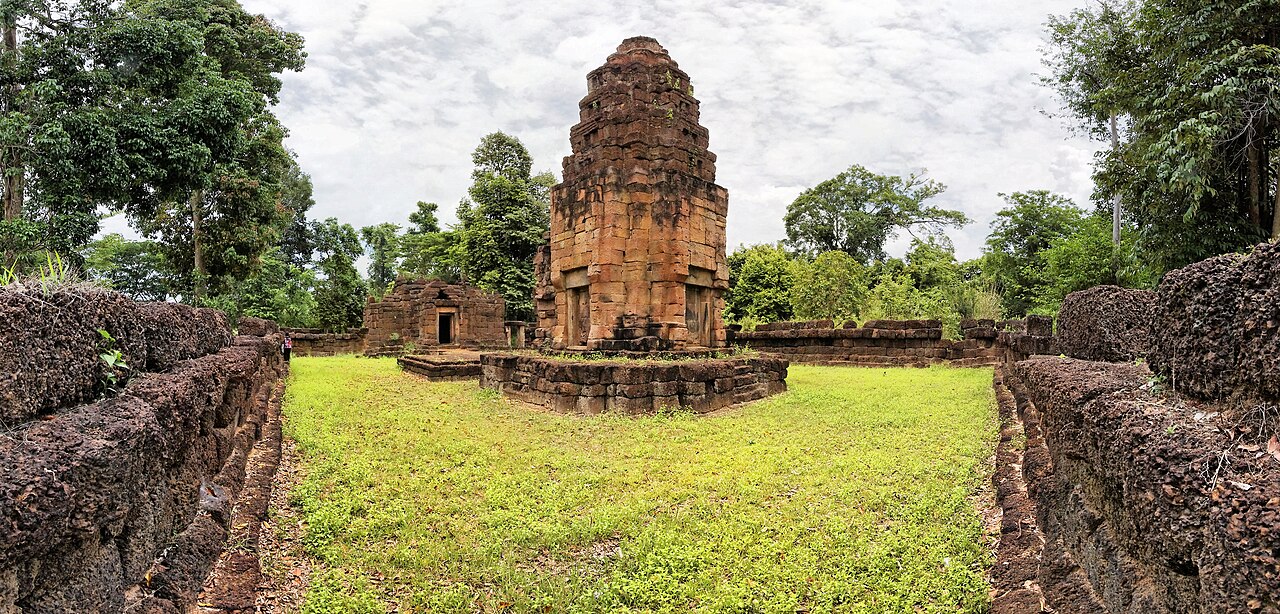
SURIN – The Thai army has accused Cambodian forces of using a historic border temple as a military base to launch operations against Thailand, in what it says is a violation of international law. The Second Army Region, responsible for security along the Cambodian border, stated that Cambodian troops equipped with heavy weapons have been stationed at the site known in Thailand as Ta Kwai Temple, accompanied by family members.

Cambodian Rockets Target Thai Border Hospital for Second Time

International conventions, including the 1954 Hague Convention, prohibit the use of cultural or historical sites for military purposes in a manner that exposes them to damage or destruction. The Thai military emphasized that the alleged militarization of the temple breaches these norms.

The accusation comes in response to claims from Cambodia’s Ministry of Culture and Fine Arts, which earlier accused Thailand of intentionally attacking the site, referred to in Cambodia as Ta Krabey Temple. The Cambodian ministry released a statement condemning what it called a “blatant disregard for culture, civilization and the sacred heritage that forms part of the shared legacy of humanity.” Accompanying social media posts included images purportedly showing Thai military strikes directly targeting the temple, resulting in its near-total destruction.

Cambodia asserts that the temple is a sacred heritage site built by Khmer ancestors and holds deep historical and spiritual significance. It has long been a popular destination for visitors from both countries.

Fifth Thai Soldier Killed as Border Clashes Intensify; Thai Jets Strike Cambodian Targets

Thailand, however, maintains that the temple is located within its territory in Surin province. The site sits in a contested border zone that has been a flashpoint in ongoing clashes between Thai and Cambodian forces. The exchange of accusations marks a further escalation in tensions, intertwining cultural heritage with military conflict.

-Thailand News (TN)
Similar Posts

  • | |

    Saudi Arabia names new envoy to Pakistan

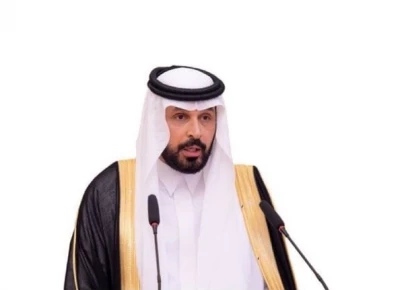
    Saudi Arabia has appointed Dr Rajeh bin Tami Al-Baqami as its new ambassador to Pakistan, replacing Nawaf bin Said Al-Malki. The appointment comes as Pakistan and Saudi Arabia continue to strengthen their longstanding partnership in defence, investment, trade and regional security. The Saudi Ministry of Foreign Affairs said Al-Baqami was among eight newly appointed ambassadors who recently took the oath of office. The ministry shared photographs of the newly appointed envoys and said they had been sworn in on behalf of the Saudi leadership. Al-Baqami brings both military and diplomatic experience to his new position. He previously served as a major general in the Saudi armed forces before joining the Foreign Ministry at ambassadorial rank. He holds a doctorate in Human Resource Management from Brunel University London. His appointment comes at a time when Islamabad and Riyadh are expanding their strategic cooperation. The two countries recently formalised their defence partnership through a Strategic Mutual Defence Agreement. Under the agreement, aggression against either country is considered an attack on both, further strengthening their long-standing military relationship. Economic cooperation has also become an important part of bilateral ties. Saudi Arabia has pledged major investments in Pakistan under Crown Prince Mohammed bin Salman’s Vision 2030 programme. Riyadh has also provided financial assistance to Pakistan during periods of economic and balance-of-payments pressure. Saudi Arabia remains an important source of oil supplies for Pakistan, including arrangements involving deferred payments. The kingdom has also supported Pakistan’s foreign exchange position through deposits with the State Bank of Pakistan. Relations between the two countries have gained further momentum amid changing regional security dynamics. Islamabad and Riyadh have maintained close consultations on regional developments, including tensions involving Iran. Pakistan has also provided military support to Saudi Arabia during periods of heightened security concerns in the region. Al-Baqami succeeds Al-Malki, who served as Saudi ambassador during a period of expanding political, defence and economic cooperation between the two countries. His arrival is expected to provide further momentum to bilateral engagement and strengthen coordination between Islamabad and Riyadh.

  • Two Former Convicts Confess To Murder Of Missing Russian Siblings In Chonburi

    SA KAEO / CHONBURI, Thailand — Two men wanted in connection with the disappearance of two Russian siblings in Chon Buri province have been arrested and have reportedly confessed to killing and burying the youths, marking a grim breakthrough in a case that has gripped the nation. Two Men Arrested In Pattaya As Search Intensifies […]

  • | |

    Mohsin Naqvi’s statement reflects personal o…

    Director General of Inter-Services Public Relations (ISPR) Lieutenant General Ahmed Sharif Chaudhry on Friday said Pakistan’s security depends on effective governance, stressing that terrorists must either surrender under the Constitution and the law or face continued military action. Speaking at a media briefing in Rawalpindi, the military spokesperson said Interior Minister Mohsin Naqvi’s recent remarks about the country’s governance system reflected his personal opinion and declined to comment further. However, he emphasized that good governance remained essential for ensuring national security and long-term stability. The DG ISPR said the National Action Plan continued to enjoy consensus among all major political parties and noted that most of its objectives, including countering extremism, disrupting terror financing and strengthening institutions, relied on strong governance. He added that Pakistan’s growing population made administrative efficiency more important than ever and said citizens had the right to effective governance. Over 40,000 Counterterrorism Operations Conducted Providing an update on security operations, Lt Gen Chaudhry said security forces had carried out 40,348 intelligence-based operations across Pakistan so far in 2026. He said 2,084 confirmed terrorists had been killed during these operations, averaging nearly 194 operations and 10 militant deaths every day. He added that the highest number of operations had been conducted in Balochistan, while 1,971 operations were carried out in Khyber Pakhtunkhwa. According to the military spokesperson, 819 people, including security personnel and civilians, embraced martyrdom during counterterrorism efforts this year, while 28 suicide attacks were recorded nationwide. He also alleged that Afghan nationals were involved in recent terrorist attacks in Tank and Karachi. No Negotiations With Armed Militants The DG ISPR made it clear that there would be no negotiations with armed militant groups. He said militants had only two options: surrender under the Constitution and the law or face continued action by security forces. Explaining the concept of a “hard state,” he said it did not refer to military rule but rather to a country where every individual is equal before the law and all matters are resolved through constitutional and legal mechanisms. Balochistan Facing Coordinated Propaganda Addressing the security situation in Balochistan, Lt Gen Chaudhry said a deliberate campaign was underway to create a false perception that the province was in crisis. He said the Constitution required every citizen to remain loyal to the state and argued that rights should always be accompanied by responsibilities. The DG ISPR alleged that certain elite groups and tribal leaders opposed social progress because they wanted to preserve the existing power structure. He said the state would continue engaging directly with the people of Balochistan instead of those seeking to obstruct development. Highlighting development initiatives, he said Gwadar now had modern healthcare facilities, educational institutions, industrial free zones and major infrastructure projects. He added that Balochistan’s per capita budget allocation exceeded Rs75,000, making it the highest among Pakistan’s provinces. He also said terrorists deliberately targeted labourers, teachers and development projects to slow the province’s progress. Missing Persons and Regional Security On the issue of missing persons, the military spokesperson said the Commission of Inquiry on Enforced Disappearances had received 10,901 cases, of which 9,372 had already been resolved. He stressed that every reported case required proper identification and verification. The DG ISPR further claimed that following what he described as Pakistan’s success during Operation Marka-e-Haq, hostile elements had shifted their focus toward destabilising Balochistan. He alleged that India and the Afghan Taliban regime shared an agenda of supporting terrorism against Pakistan.

  • | | |

    Naqvi tells tycoons: Stop funding politicians

    Federal Minister Mohsin Naqvi has called for sweeping structural reforms, warning that Pakistan cannot overcome its long-standing economic and governance challenges without fundamental changes to the country’s political and administrative systems. Speaking at the First Pakistan Investment Summit in Islamabad, Naqvi said the existing governance structure has become outdated and is no longer capable of meeting the country’s growing economic needs. He cautioned that without meaningful reforms, Pakistan could still be facing the same problems a decade from now. Addressing business leaders and investors, the minister said responsibility for the current state of affairs does not rest solely with politicians. He argued that the business community also plays a significant role in sustaining the existing system by financing political campaigns. Naqvi urged business leaders to stop funding political parties during elections and instead push for greater transparency, accountability and institutional reforms. He said reducing financial dependence on wealthy donors could help strengthen democratic institutions and improve governance. The minister also stressed the need to reduce Pakistan’s reliance on foreign loans. He said the country must focus on generating domestic resources, expanding investment and building a stronger economic foundation through long-term planning. Calling for national unity, Naqvi urged political parties to set aside differences and work together on a comprehensive reform agenda. He said lasting economic stability can only be achieved through collective decision-making and institutional improvements. Other speakers at the summit also highlighted the need for major administrative reforms. They argued that changes in governance structures, including decentralisation and stronger regional administration, could improve service delivery and reduce governance challenges. Business leader S.M. Tanvir said structural weaknesses continue to slow economic progress and called for fresh leadership and institutional reforms to strengthen the country’s administrative framework. Participants also expressed concern over Pakistan’s social and economic indicators. They noted that a large segment of the population continues to live below the poverty line, while unemployment remains a major challenge, particularly among young people. Several speakers said temporary welfare measures alone cannot address the country’s long-term economic issues. They called for policies that create sustainable employment opportunities, promote merit-based recruitment and equip young people with the skills needed to participate in the economy

  • | |

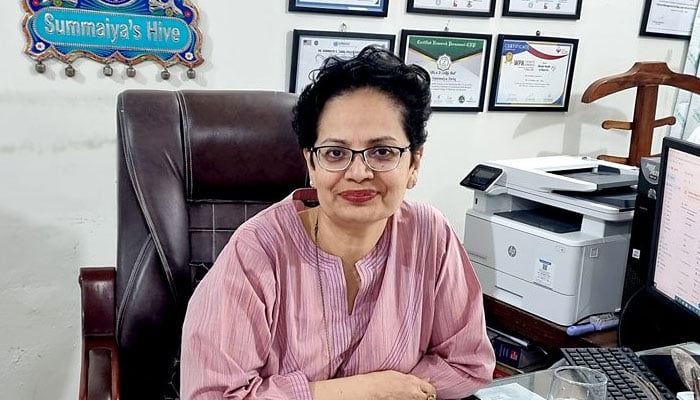
    Dr Summaiya flags 14 flaws in Mir Raza Ali post-mo…

    KARACHI: Police Surgeon Dr Summaiya Syed has identified 14 serious deficiencies in the post-mortem examination of Mir Raza Ali and formally raised concerns with the police, calling for a thorough review of the forensic findings. In a letter addressed to the Senior Superintendent of Police (SSP) District East, Dr Summaiya questioned the quality and completeness of the autopsy report prepared by Dr Osama Sheikh. She highlighted several procedural and forensic shortcomings that, according to her, could affect the accuracy and credibility of the investigation. According to the letter, no X-rays were conducted on the body before or during the post-mortem examination. Dr Summaiya stated that such imaging is a standard forensic requirement and can help identify bullet trajectories, fractures and other internal injuries that may not be visible during a routine examination. She further pointed out that no chemical analysis was carried out to determine the presence of gunpowder residue around the entry wound. The absence of such testing, she noted, limits the ability to determine the firing distance and other important forensic details. The police surgeon also stated that the internal examination of the skull and neck was not performed. She said these examinations are essential in cases involving firearm injuries, particularly when determining the exact cause of death and the path of the bullet. Dr Samia’s letter also criticised the documentation process followed during the autopsy. She said no measurement scale was used while recording the injuries, making it difficult to accurately assess the size of the wounds. She added that photographs of the injuries were not taken in accordance with accepted forensic standards. She further observed that the report did not adequately explain the bone characteristics associated with the entry and exit wounds, making the injury assessment incomplete. The letter also highlighted that the nature and stage of decomposition of the body had not been clearly described in the report. According to Dr Summaiya, documenting decomposition is important in estimating the time of death and assessing the condition of the body. Another major concern raised was the reported size of the wounds. The post-mortem report recorded the entry wound as significantly larger than the exit wound, a finding Dr Summaiya described as unusual and requiring immediate re-examination and verification. She also questioned the identification process, stating that although the face of the deceased was reportedly unrecognisable, no DNA sample was collected to scientifically confirm the identity of the body. Dr Summaiya urged the investigating authorities to carefully review the post-mortem findings and address the identified shortcomings to ensure that the forensic investigation meets professional standards and supports a fair and transparent legal process.

  • Thai Government Pushes Plan to Get 300,000 EVs on the Road

    BANGKOK — The Ministry of Transport is preparing an action plan to boost electric vehicle adoption by 300,000 vehicles, supported by tax incentives and a car trade-in scheme aimed at accelerating the shift away from petrol-powered transportation. Thailand pushes to put electric cars on the road Deputy Transport Minister Siripong Angkasakulkiat outlined two key measures […]

Leave a Reply

Your email address will not be published. Required fields are marked *