
azma bukhari slams
|

Azma Bukhari slams PPP over performance

Punjab Information Minister Azma Bukhari has criticised the Pakistan Peoples Party (PPP), accusing it of avoiding questions about its performance and shifting the blame onto the federal government through what she described as a misleading political narrative.

In a statement, Bukhari said the PPP had failed to address major public issues in Sindh, particularly in Karachi, where, according to her, residents continued to struggle with water shortages and depended on the tanker mafia for access to basic necessities.

She questioned the PPP’s criticism of the federal government and said the party should focus on its own performance instead of creating what she called a false narrative against the centre.

Commenting on the response to previous floods, Bukhari said PPP Chairman Bilawal Bhutto Zardari had advised the government to seek donations during the crisis. She claimed that Punjab Chief Minister Maryam Nawaz took practical steps to respond to the disaster using the province’s own resources, while the federal government did not provide the support Punjab expected.

The provincial information minister also criticised what she described as the PPP’s repeated complaints against its political opponents. She said the party’s tendency to “cry foul” had become a routine part of its politics.

Bukhari added that political tensions could ease if the opposition reduced its rhetoric. “If the political temperature comes down from the other side, we will also respond in the same manner,” she said.

Taking aim at the Sindh government’s healthcare system, Bukhari questioned why senior leaders and ministers from the province travelled abroad for medical treatment if the healthcare facilities in Sindh were as effective as the PPP claimed.

She also highlighted the Punjab government’s focus on southern Punjab, saying Chief Minister Maryam Nawaz had given the region special attention and was working to improve development and public services there.

Bukhari further accused the PPP of adopting different standards when discussing political and administrative issues. She said the party frequently used the southern Punjab issue as a political card while opposing similar demands for the creation of new administrative units in Sindh.

The Punjab information minister argued that the PPP should maintain consistency in its political position and apply the same principles to administrative reforms across the country.
Similar Posts

  • | | |

    PM forms top panel to revive Iran gas pipeline

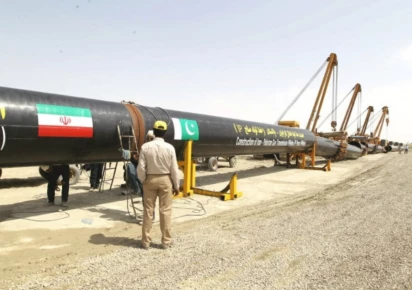
    Prime Minister Shehbaz Sharif has formed a high-level committee to find a mutually acceptable solution to the long-delayed Pakistan-Iran gas pipeline project, which has remained stuck for more than a decade. Petroleum Minister Ali Pervaiz Malik informed the Senate that the committee is examining the legal, financial and energy implications of the project. It will assess Pakistan’s potential financial exposure in the ongoing arbitration process while also considering the country’s future energy requirements. The minister was responding to a calling-attention notice raised by Senator Talha Mahmood. He said the government was seeking a negotiated solution rather than allowing the dispute to become more complicated through prolonged litigation. Describing Iran as a “brotherly country”, Malik said the leadership of Pakistan and Iran remained in contact and was working towards an amicable settlement. He noted that Iran had already completed substantial infrastructure on its side of the project. Iranian authorities have brought gas from the South Pars field towards a major city close to the Pakistani border. The dispute over the pipeline has reached international arbitration in Paris. Pakistan is therefore assessing the possible financial consequences of the project delays and the legal proceedings before deciding its next course of action. The government is also reviewing whether the pipeline can be made commercially viable. Pakistan has previously asked Iran to cut its gas price by around 50 per cent and reduce the proposed supply volume because several domestic sectors have shown limited interest in purchasing Iranian gas at existing prices. Officials have said that domestic consumers and fertiliser plants are currently receiving gas at significantly lower prices than the cost at which imported gas could be supplied through the project. Power producers have also indicated that purchasing imported gas at prices above Rs2,000 per million British thermal units would not be commercially feasible. The government has therefore been considering a lower price as a potential benchmark for making the pipeline economically sustainable. Pakistan has also indicated that it could move ahead with the project if the United States provides a waiver allowing energy cooperation with Iran despite Washington’s sanctions regime. The Iran-Pakistan pipeline, commonly known as the Peace Pipeline, was originally designed to transport Iranian natural gas to Pakistan and help address the country’s long-term energy needs. Iran completed a substantial portion of the pipeline within its territory. Pakistan, however, did not complete its section by the agreed deadline, leaving the project largely dormant. US sanctions against Iran, difficulties in securing financing and wider geopolitical tensions have complicated Pakistan’s efforts to complete the project. The issue has also resulted in legal disputes between the two countries. Iran initiated international arbitration proceedings in Paris over delays in the implementation of the project. Meanwhile, the petroleum minister told the Senate that the government was separately addressing gas-related problems in Balochistan. He said Prime Minister Shehbaz Sharif had instructed him to engage with provincial stakeholders. Another high-level committee, headed by Deputy Prime Minister and Foreign Minister Ishaq Dar, is examining gas-related issues in the province, including technical and payment-related matters. The latest move indicates that Islamabad is attempting to balance its obligations under the Iran gas project with its financial constraints, international commitments and changing energy requirements.

  • | |

    Flash floods hit DG Khan, hundreds rescued

    By MIR Hunbal Birmani   DG Khan: Heavy rains in the Sulaiman Range have caused flash flooding in several small and large hill torrents in Sakhi Sarwar and adjoining areas, creating difficulties for tourists returning from Mubarki, Yakbai and other tourist destinations, as well as travellers and residents of tribal areas, in crossing the waterways. Taking notice of the situation, Deputy Commissioner and Senior Commandant Dera Ghazi Khan Muhammad Usman Khalid directed an immediate rescue operation under the supervision of Political Assistant Koh-e-Sulaiman Ameer Taimoor. The Border Military Police (BMP) mobilised its personnel and vehicles and reached various routes affected by the hill torrents to rescue stranded tourists, travellers, women, children and residents of tribal areas, along with their belongings, and shift them to safe locations. On the instructions of Deputy Commissioner Muhammad Usman Khalid, BMP personnel also helped private vehicles and motorcycles cross the flooded hill torrents. At some locations, motorcycles and luggage were carried on their shoulders to help people reach safer places. During the rescue operation, the valuable belongings and vehicles of tourists and travellers were also safely moved to secure locations. The BMP team also transported a woman who was on her way to hospital for delivery in an official vehicle. Due to the timely actions of the district administration and the BMP, hundreds of tourists, travellers and local residents were rescued from difficulties caused by the flash floods and shifted to safe places Deputy Commissioner Muhammad Usman Khalid said that, in accordance with the special instructions of Punjab Chief Minister Maryam Nawaz Sharif, all necessary arrangements had been completed in view of the monsoon rains. Teams of the district administration, Border Military Police, Baloch Levies and other relevant departments had been deployed at important routes near the hill torrents to ensure an immediate response to any emergency situation. He urged citizens and tourists to avoid going near hill torrents during rainfall and to follow the instructions issued by the administration. “The protection of the lives and property of the people is the top priority of the district administration,” he said. While on other hand , Senior officials on Thursday visited hill torrent structures and flood-prone areas in Rajan pur district to review the situation and preparedness measures. The visit was conducted by commissioner Dera Ghazi Khan ch.Ashfaq , Chief Engineer Irrigation, Dera Ghazi Khan, the Superintending Engineer Irrigation, Additional Deputy Commissioner Revenue Rajan pur, Assistant Commissioners of Jam pur and Rajan pur, the In-charge of Rescue 1122, and other relevant officials. The officials inspected the Kaha Hill Torrent siphon at RD-145 and Pull Pathan Camp at Tayyab Drain. According to officials, a peak discharge of 40,000 cusecs was recorded at Darrah, the originating point of the Kaha Hill Torrent, yesterday. However, a major portion of the floodwater dissipated during its passage, and only around 2,000 cusecs had reached RD-145 so far. The Irrigation Department has established eight camps in the area, equipped with the necessary machinery, equipment and manpower to deal with any emergency situation. Teams of the District Administration Rajan pur, Irrigation Department and Rescue 1122 are actively monitoring the situation and remain vigilant.

  • | | |

    Heavy rains claim 26 lives in Khyber Pakhtunkhwa o…

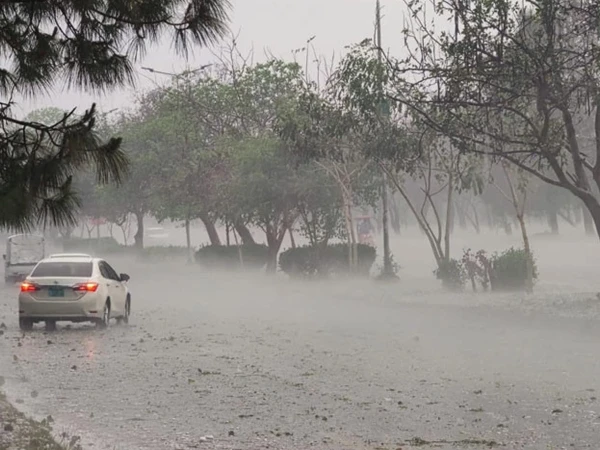
    At least 26 people, including women and children, have lost their lives after five days of heavy rainfall across the plains and mountainous districts of Khyber Pakhtunkhwa, according to the Provincial Disaster Management Authority (PDMA). The severe weather has also left several people injured and caused significant damage to homes and infrastructure in multiple parts of the province. The PDMA’s latest report stated that the fatalities include two women and four children, highlighting the devastating human impact of the ongoing spell of heavy rain. In addition to the deaths, six people sustained injuries in weather-related incidents reported across affected districts. The continuous rainfall triggered flash floods, landslides, and structural collapses, causing widespread destruction in both urban and rural areas. According to the disaster management authority, 65 houses have been damaged, with 41 homes suffering partial damage and 24 houses completely destroyed. The damage has displaced several families, many of whom are now relying on emergency assistance. The worst-affected districts include Abbottabad, Swat, Buner, Khyber, Lower Chitral, Lower Dir, Mansehra, Mardan, Peshawar, Shangla, Swabi, Upper Dir, and Upper Kohistan. Rescue teams and local authorities continue to monitor vulnerable areas where additional rainfall may increase the risk of flooding and landslides. The PDMA confirmed that it is working closely with Rescue 1122, district administrations, and other relevant government agencies to coordinate emergency response efforts. Rescue operations, relief distribution, and damage assessments are currently underway to ensure that affected families receive immediate assistance. Authorities have instructed district administrations to accelerate relief activities and provide essential support, including temporary shelter, food, medical care, and other emergency services to displaced residents. Officials are also assessing infrastructure damage and identifying areas requiring urgent rehabilitation. The recent spell of heavy rainfall serves as another reminder of the increasing challenges posed by extreme weather events in Pakistan. Experts have repeatedly emphasized the importance of disaster preparedness, early warning systems, and resilient infrastructure to reduce the impact of floods and severe storms on vulnerable communities. Residents living in flood-prone and mountainous areas have been advised to remain alert, avoid unnecessary travel during heavy rainfall, and follow safety instructions issued by local authorities. As rescue and recovery operations continue, government agencies remain focused on protecting lives, supporting affected families, and restoring normal conditions in the worst-hit districts of Khyber Pakhtunkhwa.

  • | | | |

    Tanweer Ahmed champions human-centred AI at UN you…

    Tanweer Ahmed, a technology and artificial intelligence professional, has called for a human-centred approach to AI adoption, stressing that emerging technologies should support people rather than replace them. Speaking at the Youth and AI Summit at United Nations Headquarters in New York on International Youth Day, Ahmed delivered a presentation titled “Keeping Humanity in AI Adoption.” He focused particularly on how nonprofit organisations can use artificial intelligence responsibly while protecting human judgment and accountability. Ahmed said his professional background in technology consulting, data analytics and AI had given him experience in understanding the opportunities created by emerging technologies. However, he said his passion for the nonprofit sector was rooted in his earlier experiences working with communities and young people. He recalled working on a community farm and participating in cultural education activities in Cuba during 2007 and 2008. In 2010, he travelled to South Africa, where he taught mathematics to fifth-grade students. Ahmed said these experiences shaped his long-term desire to contribute to communities and help children around the world. He described his appearance at the UN event on International Youth Day as an honour and an opportunity to reconnect with those early aspirations. During his presentation, Ahmed discussed the rapid growth of artificial intelligence and its increasing use by individuals, businesses and nonprofit organisations. He explained that AI adoption should not simply mean occasionally using chatbots or other AI applications. Instead, organisations should strategically integrate AI into their daily workflows, operations and decision-making processes. Ahmed highlighted several areas where nonprofits can use AI, including internal productivity, communication, fundraising, grant writing and administrative tasks. He presented the Ugandan Water Project as an example of how AI can support a nonprofit organisation. The project works to improve access to clean water in Uganda and reduce the impact of waterborne diseases. According to Ahmed, the organisation uses AI to assist with grant applications and donor outreach. Previous grant applications and organisational information can be analysed to help prepare targeted applications for new funding opportunities. Ahmed stressed that AI-generated material is not simply submitted without human involvement. Staff review, edit and verify the content before applications are sent to funders. He said AI had also helped the organisation identify new grant opportunities and improve internal processes, including contract drafting and project-management workflows. Ahmed emphasised that the purpose of such technology should be to make employees more efficient rather than eliminate their jobs. He also discussed AI-powered voice-to-text technology used in social work and community services. Such systems can allow workers to record information while they are in the field and transfer it into required software, reducing the amount of time spent on administrative duties. Ahmed said reducing paperwork could give nonprofit workers more time to interact directly with the people and communities they serve. However, he warned that AI adoption also presents challenges. These include financial costs, limited access to technology, concerns over job losses, inaccurate information, privacy issues, bias and difficulties in understanding cultural and linguistic nuances. He also highlighted concerns about the environmental impact of the infrastructure required to operate increasingly powerful AI systems. Ahmed urged organisations to develop responsible AI policies covering privacy, security, fairness, transparency, human oversight and accountability. He encouraged nonprofit organisations to learn from one another and share successful experiences with AI, saying organisations working for social causes can benefit from cooperation rather than competing over technological approaches. A key message of his presentation was that humans must remain responsible for AI-assisted decisions. Ahmed warned organisations against blindly accepting AI-generated content and urged them to review outputs carefully, correct errors and ensure that technology does not replace human judgment. Who is Tanweer Ahmed, the Pakistani-American philanthropist? Pakistani-American businessman and philanthropist Tanweer Ahmed has attracted renewed attention in Pakistan following his reported $9 million contribution to the National University of Sciences and Technology (NUST) and his recent appearance alongside senior Pakistani officials in the United States. Ahmed, who is based in Houston, has built a diverse business portfolio in the United States while also becoming involved in philanthropy, education, healthcare and cricket. His recent contribution to NUST is aimed at supporting talented students from financially disadvantaged backgrounds. The endowment is expected to provide scholarships to deserving students each year, with a particular focus on fields such as artificial intelligence, information technology, science and other emerging technologies. Ahmed has said his objective is to ensure that talented Pakistani students are not deprived of quality education because of financial difficulties. He has also expressed plans to expand similar scholarship initiatives to other educational institutions. The businessman has also supported infrastructure and technology-related initiatives at NUST, including the development of facilities intended to strengthen research and innovation. His philanthropic activities extend beyond education. Ahmed has been associated with healthcare initiatives in Pakistan and has supported efforts aimed at providing assistance to communities affected by natural disasters. He also drew attention for his role in relief efforts following the devastating floods that struck Pakistan in 2022. He has been credited with helping mobilise substantial humanitarian assistance for flood-affected communities. Ahmed’s business journey began after he moved to the United States as a student. According to accounts of his career, he initially worked in restaurants and at gas stations while trying to establish himself. He later moved through several positions in the American fast-food industry. His career accelerated after he joined Jack in the Box as a shift manager. His performance and business approach helped him move into senior management positions, eventually leading to opportunities in the Taco Bell franchise system. Ahmed later expanded into franchising and developed a large portfolio of food outlets across several US states. His business interests have also extended into insurance, energy, transportation and other sectors. Over the years, he has developed a reputation as an entrepreneur who combines commercial ventures with philanthropic activities. Ahmed is also closely associated with the development of cricket in the United States. A passionate cricket enthusiast, he established the Prairie View Cricket Complex near Houston after acquiring a large tract of

  • | |

    Naqvi backs independent ministry performance revie…

    Federal Interior Minister Mohsin Naqvi has said he will recommend that Prime Minister Shehbaz Sharif order an independent performance review of all federal cabinet ministers to evaluate the effectiveness of their ministries. Speaking on the country’s governance and accountability, Naqvi said every ministry should undergo a third-party assessment so that its performance can be measured through an impartial process. He added that the findings of the evaluation should be made public to ensure transparency and strengthen public confidence in government institutions. The interior minister expressed confidence in the stability of the current political setup, saying the government would complete its full five-year constitutional term. He dismissed speculation about any change in the existing system and said the democratic process would continue without interruption. Naqvi stressed that regular performance evaluations would help improve governance, identify weaknesses and encourage ministries to deliver better public services. He said objective assessments by independent experts would contribute to greater efficiency and accountability across the federal government. Responding to criticism directed at him, the interior minister thanked those who had remarked that he achieved in three years what normally takes three decades. He described such comments as recognition of his work and said he appreciated both criticism and acknowledgment of his performance.

  • | |

    Justice Shahid Karim’s retirement to leave 21 va…

      A spokesperson has confirmed that Justice Shahid Karim is currently ranked sixth on the seniority list of judges serving at the Lahore High Court. His position on the seniority roster reflects his extensive judicial experience and years of service within Pakistan’s higher judiciary. According to the spokesperson, Justice Shahid Karim has been hearing cases related to smog prevention and environmental pollution for the past several years. During this period, he has presided over numerous hearings concerning environmental protection, air quality, and measures aimed at reducing the harmful effects of smog, particularly in Punjab. His courtroom has become a focal point for addressing environmental issues that have increasingly affected public health and the quality of life in the province. Justice Karim has been widely recognized for taking an active interest in environmental matters. Under his supervision, various government departments have been directed to implement policies and practical measures to tackle air pollution and improve environmental standards. His hearings have often involved officials from environmental agencies, local governments, industries, and other stakeholders responsible for ensuring compliance with environmental regulations. The issue of smog has become one of the most pressing environmental challenges in Pakistan, especially during the winter months, when air quality deteriorates significantly due to industrial emissions, vehicle exhaust, crop residue burning, and unfavorable weather conditions. Through his judicial oversight, Justice Shahid Karim has consistently emphasized the need for coordinated action among government institutions to protect public health and reduce environmental degradation. The spokesperson further stated that Justice Shahid Karim’s retirement will create another vacancy in the Lahore High Court. Following his retirement, the total number of vacant judicial positions at the court will rise to 21. This increase in vacancies is expected to place additional pressure on the existing judges, who already manage a heavy workload involving thousands of pending civil, criminal, constitutional, and administrative cases. Judicial vacancies are a matter of concern because they can contribute to delays in the disposal of cases and increase the burden on the remaining members of the bench. Legal experts have frequently stressed the importance of filling vacant judicial positions promptly to ensure timely access to justice and maintain the efficient functioning of the court system. The retirement of a senior judge such as Justice Shahid Karim is also significant because of the experience and expertise he brings to the judiciary. Over the years, he has handled a wide range of important legal matters, but his role in environmental litigation has particularly distinguished his judicial career. His decisions and observations have highlighted the importance of environmental conservation, sustainable development, and government accountability in addressing pollution-related challenges. With his departure from the bench, authorities are expected to initiate the process of appointing new judges to fill the growing number of vacancies in the Lahore High Court. These appointments will be important in ensuring that the court continues to function effectively and that the backlog of pending cases does not increase further. Justice Shahid Karim’s retirement marks the end of an important chapter in the Lahore High Court’s judicial history. His contributions, particularly in the field of environmental justice and smog control, have had a lasting impact on legal and policy discussions surrounding environmental protection in Pakistan. As the Lahore High Court prepares for this transition, the appointment of qualified judges will be essential to maintaining the efficiency, credibility, and effectiveness of the judicial system.

Leave a Reply

Your email address will not be published. Required fields are marked *