bilawal demands transparent
| |

Bilawal demands transparent AJK election process

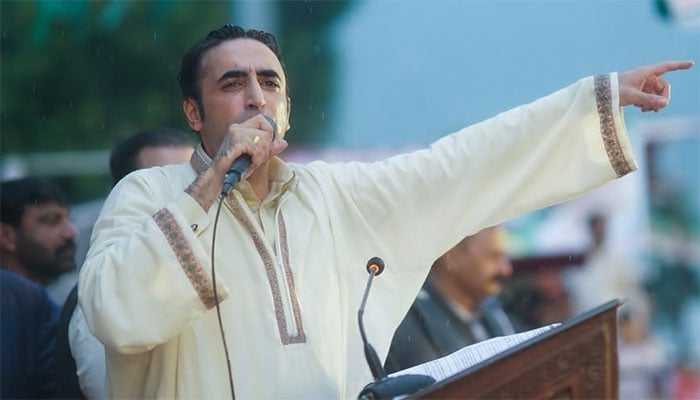
Pakistan Peoples Party (PPP) Chairman Bilawal Bhutto Zardari has called for a fair and transparent electoral process in Azad Jammu and Kashmir (AJK), saying the Election Commission’s duty is to protect the people’s vote rather than support any political party.

In a statement regarding the first phase of the AJK elections, Bilawal said the credibility of the entire electoral process would depend on ensuring justice and transparency at the initial stage.

He urged the Election Commission to address all complaints related to alleged rigging and irregularities before August 2 through open hearings. He also demanded that polling station results and election records be made available to the public to remove doubts and increase confidence in the process.

The PPP chairman said his party was not seeking anyone’s favour or special treatment. He said the demand was only for the right to participate in clean, transparent and impartial elections.

Bilawal emphasized that the Election Commission should remain neutral and perform its constitutional responsibilities without any pressure. He said the institution’s main responsibility was to safeguard the mandate given by voters.

He added that protecting the people’s vote was essential for strengthening democracy and ensuring that the voices of Kashmir’s residents were properly represented.

The PPP leader’s statement came amid political discussions over the first phase of the AJK elections, with parties raising concerns and demanding a transparent mechanism to address electoral complaints.

Similar Posts

  • |

    Karan Johar credits Shah Rukh Khan for filmmaking success

    Indian filmmaker Karan Johar marked the occasion of Guru Purnima with an emotional tribute to two people he says transformed his life and career—superstar Shah Rukh Khan and filmmaker Aditya Chopra. Through a heartfelt social media post, Karan reflected on the guidance, encouragement, and unwavering faith they showed in him long before he became one of Bollywood’s most successful directors. Sharing nostalgic photographs with Shah Rukh Khan and Aditya Chopra, Karan looked back on the early days of his journey in the film industry. He recalled a life-changing moment when Aditya Chopra invited him to assist on the iconic film Dilwale Dulhania Le Jayenge. At the time, Karan was planning to continue his studies, but Aditya convinced him to stay back and experience filmmaking from behind the scenes. According to Karan, Aditya spoke to him late one night and urged him to work on the film. More importantly, he encouraged Karan to become a director, insisting that he had the talent for it. Karan remembered Aditya telling him that avoiding this path would be one of the biggest mistakes of his life. Those words remained with him and eventually changed the direction of his future. The following morning, Karan discussed the opportunity with his father, the late producer Yash Johar. He asked for one year to work on a film set before making any long-term decisions. Karan shared that his father questioned whether he understood the responsibilities of working on a set. When Karan admitted he did not, Yash Johar offered advice that stayed with him forever. He explained that technical knowledge alone could make someone a producer, but becoming a director required genuine passion and commitment. Karan acknowledged that Aditya Chopra believed in his potential at a time when he lacked confidence in himself. That encouragement gave him the courage to step into filmmaking and eventually direct his first feature film. The filmmaker also reflected on another unforgettable moment involving Shah Rukh Khan. During a trip to Switzerland, the actor confidently told Karan that he would one day become a director and that Shah Rukh himself would star in his debut film. Karan admitted he did not take the promise seriously at the time, assuming it was simply a kind gesture. However, after returning to India, Shah Rukh Khan fulfilled that promise. He stood by Karan and supported him as he prepared for his directorial debut. That support eventually led to the creation of Kuch Kuch Hota Hai, the film that launched Karan Johar’s career as a director and became one of Bollywood’s biggest successes. Concluding his Guru Purnima message, Karan expressed deep gratitude to both Shah Rukh Khan and Aditya Chopra. He said their trust, mentorship, and belief helped him overcome self-doubt and pursue storytelling with confidence. Karan added that every success and failure he has experienced in his career has been possible because of the guidance and support they gave him. He described the two as the greatest influences on his journey and thanked them for making it possible for him to tell stories on the big screen.

  • | |

    Rising heat pushes even Africa’s resilient c…

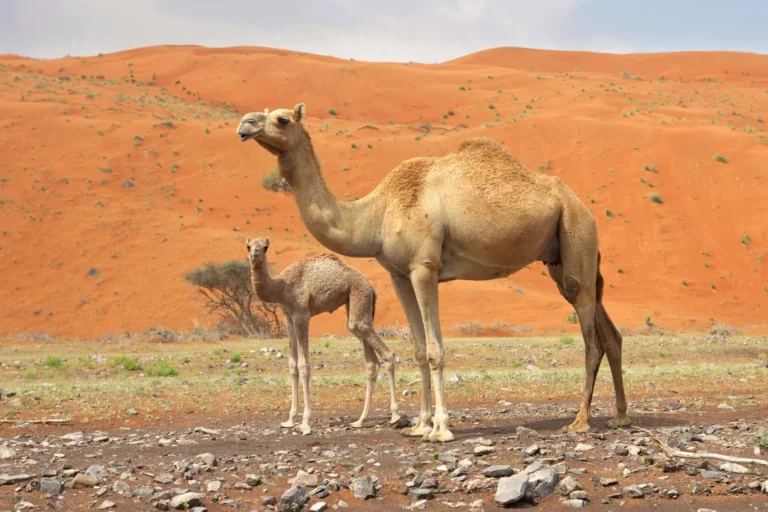
    Camel herders and scientists across Africa say that rising temperatures are now overwhelming animals long regarded as uniquely suited to desert extremes, with herds facing rising death tolls, illness, and shrinking grazing lands. In the Afar region of northeastern Ethiopia, among the hottest and driest places on the planet, nomadic herders traditionally lead camel caravans loaded with salt across the desert. Ali Umer, a 40 year old herder from Semera who owns around 500 camels, said he watches his animals struggle under conditions he has never seen before. He described blistered feet, watery eyes, and burned skin among his herd, and said the sand itself now scorches the animals as they rest. Umer said he lost eight camel calves in a single month due to extreme heat, and added that even the wind no longer brings relief. He said the changes have become noticeably worse in recent years. Umer’s account matches what researchers and veterinarians are documenting across the continent. Scientists and animal welfare specialists point to stress, fatigue, dehydration, and rising disease rates as direct consequences of extreme heat, while indirect effects such as water shortages, vegetation loss, and disappearing shade compound the damage. North Africa and the Horn of Africa are home to roughly 80 percent of the world’s dromedary camel population, the single humped variety that farmers across the region have increasingly relied on because of its reputation for withstanding drought and heat. A 2025 study examining herder perceptions in southern Ethiopia found that climate variability had measurably harmed camel health, productivity, and reproduction. The crisis appears especially acute in Somalia. Research published in June found that drought linked camel deaths have affected nearly 46 percent of camel owning households, based on a survey of almost 6,000 pastoral families. The mortality was heavily concentrated in northern areas, with the Sool region recording a death rate of nearly 73 percent. Experts say extreme heat is the central driver behind the region’s drought conditions, though poor veterinary access and weak herd management make outcomes worse. Atmospheric scientists have linked the severe 2021 to 2022 drought to sustained high temperatures, which accelerate evaporation from soil and water sources and increase the rate at which plants release moisture into the air. Veterinarians on the ground report a growing caseload tied to heat. Hassan Nuya Guyo, a veterinary officer in Marsabit county in northeastern Kenya near the Ethiopian border, said his clinic is seeing a sharp rise in hyperthermia cases that leave camels vulnerable to secondary infections. He said camel deaths in the county have risen more than 15 percent over the past two years due to heat and drought. Separate research from the Horn of Africa links heat stress to higher disease rates and falling milk yields among camel herds. A similar pattern is emerging in North Africa. A study conducted in Algeria and published this year documented a marked rise in camel deaths during summer heatwaves, with researchers noting clear seasonal mortality spikes that they say call for targeted responses such as emergency water supplies, supplemental feeding, and closer disease monitoring during peak summer months. The World Meteorological Organization says extreme heat events have become routine across North Africa, with heatwaves trending upward since 1981. Several countries in the region and the wider Middle East recorded temperatures above 50 degrees Celsius in 2024. The organization’s most recent State of the Climate in Africa report found that North Africa warmed faster than any other subregion on the continent between 1991 and 2025, at a rate of 0.43 degrees Celsius per decade. Camels are naturally equipped to handle heat up to about 40 degrees Celsius. Their bodies allow internal temperature to fluctuate throughout the day, reducing the need to sweat, while concentrated urine, dry waste, and a thick protective coat help limit water loss and block solar radiation. But researchers say those adaptations are no longer enough. Mohammed Bengoumi, a camel health specialist with the United Nations Food and Agriculture Organization who works across North Africa, said summer temperatures in large parts of the Sahara now regularly exceed 50 degrees Celsius, raising the risk of severe heat stress, especially where vegetation, water, and shade are already scarce. Abdelmadjid Chehma, a professor at the University of Ghardaia in Algeria who has conducted experimental research on desert camels, said sustained heat above 41 to 45 degrees Celsius damages the animals at a cellular level, weakening their immune systems and preventing white blood cells from repairing themselves. He said the resulting stress slows the animals’ metabolism as their bodies try to limit internal heat production, which in turn reduces appetite and causes lethargy, lower milk output, and reproductive problems. Mohammed el Khasmi, an animal hydrobiology expert at the University of Casablanca in Morocco, said his team has documented a wide range of heat related harm in camels, including weight loss, inflammation, muscle and bone damage, kidney related chemical imbalances, and parasite driven infections. The combined pressures are forcing some herding communities to abandon land they have used for generations. Daniel Gelan, a pastoralist development researcher at Vision University in Ethiopia, said herders in the country’s north are relocating permanently to southern areas with more reliable water and vegetation, rather than following the seasonal migration patterns of the past, because the northern region can no longer sustain camel herding. The Horn of Africa is still recovering from a severe drought that lasted from 2020 to 2023 and is now facing another period of harsh conditions, according to the charity Oxfam, which reported that water prices in parts of Somalia have jumped by more than 2,000 percent. Back in Afar, Umer said he fears disease could soon begin killing his adult camels as well. Chehma said that concern reflects a broader shift underway across the region, where an animal once seen as the ultimate survivor of desert life is now being pushed toward its own breaking point by the pace and severity of current heatwaves.

  • | |

    Miss North Carolina loses crown after allegations

    Miss North Carolina USA Brittany Boltinhouse has been removed from her title following a review of information that recently came to light, pageant organisers announced. A Blaize Productions, which runs the state pageant, said it had made the decision to end Boltinhouse’s reign after examining the circumstances. The organisers did not disclose the nature of the information that prompted the review. Miss USA organisation president Thom Brodeur said the organisation does not tolerate racism, homophobia, transphobia or language that degrades or strips people of their dignity. Brodeur said the issue was not linked to a single incident. According to him, the information presented to the organisation pointed to conduct that had allegedly occurred over an extended period. He said Boltinhouse had apologised and was expected to issue a statement addressing the matter. She has not publicly provided details about the circumstances leading to her removal. Boltinhouse, 27, won the Miss North Carolina USA title in June. She had been preparing to represent the state at the 75th Miss USA competition in Miami later this month. Organisers said the decision was not taken lightly and followed a “thorough review” of recently surfaced information. They said the action was necessary to protect the integrity of the title and uphold the organisation’s standards. The state’s runner-up, Myla Hadley, will now take over the title and represent North Carolina at the Miss USA pageant. Hadley said she understood the significance and responsibility attached to the position and was prepared to take on the role despite the short notice. She said she had been preparing to represent North Carolina at the national competition since she first entered the organisation’s pageant system. The winner of the upcoming Miss USA competition will go on to represent the United States at the Miss Universe pageant in November.

  • | | |

    Saudi Crown Prince receives PM Shehbaz Sharif in M…

    Prime Minister Muhammad Shehbaz Sharif was received by Saudi Crown Prince and Prime Minister Prince Mohammed bin Salman bin Abdulaziz Al Saud at Al-Safa Palace in Makkah on Friday, where the two leaders commenced high-level bilateral talks aimed at further strengthening Pakistan-Saudi Arabia strategic ties. The Prime Minister is accompanied by Deputy Prime Minister and Foreign Minister Senator Mohammad Ishaq Dar, Field Marshal Syed Asim Munir, Chief of Army Staff and Chief of Defence Forces, and Defence Minister Khawaja Muhammad Asif. The meeting is expected to review the full spectrum of bilateral relations, with discussions focusing on defence and security cooperation, trade and investment, regional developments, and ways to deepen the longstanding strategic partnership between Pakistan and Saudi Arabia. The talks come amid heightened regional diplomatic activity and underscore the close coordination between Islamabad and Riyadh on key geopolitical and economic issues.

  • |

    Musafir Cafe season 2 officially announced by Netflix

    Netflix has officially renewed Musafir Cafe for a second season, promising to continue the emotional journey of love, relationships and unresolved feelings that made the first installment popular among viewers. The streaming platform confirmed that Vikrant Massey, Vedika Pinto and Mahima Makwana will reprise their lead roles, returning as Chander, Sudha and Preeti for the next chapter of the romantic drama. The announcement was made through a special promotional video, offering fans their first confirmation that the story will move forward. While the teaser did not reveal any major plot details, it hinted that the upcoming season will pick up where the previous one ended, exploring the next stage of the characters’ personal and emotional lives. The first season of Musafir Cafe focused on the complexities of modern relationships, highlighting the emotional struggles, difficult choices and evolving connections between its three central characters. Its ending sparked widespread discussions among viewers, with many debating the future of Chander, Sudha and Preeti and wondering how their unfinished stories would unfold. Speaking about the show’s renewal, Tanya Bami, Series Head at Netflix India, said that Musafir Cafe had resonated deeply with audiences across the country. She noted that viewers connected strongly with the characters, memorable dialogues and music, while conversations surrounding the ending generated significant buzz on social media. According to her, the overwhelming response encouraged the platform to continue the story with a second season. Creator and writer Sharanya Rajgopal also expressed gratitude for the appreciation the series received. She said the love shown by audiences had been overwhelming and that, as a storyteller, there could be no greater reward than seeing fictional characters become meaningful to viewers. She added that the audience’s support inspired the creative team to continue Chander, Sudha and Preeti’s journey in a new chapter. Although Netflix has kept the storyline under wraps, expectations are high that Season 2 will further explore the emotional consequences of the characters’ earlier decisions. Fans are anticipating new challenges, evolving relationships and deeper emotional conflicts as the story progresses. The returning cast includes Vikrant Massey, Vedika Pinto and Mahima Makwana in the lead roles. They will once again be joined by a talented supporting ensemble featuring Adil Hussain, Rajeev Siddhartha, Anubha Fatehpuria, Loveleen Mishra and Sadia Siddiqui, all of whom played significant roles in the first season. Musafir Cafe was created and written by Sharanya Rajgopal and directed by Ruchir Arun. The series is based on characters from a novel by Divya Prakash Dubey and is produced by Terribly Tiny Tales (TTT) in collaboration with Homemade Stories. An official release date for the second season has not yet been announced. However, with the original cast returning and the creative team back on board, viewers can expect another heartfelt chapter exploring love, longing and the emotional complexities of human relationships.

  • | |

    Saudi-US talks focus on easing regional tensions, …

    Saudi Crown Prince Mohammed bin Salman and US Central Command chief Admiral Brad Cooper have held talks on regional security and efforts to ease tensions, as the conflict involving Iran continues to threaten stability and global energy supplies. According to Saudi state media, the two officials discussed defence cooperation between Riyadh and Washington, developments across the region and diplomatic efforts aimed at reducing tensions and strengthening security. The meeting came as concerns surrounding the Strait of Hormuz intensified. The strategic waterway remains a major route for global oil and liquefied natural gas shipments, and disruptions caused by the conflict have raised fears of further pressure on international energy markets. Saudi Arabia also announced the launch of a multinational defensive maritime alliance, with 13 countries joining the initiative. Representatives from 39 countries attended a planning meeting held at the Western Fleet Command in Jeddah, which Saudi authorities described as an important step towards putting the alliance into operation. Meanwhile, Washington has signalled that its economic and military pressure on Tehran could intensify. US Treasury Secretary Scott Bessent said the United States was preparing measures against Iran on a scale not previously seen in efforts to economically isolate a country. Bessent said the strategy would combine tougher economic restrictions with continued pressure surrounding the Strait of Hormuz. He indicated that further announcements could come next week as Washington seeks to increase pressure on Tehran. US Defence Secretary Pete Hegseth also said the US Navy could maintain a blockade of Iranian ports and shipping routes for an indefinite period, arguing that American forces had sufficient capacity to rotate vessels and sustain the operation. The standoff has already severely affected shipping through the Strait of Hormuz. Traffic has fallen sharply compared with levels recorded before the conflict, when roughly 130 to 140 vessels passed through the waterway each day. The decline has raised concerns about disruptions to international energy supplies. Tensions escalated further after two vessels operated by Abu Dhabi National Oil Company were reportedly attacked while travelling through the strait. The UAE condemned the incident and blamed Iran for the attacks. Iran has rejected US claims over control of the waterway and has indicated that normal shipping will not resume until its demands are addressed. Tehran has called for the removal of economic sanctions and the release of frozen Iranian assets. The conflict is also putting increasing pressure on global oil markets. The International Energy Agency has revised its estimate for the decline in global oil supply, projecting a reduction of about 4.3 million barrels per day this year, equivalent to around 4% of global supply. Although oil prices fell by more than 2% on Thursday amid concerns over weaker demand and rising US crude inventories, renewed reports of attacks linked to Iran-backed forces have continued to fuel uncertainty in energy markets. The economic consequences are spreading beyond the region, with economists warning that a prolonged conflict could significantly weaken global growth and increase the risk of recession in some economies. US President Donald Trump has faced growing domestic pressure to bring the conflict to an end as higher fuel prices weigh on American consumers and threaten his political standing ahead of November’s midterm elections. While Trump has repeatedly warned that military action against Iran could escalate, he has so far avoided deploying ground troops or launching attacks against some of the region’s most sensitive strategic targets. More recently, he has indicated a greater reliance on economic pressure. Hegseth, meanwhile, said Washington’s priority remained preventing Iran from acquiring a nuclear weapon and declined to comment on whether previous ceasefire decisions had been mistakes. With diplomatic efforts struggling and tensions around the Strait of Hormuz continuing, Saudi-US security coordination is emerging as a key factor in attempts to contain the wider regional crisis and protect vital international shipping routes.

Leave a Reply

Your email address will not be published. Required fields are marked *