british firm begins
|

British firm begins salvage of grounded shadow fleet tanker leaking oil off Oman coast

British maritime response firm Ambrey has launched an emergency operation to contain an expanding oil spill from the grounded Russian shadow fleet tanker Caroline Bezengi off the coast of Oman, following weeks of worsening environmental damage.

Specialist crews boarded the vessel with assistance from the Royal Air Force of Oman to evaluate its structural integrity and begin stabilization procedures. The 25-year-old vessel, carrying an estimated 800,000 barrels of sanctioned Russian crude, ran aground at Qabiliyah Island on 30 June after experiencing an unexplained explosion off Yemen earlier in the month.

Severe weather conditions from the regional Khareef monsoon season have accelerated the spread of the slick, which has expanded across more than 2,000 square kilometers of sea. Oman’s Environment Authority confirmed that crude pollution has reached shoreline sediments in the Ras Madrakah area, more than 200 kilometers north of the grounding site, and warned that the slick threatens sensitive habitats including the protected Hallaniyat Archipelago reserve.

Environmental advocates and maritime experts have warned that the disaster could worsen dramatically if the increasingly submerged hull breaks open completely, potentially releasing tens of millions of gallons of crude into the Arabian Sea. Recovery efforts remain hindered by monsoon conditions and the vessel’s lack of recognized Western insurance coverage.

Similar Posts

  • |

    US investigates possible Russian role in Iranian strikes on CIA facilities

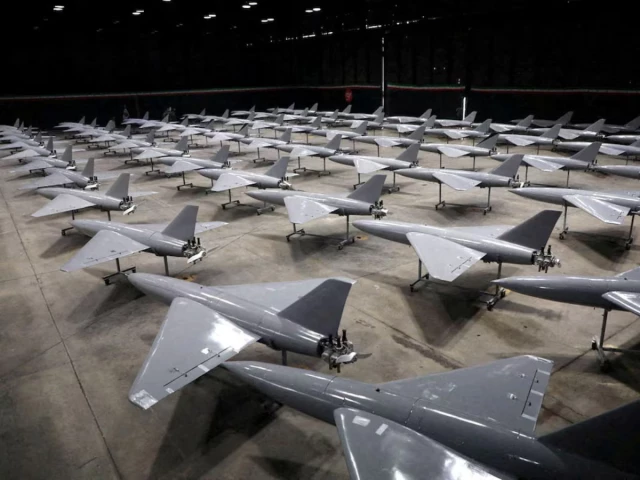
    US intelligence agencies are examining whether Russia helped Iran carry out drone attacks on CIA facilities in the Gulf, raising fresh concerns about growing military cooperation between Moscow and Tehran. Officials are reviewing intelligence to determine whether Russia provided targeting information, advanced drone technology, or other forms of support that may have increased the accuracy of the attacks. According to sources familiar with the investigation, analysts have not reached any final conclusions about Russia’s involvement. However, the precision of the strikes and Russia’s long history of military and technical cooperation with Iran have led intelligence officials to explore whether Moscow played a direct role in planning or supporting the operations. The investigation follows a series of Iranian drone attacks that targeted sensitive US intelligence locations in the region. At least two CIA facilities were reportedly hit in March. One of the sites was located inside the US Embassy in Riyadh, Saudi Arabia, while another was in eastern Iraq. Officials familiar with the matter said additional CIA locations may also have been attacked, although they declined to reveal further details because of security concerns. Western intelligence officials have also reviewed reports suggesting that Russia may have assisted Iran in selecting the targets. One intelligence assessment reportedly concluded that Russia likely contributed to identifying regional CIA facilities, although officials stressed that the findings remain under review and have not been publicly confirmed. According to officials briefed on intelligence reports, the attack on the US Embassy compound in Riyadh involved two upgraded versions of Iran’s Shahed drones. They said one drone created an opening in the embassy’s outer structure while the second entered through the damaged area before exploding inside. No casualties were reported, but the operation demonstrated a level of accuracy that surprised intelligence analysts. The investigation comes as tensions between the United States and Iran remain high following months of military exchanges across the Middle East. American officials are also examining recent Iranian strikes on a US military base in Jordan where ballistic missiles killed two American soldiers. Those attacks have intensified concerns that Iran may be receiving more advanced military support from Russia. Analysts believe Russia has spent years helping Iran improve its drone capabilities. Intelligence sources say Moscow has assisted Tehran in increasing the range and precision of its Shahed drones through technical upgrades. Reports also suggest Russia supplied Iran with the Kometa M satellite navigation system, which is believed to provide greater accuracy and stronger resistance to electronic interference than Iran’s previous guidance systems. Russia has denied supplying the technology and dismissed earlier reports on the matter. The White House referred questions about the investigation to the CIA, which declined to comment. Iran’s mission to the United Nations, the Russian Defense Ministry, and Saudi authorities also did not respond to requests for statements. The exact number and locations of the targeted CIA facilities remain classified. Intelligence sources said more than one site but fewer than a dozen were struck during the attacks. Overseas CIA operations often include embassy based stations as well as secure facilities used for surveillance, logistics, intelligence gathering, and other sensitive missions. US analysts are also investigating whether Russia supplied the intelligence used to identify the Riyadh facility. Some officials remain cautious, noting that Iran may have intended to strike the US Embassy as a whole rather than specifically targeting the CIA station located within the compound. Others believe very few countries possess both the intelligence capabilities and the strategic motivation to identify and support attacks against such highly sensitive US facilities. Former CIA station chief Daniel Hoffman said closer military cooperation between Russia and Iran makes such assistance plausible. He argued that both countries share a common interest in reducing American influence across the Middle East and other regions where they seek greater strategic control. The investigation remains ongoing as US intelligence agencies continue to assess the available evidence.

  • | | |

    CIA doubted Iran threat behind Trump plane switch

    WASHINGTON: US intelligence officials had doubts about the credibility of an alleged Iranian threat against President Donald Trump that triggered an extraordinary security operation during his departure from Türkiye last month, according to a Washington Post report. The revelation adds a new twist to the dramatic episode in which Trump was secretly moved from an aircraft at Ankara airport and flown to Britain aboard a smaller military jet while another aircraft was used as a decoy. The Washington Post, citing current and former US officials familiar with the intelligence, reported that CIA analysts did not consider information provided by Israel sufficiently compelling. The analysts reportedly communicated their reservations to officials in the Trump administration. The intelligence was described by one US official as Israeli-derived rather than US-generated and assessed with “low confidence”, according to the report. The CIA has declined to comment publicly. Despite the doubts, the US Secret Service decided that the potential danger justified extraordinary precautions. Trump’s security team has faced several serious incidents during his presidency and officials have stressed that they were unwilling to take unnecessary risks. The unusual operation unfolded after Trump attended the NATO summit in Ankara on July 8. According to reports, the president was initially expected to leave Türkiye aboard Air Force One. Instead, he was covertly transferred to a C-32A military aircraft through an airport catering truck. Trump and a small group of close aides then travelled to Britain’s Mildenhall air base, with fighter jets providing protection. Meanwhile, the regular presidential aircraft continued as part of a carefully planned deception. The operation has attracted considerable attention because it involved not only a change of aircraft but also secrecy from journalists and some senior officials travelling with the presidential delegation. The Washington Post reported that close Trump aides Dan Scavino, Natalie Harp and Walt Nauta accompanied him during the covert transfer, while no Cabinet officials did. The White House has defended the decision, saying Trump faces numerous threats, including threats linked to Iran, and that the Secret Service’s primary responsibility is protecting the president. Trump himself said the decision to use another plane was made by the Secret Service and that he followed its instructions. Reuters also reported that US officials considered the threat serious enough to warrant the covert aircraft switch. The intelligence dispute has nevertheless raised broader questions about the information shared between Israel and Washington. Some current and former US intelligence officials reportedly believe Israeli reporting can sometimes be intended not only to warn American leaders but also to influence policy decisions. The episode comes amid heightened tensions between Washington, Israel and Iran, making intelligence assessments particularly sensitive. It also highlights the difficult balance between acting quickly on potential threats and determining how reliable those threats actually are. For the Trump administration, the incident has now become more than a story about an unusual plane switch. It has raised questions about intelligence credibility, presidential security and the influence of foreign-provided information on US decision-making.

  • | |

    Iran leaders plan response to US economic pressure

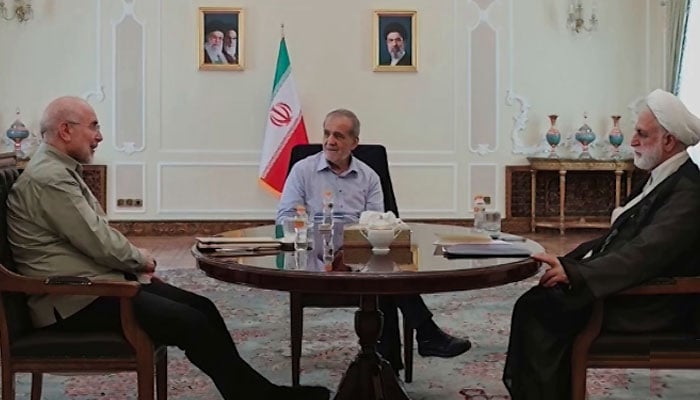
      Iranian President Masoud Pezeshkian, Parliament Speaker Mohammad Bagher Ghalibaf and the head of the judiciary have held a high-level meeting to discuss the country’s response to growing economic pressure from the United States. According to Iranian media reports, the meeting focused on the situation created by Washington’s announcement of an economic campaign against Tehran and the steps Iran can take to reduce its impact on the economy and ordinary citizens. The three officials, who represent Iran’s executive, legislative and judicial branches, stressed the need for stronger coordination among state institutions. They said government bodies should work more closely to respond quickly to economic challenges and prevent external pressure from creating further difficulties for the public. The leaders also discussed ways to protect people’s purchasing power and prevent economic hardships from placing an additional burden on households. They emphasized that government policies should give particular attention to low-income and vulnerable groups that could face greater difficulties as economic pressure increases. Iranian media reported that the officials called for practical measures to ease pressure on citizens while maintaining economic stability. They also stressed the importance of ensuring that essential needs remain accessible and that government institutions coordinate their efforts instead of pursuing separate or conflicting policies. The meeting also highlighted the importance of protecting Iran’s national interests as tensions with the United States continue. The officials agreed that economic planning should focus not only on dealing with immediate challenges but also on strengthening the country’s ability to withstand external pressure in the longer term. Pezeshkian’s administration has faced the challenge of managing economic difficulties while navigating Iran’s tense relations with Washington. The latest meeting reflects an effort by the country’s top leadership to present a coordinated approach and ensure that government institutions respond collectively to the economic situation. The leaders further emphasized that any response to the economic pressure should prioritize the welfare of the Iranian people. They called for continued cooperation among the three branches of government and urged officials to take steps that can protect vulnerable communities while preserving Iran’s broader economic and national interests.

  • | |

    Iran cannot be subdued, people are forcing enemies…

    TEHRAN: Iranian Parliament Speaker Mohammad Baqer Qalibaf has said that Iran cannot be subdued, claiming that the country’s people are standing united against external pressure and forcing their opponents to retreat. Qalibaf made the remarks while congratulating General Mohsen Rezaei on his appointment to the Supreme National Security Council. He described Rezaei’s inclusion in the council as evidence of the confidence placed in him by Iran’s Supreme Leader. According to Qalibaf, Iran is currently passing through one of the most sensitive periods in its history. He said recent developments had demonstrated to the international community that attempts to bring Iran under pressure would not succeed. The Iranian parliament speaker said national unity remained strong across the country, with the public, military and diplomatic institutions standing together under the leadership of Supreme Leader Mojtaba Khamenei. Qalibaf further claimed that the Iranian people were demonstrating resilience in the face of their adversaries and were now putting pressure on the opposing side to back down. His comments come amid heightened tensions surrounding Iran and the United States, with disagreements over regional security, military threats and the strategic Strait of Hormuz continuing to dominate international attention.

  • |

    Hamas agrees to disarm as Gaza peace plan gains momentum

      A significant breakthrough appears to have been achieved in efforts to end the conflict in Gaza, although many challenges remain before lasting peace and recovery can become a reality. According to reports, Hamas has accepted a key proposal presented by international mediators, agreeing in principle to surrender its heavy weapons if Israeli forces completely withdraw from the Gaza Strip. The development has been described as an important step in a broader 20-point peace framework aimed at ending months of violence and creating conditions for rebuilding the war-ravaged territory. Despite this progress, several major issues remain unresolved. One of the biggest questions concerns who will take control of Hamas’s heavy weapons once they are surrendered. The agreement has yet to clarify whether an international peacekeeping force, a regional authority, or another body will oversee the disarmament process. Another critical issue is the sequence of implementation. It is still unclear whether Hamas will be expected to disarm before Israeli troops leave Gaza or whether both actions will occur simultaneously. The timeline is considered one of the most sensitive parts of the agreement because each side wants guarantees that the other will fulfill its commitments. Israeli officials have maintained a firm position on the matter. A senior Israeli official stated that the Israel Defense Forces (IDF) would not withdraw from the current military positions, known as the Yellow Line, unless Hamas undergoes what Israel considers genuine and verifiable disarmament. This stance highlights the deep mistrust that continues to exist between the two sides despite the latest diplomatic progress. Meanwhile, US President Donald Trump expressed optimism about the reported agreement while speaking at Camp David. He described Hamas’s decision as “a big step for the Middle East” and acknowledged that the situation remains extremely complicated. Trump suggested that while the agreement is encouraging, its success will ultimately depend on careful implementation and continued international engagement. For the people of Gaza, who have endured years of conflict, destruction, and humanitarian suffering, the agreement offers a rare sense of hope. Although the proposed deal will not immediately restore homes, hospitals, schools, or other essential infrastructure destroyed during the war, it could provide the foundation for a more stable future. If both parties fully implement the agreement, humanitarian organisations may be able to deliver significantly greater amounts of aid to civilians. The plan could also create opportunities for reconstruction projects, restore basic public services, and gradually re-establish more stable civilian governance across Gaza. However, the success of the peace initiative will depend on more than Hamas’s willingness to disarm. Israel will also need to fulfill its commitments, including the agreed military withdrawal, if the process is to move forward. Equally important will be the role of international mediators, who must ensure that both sides carry out their obligations at the same time. Previous ceasefire and peace agreements have frequently collapsed because of delays, disagreements, and mutual accusations of non-compliance. While many uncertainties remain, the latest development represents one of the most promising diplomatic openings in recent months. If implemented in good faith by all parties, it could become a decisive turning point, bringing Gaza closer to peace, humanitarian recovery, and long-term stability after years of devastating conflict.

  • | |

    Bilawal Bhutto welcomes positive response to recon…

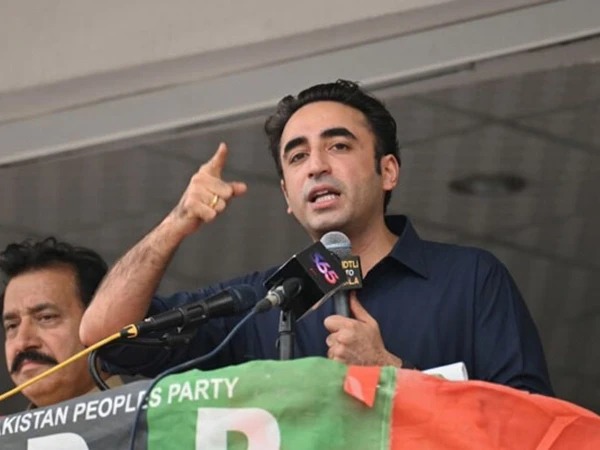
    Pakistan Peoples Party (PPP) Chairman Bilawal Bhutto Zardari has announced that the Joint Public Action Committee has responded positively to his proposal for establishing a Reconciliation Commission to help resolve the ongoing crisis in Azad Jammu and Kashmir (AJK). He said the committee’s response included several recommendations that would be carefully reviewed as part of the consultation process. In a statement shared on the social media platform X, Bilawal said he had received the committee’s formal reply regarding the proposed commission. According to him, the response reflects a willingness to consider an institutional mechanism that could help address the current situation through dialogue and consensus. Bilawal emphasized that his immediate priority is to help bring the ongoing crisis to an end, provide urgent relief to affected citizens, and restore normal life across Azad Jammu and Kashmir. He described every loss of life as a national tragedy and stressed the importance of finding a peaceful and sustainable solution through constructive engagement. The PPP chairman welcomed the committee’s readiness to move forward with the proposed Reconciliation Commission, saying it represents a positive step toward resolving outstanding issues. He added that the Azad Jammu and Kashmir Legislative Assembly has also endorsed the proposal, which he intends to examine in detail before further consultations. Bilawal said the next phase of the process would involve discussions with the Prime Minister of Azad Jammu and Kashmir. Following these consultations, the AJK leadership is expected to seek initial feedback from the federal government and other relevant stakeholders to determine whether there is sufficient common ground to advance a mutually agreed framework. According to Bilawal, broad-based consultation among all stakeholders is essential to ensure that any solution enjoys public confidence and contributes to lasting stability. He expressed hope that the proposed commission could provide a structured platform for dialogue while addressing the concerns of all parties involved. The development comes at a time when efforts are underway to reduce tensions in Azad Jammu and Kashmir and restore normal public life. Bilawal reiterated that meaningful dialogue, cooperation, and timely relief for affected communities remain central to his approach. He expressed optimism that continued engagement between the committee, the AJK government, and federal authorities could pave the way for a consensus-based resolution to the crisis.

Leave a Reply

Your email address will not be published. Required fields are marked *