cambodia initiates conciliation

Cambodia Initiates UN Conciliation Process Over Maritime Dispute With Thailand

BANGKOK, Thailand — Cambodia has formally notified the United Nations and Thailand of its decision to initiate a compulsory conciliation process under international law to resolve a longstanding maritime boundary dispute in the Gulf of Thailand. The diplomatic move follows Thailand’s recent unilateral termination of a 2001 bilateral agreement that had previously provided a framework for negotiations over the overlapping maritime claims.

Cambodia Protests Thailand’s Registration Of Disputed Border Temples As Unlawful

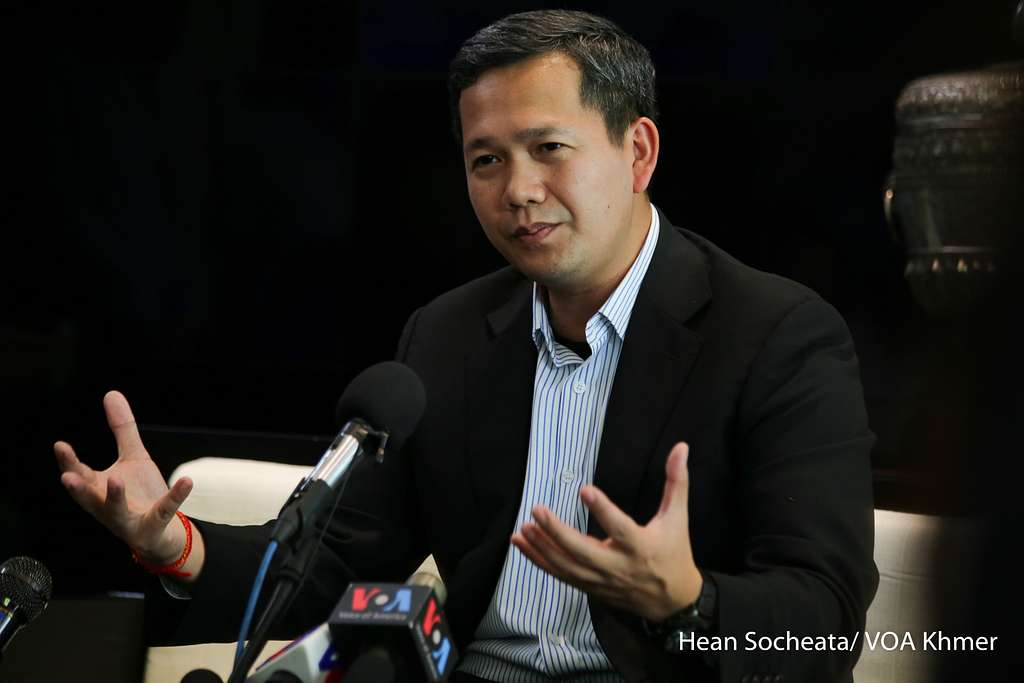
Cambodian Prime Minister Hun Manet stated that the decision was taken to protect the nation’s sovereignty and maritime rights in strict accordance with international legal frameworks. Under the United Nations Convention on the Law of the Sea (UNCLOS), this compulsory conciliation process will involve a panel of independent experts examining the dispute and issuing recommendations, though these findings will not be legally binding on either party. To advance the proceedings, Cambodia has appointed Foreign Minister Prak Sokhonn as its official agent, alongside Danish diplomat Peter Taksøe-Jensen and French academic Jean-Marc Thouvenin to serve as conciliators.

Thailand now has 21 days to appoint two of its own conciliators, who will subsequently select a chair to finalize a conciliation commission overseen by the UN Secretary-General. Historically, Bangkok has consistently rejected efforts to resolve such disputes through international mechanisms, including the International Court of Justice, maintaining that maritime and border issues should be settled exclusively through direct bilateral negotiations. The Thai Ministry of Foreign Affairs did not immediately respond to requests for comment regarding the new diplomatic maneuver.

At the heart of the dispute is the Overlapping Claims Area (OCA) in the Gulf of Thailand, a maritime zone of approximately 26,000 square kilometers claimed by both nations. The region is estimated to contain nearly 12 trillion cubic feet of natural gas and substantial oil reserves, with a total estimated value of around 300 billion US dollars. Recent global energy market volatility, exacerbated by ongoing conflicts in the Middle East, has created renewed urgency for both nations to resolve the dispute and unlock these vital undersea energy resources.

The diplomatic escalation occurs against a backdrop of heightened nationalist sentiment in Thailand, following the February 2026 re-election of Prime Minister Anutin Charnvirakul. The cancellation of the 2001 agreement was a prominent campaign pledge of his administration. This political shift follows a period of severe bilateral tension, marked by two rounds of deadly military clashes along the countries’ 817-kilometer shared border last year. The conflict, which resulted in nearly 150 fatalities and displaced hundreds of thousands of civilians, saw both sides trade accusations over who initiated the hostilities. A fragile ceasefire has remained in place since late December, following diplomatic intervention by former U.S. President Donald Trump.

Thailand Prioritizes Bilateral Talks With Cambodia On Maritime Boundary Dispute

As the mandatory 21-day window for Thailand to respond begins, regional observers are closely monitoring whether Bangkok will engage with the UN-led conciliation process or maintain its long-standing stance on bilateral exclusivity. The outcome of this diplomatic maneuver could significantly impact regional stability, energy security, and the future of diplomatic relations between the two neighboring Southeast Asian nations.

Similar Posts

  • | | | |

    RLNG prices jump up to 34.6% amid supply disruptio…

    ISLAMABAD: The Oil and Gas Regulatory Authority (OGRA) has increased the prices of re-gasified liquefied natural gas (RLNG) by up to 34.6% for July 2026, as continued disruptions in LNG supplies from Qatar forced Pakistan to rely on expensive spot market imports. According to an official notification, consumers of Sui Southern Gas Company (SSGC) will face the largest increase. The RLNG price for SSGC consumers has been fixed at $25.087 per MMBtu, following an increase of $6.4512 per MMBtu, representing a 34.6% rise. Consumers of Sui Northern Gas Pipelines Limited (SNGPL) will also pay higher rates. The regulator fixed the RLNG price at $25.8388 per MMBtu, an increase of $6.316 per MMBtu, or 32.35%, compared with the previous month. Officials said the latest increase was mainly driven by a sharp decline in LNG imports during July. Pakistan received only five LNG cargoes throughout the month, making it the third-lowest monthly import volume since the country started importing LNG. The reduced supply forced the country to purchase all available LNG cargoes from the international spot market, where prices are generally much higher and more volatile than long-term contractual rates. Energy officials said state-owned Pakistan LNG Limited arranged all five cargoes from the spot market. Meanwhile, Pakistan did not receive any LNG shipments under its long-term agreements with Qatar during the month. The interruption in Qatari supplies has continued since damage to energy infrastructure earlier this year, affecting LNG exports to several countries in Asia and Europe, including Pakistan. Experts said the absence of lower-cost LNG from long-term contracts has significantly increased Pakistan’s import bill and placed additional pressure on the country’s energy sector. Since the regional conflict in the Middle East began earlier this year, RLNG prices in Pakistan have risen by more than 144%, making energy substantially more expensive for industries, businesses and other consumers.

  • Meteorological Department Issues Heavy Rain Warning For Thailand

    BANGKOK, Thailand — Thailand’s Meteorological Department has issued a weather advisory forecasting heavy to very heavy rainfall across multiple regions of the country from Thursday through Monday next week, warning residents and travelers to prepare for potential flash floods, surface run-off, and hazardous marine conditions. Severe Flooding Halts 10 Southern Train Services, Routes Adjusted Sugunyanee […]

  • | |

    Police officer took his own life after leading dou…

    An investigation has found that a police officer who died by suicide in May carried out a series of rapes and attempted murders targeting women over a period of at least fourteen years while serving as an officer. PC Alan Greer’s earliest known victim was a woman he raped inside her own home in Glasgow in 2012, shortly after she had contacted police to report an unrelated crime. The woman came forward late last year to report the assault, a disclosure that triggered one of the largest anti corruption investigations in Police Scotland’s history. Detectives have since identified eight additional victims, five of them sex workers who were attacked while Greer was off duty. Investigators have also established that Greer paid for sex from hundreds of women throughout his career and expect further victims to come forward as the inquiry continues. Assistant Chief Constable Lynn Ratcliff, who is leading the investigation, described the findings as deeply disturbing. She said the officer had abused his position of authority by returning to target a woman he had first encountered through his police duties. Ratcliff said the woman’s decision to come forward and speak with investigators became the catalyst that launched the wider inquiry. Her confirmation of the investigation followed months of reporting into Greer’s conduct. A source close to the case said the scale and nature of the case draws comparisons to the conviction of Wayne Couzens, the London police officer sentenced for the rape and murder of Sarah Everard five years ago, suggesting the Greer case could represent a similarly significant reckoning for Police Scotland. Greer was born in Australia in 1978 and moved to the United Kingdom at age six. He joined Strathclyde Police in 2009, and continued serving after the force merged into Police Scotland in 2013, building what appeared to be an unblemished seventeen year career. He initially worked as a uniformed response officer in Glasgow before moving into an officer safety training role based in Coatbridge around 2016, a position that involved training probationary officers and refreshing the skills of more experienced colleagues. Greer was 47 years old when he died in May, and was married with a child. Those close to him, including his family and police colleagues, are understood to have had no knowledge of his pattern of violence. Senior officers have said there were no clear opportunities that would have allowed the force to identify his offending earlier. The investigation traces back to a woman in her late thirties who walked into a Glasgow police station late last year to report the assault. She described how, in 2012, she had called officers to her home after a disturbance, only for one of the responding officers to later attack her. Cases involving police officers who abuse their positions of trust to target victims, particularly vulnerable women and sex workers, have prompted broader scrutiny of vetting and oversight procedures within UK police forces in recent years. Investigations of this kind often expose gaps in how forces monitor off duty conduct and respond to complaints against serving officers, and they tend to renew public pressure for independent oversight mechanisms capable of identifying patterns of abuse before they escalate over many years. The investigation into Greer’s offending remains active, and Police Scotland has said it anticipates identifying more victims as the inquiry proceeds.

  • | |

    AJK assembly to elect prime minister on August 27

    MUZAFFARABAD: The Azad Jammu and Kashmir (AJK) Legislative Assembly will elect the new prime minister on August 27, with the Pakistan Muslim League-Nawaz (PML-N) in a strong position to secure the top office. The election schedule was issued on Wednesday, setting out the timeline for nomination papers, scrutiny, withdrawal and polling. Under the schedule, candidates will submit their nomination papers between 9:30am and 10:30am. The scrutiny process will take place from 10:30am to 10:45am. The list of candidates will be displayed at 11am. Candidates will have 30 minutes, from 11am to 11:30am, to withdraw their nominations. The final list of candidates will be issued at noon. Polling for the office of prime minister will begin at 12:30pm in the Legislative Assembly. The newly elected prime minister is scheduled to take the oath between 4pm and 5pm on the same day. The PML-N has nominated party president Shah Ghulam Qadir for the position. Based on the current strength of the assembly, he is considered the leading candidate for the office. The recent AJK elections were conducted in three phases between July 27 and August 10. Polling was held in 38 of the 45 directly contested constituencies. The PML-N emerged as the largest parliamentary group by winning 25 seats, while the Pakistan Peoples Party (PPP) secured 12 seats. The PML-N’s position was further strengthened after the lone elected member of the Awami Dast-o-Bazu party joined the ruling alliance. The PML-N currently has the backing of 32 members, compared with 14 members supporting the PPP. The numbers give the PML-N a clear advantage ahead of the prime ministerial election. The political balance was also reflected in the recent elections for the assembly’s top offices. PML-N AJK Secretary General Chaudhry Tariq Farooq was elected speaker with 32 votes. Ahmed Raza Qadri also secured 32 votes to become deputy speaker. PPP nominee Qasim Majid received 13 votes in the speaker’s election, while PPP candidate Amir Abdul Ghaffar Lone secured 13 votes in the deputy speaker’s contest. One PPP vote was declared invalid. The new assembly formally began its parliamentary term on August 24, when 46 newly elected members took their oaths. Outgoing Speaker Latif Akbar administered the oath during the inaugural sitting.

  • Seven Dead and At Least 15 Injured in Nonthaburi School Shooting

    NONTHABURI, Thailand – A tragic school shooting unfolded on the morning of August 7, 2026, in the Bang Kruai district of Nonthaburi, leaving seven people dead and at least 15 others injured. The sudden burst of violence sent shockwaves through the educational institution, triggering immediate alarm and panic among students, teachers, and administrative staff. Massacre […]

  • | | | |

    Pakistan repays $1.4bn China loan

    Pakistan has repaid a $1.4 billion commercial loan to China, with refinancing expected within the next few weeks, State Bank of Pakistan (SBP) Governor Jameel Ahmad said on Wednesday. Speaking to reporters after attending a meeting of the Senate Standing Committee on Finance at Parliament House, the SBP governor said the country had made external debt repayments worth $2.2 billion during July 2026. The repayments included the $1.4 billion commercial loan to Chinese banks, while the remaining $800 million was used to settle other external liabilities. Ahmad said the refinancing from Chinese banks had not yet been received but was expected shortly, adding that the funds would be made available to Pakistan after a brief delay. The central bank governor also revealed that the SBP had purchased $28 billion over the past three years to strengthen the country’s foreign exchange reserves. He said Pakistan’s external debt repayment requirement had declined from $26.5 billion to $21.5 billion, easing pressure on the country’s finances during the current fiscal year. According to Ahmad, around $3.5 billion of the remaining repayments will be used to service interest obligations. He said the government would continue its strategy of increasing foreign exchange reserves while maintaining external financial stability. The SBP governor further noted that Pakistan would require the rollover of nearly $12 billion in deposits from Saudi Arabia and China to support its external financing position. He expressed confidence that the country’s debt repayment burden would remain lower this year compared with previous years, helping improve Pakistan’s overall economic outlook.

Leave a Reply

Your email address will not be published. Required fields are marked *